
Trees
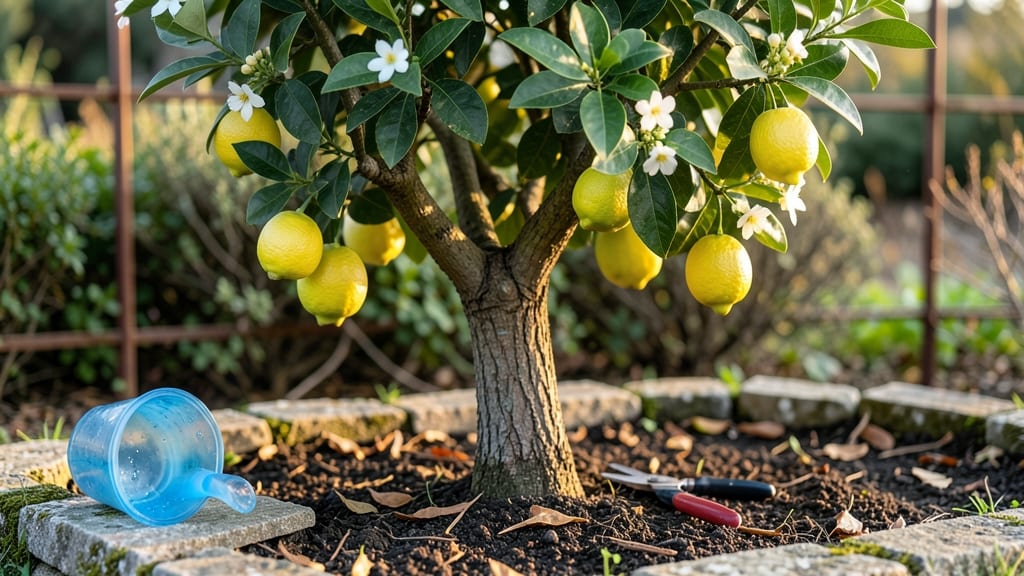
Transforming your garden into a slice of the Amalfi Coast starts with these iconic lemon trees. 🌿 Their silvery-green foliage and fragrant blossoms bring Mediterranean charm to any space, while their sweet, juicy fruit rewards you year-round.
The key varieties—like 'Meyer' or 'Eureka'—thrive in coastal climates, their glossy leaves and abundant harvests making them the centerpiece of rustic or coastal garden designs.
Planning your lemon tree layout begins with sun exposure—these trees crave at least 6-8 hours of sunlight daily, whether in a sunny patio container or a sheltered garden bed.
Pair them with lavender, rosemary, or bougainvillea for a true Mediterranean vibe, and use terracotta pots or stone planters to enhance the rustic aesthetic. The scent alone—bright citrus mingling with herbs—creates an instant retreat.
What you’ll achieve is a garden that feels like a vacation, with fragrant blooms in spring, glossy foliage year-round, and lemons ripe for harvest from fall to winter.
The trees grow slowly but steadily, their elegant form and productivity making them a low-maintenance, high-reward addition. Even in colder zones, container growing extends their season.
This design works for small courtyards, large estates, or even urban balconies—adjust pot sizes and spacing to fit your space. The secret is balancing beauty with practicality, so your garden doesn’t just look like the Amalfi Coast, but feels like one too. Ready to bring this Mediterranean magic home?
📚 In This Guide
- What you need
- Instructions
- Tips and common mistakes
- Wrapping up and next steps
What you need
- ● Lemon tree saplings: 1-2 dwarf varieties (e.g., Meyer or Eureka) for smaller spaces or 1 standard-sized tree for larger gardens.
- ● High-quality potting soil: 5-10 gallons (well-draining, citrus-specific mix preferred).
- ● Pot or planter: For saplings: 5-gallon containers (with drainage holes).
- ● For mature trees: 15+ gallon pots or in-ground planting in USDA Zones 9-11 (or greenhouses for colder climates).
- ● Organic citrus fertilizer: Balanced 6-6-6 or 8-3-9 (slow-release formula, ~1 lb per tree).
- ● Mulch: 2-3 inches of wood chips or straw (to retain moisture and regulate temperature).
- ● Drip irrigation system or watering can: (1-2 gallons capacity for consistent moisture).
- ● Gloves & pruning shears: Sharp, sterilized shears for trimming (avoid over-pruning young trees!).
- ● pH testing kit: To ensure soil pH is between 6.0-7.0 (lemon trees are sensitive!).
- ● Sunlight access: Full sun (6+ hours/day) or a grow light for indoor setups.
- ● Pest control: Neem oil or insecticidal soap (for aphids/spider mites, common in citrus).
- ● Citrus tree trellis: For support as the tree grows (especially for dwarf varieties).
- ● Humidifier or pebble tray: To combat dry air in indoor settings.
- ● Compost tea: Monthly boost for nutrient-rich soil (DIY or store-bought).
- ● Decorative stones: For a rustic Amalfi Coast vibe around the base of your tree!
Step-by-step guide to cultivating Amalfi Coast lemon trees
Here's how to grow these iconic Mediterranean beauties with lush foliage and fragrant citrus.
🌱 Step 1: Select and Prepare the Right Variety
Choose a cold-hardy lemon variety like 'Eureka' or 'Meyer' lemon—both thrive in Mediterranean climates. These trees tolerate brief dips to 25°F and produce sweet, fragrant fruit year-round. Start with a 3-4 year old dwarf tree (around 4-5 feet tall) from a reputable nursery to ensure established root systems and disease resistance.
Inspect the tree for signs of pests or fungal spots on leaves before bringing it home. A healthy specimen will have glossy, vibrant green leaves and no visible damage. If you're growing from seed, be prepared for a 5-7 year wait for fruit—grafted trees produce lemons in 2-3 years.
☀️ Step 2: Position for Optimal Mediterranean Light
Amalfi Coast lemon trees demand full sun exposure—place your tree in a location receiving 8+ hours of direct sunlight daily. A south-facing window or patio works indoors, but outdoor plants need 6+ hours of afternoon sun for proper fruiting. If your climate gets hotter than 95°F, provide afternoon shade to prevent leaf scorch.
Outdoor trees should be planted in well-draining soil with a slightly acidic pH (6.0-7.0). Amend heavy clay soil with 1-2 inches of coarse sand or perlite to improve drainage. The tree's root ball should sit 1-2 inches above ground level to prevent waterlogging—a common issue in Mediterranean coastal areas.
💧 Step 3: Establish a Mediterranean Watering Routine
Water deeply 2-3 times per week during the growing season (spring-fall), ensuring the top 6 inches of soil stay consistently moist but never soggy. Lemon trees hate "wet feet"—check drainage by digging down 4 inches after watering. If water pools, amend the soil with more organic matter.
In winter, reduce watering to once every 2-3 weeks, letting the top 2-3 inches of soil dry out between waterings. Overwatering in cool months stresses the tree and promotes root rot. Mulch with 2-3 inches of wood chips around the base (keeping mulch 3 inches away from the trunk) to retain moisture and regulate soil temperature.
✂️ Step 4: Prune for Shape and Fruit Production
Prune in late winter or early spring before new growth begins, removing dead, diseased, or crossing branches first. Cut back overgrown branches by one-third to encourage bushier growth and better air circulation. Use sterilized pruning shears to prevent fungal transmission between cuts.
Shape the tree into an open vase form by selectively trimming inward-growing branches. This allows sunlight to penetrate the canopy, improving fruit set. Avoid heavy pruning in summer—it stresses the tree and reduces flowering. After pruning, apply a balanced citrus fertilizer (10-10-10) to support new growth.
🪴 Step 5: Protect and Harvest for Year-Round Fruit
In colder climates, move potted trees indoors before temperatures drop below 40°F. Place them near a south-facing window or under grow lights (12-14 hours daily). Lemon trees need high humidity (50%+)—group plants together or use a pebble tray with water to prevent leaf drop.
Harvest lemons when they're fully colored but still slightly firm—this ensures peak flavor and fragrance. Most varieties take 9-12 months to ripen from flower to fruit. Store harvested lemons at room temperature for up to 2 weeks or refrigerate for 4-6 weeks. Regular harvesting encourages continuous blooming and fruiting.
Tips & tricks for perfect Amalfi Coast lemon trees
Growing these Mediterranean beauties takes patience and precision—here’s how to get the most from your citrus investment.
Variety Selection Wisdom: The 'Meyer' lemon is my go-to for its cold hardiness (down to 25°F) and sweeter flavor compared to 'Eureka'. For fastest fruit production, always choose a grafted 3-4 year old dwarf tree—these skip the 5-7 year wait from seed. I’ve learned the hard way that nursery-bought trees with established root systems establish faster and resist pests better than seedlings.
Light Exposure Strategy: Those 8+ hours of daily sunlight are non-negotiable, but here’s the trick: If your summer temps exceed 95°F, provide afternoon shade using a sheer curtain. I use a 50% shade cloth during peak heat to prevent leaf scorch while still allowing light penetration. Position your tree near a south-facing window indoors, but supplement with grow lights (12-14 hours daily) for consistent flowering.
Watering Precision: The 2-3 inches of mulch around your tree’s base isn’t just decorative—it regulates soil temperature and reduces evaporation. When checking drainage after watering, dig down 4 inches: if water remains, amend with perlite. In winter, let the top 2-3 inches dry completely between waterings—this prevents root rot during the tree’s dormant phase.
Pruning Technique: When shaping your tree into that open vase form, focus on removing branches that grow inward. I cut back overgrown branches by exactly one-third to maintain vigor without stressing the tree. Sterilize your pruning shears with rubbing alcohol between cuts to prevent fungal spread—a mistake I made early on that led to several lost branches.
Pro Tips for Amalfi Coast Lemon Trees
- Growing these Mediterranean beauties takes patience and precision—here’s how to get the most from your citrus investm...
- Variety Selection Wisdom: The 'Meyer' lemon is my go-to for its cold hardiness (down to 25°F) and sweeter flavor comp...
- Light Exposure Strategy: Those 8+ hours of daily sunlight are non-negotiable, but here’s the trick: If your summer te...
Frequently asked questions
Got questions about growing Amalfi Coast lemon trees? You’re not alone! Here are answers to the most common queries to help you cultivate your own citrus paradise:
When is the best time to plant Amalfi Coast lemon trees?
The ideal time to plant is in early spring (March–April) after the last frost, or in fall (September–October) when temperatures cool. This gives roots time to establish before extreme heat or cold. If you’re in a mild climate like the Amalfi Coast, late winter works too!
How often should I water my lemon tree?
Water deeply 2–3 times a week during the first year, keeping soil moist but not soggy. Once established, reduce to once a week (or more in summer heat). Pro tip: Mulch around the base to retain moisture and prevent weeds. Overwatering can harm roots—always check soil moisture before watering!
Can I grow Amalfi Coast lemon trees indoors?
Yes! Choose a sunny spot near a south-facing window or use grow lights for 6–8 hours daily. Use a well-draining pot (12+ inches wide) and fertilize monthly with citrus-specific nutrients. Expect smaller fruit, but indoor trees thrive with patience and care.
How do I protect my lemon tree in winter?
If temperatures drop below 20°F (-7°C), move potted trees indoors or wrap the trunk with burlap. For outdoor trees, mulch heavily and cover with frost cloth if frost is forecasted. Amalfi Coast lemons are cold-hardy to 15°F (-9°C), but young trees need extra protection.
How long does it take for an Amalfi Coast lemon tree to bear fruit?
With proper care, expect first fruit in 3–5 years for container-grown trees and 2–4 years for those planted in the ground. Patience pays off—healthy trees produce year-round harvests in warm climates, with peak seasons in fall and winter!
Wrapping up and next steps
The Amalfi Coast lemon trees aren’t just a stunning sight—they’re a gift of nature’s sweetest bounty, offering year-round citrus that elevates any dish or drink. Whether you’re savoring fresh lemons, crafting homemade limoncello, or simply admiring their vibrant foliage, these trees bring Mediterranean charm to your space.
Ready to turn your garden—or kitchen—into a taste of paradise?
🌱 Next step: Grab a seedling, roll up your sleeves, and let the sunshine (and zesty flavors) begin! Start here for a foolproof planting guide.