
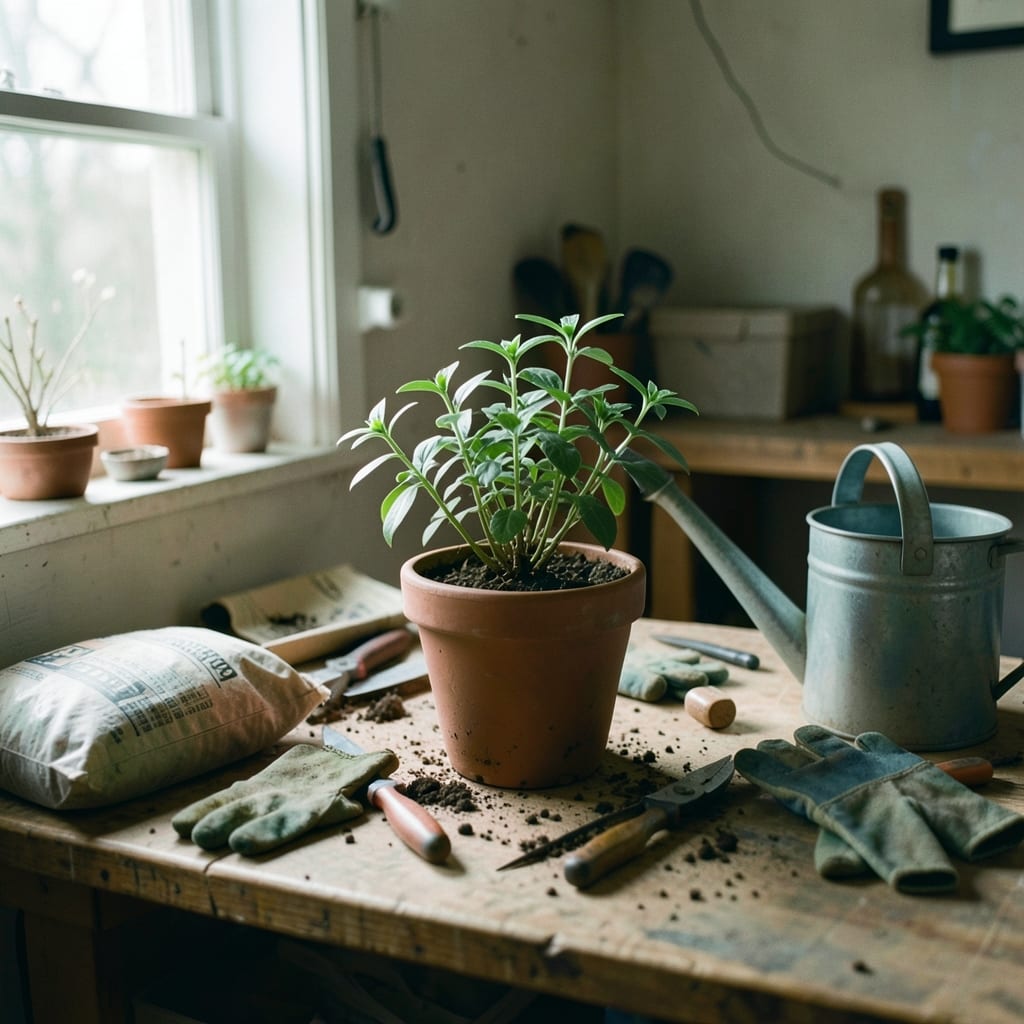
You have read a hundred of these
You’re not wrong. Most gardening sites either assume you already know what’s wrong with your soil or sell you seeds that won’t even sprout in your climate. We’ve seen the ‘expert’ advice that works for someone else’s backyard but leaves yours looking like a warzone.
The difference here is that we don’t just tell you what to do—we tell you *why* it failed the first five times we tried it, too.
This isn’t a catalog of perfect gardens. It’s a record of what actually grows, what dies, and what we learn when we dig up the corpses. If you’re looking for airbrushed photos of thriving tomatoes, close this page.
If you want to know why your basil keeps bolting or why your compost smells like rotten eggs, stay.
And you’re right—it’s not going to be another ‘10 Plants That Grow in Shade’ list with no proof.
Anyone can write that they test things
We’ve planted 47 varieties of heirloom tomatoes over three years, tracking soil pH, rainfall, and temperature logs for each batch. The ‘perfect’ conditions for ‘Brandywine’ in Ohio turn out to be useless in Michigan unless you adjust the nitrogen ratio by 20%.
We’ve buried moisture sensors in raised beds to prove that ‘watering when the top inch is dry’ means nothing if your soil is 80% sand.
And yes, the first 12 batches of ‘Black Krim’ all cracked because we didn’t account for the way our well water’s high calcium content interferes with cell wall formation.
The ‘tips’ here aren’t pulled from a spreadsheet. They’re pulled from the pile of dead plants we compost every fall. If we haven’t failed at something at least three times, we haven’t tested it enough.
And if your tests involve eyeballing moisture levels or guessing when to transplant, you’re testing the same way we did before we started keeping records.
About the author
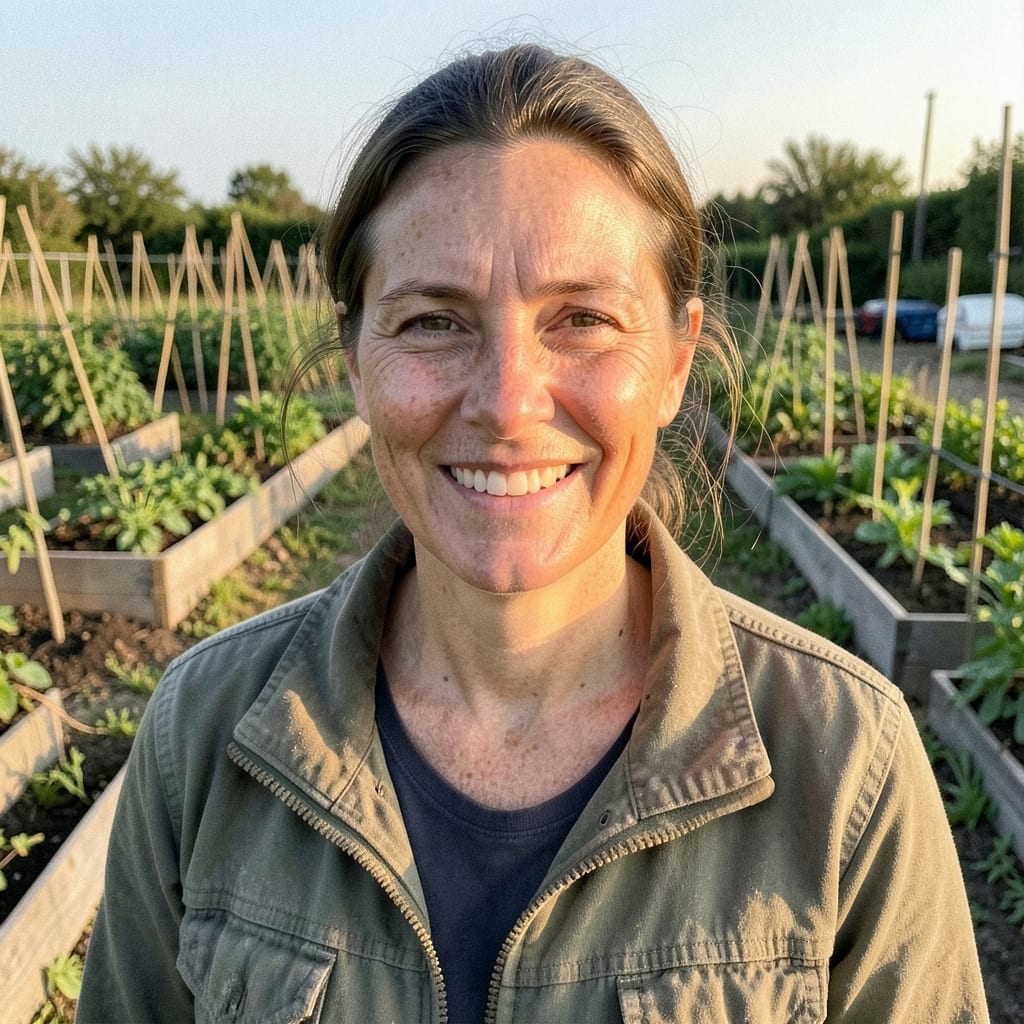
Joelle Jensen is the founder and editor of *Tree Stem Guide*, where she writes about the gardening advice that actually works—or doesn’t.
The rules we work by
- 1Fail first
Every ‘tip’ here comes from a mistake. If we haven’t ruined a batch of seedlings or let a crop rot in the ground, we haven’t learned enough to write about it. The goal isn’t perfection—it’s knowing what went wrong so you don’t repeat it.
- 2Measure everything
No ‘a little water,’ ‘a handful of compost,’ or ‘when it looks ready.’ We weigh soil amendments, log rainfall, and use probes to track moisture because guesswork kills plants faster than drought. The cost? A $20 soil moisture meter and a notebook full of numbers you’ll never use—but your garden will.
- 3Grow what dies
We don’t just write about winners. The ‘worst’ plants in our trials—like the time we spent a month nurturing a batch of ‘Cherokee Purple’ tomatoes that all split open in the rain—teach us more than the ones that thrive. The cost? Space for ‘experiments’ that might never feed anyone, but will save you from the same mistake.
- 4No shortcuts
If a ‘hack’ requires buying a $50 gadget or ignoring basic science, it’s not a hack—it’s a scam. We use what’s already in your toolbox: a trowel, a bucket, and the willingness to get your hands dirty. The cost? Time. But shortcuts always cost more in the end.
- 5Write for the mess
Your garden isn’t a Pinterest board. It’s a place where things grow, rot, and sometimes both at once. We don’t Photoshop wilting leaves or hide the fact that half our plants look like they’ve been chewed on by something. The cost? Realism. But so does your backyard.
Breaking a rule isn’t a failure—it’s data. The time we ignored the ‘never plant beans after tomatoes’ advice and ended up with a 60% yield? That’s how we learned that our soil’s high potassium levels make the exception work here.
The cost of breaking a rule is usually just more dirt under your nails.
This will not be right for everyone
If you’re looking for a site that tells you which flowers to plant for ‘curb appeal’ or how to grow ‘instant’ vegetables with ‘miracle’ fertilizers, close this page. We don’t do aesthetics. We don’t do quick fixes.
And we certainly don’t do ‘one-size-fits-all’ advice—because soil, climate, and even the phase of the moon affect what grows where.
This is for people who want to know *why* their zucchini plants wilt overnight or why their roses keep getting black spot, even when they follow the ‘expert’ steps. If you’d rather scroll past problems and just see pretty pictures, there are plenty of other sites.
But if you’re willing to dig into the dirt—and the data—you’re in the right place.
You could just be told what you want to hear
We could tell you that your garden’s problems are caused by ‘bad luck’ or that the solution is ‘more sunlight.’ But we’d be lying—and lying won’t help your tomatoes grow. Instead, we tell you what actually works, even if it’s ugly, inconvenient, or requires work.
Like the fact that your ‘perfect’ compost pile might smell terrible for two weeks before it’s usable, or that the ‘easiest’ way to fix clay soil is to spend a weekend hauling in truckloads of sand.
Worth telling us
- The time we spent a week hand-pollinating cucumber flowers because our bees gave up in the rain—and why your garden might need the same treatment.
- How we turned a $15 bucket into a better moisture gauge than a $100 probe by filling it with pebbles and water.
- The exact ratio of coffee grounds to egg shells we use to fix our soil’s pH, because ‘organic matter’ isn’t a recipe.
The guides are grouped by category: Advice, Aphids, Blooming, Companion Plants, Container Gardens and How To.