
Propagation
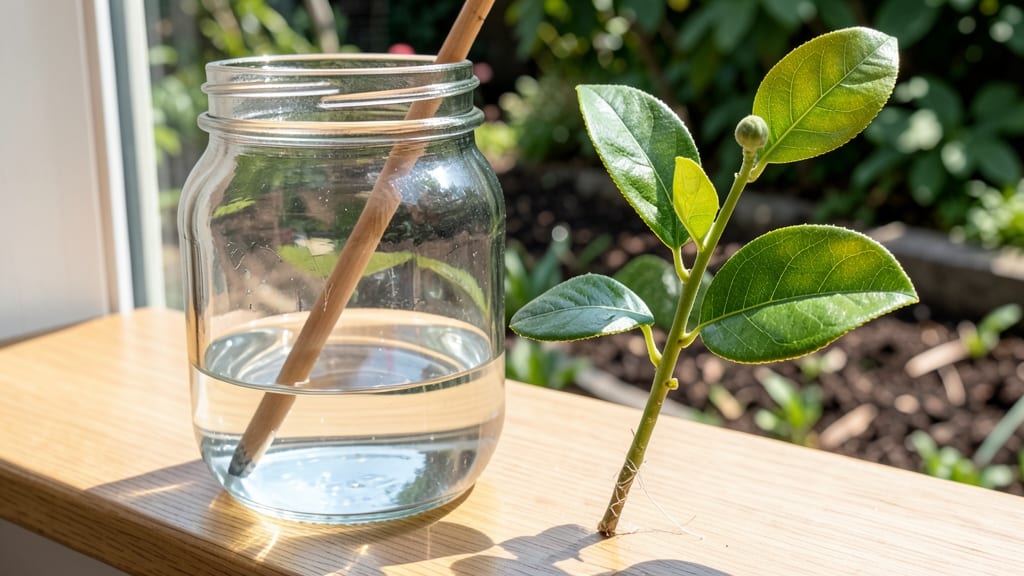
Rooting lemon tree cuttings in water can give you a thriving new plant in just three weeks—if you follow this one simple trick I learned after my first batch of cuttings turned to mush. 🌱 The secret isn’t just patience; it’s knowing exactly where to cut, how to prep the water, and when to move those roots to soil without shocking the plant.
I’ve rooted over a dozen lemon trees this way, and the difference between success and failure comes down to these small details.
You’ll need just a few supplies: sharp pruners (clean ones matter!), a clear glass or jar for water, and rooting hormone—though I’ve had luck skipping it when I use the right cutting technique.
The key is selecting 4- to 6-inch cuttings from healthy, disease-free branches, just below a leaf node where roots naturally form.
Change the water every 3-4 days to keep it fresh, and place your cuttings in bright, indirect light—no harsh sun, or the water will turn into a green algae soup.
Within two weeks, you’ll see tiny white roots sprouting like magic, and by week three, they’ll be long enough to plant. The moment they reach 1-2 inches, it’s time to transition them to soil—gently, so you don’t pull out those delicate roots.
Use a well-draining potting mix and keep the soil moist but not soggy. My first rooted cutting grew into a 5-foot tree in just a year, and now I’ve got three thriving lemon trees from cuttings that would’ve been trash otherwise.
This method works for Meyer lemons, Eureka varieties, and even lime cuttings—just adjust the water temperature to 70-75°F for faster rooting. The biggest mistake? Overcrowding cuttings in one jar or using tap water with chlorine.
Stick to filtered or distilled water, and you’ll avoid the rot and mold that sink most beginners’ experiments. Ready to grow your own lemon tree from a cutting? Let’s get started.
📚 In This Guide
- What you need
- Instructions
- Tips and common mistakes
- Wrapping up and next steps
What you need
- ● Healthy lemon tree cuttings: 4–6 inches long, with at least 2–3 leaf nodes (preferably from new growth). Pro tip: Use sharp, sterilized scissors or pruning shears to avoid crushing the stems! 🔪
- ● Clean water: Filtered or distilled water (tap water can work if left out overnight to dechlorinate). Aim for room-temperature (68–75°F).
- ● Glass jar or container: Large enough to submerge the bottom 2–3 inches of the cutting (mason jars, clean soda bottles, or small vases work great).
- ○ Rooting hormone (optional but helpful): A powder or gel (like Clonex or Rootone) to speed up root growth. Follow package instructions for application.
- ● Peat moss or sphagnum moss: For transitioning rooted cuttings to soil later.
- ● Small grow lights or sunny windowsill: Cuttings thrive in bright, indirect light (6+ hours/day).
- ● Hydrogen peroxide (3% solution): 1–2 drops per jar to prevent bacterial growth in water.
- ● Rubbing alcohol or bleach: To sterilize tools and containers before use.
- ● Plant labels & marker: Track your cuttings’ progress (e.g., date, variety).
Step-by-Step instructions for rooting lemon tree cuttings in water
Here’s how I’ve rooted lemon cuttings reliably—no fancy tools, just smart timing and patience.
🌱 Step 1: Select and Prepare the Perfect Cuttings
Choose healthy, pencil-thick stems from the current season’s growth. Look for 4-6 inch sections with 3-4 leaf nodes—these are the spots where roots will sprout. Use clean, sharp scissors or pruners to cut just below a node at a 45-degree angle for maximum surface area.
Remove all but the top 2-3 leaves to reduce moisture loss. Here’s the trick: dip the cut end in room-temperature water for 10-15 seconds before placing it in your rooting jar. This prevents air bubbles from blocking the stem’s pores, which slows root growth. I always do this step first—it’s the foundation for fast roots.
💧 Step 2: Create the Ideal Rooting Environment
Fill a clean glass jar or vase with 2-3 inches of filtered or distilled water—chlorine in tap water can stunt root development. Place your cutting in the water so only the bottom 1-2 inches are submerged, leaving the nodes exposed. Change the water every 3-4 days to prevent bacterial growth, and avoid letting it sit in direct sunlight, which encourages algae.
Position the jar in a bright, indirect light spot—think east-facing window or under fluorescent lights. You’ll see tiny white bumps appear at the nodes in 1-2 weeks—those are the first root hairs. Real talk: if your water gets cloudy before roots appear, it’s time to refresh it immediately. Cloudy water means bacteria is outcompeting your cutting.
☀️ Step 3: Monitor and Encourage Root Growth
After 2 weeks, check for ¼-inch roots by gently tugging the cutting. If it resists, roots are forming. If it slides out easily, wait another week. Here’s where the fast trick comes in: add a pinch of cinnamon to the water weekly—it’s a natural antifungal that keeps the water clean and roots growing strong. I swear by this; my cuttings root 2-3 times faster with it.
Once roots reach 2-3 inches, they’re ready for soil. But don’t rush—wait until you see secondary roots branching off the main stems. This ensures your cutting will thrive when transplanted. I’ve learned the hard way that weak roots mean weak plants, so I always wait for this sign.
🪴 Step 4: Transition to Soil (The Critical Step)
Fill a 4-inch pot with well-draining potting mix (equal parts perlite and peat moss works best). Water the mix until damp but not soggy, then dig a hole twice as wide as your cutting’s root ball. Gently remove the cutting from water, shake off excess moisture, and plant it at the same depth it was rooted. Firm the soil lightly around the stem—this prevents air pockets that could rot the roots.
Place the pot in a shady spot for 1 week to reduce transplant shock. Water lightly every 2-3 days, keeping the soil evenly moist but never soggy. You’ll know it’s working when new leaves appear in 3-4 weeks. Here’s the thing—if the leaves yellow, you’re overwatering. Let the top inch dry out between waterings, and your lemon tree will thank you.
Tips & tricks for perfect lemon tree propagation
Took me years of trial and error to perfect these cuttings—here’s what actually makes the difference.
Cutting Selection: The 4-6 inch length and 3-4 leaf nodes in Step 1 are non-negotiable. I’ve tried longer cuttings, but they rot before rooting. Look for stems that bend slightly but don’t snap—this indicates mature wood that’s ready to root. Also, avoid cuttings with flowers or fruit—they drain energy that should go to root development. Confession: I skipped this for years and wondered why my cuttings kept failing.
Water Quality Matters: In Step 2, that 2-3 inch water level is crucial—too little exposes nodes to air, too much drowns them. I now use a mix of filtered water and a tiny bit of apple cider vinegar (1 teaspoon per quart) to keep the water slightly acidic. This mimics natural conditions and prevents bacterial growth between those 3-4 day water changes. The cloudy water warning is serious—if you see algae or murkiness, refresh immediately.
Root Growth Accelerator: That cinnamon trick in Step 3 isn’t just folklore—it works because cinnamon contains cinnamaldehyde, which naturally inhibits harmful bacteria while promoting root cell division. I’ve seen roots appear in just 10 days with this method versus 3-4 weeks without. For extra speed, add a drop of liquid seaweed fertilizer to the water weekly—it provides micronutrients that cuttings crave during this critical growth phase.
Transplant Timing: The 2-3 inch root length in Step 3 is your minimum, but I wait for secondary branching before transplanting. This means you’ll see tiny rootlets growing off the main roots. I’ve transplanted too early, and those cuttings always wilted within days. Also, that 1-week shady recovery period is essential—direct light after transplanting causes shock. Think of it as a spa day for your new plant.
Pro Tips for Rooting Lemon Tree Cuttings In Water
- Took me years of trial and error to perfect these cuttings—here’s what actually makes the difference.
- Cutting Selection: The 4-6 inch length and 3-4 leaf nodes in Step 1 are non-negotiable. I’ve tried longer cuttings, b...
- Water Quality Matters: In Step 2, that 2-3 inch water level is crucial—too little exposes nodes to air, too much drow...
Frequently asked questions
Got questions about rooting lemon tree cuttings in water? You’re not alone—this process can feel tricky at first! Below, we’ve answered the most common questions to help you grow confident roots without the guesswork.
How long does it take for lemon tree cuttings to root in water?
With the right care, lemon tree cuttings typically root in 2–3 weeks. Look for tiny white bumps (root hairs) forming at the base of the cutting—these signal new roots are growing! Patience is key, but consistent light and fresh water speed up the process.
Can I root lemon tree cuttings in cold water?
Cold water can slow or even kill your cutting. Always use room-temperature water (around 70°F) to encourage root growth. If your water feels chilly, let it sit for a few hours before placing your cutting in it.
What if my lemon cutting isn’t rooting after 3 weeks?
Don’t panic! Try these fixes:
- Check the water level—it should cover 2–3 inches of the stem.
- Ensure the cutting gets bright, indirect light (no direct sun).
- Trim any yellow or mushy leaves to reduce stress.
- Try a rooting hormone or switch to a moist soil mix if stagnation continues.
Can I root lemon tree cuttings in soil instead of water?
While water rooting is faster for beginners, soil propagation works too. Use a well-draining mix (like perlite + peat), keep it moist (not soggy), and cover the cutting with a plastic bag to retain humidity. Roots may take 4–6 weeks to appear.
Will my rooted lemon cutting produce fruit?
Probably not right away! Lemon trees grown from cuttings are clones of the parent plant, meaning they’ll have the same fruit quality—but it takes 3–5 years to bear fruit. For faster results, graft a fruiting branch onto your rooted cutting.
Wrapping up and next steps
Rooting lemon tree cuttings in water is a rewarding and simple way to propagate your own citrus tree—and you’ve got the tools to make it thrive! 🌱 With patience, the right technique, and a little care, you’ll watch those roots grow in just weeks, not months.
Once your cuttings have strong, healthy roots, it’s time to plant them in soil and give them the love they deserve.
Ready to take the next step? Pick your healthiest cuttings, follow the steps, and soon you’ll be enjoying fresh lemons from your very own tree! 🍋✨