
Pruning
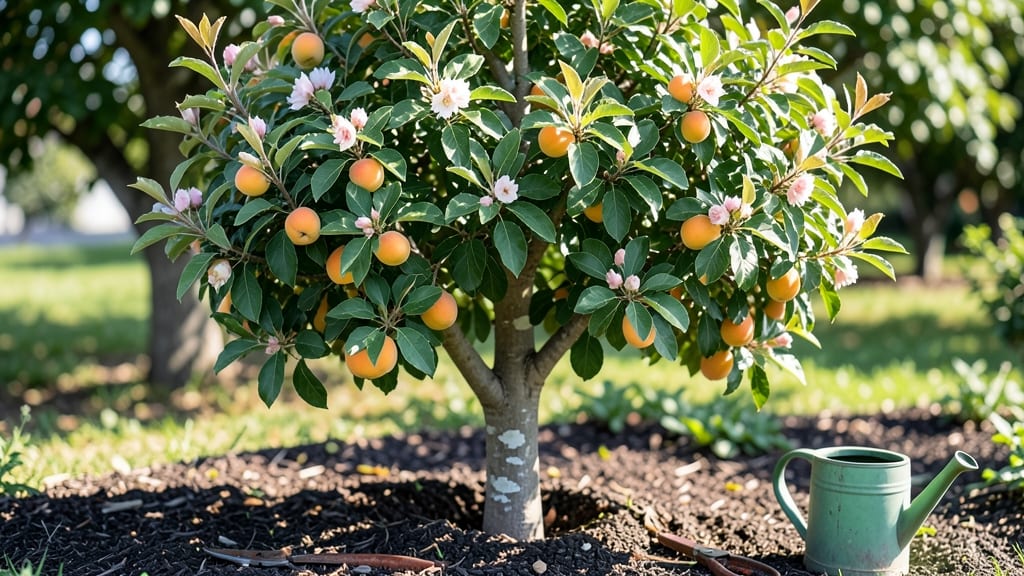
The apricot tree height you choose depends on care—left wild, they soar to 20 to 30 feet, but pruning keeps them tidy at 8 to 12 feet, ideal for backyards. I learned this the hard way after my first tree stretched toward the power lines, forcing a last-minute emergency trim.
The key isn’t just cutting branches but shaping the tree to encourage strong growth and better fruit production.
Standard varieties reach full height within 5 to 10 years, while dwarf varieties stay compact at 6 to 10 feet, ideal for small yards. Your climate matters too—warmer regions speed up growth, while cooler areas may slow it down.
Pruning in late winter or early spring keeps the tree healthy and prevents overcrowding, which can reduce fruit quality.
With the right trims, you’ll end up with a tree that’s easy to harvest from and produces juicier, sweeter apricots—no ladder required. The first trim sets the foundation, while follow-up cuts in summer shape the tree for maximum sunlight exposure.
Even if you’re new to pruning, these three techniques work for any apricot variety.
Works in USDA zones 5 through 9, though southern gardeners may need extra shade protection in summer. Start small with dwarf varieties if space is tight, or go for standard trees if you have room to let them grow naturally.
Either way, you’ll get that perfect balance of height and harvest.
📚 In This Guide
- What you need
- Instructions
- Tips and common mistakes
- Wrapping up and next steps
What you need
- ● Pruning shears: Bypass pruners (sharp, clean, and disinfected with rubbing alcohol—1 pair).
- ● Loppers: For thicker branches (16–24” cutting blades—1 pair).
- ● Pruning saw: For stubborn, large branches (8–10” curved blade—1).
- ● Gloves: Heavy-duty, cut-resistant (e.g., Mechanix or Wolverine—1 pair).
- ● Disinfectant: 70% isopropyl alcohol or bleach solution (1:9 ratio with water).
- ○ Pruning sealant: Optional but helpful for large cuts (e.g., Tanglefoot Tree Wound Pruning Seal—small jar).
- ● Ladder: Sturdy, extendable (tall enough to reach the tree’s highest branches).
- ● Safety gear: Goggles (to protect from debris) and long sleeves/pants (to avoid scratches).
- ● Best time to prune: Late winter or early spring (before buds swell) for dormant pruning.
- ● Tree age: Young trees (minimal pruning—focus on shaping.
- ● Weather check: Prune on a dry, cloudy day to avoid stressing the tree.
- ● Tree health: Inspect for diseases (e.g., brown rot) or pests before trimming.
- ● Local regulations: Check if your area requires permits for large-scale pruning.
- ● Sterilize tools between cuts to prevent spreading disease. ⚠️
- ● Use sharp tools—dull blades tear bark, inviting infections. 🔪
- ● Remove no more than 25% of the tree’s foliage in one session to avoid shock. 🌿
- ● Label branches you plan to cut with flags or tape if working with a partner. 🎯
Step-by-Step guide to controlling apricot tree height through strategic trimming
Here’s how to guide your apricot tree’s vertical growth while boosting fruit production.
Identify the Right Time for Height Control Trims
Prune your apricot tree during late winter or early spring, just before buds swell but before new growth begins. This timing ensures you remove last year’s growth while preserving the tree’s energy for spring flush. Avoid pruning in fall—it invites disease and weakens the tree before dormancy.
Look for three key visual cues: bare branches, dried fruit clusters, and buds that haven’t yet plumped. If you see fresh green growth, you’ve waited too long. Apricots respond best to structured pruning cycles—trim once a year for height control, and again in summer to shape the canopy.
Use the "Open Center" Technique for Balanced Growth
Start by removing suckers—those vigorous shoots growing from the base or trunk. These compete with the main structure for nutrients and encourage leggy, unproductive growth. Cut them back to the ground immediately with clean, sharp pruners.
Next, focus on the tree’s central leader (the main upward-growing branch). Select one dominant branch to continue vertical growth, and prune the others back by one-third to redirect energy into lateral branches. This creates an open center, improving airflow and sunlight penetration—critical for apricot fruit development.
Thin Branches to Encourage Stronger Vertical Growth
Remove crossing or rubbing branches first—these create wounds that invite pests and disease. Cut them at the branch collar (the swollen area where the branch meets the trunk) to prevent tearing. Next, target weak, spindly branches growing upward; these rarely bear fruit and drain the tree’s resources.
For height control, prune the topmost branches by 20-30% to slow vertical elongation. Avoid heavy topping—this triggers excessive water sprouts and weakens the tree. Instead, make cuts just above an outward-facing bud to encourage horizontal growth, which produces more fruit-bearing wood.
Summer Pruning for Fine-Tuning Height and Shape
In mid-summer, after the tree has set fruit, perform a light pruning to refine its shape. Remove shoots growing straight up from the lower canopy—these will only add height without contributing to fruit production. Use your fingers to pinch back new growth if it’s too tender for pruners.
Watch for water sprouts (thin, fast-growing shoots) and prune them immediately. These shoots steal energy from fruit development. Limit summer cuts to 10-15% of the tree’s foliage to avoid stress. The goal here is subtle adjustments, not drastic reshaping.
Tips & tricks for perfect apricot tree height control
Here’s what I’ve learned after years of shaping apricot trees—these tricks make all the difference between a leggy, fruit-sparse tree and a productive, well-shaped beauty.
Timing is Everything: The late winter/early spring window is non-negotiable for height control. I’ve seen too many gardeners prune in fall, thinking it’s convenient, only to watch their trees develop cankers and weak growth. The key is that dormant season timing—when the tree’s energy is stored, not actively growing. If you’re unsure, check for those three visual cues: bare branches, dried fruit clusters, and buds that haven’t yet plumped. This is your perfect window.
The Open Center Technique: When you’re selecting that one dominant branch to continue vertical growth in Step 2, look for a branch that’s already strong and angled slightly outward—not straight up. I’ve made the mistake of keeping vertical branches as leaders, and they just shoot up like rockets, creating more work later. That one-third reduction on other branches? It’s not arbitrary—it’s the sweet spot to redirect energy without shocking the tree. Think of it like redistributing weight in a sailboat.
Precision Cuts Matter: In Step 3, when you’re making those 20-30% cuts on topmost branches, always cut just above an outward-facing bud. I learned this the hard way after seeing too many trees develop ugly stubs that never grew properly. That outward-facing bud is your signal to the tree: “Grow this way!” It’s like giving the tree a roadmap. And for heaven’s sake, use clean, sharp pruners—dull tools tear bark and create wounds that invite disease.
Summer Maintenance Secret: That mid-summer light pruning is where you really fine-tune the height. I’ve found that pinching back new growth with your fingers works beautifully for tender shoots—no need for pruners. The 10-15% foliage limit might seem restrictive, but it’s about quality over quantity. You’re not trying to reshape the tree; you’re just guiding it to focus its energy where you want it—on fruit production, not vertical growth.
Pro Tips for Apricot Tree Height
- Here’s what I’ve learned after years of shaping apricot trees—these tricks make all the difference between a leggy, f...
- Timing is Everything: The late winter/early spring window is non-negotiable for height control. I’ve seen too many ga...
- The Open Center Technique: When you’re selecting that one dominant branch to continue vertical growth in Step 2, look...
Frequently asked questions
Got questions about managing your apricot tree’s height? You’re not alone! Here are answers to the most common concerns—so you can prune with confidence and keep your tree thriving.
How tall does an apricot tree typically grow without pruning?
An unpruned apricot tree can reach 15–25 feet tall (4.5–7.5 meters), depending on the variety and growing conditions. Dwarf varieties stay between 6–10 feet (1.8–3 meters), making them ideal for small yards or containers. Regular pruning keeps growth manageable and improves fruit production.
When is the best time to trim an apricot tree to control its height?
The ideal time to prune is late winter or early spring (before buds swell) to avoid disease and encourage strong new growth. Avoid heavy pruning in fall, as wounds may not heal before winter. Light shaping in summer (after harvest) is fine for minor adjustments.
Can I prune an apricot tree too much?
Yes! Over-pruning—cutting back more than 25% of the canopy in one season—can stress the tree, reduce fruit yield, and invite pests. Focus on selective trimming: remove dead, crossing, or overcrowded branches while preserving the tree’s structure. Thin out rather than topping.
What’s the difference between dwarf and standard apricot trees in terms of height?
| Type | Mature Height | Best For |
|---|---|---|
| Dwarf | 6–10 feet (1.8–3 m) | Containers, small yards, or urban gardens |
| Semi-dwarf | 10–15 feet (3–4.5 m) | Backyard orchards with space |
| Standard | 15–25+ feet (4.5–7.5+ m) | Large properties or commercial orchards |
Dwarf varieties require less pruning but need staking or support early on. Standard trees need regular height control.
Why is my apricot tree growing too fast or unevenly?
Uneven growth often signals nutrient imbalance, overwatering, or poor sunlight. Check for:
- Watering: Deep water 1–2x/week (drought stress causes erratic growth).
- Sunlight: Ensure 6+ hours of direct sun daily.
- Soil: Test for nitrogen deficiency (yellow leaves) or compacted soil (root-bound growth). Amend with compost or organic fertilizer.
- Pruning: If one side is overgrown, prune opposite branches to balance the canopy.
If the issue persists, consult a local extension service for a soil test.
Wrapping up and next steps
Growing a thriving apricot tree starts with understanding its natural height potential—typically 15–25 feet—and how strategic trimming shapes its growth. Whether you’re pruning for fruit yield, space efficiency, or aesthetics, the right techniques unlock a healthier, more productive tree. Now’s your chance to turn theory into action!
Ready to transform your apricot tree? Grab your pruning shears and revisit our step-by-step trimming guide—or dive into common questions for extra confidence. Your tree’s future starts with one well-placed cut! 🌱✂️