
Pruning
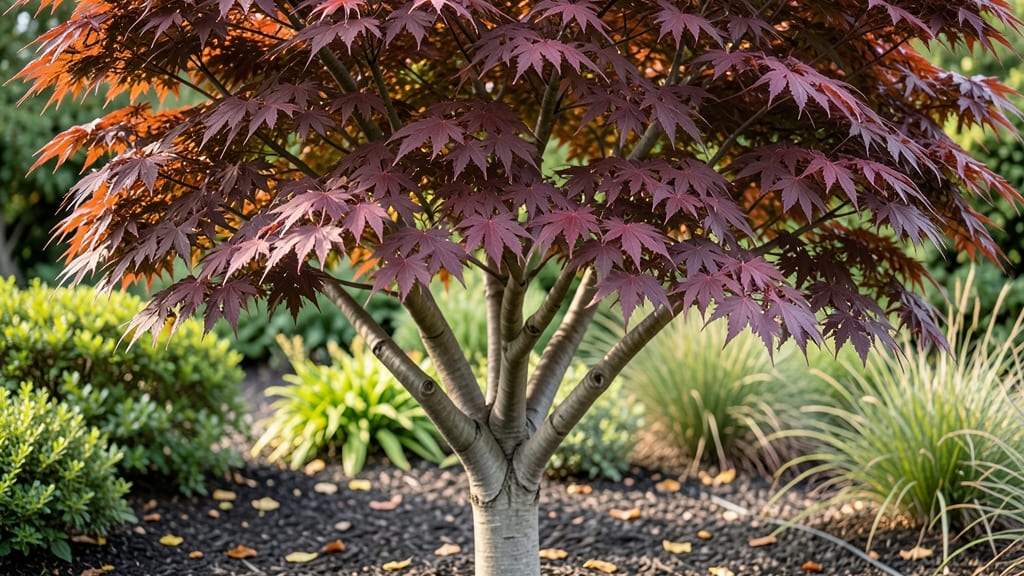
My dwarf maple tree looks like a living sculpture after pruning—those delicate branches hold their shape for years when you prune at the right time. ✨ The secret isn’t just cutting back; it’s understanding how each season affects growth and form.
I’ve learned that a little attention in winter prevents messy regrowth in spring, and summer pruning keeps those graceful layers you love.
You’ll need sharp pruners, a ladder for higher branches, and a clear day to see the tree’s natural shape. Most pruning happens in late winter or early spring, but light shaping in summer keeps it tidy.
The key is removing dead wood first, then thinning crowded branches to let light reach the center—this prevents weak, leggy growth. My tree now has that perfect tiered look without looking overpruned.
By summer’s end, you’ll see new growth filling in gaps just right, with no harsh stubs marring the view. The branches will hold their shape through winter, and next year’s blooms will be even more vibrant.
This method works for Japanese maples too—just adjust timing for your climate. Let’s get those branches looking like art.
Fair warning: Over-pruning in one session stresses the tree. I once cut too much in spring and nearly lost a branch—now I space cuts over a few weeks. For beginners, start with just 10-15% of the foliage at a time.
The goal is refinement, not drastic changes. Your tree will thank you with years of graceful structure.
📚 In This Guide
- What you need
- Instructions
- Tips and common mistakes
- Wrapping up and next steps
What you need
- ● Pruning shears: Bypass pruners (sharp, clean blades) for small branches (4–8 inches). Pro tip: 💡 Sterilize with rubbing alcohol between cuts to prevent disease!
- ● Loppers: For thicker branches (up to 2 inches). Choose bypass-style for precision.
- ○ Hand pruners (optional): For delicate trimming (e.g., removing suckers or dead leaves).
- ● Gloves: Heavy-duty gardening gloves (cut-resistant for safety).
- ● Disposable pruning bags: 1–2 bags (10–15 gallons) to collect clippings.
- ○ Sealing wax (optional): Pruning sealant for larger cuts (½ inch or wider) to prevent pests.
- ● Ladder or step stool: If your tree is 6+ feet tall (ensure stability!).
- ● Weather check: Prune on a dry, overcast day (avoid midday sun).
- ● Safety gear: Safety glasses (for debris) and a dust mask (if allergies are a concern).
- ● Clean workspace: Lay down a tarp or old sheet under the tree for easy cleanup.
- ● Research: Know your tree’s growth habit—dwarf maples (e.g., Acer palmatum ‘Crimson Queen’) thrive with open-centered pruning.
Step-by-step guide to pruning dwarf maple trees for year-round beauty
Here's how to keep your dwarf maple looking stunning without stressing the tree.
✂️ Step 1: Prune in Late Winter for Structural Shape
Wait until mid-to-late February when the tree is still dormant but before new growth begins. This timing lets you see the natural shape while avoiding stress to fresh buds. Grab your pruning shears and start by removing any dead, diseased, or crossing branches at the base. These are easy to spot—they're brown, brittle, or rubbing against other limbs.
Look for branches growing straight upward or inward toward the trunk. These compete for sunlight and weaken the tree's structure. Cut these back to an outward-facing bud or branch using a clean, sharp cut at a 45-degree angle. Never leave stubs—this invites disease. Aim for a balanced, vase-like shape with the widest point at the bottom narrowing slightly toward the top.
🌿 Step 2: Light Summer Maintenance for Airflow
After the initial winter prune, wait until late June or early July for your second cut. This is when your dwarf maple has finished its main growth spurt but before fall's heavy leaf production. Focus on thinning the canopy by removing 20-30% of the smallest branches from the interior. These are the ones that don't receive much sunlight and can become weak.
Use hand pruners for branches under ½ inch thick. For thicker branches, switch to loppers. Always cut just above a leaf bud that faces outward. You'll know you're doing it right when you can see light filtering through the canopy from above. This prevents fungal issues by improving airflow and sunlight penetration to the lower branches.
⏰ Step 3: Fall Cleanup for Winter Readiness
In October or early November, do a final light prune to remove any suckers that may have sprouted at the base and any branches that look weak or diseased. This is also the time to shape up any branches that grew too vigorously during summer. Look for branches that are growing too close together or those that might interfere with sidewalks, windows, or other structures.
Make your cuts just above a bud that's facing the direction you want the branch to grow. Avoid heavy pruning now—you don't want to stimulate new growth that won't have time to harden off before winter. After pruning, clean your tools with rubbing alcohol to prevent spreading any potential diseases between cuts.
☀️ Step 4: Year-Round Checks for Health
Throughout the year, do quick monthly inspections to catch any issues early. In spring, look for any branches that died over winter and need removal. In summer, watch for signs of stress like yellowing leaves or leaf curl—these can indicate pest issues or improper watering. A healthy dwarf maple should have vibrant green leaves with no brown edges or spots.
Water deeply once a week during dry spells, giving the tree about 1-2 gallons depending on its size. Mulch around the base with 2-3 inches of organic mulch, keeping it several inches away from the trunk. This helps retain moisture and regulates soil temperature. Your goal is to create an environment where the tree can focus its energy on developing strong, graceful branches rather than fighting off stress.
Tips & tricks for perfect dwarf maple tree pruning
Here's what I learned after years of shaping these delicate beauties without causing stress.
Timing is Everything: The mid-to-late February window is critical because you're working with a dormant tree that can't be shocked by new growth. I've seen people prune too early in winter when buds are still vulnerable, or too late when sap starts flowing. Check your local hardiness zone—the farther north you are, the later you can safely prune before buds swell. A simple rule: if you see buds starting to plump up, you've waited too long.
The 45-Degree Angle Secret: That precise angle isn't just about looks—it's about directing water runoff away from the cut. I learned this the hard way when stubborn stubs led to rot. Use a sharp pruning shear and make your cut just above an outward-facing bud. The angle creates a natural water channel while encouraging new growth in the direction you want. For thicker branches, consider using a three-cut method to prevent bark tearing.
Summer Pruning Strategy: When you're thinning that 20-30% of interior branches in late June, focus on removing the smallest ones first. These are the branches that won't be missed but will make the biggest difference in airflow. I like to work on overcast days when temperatures are cooler—this reduces stress on the tree. After each cut, step back and look at your tree from all angles to visualize the light penetration you're creating.
Fall Cleanup Insight: The October-November prune should be minimal—think of it as tidying up rather than reshaping. I've made the mistake of doing too much in fall and ended up with tender new growth that didn't harden off properly. Always clean your tools between cuts with rubbing alcohol, especially when dealing with diseased branches. This simple step prevents cross-contamination that could spread to healthy parts of your tree.
Pro Tips for Dwarf Maple Tree
- Here's what I learned after years of shaping these delicate beauties without causing stress.
- Timing is Everything: The mid-to-late February window is critical because you're working with a dormant tree that can...
- The 45-Degree Angle Secret: That precise angle isn't just about looks—it's about directing water runoff away from the...
Frequently asked questions
Got questions about keeping your dwarf maple tree looking its best? We’ve got answers!
Whether you're a pruning pro or a curious beginner, these FAQs will help you care for your tree with confidence.
When is the best time to prune a dwarf maple tree?
The ideal time to prune is late winter or early spring (before buds swell) to encourage healthy growth. Light trimming can also happen in summer if needed, but avoid heavy cuts then. Pruning in fall may stimulate tender new growth that won’t survive winter. Pro tip: Always sterilize tools to prevent disease!
Can I prune a dwarf maple tree in winter?
Yes, but only if necessary—like removing broken or diseased branches. Avoid heavy pruning in winter, as the tree is dormant and vulnerable. If you must trim, do so on mild, dry days to reduce stress. Wait for spring for shaping to avoid shocking the tree.
How do I encourage bushier growth in a dwarf maple?
To promote fullness, prune just above a leaf bud (not bare wood) and avoid cutting back to old wood. Focus on thinning out sparse branches rather than shearing. Fertilize lightly in spring with balanced, slow-release fertilizer to support new growth. Patience is key—dwarf maples grow slowly but reward careful pruning!
What should I avoid when pruning a dwarf maple?
Skip these mistakes:
- Over-pruning: Never remove more than 25% of the canopy at once.
- Topping: Cutting the main stem back drastically stunts growth and weakens the tree.
- Ignoring dead wood: Always remove diseased or dead branches immediately.
- Pruning in wet weather: Damp tools spread bacteria—clean blades after every cut!
Are there alternatives to pruning for shaping a dwarf maple?
If pruning feels overwhelming, try these gentle methods:
- Supportive training: Use soft ties to guide young branches into place.
- Selective fertilization: Boost growth in sparse areas with root stimulator.
- Container adjustments: If potted, rotate the tree occasionally for even sunlight exposure.
Wrapping up and next steps
Pruning your dwarf maple tree year-round isn’t just about aesthetics—it’s about nurturing its health and ensuring those stunning, graceful branches thrive for years to come! 🌿 Whether you’re trimming in spring, summer, or winter, the key is patience, precision, and a little love.
With the right tools, techniques, and timing, you’ll unlock a tree that’s not only beautiful but resilient too.
Ready to take the next step? Start small—pick one season to focus on first, master those cuts, and gradually build your confidence. Before you know it, your dwarf maple will be the star of your garden! 🌟 Happy pruning!