
Pruning
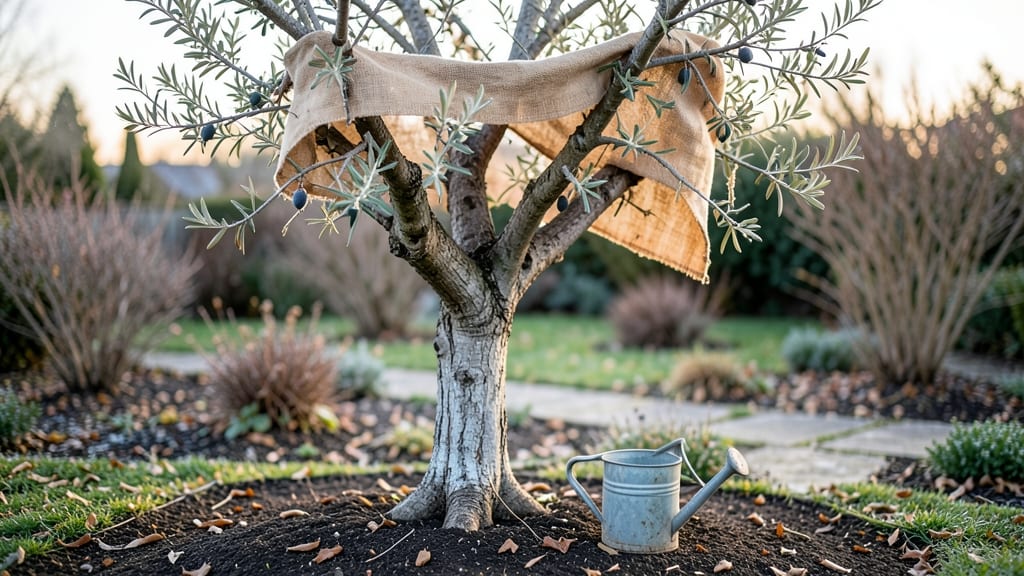
Your olive tree’s winter survival starts with olive tree care in winter—not just waiting it out, but actively preparing for dormancy. I’ve learned the hard way that skipping this step means brittle branches and stunted growth by spring.
The key is understanding what olive trees truly need when temperatures drop: less water, strategic pruning, and protection from freezing winds.
Most people overwater in winter, thinking the tree needs hydration to survive cold snaps. Actually, olive trees enter dormancy and require only occasional deep watering—about once every 4-6 weeks unless your region gets heavy frost.
Pair that with a thick layer of mulch (3-4 inches) to insulate roots, and you’ll see stronger regrowth when spring arrives.
Pruning in winter isn’t just about shaping—it’s about removing dead wood and encouraging new growth. Focus on open-center pruning to improve airflow, which cuts down on fungal risks. In colder zones, wrap the trunk with burlap or use frost cloth for young trees.
The payoff? A tree that wakes up in spring bursting with energy, not struggling to recover.
Regional differences matter: Mediterranean olives handle winter better than northern varieties, but even they need adjustments. For example, coastal areas with mild winters can skip heavy mulching, while inland zones need extra protection.
Start with these basics, and your olive tree will thank you with vibrant green leaves and abundant fruit next season.
📚 In This Guide
- What you need
- Instructions
- Tips and common mistakes
- Wrapping up and next steps
What you need
- ● Pruning shears – Bypass pruners (sharp, 6-8 inch blades) for clean cuts on small branches.
- ● Loppers – Heavy-duty, 18-24 inch for thicker branches (2+ inches in diameter).
- ○ Pruning saw – Curved-tooth or bow saw for large branches (optional but helpful for mature trees).
- ● Disinfectant (70% isopropyl alcohol or pruning sealant) – Small spray bottle or wipe to sterilize tools between cuts.
- ● Garden gloves – Cut-resistant, waterproof (one pair) for safety.
- ● Heavy-duty trash bags – 2-3 large bags (13-gallon or bigger) for pruned debris.
- ○ Mulch (optional but recommended) – 3-4 inches of organic mulch (straw, wood chips, or pine needles) to insulate roots.
- ● Ladder – Sturdy, extendable (if tree is over 6 feet tall).
- ● Tree wrap or frost cloth – For young or tender olive trees in freezing climates.
- ○ Soil thermometer – To monitor root-zone temps (optional for cold regions).
- ● Compost or slow-release fertilizer – Balanced 10-10-10 or olive-specific blend (apply sparingly in early spring).
Step-by-Step guide to winterizing olive trees for resilience
Winter care determines next year's harvest—here's how to protect your olive trees through dormancy.
Assess and Prune for Winter Hardiness
Begin by removing any dead, diseased, or crossing branches with clean, sharp pruning shears. I focus on thinning the canopy to improve airflow, which prevents fungal issues during winter's damp periods. Prune only when temperatures are above 40°F—cold sap slows healing, making cuts vulnerable to infection.
Look for branches that grew excessively during the last season—they're more prone to winter damage. Cut back to the nearest outward-facing bud or lateral branch. Avoid heavy pruning; olive trees respond poorly to drastic cuts during dormancy. Your goal is to shape, not renovate. Once pruned, rake up and dispose of all debris to eliminate overwintering pests.
Apply Protective Mulch and Soil Amendments
Spread a 3-4 inch layer of organic mulch—like wood chips or straw—around the tree's base, extending it 12-18 inches outward. This insulates roots from freezing temperatures while retaining moisture. I avoid fresh wood chips, as they can draw nitrogen from the soil; opt for well-aged compost or shredded leaves instead.
Gently loosen the top 6 inches of soil around the trunk with a broad fork, then mix in 1-2 inches of compost. This boosts microbial activity, which helps roots process nutrients even in cold soil. Water deeply after amending to help settle the soil and encourage root growth. The mulch should cover but not touch the trunk—this prevents rot while protecting the root flare.
Shield Against Cold Winds and Frost
Olive trees tolerate cold better than wet conditions, so windbreaks are critical. Install a burlap or frost cloth barrier on the tree's north or northwest side, where cold winds typically strike. Secure it loosely—you want airflow to prevent moisture buildup, but enough obstruction to reduce wind chill. For young trees or container-grown olives, wrap the trunk with tree wrap to prevent frost cracks.
If your region experiences hard freezes (below 20°F), consider adding a circular frame covered with clear plastic over the canopy. This creates a microclimate that traps heat. Remove it during the day if temperatures rise above 50°F to prevent overheating. Monitor the tree weekly—if branches show signs of frost damage (brown, brittle wood), prune them out in early spring before new growth begins.
Adjust Watering for Dormancy
Reduce watering significantly during winter—olive trees need far less moisture when dormant. Water only when the soil feels dry 4-6 inches deep, typically every 4-6 weeks unless your region experiences prolonged dry spells. Overwatering in winter leads to root rot, especially in heavy or poorly drained soils. I use a soil probe to check moisture levels; if it comes out clean, hold off on watering.
For container-grown olives, reduce watering to once every 3-4 weeks, and never let the pot sit in standing water. Move containers to a sheltered location if possible, like a garage or under an eave, to protect them from freezing temperatures. A 10-20% reduction in winter watering compared to summer keeps roots healthy without stressing the tree.
Fertilize Strategically for Spring Prep
Apply a low-nitrogen, balanced fertilizer (like 5-5-5) in early to mid-winter, around January or February, depending on your climate. This gives roots a slow-release boost without encouraging premature growth. I avoid high-nitrogen fertilizers in winter—they can stimulate tender shoots that won't survive cold snaps. Sprinkle the fertilizer evenly over the root zone and water it in deeply.
For established trees, use 1-2 pounds of fertilizer per inch of trunk diameter. For younger trees, halve that amount. The goal is to support root development, not top growth. If your soil is sandy or poor, add a compost top-dressing in late winter to further enrich the root zone. Avoid fertilizing if the ground is frozen—roots won't absorb nutrients until temperatures rise.
Tips & tricks for perfect olive tree winter care
Winterizing olive trees isn't just about survival—it's about setting the stage for next year's bounty. These practical insights will help you avoid common pitfalls and maximize your tree's resilience.
Pruning Precision: In Step 1, when you're assessing branches, focus on removing only what's necessary—never more than 25% of the canopy at a time. Olive trees are sensitive to over-pruning during dormancy, which can stress the tree and reduce next season's fruit production. I've seen trees recover from poor pruning, but the recovery takes years and often results in smaller harvests. Make your cuts just outside the branch collar (the swollen area where the branch meets the trunk) to ensure proper healing.
Mulch Depth Matters: The 3-4 inch layer of mulch in Step 2 serves two critical purposes: insulation and moisture retention. For best results, use a mix of wood chips and straw—this combination provides both structure and organic matter breakdown. Here's what I've learned: if your mulch is too thin (less than 2 inches), it won't provide adequate insulation, while anything thicker than 4 inches can smother the roots. Also, remember to pull mulch away from the trunk—it should form a doughnut shape around the base, not touch the bark.
Windbreak Strategy: When installing frost cloth in Step 3, position it to catch the prevailing winds in your region—not just north winds. I've had to adjust my setup after a particularly harsh winter when winds came from the west. The key is to create a barrier that reduces wind chill without creating a stagnant air pocket. For trees in exposed areas, consider adding a second layer of frost cloth for extreme cold events. And remember: the barrier should be secured loosely enough to allow some airflow—complete enclosure can lead to moisture buildup and fungal issues.
Fertilizer Timing: The early to mid-winter application window in Step 5 is crucial because it allows roots to absorb nutrients before spring growth begins. I've found that applying fertilizer too early (before December) can stimulate premature growth that won't survive cold snaps, while waiting too long (after February) misses the optimal root development window. For trees in colder climates, consider using a slow-release fertilizer to extend the nutrient availability period. And always water fertilizer in deeply—this helps wash nutrients into the soil where roots can access them.
Pro Tips for Olive Tree Care Winter
- Winterizing olive trees isn't just about survival—it's about setting the stage for next year's bounty. These practica...
- Pruning Precision: In Step 1, when you're assessing branches, focus on removing only what's necessary—never more than...
- Mulch Depth Matters: The 3-4 inch layer of mulch in Step 2 serves two critical purposes: insulation and moisture rete...
Frequently asked questions
Got questions about keeping your olive tree thriving through winter? You’re not alone—here are some of the most common concerns and straightforward answers to help you navigate the dormant season with confidence!
Do olive trees need extra water in winter?
Not usually! Olive trees are drought-tolerant and enter dormancy in winter, so they require far less water than in summer. Overwatering can lead to root rot—water only when the top 2-3 inches of soil are completely dry (about once every 3-4 weeks, depending on your climate). If potted, reduce watering even further.
How cold is too cold for olive trees?
Most olive trees (like the common Olea europaea) can handle brief dips to 20°F (-6°C), but prolonged exposure below 15°F (-9°C) risks damage. If you’re in a frost-prone zone, mulch heavily (4-6 inches of straw or wood chips) and wrap the trunk with burlap. Young trees or tender varieties need extra protection—like a frost cloth or indoor relocation for potted trees.
Should I prune my olive tree in winter?
Yes! Winter (late fall to early spring) is the best time to prune olive trees because they’re dormant. Focus on removing dead, diseased, or crossing branches first, then shape the tree for airflow. Avoid heavy pruning—stick to no more than 25% of the canopy at once to prevent stress. Pro tip: Sterilize your pruners with rubbing alcohol to avoid spreading disease!
What if my olive tree’s leaves turn brown or drop in winter?
Brown or dropping leaves are usually normal during dormancy, but if it’s excessive (especially with yellowing or wilting), check for overwatering, pests (like spider mites), or frost damage. Trim affected branches and monitor soil moisture. If the tree is potted, ensure it’s in a spot with some winter sunlight—olive trees still need light, even in colder months!
Can I move a potted olive tree indoors for winter?
Only if it’s small! Mature potted olive trees (5+ feet tall) struggle indoors due to low humidity and light. If you must move it, choose a bright, cool room (50–60°F) near a south-facing window and avoid heating vents. For larger trees, keep them outdoors but protect them with a frost blanket or move to a sheltered spot. Warning: Sudden temperature changes can shock the tree—acclimate it gradually over a week.
Wrapping up and next steps
Caring for your olive tree in winter isn’t just about survival—it’s about setting the stage for vibrant growth and bountiful harvests next season! 🌱 By protecting it from cold snaps, pruning strategically, and nurturing its roots, you’re giving your tree the best possible start.
Think of winter as a reset button—a chance to trim, mulch, and prep for spring like a pro.
Ready to put these tricks into action? Grab your gloves, dust off that pruner, and give your olive tree the TLC it deserves. Next up: Check out our spring care guide to keep the momentum going! 🌿