
Pruning
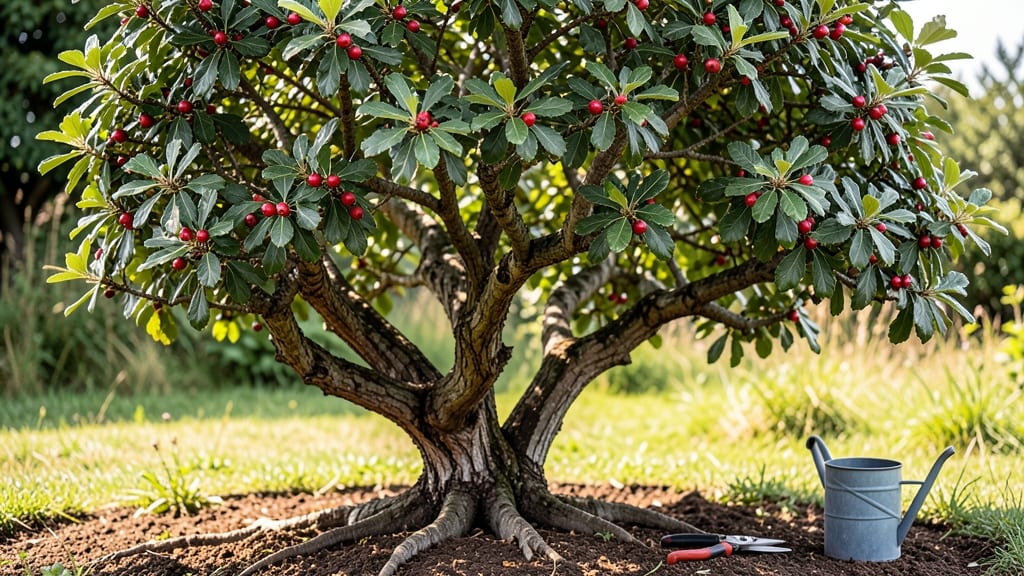
Ohio's native hawthorn trees (Crataegus spp.) are the unsung heroes of our landscapes—tough, beautiful, and packed with ecological benefits—but they need the right pruning to thrive year-round.
I’ve spent years watching these trees transform from scraggly saplings into sturdy, flowering powerhouses in my backyard, and the key is knowing when and how to cut. Hawthorns reward patience: their thorny branches deter deer, their spring blooms feed pollinators, and their berries support birds through winter. The trick?
Pruning isn’t just about shaping—it’s about health and resilience, especially in Ohio’s variable climate.
Start with the basics: clean, sharp pruners and a clear goal. Remove dead or crossing branches first—they’re the weak points where pests or disease can sneak in. Then, thin out crowded areas to let sunlight reach the center, which keeps the tree strong and encourages those iconic white blossoms.
Ohio’s native varieties like Crataegus mollis (downy hawthorn) and Crataegus coccinioides (scarlet hawthorn) handle pruning well, but timing matters. Late winter or early spring, before buds swell, is ideal—you’ll avoid stressing the tree and give it time to heal before summer’s heat.
And here’s the secret: prune gradually. A little each year keeps the tree balanced without shocking it.
What you’ll end up with is a hawthorn that’s nearly indestructible—one that blooms reliably, resists Ohio’s pests (like spider mites or scale), and even improves your soil over time. The berries will turn birds into your garden’s cleanup crew, and the dense foliage provides shade for smaller plants.
Best of all, you’ll spend less time fixing problems and more time admiring how these native trees outperform trendy imports. Ready to turn your hawthorn into a low-maintenance showstopper? Let’s get those pruners sharp and start shaping.
Ohio’s climate throws a few curveballs—like late frosts or humid summers—but hawthorns handle them better than many ornamentals. If you’re in the southern part of the state, prune a touch later to avoid early spring freezes. For northern Ohio, focus on air circulation to prevent fungal issues.
And don’t overlook the roots: mulch lightly to keep moisture steady, but avoid piling it against the trunk. These trees are built to last, and with the right care, yours will stand as a living legacy for decades. Now, let’s make that first cut.
📚 In This Guide
- What you need
- Instructions
- Tips and common mistakes
- Wrapping up and next steps
What you need
- ● Pruning shears (bypass type): Sharp, clean, and disinfected (for small branches, up to ½ inch thick). Pro tip: 💡 Invest in high-quality shears like Felco or Fiskars—they’ll last years!
- ● Loppers (bypass or anvil): For branches ½ to 1½ inches thick. Look for ratcheting models for extra leverage.
- ● Pruning saw (curved blade): For branches over 1½ inches thick. A bow saw or pruning saw with a 16–20-inch blade works best.
- ○ Extension pole (optional but helpful): A 10–12-foot telescoping pole with a saw attachment for high branches.
- ● Gloves (cut-resistant): Leather or heavy-duty gardening gloves to protect your hands from thorns and rough bark.
- ● Safety glasses: Essential to shield your eyes from debris.
- ● Disinfectant (70% isopropyl alcohol or bleach solution): 1 part bleach to 9 parts water to sterilize tools between cuts (prevents disease spread).
- ● Rubbing alcohol or hand sanitizer: For cleaning hands after handling sap or thorns.
- ● Heavy-duty trash bags or bucket: For collecting pruned branches and debris (hawthorn thorns are sharp—handle with care!).
- ● Ladder (if needed): A stable, extendable ladder (rated for your weight) for taller trees. Safety first! 🔥
- ● Tree wound dressing (not always recommended): Some gardeners use pruning sealant, but research suggests hawthorn trees heal well without it—only apply if the cut is large (>2 inches).
- ○ Marking spray (paint): White or colored spray paint to mark cuts for future reference (optional for complex pruning).
- ● Knee pads or stool: For comfort if you’ll be working on the ground for extended periods.
- ● First-aid kit: Just in case—hawthorn thorns can draw blood!
Instructions for pruning Ohio native hawthorn trees
Here’s how I keep my hawthorn thriving—simple cuts that boost blooms and health.
Time Your Pruning for Peak Growth
Prune hawthorns in late winter or early spring before buds swell—this is when they’re dormant but ready to rebound. Avoid pruning in fall, as new growth won’t harden off before winter. In Ohio’s climate, this usually means February to March, when temperatures stay above 30°F but before leaves emerge.
If you must prune later, wait until after flowering (late spring) to avoid cutting off next year’s blossoms. Hawthorns bloom on old wood, so timing matters. Look for tight buds along branches—they’re your signal to start.
Remove Dead, Diseased, or Crossing Branches First
Start by cutting out dead wood—branches that snap when bent or have no bark. Use clean, sharp pruners to make 1/4-inch cuts just outside the branch collar (the swollen area where the branch meets the trunk). This prevents disease from spreading into healthy tissue.
Next, remove crossing or rubbing branches—these create wounds that invite pests. Look for branches growing toward each other; the smaller one should go. If two branches are equal in size, cut the one with the worse angle. You’ll know you’re on track when the tree’s structure opens up to sunlight.
Thin Out to Improve Airflow and Light
Hawthorns naturally grow dense, but thinning branches keeps them healthy. Select 1 in 3 branches to remove, focusing on older, thicker stems first. Aim for a balanced shape—no branch should be more than 1/3 the diameter of the trunk at its base.
Make cuts at a 45-degree angle just above an outward-facing bud. Avoid leaving stubs, as they rot and attract insects. Step back often to check your work—you want sunlight to reach the center of the tree. A well-thinned hawthorn will have fewer but stronger branches by next season.
Shape for Structure and Safety
Lightly shape the tree by shortening overly long branches to maintain its natural form. Cut back to a bud or lateral branch—never leave a stub. For large branches (over 2 inches thick), use three cuts: undercut, then top-cut, and finally clean up the stub.
If your hawthorn has grown too tall, reduce height gradually over 2–3 years. Never cut more than 1/3 of the tree’s height in one season. After pruning, rake up and dispose of debris to prevent disease. A properly shaped hawthorn will reward you with vibrant blooms and lush foliage for years.
Clean and Monitor After Pruning
Sterilize your tools with rubbing alcohol or a 10% bleach solution to prevent spreading disease. Inspect the tree for sawker flies or borers—common pests in Ohio. If you see holes or sap, treat with neem oil or insecticidal soap as needed.
Water deeply once a week for the next month to help the tree recover. Mulch around the base with 2–3 inches of organic mulch (like shredded bark) to retain moisture. Check pruning cuts in 6–8 weeks—they should have healed over, leaving only a small scar.
Tips & tricks for pruning Ohio native hawthorn trees
Real talk: Pruning hawthorns isn't rocket science, but these small details make all the difference between a healthy tree and one struggling to recover.
Timing is Everything: That February-March window is critical because it gives the tree time to heal before Ohio's spring rains arrive. If you're unsure about temperatures, check the National Weather Service forecast—aim for days when lows stay above 30°F but before those tight buds begin to swell. I've seen hawthorns pruned too early in cold snaps develop frost cracks at the cuts.
Tool Preparation Matters: Sterilizing your pruners between cuts is non-negotiable. I keep a small bottle of rubbing alcohol in my tool belt and wipe blades after every 3-4 cuts, especially when dealing with diseased branches. For larger branches, I use my loppers for 1-2 inch diameter branches and the pruning saw for anything thicker—this prevents the tools from getting bogged down.
Visual Cues for Pruning: When thinning branches in Step 3, look for the sunlight test—after removing a branch, step back and see if light reaches the center of the tree. You should be able to see through to the other side of the canopy. Also, when making your 45-degree cuts, position the blade so you can see the outward-facing bud clearly—this ensures new growth will point away from the center, improving airflow.
Post-Pruning Recovery: That once-a-week watering for a month is crucial, but don't overdo it. I use a soaker hose set to deliver about 1 gallon per week directly to the root zone. The mulch layer acts like a blanket—it keeps roots cool in summer and insulated in winter, which is especially important for Ohio's unpredictable climate where we can swing from freezing nights to 80°F days.
Pro Tips for Hawthorn Tree Ohio
- Real talk: Pruning hawthorns isn't rocket science, but these small details make all the difference between a healthy ...
- Timing is Everything: That February-March window is critical because it gives the tree time to heal before Ohio's spr...
- Tool Preparation Matters: Sterilizing your pruners between cuts is non-negotiable. I keep a small bottle of rubbing a...
Frequently asked questions
Got questions about caring for your hawthorn tree in Ohio? You’re not alone! Whether you're a first-time pruner or a seasoned gardener, these answers will help you keep your tree thriving year-round. Let’s dive in:
When is the best time to prune a hawthorn tree in Ohio?
The ideal time to prune your hawthorn tree is late winter or early spring (February–March), just before new growth begins. This timing minimizes stress on the tree and prevents disease spread. Avoid heavy pruning in fall, as it can stimulate tender growth that may not survive winter’s chill. Pro tip: Light shaping pruning in summer (June–July) is fine, but avoid major cuts during this period.
How do I prune a hawthorn tree to encourage flowering?
Hawthorn trees flower on old wood, so focus on removing dead, diseased, or crossing branches rather than aggressive thinning. Prune selectively to improve airflow and sunlight penetration, which boosts blooms. Avoid cutting back more than 25% of the canopy in one season—this keeps the tree healthy and flowering strong. Fun fact: Over-pruning can reduce next year’s flowers!
What should I do if my hawthorn tree has brown or dead branches?
Dead or brown branches are a red flag! Use sharp pruners to cut them back to healthy green wood (about 6–12 inches from the branch collar). Sterilize your tools with rubbing alcohol between cuts to prevent disease. If you notice large patches of dieback or oozing sap, your tree might be infected—consult a local arborist for a diagnosis. Warning: Never leave stubs; clean cuts heal faster.
Are there alternatives to hawthorn trees for Ohio’s climate?
If hawthorns seem high-maintenance, consider these Ohio-friendly alternatives with similar beauty and resilience:
- Serviceberry (Amelanchier): Thrives in partial shade, produces edible berries, and has stunning fall color.
- Crabapple (Malus): Low-maintenance, disease-resistant varieties like ‘Adirondack’ offer year-round interest.
- Eastern Redbud (Cercis canadensis): Fast-growing, with vibrant spring blooms and heart-shaped leaves.
- Dogwood (Cornus florida): Classic Ohio native with showy flowers, but needs well-drained soil.
How do I prevent hawthorn trees from becoming too dense or overgrown?
Regular light pruning (2–3 times per year) keeps hawthorns manageable. Focus on:
- Removing water sprouts (shoots growing upward from the trunk or branches).
- Thinning out inner branches to improve airflow and reduce disease risk.
- Shaping the tree to open the canopy for sunlight to reach the ground.
Still stumped? Drop your hawthorn woes in the comments—we’re happy to help!
Wrapping up and next steps
From understanding the ideal timing for pruning to mastering the right tools and techniques, caring for your hawthorn tree in Ohio is all about patience and precision. 🌿 These native beauties reward you with vibrant blooms and sturdy resilience when given the right attention—so roll up your sleeves and enjoy the process!
Ready to transform your yard? Start small: pick a sunny day, gather your tools, and give your hawthorn the love it deserves. Your future blooms will thank you!