
Planting
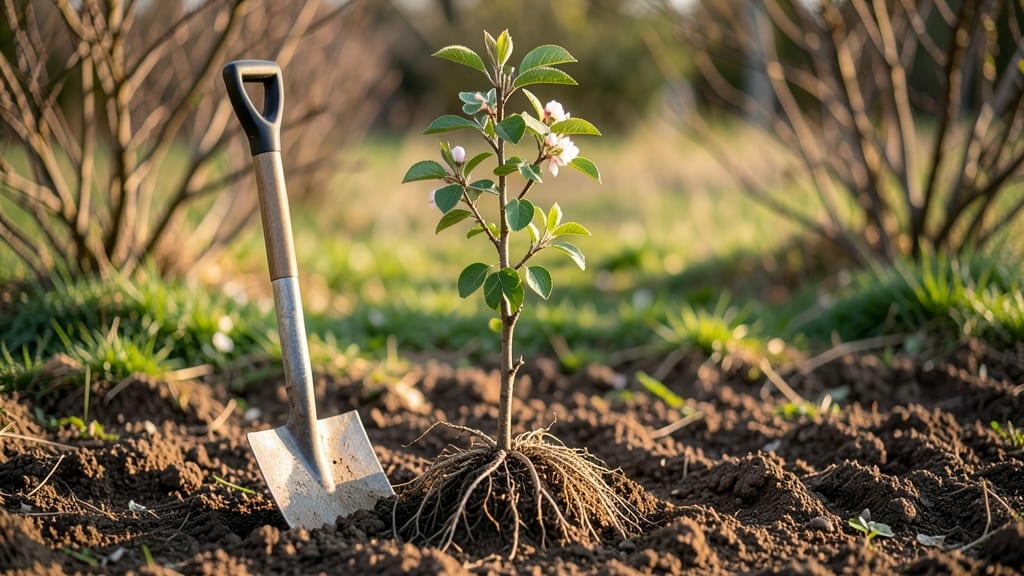
Learn how to plant an apple tree step by step—because nothing beats the smell of fresh fruit on a summer afternoon. 🌳 I learned the hard way that cramped roots and poor drainage turn even the best varieties into weak, spindly trees.
The secret isn’t just digging a hole; it’s creating a root-friendly zone that mimics the tree’s natural habitat.
You’ll need a 6-foot-deep hole, compost-amended soil, and a dwarf or semi-dwarf variety (like ‘Honeycrisp’ or ‘Gala’) for smaller spaces. The right tree thrives for decades, so skip the cheap nursery scraps—look for 1-2 year old bare-root trees with strong, white roots.
Planting in early spring or fall gives roots time to establish before extreme weather hits.
After planting, you’ll watch as the tree sends out new shoots within weeks, and by year three, you’ll have your first harvest. The key is consistent watering (1-2 inches per week) and mulching to lock in moisture. Even beginners can nail this—just avoid overwatering and compacted soil.
This method works in USDA Zones 4-8, with cold-hardy varieties for northern climates and heat-tolerant ones for the South. Whether you’re planting a single tree or a mini orchard, the same principles apply. Let’s get those roots in the ground!
📚 In This Guide
- What you need
- Instructions
- Tips and common mistakes
- Wrapping up and next steps
What you need
- ● Apple tree: Choose a dwarf, semi-dwarf, or standard variety (dwarf trees are ideal for small spaces). Select a bare-root sapling (fall/winter) or a container-grown tree (spring/summer).
- ● Shovel or spade: A round-point shovel (18–24 inches wide) for digging the planting hole.
- ● Garden trowel: For finer adjustments to the soil.
- ● Pruning shears: Bypass pruners (sharp and clean) to trim roots or branches.
- ● Compost or well-aged manure: 5–10 gallons to enrich the soil.
- ● Organic mulch: 3–4 inches of wood chips, straw, or shredded leaves to retain moisture.
- ○ Tree stake (optional but recommended): A 1-inch diameter stake, 4–6 feet tall, for support.
- ● Garden hose or watering can: With a spray nozzle for gentle watering.
- ● Planting hole: Dig a hole twice as wide as the root ball and as deep (or slightly shallower for container-grown trees).
- ● Root stimulator: A mycorrhizal fungus or seaweed-based gel to boost root growth.
- ● Tree guard or wire mesh: To protect young trees from rabbits or deer.
- ● Slow-release fertilizer: 10-10-10 NPK ratio (apply sparingly in early spring).
- ● Soil pH tester: Apple trees thrive in slightly acidic soil (pH 6.0–6.5).
- ● Tree collar protector: A plastic or metal guard to prevent lawnmower damage.
Step-by-step guide for planting an apple tree
Here's the method I've used to establish healthy, productive apple trees—no guesswork involved.
🌱 Step 1: Choose the Right Location and Prepare the Soil
Apple trees thrive in full sun—select a spot that receives at least 6-8 hours of direct sunlight daily. Avoid low-lying areas where cold air pools, as frost damage can harm young trees. Dig a planting hole that's twice as wide as the root ball but only as deep—planting too deep suffocates the roots.
Amend the native soil with 2-3 inches of compost mixed into the bottom of the hole. Apple trees prefer slightly acidic to neutral soil (pH 6.0-7.0). If your soil is heavy clay, add 1-2 inches of coarse sand to improve drainage. Tap the sides of the hole gently to remove air pockets before placing the tree.
🪴 Step 2: Plant the Tree at the Correct Depth
Remove the tree from its container and loosen any circling roots with your fingers—this encourages outward growth. Position the tree so the graft union (the swollen area where the scion was attached) sits 2-3 inches above the soil line. This prevents the roots from rotting if the soil settles.
Place the tree in the hole and backfill with native soil mixed with compost, firming gently as you go. Leave a 4-inch-wide basin around the base to capture water. Never use garden soil from your yard—it may contain pests or diseases that stress the young tree. Water deeply to settle the soil and eliminate air pockets.
☀️ Step 3: Stake and Mulch for Support and Protection
Use two stakes driven into the ground on opposite sides of the tree, about 6 inches from the trunk. Attach the tree to the stakes with soft tree ties—never use wire or anything that can cut into the bark. The goal is to stabilize the tree without restricting growth. Leave enough slack to allow the trunk to sway slightly in the wind.
Spread 3-4 inches of organic mulch (like wood chips or straw) in a 3-foot-wide circle around the base, keeping it 6 inches away from the trunk. Mulch conserves moisture and regulates soil temperature, but too much against the bark invites rot. Water the tree again to help the mulch settle and make contact with the soil.
💧 Step 4: Water and Monitor for Early Growth
Water the tree deeply once a week during the first growing season, providing 10-15 gallons total. The soil should be moist 6 inches down—use a trowel to check. Overwatering is just as harmful as underwatering; let the top 2 inches of soil dry out between waterings. Avoid wetting the leaves to prevent fungal diseases.
Watch for new leaf growth within 4-6 weeks—this signals the tree has established roots. If the leaves yellow or wilt, adjust your watering. Apply a balanced fertilizer (10-10-10) in early spring to encourage strong root and shoot development. Prune only to remove dead or crossing branches; avoid heavy pruning in the first year.
Tips & tricks for planting an apple tree
Here's what I've learned after years of planting apple trees—and how to avoid the mistakes that derail beginners.
Location Intelligence: The 6-8 hours of sunlight requirement isn't just about sunlight—it's about consistent warmth. South-facing slopes get more sunlight and better drainage, which apple trees adore. If your yard has limited sun, consider planting near a south-facing wall that reflects warmth. I've seen trees in partial shade grow, but they produce smaller fruit with less color and sugar.
Soil Science: That 2-3 inches of compost isn't just filler—it's where the magic happens. Mix in a handful of bone meal (optional) for phosphorus to encourage root growth right from planting. For clay soil, the 1-2 inches of coarse sand creates tiny air pockets that roots need to breathe. Pro tip: Test your soil's pH before planting—if it's outside 6.0-7.0, add sulfur to lower pH or lime to raise it gradually over months.
Graft Union Protection: The 2-3 inches above soil line for the graft union is non-negotiable, but here's the secret: mark it with a paint pen before planting so you can verify placement after backfilling. This swollen area contains the tree's genetic blueprint for fruit quality—burying it invites rot. I've seen gardeners accidentally plant too deep, and within weeks, the tree shows signs of stress.
Mulch Mastery: That 3-4 inches of mulch might seem like overkill, but it's your tree's winter blanket. Spread it wider (3 feet out) than you think—roots spread horizontally before they grow deep. The key is keeping it 6 inches from the trunk to prevent rot. For extra insulation in cold climates, add an extra inch of mulch in late fall, but remove it in spring to avoid overheating.
Pro Tips for Plant An Apple Tree Step By Step
- Here's what I've learned after years of planting apple trees—and how to avoid the mistakes that derail beginners.
- Location Intelligence: The 6-8 hours of sunlight requirement isn't just about sunlight—it's about consistent warmth. ...
- Soil Science: That 2-3 inches of compost isn't just filler—it's where the magic happens. Mix in a handful of bone mea...
Frequently asked questions
Got questions about planting your apple tree? You’re not alone! Here are answers to the most common concerns—so you can plant with confidence and avoid rookie mistakes.
When is the best time to plant an apple tree?
The ideal time is early spring (just before buds swell) or fall (4–6 weeks before frost). Spring planting gives roots time to establish before summer heat, while fall planting avoids summer stress. Avoid planting in extreme heat or freezing temperatures.
Can I plant an apple tree from a seed?
Technically yes, but it’s not recommended for fruit production. Seed-grown trees take 10+ years to bear fruit (if ever) and may not match the parent tree’s quality. Instead, buy a grafted tree from a nursery for consistent, tasty apples faster!
How do I protect my apple tree in winter?
Young trees need extra care! Wrap the trunk with tree guard or burlap to prevent rodent damage. Mulch the base with 3–4 inches of organic matter (like wood chips) to insulate roots. Avoid heavy snow buildup on branches—gently shake it off to prevent breakage.
Why aren’t there any apples on my tree after 2–3 years?
Patience is key! Most apple trees need 3–5 years to bear fruit. Ensure it’s pollinated (plant two compatible varieties nearby) and gets 6–8 hours of sunlight. Over-fertilizing or improper pruning can also delay fruiting—check your care routine!
What if my tree’s leaves turn yellow or wilt?
Yellow leaves often signal overwatering or nutrient deficiency (like iron or nitrogen). Wilted leaves could mean underwatering or root rot. Adjust watering (deep but infrequent) and test soil pH (ideal: 6.0–7.0). Fungal issues? Prune affected branches and apply copper fungicide.
Wrapping up and next steps
Planting an apple tree is a rewarding journey that blends patience with the joy of nurturing life. By following these step-by-step instructions, you’ve set the stage for a thriving orchard—whether you’re a seasoned gardener or a curious beginner.
Now, all that’s left is to watch, care, and savor the sweet fruits of your labor!
Your next logical step? Mark your calendar for seasonal pruning, soil checks, and—most importantly—enjoy the process! With time, your apple tree will grow stronger, and those first crisp, juicy apples will make every effort worthwhile. 🍏✨