
Pruning
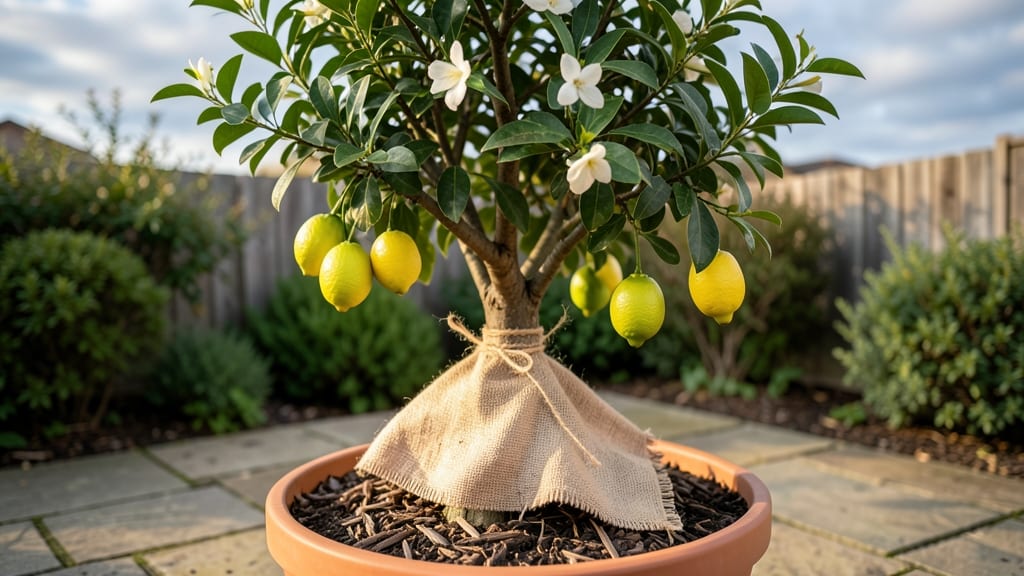
Wrapping your lemon tree for winter isn’t just about survival—it’s about setting up next year’s vibrant blooms and sweet fruit while keeping your tree alive through the cold.
I learned the hard way that skipping this step in Zone 7 left my young tree with frost-bitten branches, and now I treat winter wrapping like a non-negotiable ritual. The key isn’t just covering the tree—it’s creating a breathable, insulating cocoon that mimics the microclimate lemons thrive in.
You’ll need burlap or frost cloth (not plastic—trapped moisture kills more trees than frost), twine or clips to secure it, and stakes or a frame to keep the wrap from touching the branches.
For mature trees, add mulch around the base to protect roots, while young trees benefit from extra padding around the trunk. The goal is to insulate without suffocating—think of it like dressing your tree for a brisk hike, not a sauna.
Start wrapping 2-3 weeks before your first frost, when nights dip below 35°F, and remove it gradually in early spring once daytime temps consistently stay above 50°F.
You’ll notice the difference immediately: leaves stay lush, new growth appears earlier, and your tree bounces back from winter stress like it’s been on vacation. The payoff? A tree that fruits more reliably and lives longer—because winter protection isn’t just damage control, it’s an investment in next summer’s harvest.
For container-grown lemons, move pots to a sheltered spot and wrap the entire pot in bubble wrap or insulating foam—just don’t seal it airtight. And here’s the secret most gardeners miss: water deeply before wrapping to reduce winter stress, but cut back on irrigation once the ground freezes.
Your tree will thank you in spring with glossy new leaves and the promise of lemons to come.
📚 In This Guide
- What you need
- Instructions
- Tips and common mistakes
- Wrapping up and next steps
What you need
- ● Burlap or frost cloth: 10–15 feet (enough to fully wrap the tree’s height and width, with overlap). Opt for breathable fabric to prevent moisture buildup.
- ● Twine or garden tape: 50–100 feet (for securing the wrap tightly without damaging the trunk or branches). Avoid plastic ties—they can cut into bark.
- ● Stakes or wooden dowels: 4–6 pieces (to hold the wrap in place, especially for larger trees). Use untreated wood to avoid chemical exposure.
- ● Pruners or sharp scissors: 1 pair (to trim excess wrap material neatly if needed).
- ● Spray bottle with water: 1 (to lightly mist the tree before wrapping, reducing dust and helping the fabric adhere).
- ● Tree wrap (plastic or paper): 1 roll (applied under the burlap to protect the trunk from sun scald and pests).
- ● Insulating foam tubes: 2–4 pieces (for wrapping the trunk if your climate experiences extreme cold or wind).
- ● Reflective bubble wrap: 1 sheet (to add an extra layer of insulation around the trunk or branches).
- ● Mulch (straw, pine needles, or shredded leaves): 2–3 inches (spread around the base of the tree for added root protection).
- ● Waterproof sealant: 1 small bottle (to seal gaps in the wrap if using multiple layers).
Step-by-Step instructions for winterizing your lemon tree
Protecting your citrus tree from cold snaps ensures it thrives for years to come.
Choose the Right Wrapping Materials
Lemon trees need breathable, insulating materials that protect without suffocating. I recommend burlap sacks or frost cloth rated for 10°F protection, available at garden centers. Avoid plastic—it traps moisture and causes rot. Cut the material 12-18 inches wider than your tree’s height to allow for overlap and a loose fit.
If your tree is in a container, move it to a sheltered spot like a garage or under an eave before wrapping. Cold air sinks, so elevated pots stay warmer. For in-ground trees, focus on the trunk and canopy, where frost damage first appears. You’ll see the difference in spring when wrapped branches bloom while exposed ones wither.
Wrap the Trunk for Frost Protection
Start by wrapping the trunk and main branches with bubble wrap or tree wrap (not plastic sheeting). Secure it tightly with twist ties or cloth strips—gaps let cold air penetrate. I like to add a 2-inch layer of mulch around the base (for in-ground trees) to insulate roots. For potted trees, wrap the pot itself with insulation foam to prevent heat loss from the soil.
Pay special attention to the graft union (the bump where the scion meets the rootstock)—this is the most frost-sensitive part. Cover it with extra layers if your winters dip below 25°F. A quick test: If you can’t feel warmth radiating from the trunk after wrapping, add another layer. The goal is to maintain soil temperatures above 40°F at all times.
Cover the Canopy to Preserve Leaves
Once the trunk is protected, drape the burlap or frost cloth over the entire canopy, securing it loosely with clips or stakes. Don’t pull it tight—citrus trees need airflow to avoid fungal issues. Leave the top open slightly if temperatures are only dipping to 30°F, as a little ventilation prevents condensation buildup.
For severe freezes (below 28°F), add a second layer or drape a clear plastic sheet over the top (but leave it loose to avoid trapping heat). Watch for ice formation—this means the tree is too cold. If you see frost forming on the outside of the wrap, it’s working. If frost appears on the inside, remove the cover immediately to prevent leaf burn.
Monitor and Adjust for Temperature Shifts
Check your tree every 2-3 days during cold snaps, especially if forecasts predict rapid temperature drops. If nighttime temps plunge below 25°F, add blankets or straw around the base for extra insulation. I keep a thermometer near the trunk to track soil temps—if it drops below 40°F, I rewrap immediately.
Remove covers gradually in spring when daytime temps stay above 50°F. Start by uncovering the top for a few hours, then progress to full removal over 3-5 days. Sudden exposure can shock the tree. You’ll know it’s time when new growth appears—bright green leaves mean the tree has survived winter and is ready to flourish.
Tips & tricks for winterizing lemon trees
Winterizing your lemon tree properly means the difference between a thriving citrus grove and a sad, frostbitten stump. Here’s how to avoid common pitfalls and ensure your tree survives the cold.
Material Selection Matters: While burlap and frost cloth are ideal, you can also use old blankets or even thick towels in a pinch—just avoid anything synthetic that traps moisture. The key is breathability; if you see condensation forming on the inside of the wrap, it’s too tight. I’ve seen gardeners use cardboard boxes with ventilation holes for potted trees, which works surprisingly well for short freezes.
Layering is Critical: In Step 2, when wrapping the trunk, don’t skimp on layers—especially if your forecast dips below 25°F. I’ve learned this the hard way: a single layer of bubble wrap won’t cut it when temps plummet. For extreme cold, combine bubble wrap with a thick layer of burlap. The goal is to create a microclimate where the trunk stays above 40°F, even if outdoor temps drop well below freezing.
Monitoring Soil Temperature: The thermometer near the trunk isn’t just for show—it’s your early warning system. If soil temps approach 40°F, your insulation needs reinforcement. I keep a small digital thermometer buried near the roots (for in-ground trees) and another wrapped around the trunk. When both read consistently above 40°F, I know the tree is safe. For potted trees, check the soil temperature through the drainage holes if possible.
Gradual Unwrapping in Spring: Removing covers too quickly can shock the tree just as much as sudden cold. In Step 4, when daytime temps hit 50°F, start by uncovering just the top for a few hours each day. Watch for new growth—those bright green leaves are your signal that the tree has adjusted. I’ve seen trees go into shock when gardeners rush to remove all wraps at once, so patience here pays off in spring blooms.
Pro Tips for Wrap A Lemon Tree For Winter
- Winterizing your lemon tree properly means the difference between a thriving citrus grove and a sad, frostbitten stum...
- Material Selection Matters: While burlap and frost cloth are ideal, you can also use old blankets or even thick towel...
- Layering is Critical: In Step 2, when wrapping the trunk, don’t skimp on layers—especially if your forecast dips belo...
Frequently asked questions
Got questions about wrapping your lemon tree for winter? You’re not alone! Here are answers to the most common concerns—so you can protect your citrus with confidence.
When is the exact best time to wrap my lemon tree?
Wrap your lemon tree before the first hard frost hits your area (typically late fall, around October–November in most zones). If you’re in a mild climate (zones 9–11), wait until temperatures dip below 40°F (4°C)March–April.
Can I use plastic wrap or old blankets instead of burlap?
Nope! Avoid plastic—it traps moisture and can burn the tree. Instead, opt for burlap, frost cloth, or breathable fabric. If you’re in a pinch, use undyed cotton sheets (lightweight and porous). Just skip anything synthetic or non-breathable.
What if my lemon tree is in a pot? Does wrapping still work?
Potted lemon trees need extra love! Wrap the pot and tree with frost cloth or bubble wrap, then move it to a garage, shed, or insulated porch (keep temps above 45°F/7°C). If outdoors, bury the pot in straw or mulch to insulate roots. Avoid wrapping too tightly—allow airflow!
My tree’s leaves are brown after wrapping—did I do it wrong?
Brown leaves often mean over-wrapping or poor airflow. Check for:
- Loose, breathable material (not suffocating the tree).
- No plastic or sealed surfaces.
- Proper spacing between layers (1–2 inches).
Do I need to prune before wrapping my lemon tree?
Pruning after wrapping is ideal—focus on dead, diseased, or overcrowded branches in late winter/early spring. Avoid heavy pruning now, as it stresses the tree before winter. If you must prune, do it before the first frost and seal cuts with pruning sealant.
Still unsure? Drop your specific zone or tree size in the comments—we’re happy to help troubleshoot!
Wrapping up and next steps
Wrapping your lemon tree for winter is a simple yet powerful way to protect it from frost and ensure it thrives for years to come.
By gathering the right materials—like frost cloth, burlap, or even old blankets—and following the steps carefully, you’re giving your tree the best chance to bounce back strong in spring. Don’t let winter catch you off guard—take action now!
Ready to give your lemon tree some extra love? Start by checking your local frost dates and gathering supplies today. With a little prep, you’ll be well on your way to a healthier, happier tree—and maybe even more lemons next season! 🌱🍋