
Trees
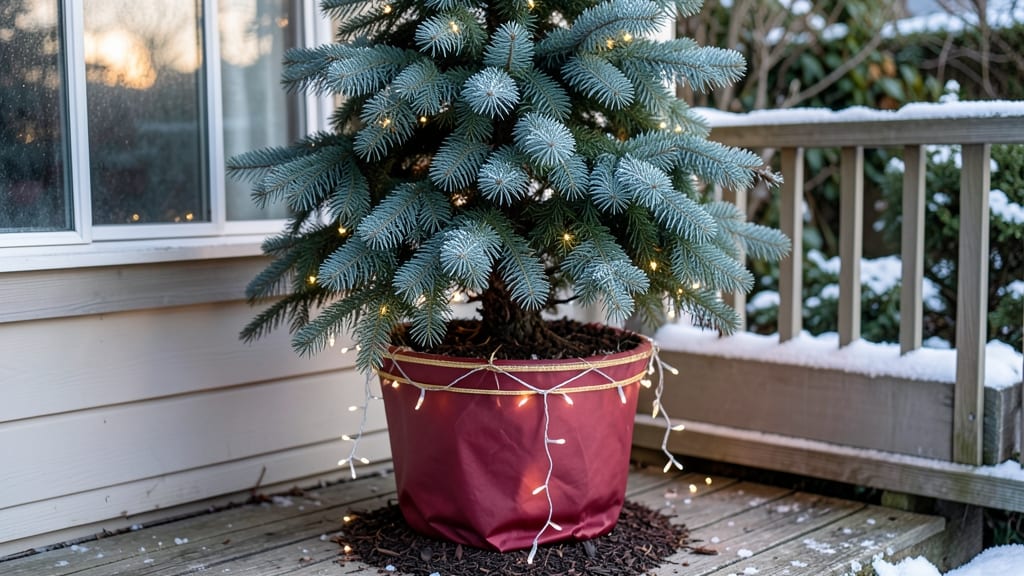
Nothing beats the magic of live Xmas trees in pots—they turn holiday decor into a year-round garden feature, no sad discards after December! 🌲 I’ve kept mine thriving through three Christmases by treating them like houseplants with seasonal adjustments, and the best part?
They’re ready to replant or repurpose instead of ending up in the curb.
The secret is choosing the right varieties—Norway spruce, Fraser fir, or Colorado blue spruce all adapt well to containers. You’ll need a 15-gallon pot with drainage, well-draining soil, and a spot that gets full sun during growing seasons.
Watering is key: keep soil moist but never soggy, especially as temperatures drop.
By summer, your tree will look lush and full, ready for a second holiday display or a permanent spot in your garden. Prune lightly in early spring to encourage bushier growth, and fertilize monthly with a balanced formula.
The payoff? A tree that brings joy year after year, not just for one December.
Bonus: After the holidays, move your tree outside to harden off, then plant it in the ground or keep it in a larger pot. With the right care, it’ll grow into a stunning evergreen for decades—no mess, just magic. Here’s how to make it happen without the stress.
📚 In This Guide
- What you need
- Instructions
- Tips and common mistakes
- Wrapping up and next steps
What you need
- ● Live Christmas tree (potted) – Choose a Norfolk spruce, Fraser fir, or Colorado blue spruce (3–6 ft tall, depending on space). Opt for a #3 or #5 container (12–18" diameter) for stability.
- ● High-quality potting mix – A blend of peat moss, perlite, and pine bark (or a well-draining, acidic mix like Fafard). 1–2 bags (2–3 cu. ft. each) per tree.
- ● Drainage solution – Terracotta pots with drainage holes (or repurpose plastic grow bags with added holes). Size up from the nursery pot (e.g., 16" diameter for a 4-ft tree).
- ● Slow-release fertilizer – Osmocote 14-14-14 or Espoma Holly-Tone (apply 2–3 tbsp per gallon of soil).
- ● Watering can or hose with gentle nozzle – Avoid over-saturating roots.
- ● Pruning shears – Bypass pruners (sharp, clean) for shaping and dead branch removal.
- ○ Mulch (optional but helpful) – Pine bark or wood chips (1–2" layer) to retain moisture and mimic forest floor.
- ● Gloves – Garden gloves to protect hands from sap and soil.
- ○ pH tester kit – Ensure soil stays acidic (pH 4.5–6.0) (optional but ideal).
- ● Tree support (if needed) – Stakes or a tripod for tall trees in windy areas.
- ● Holiday decor (safe for live trees!) – LED string lights (warm white), fabric ornaments, or non-toxic spray snow.
- ● Indoor-outdoor thermometer – Monitor temps if moving trees between spaces.
- ● 💡 Skip the plastic wrap! Live trees hate suffocation—let them breathe.
- ● 🌡️ Keep temps consistent: Avoid drastic shifts (e.g., 60–70°F indoors → 30°F outdoors).
- ● 🎯 Water wisely: Check soil moisture daily—pots dry out 3x faster than ground soil!
Step-by-Step instructions for growing live Christmas trees in containers
Here's how to keep your holiday centerpiece alive and thriving year after year.
🪴 Step 1: Select the Right Tree and Pot
Choose a tree variety suited for containers like dwarf Alberta spruce or Fraser fir. These stay small enough for pots—typically under 6 feet tall at maturity. Avoid large species like Scotch pine; their root systems outgrow containers quickly.
Pick a container with drainage holes at least 12-18 inches deep and 24-36 inches wide for each tree. I use half whiskey barrels or large ceramic pots—they hold moisture better than plastic. The pot should be 3-4 inches wider than the root ball when you plant. Lining the bottom with 2 inches of gravel prevents root rot by keeping roots above standing water.
🌱 Step 2: Prepare the Soil and Planting Site
Fill the pot with 6-8 inches of high-quality potting mix (never garden soil—it compacts and suffocates roots). Mix in 1 cup of slow-release fertilizer per pot to feed the tree for months. I like to add ½ cup of perlite to improve drainage, especially for trees that hate soggy roots.
Remove the tree from its nursery container and loosen the roots gently with your fingers. If roots are circling, make 2-3 vertical cuts to encourage outward growth. Place the tree in the pot so the root ball sits 1-2 inches below the rim—this prevents water from spilling over when you water.
💧 Step 3: Water and Establish the Tree
Water immediately after planting until water runs freely from the drainage holes. This settles the soil and removes air pockets around the roots. In the first week, check soil moisture daily—live Christmas trees in pots dry out faster than in-ground trees. Stick your finger 2 inches deep; if it feels dry, water again.
Place the pot in partial shade for the first 2-3 weeks to reduce stress. Too much sun burns needles, and too little causes leggy growth. Once established, move it to full sun (6+ hours daily) for best needle color and growth. I keep mine on a covered patio or under a shade cloth until new growth appears.
☀️ Step 4: Maintain Through the Seasons
Water deeply every 5-7 days in summer, reducing to every 10-14 days in winter when growth slows. Overwatering is the #1 killer—yellow needles or dropping branches mean you're watering too much. Let the top 1-2 inches of soil dry out between waterings.
Fertilize once in early spring with a balanced, slow-release fertilizer (10-10-10). Avoid high-nitrogen fertilizers—they encourage soft, weak growth that snaps easily. Prune brown or damaged branches in late winter to keep the tree looking fresh. I use clean, sharp pruners and seal cuts with pruning sealant to prevent disease.
⏰ Step 5: Prepare for the Holiday Season
Start 2-3 weeks before Christmas by moving the tree indoors to a cool, humid space like a garage or basement. This hardens it off for the transition. Once inside, place it in a bright, draft-free room (60-65°F) and water every 3-4 days—indoor air is drier and dries out pots faster.
To keep it lush, mist the needles 2-3 times a week with room-temperature water. Avoid placing it near heat vents or fireplaces—needles dry out and turn brown within days. After the holidays, return it outdoors gradually over 5-7 days to prevent shock. I take it out for 1 hour daily, increasing time until it's back outside full-time.
Tips & tricks for perfect live Christmas trees in pots
Real talk: Growing live Christmas trees in containers isn't just possible—it can be a game-changer for your holiday decor. Here's what I've learned after keeping mine alive for years.
Pot Selection Matters: The 12-18 inch depth and 24-36 inch width aren't just suggestions—they're non-negotiable for proper root development. I've tried smaller pots, and the trees struggle to establish themselves. Ceramic pots actually help maintain moisture better than plastic, which can dry out faster. That 2-inch gravel layer at the bottom is crucial too—it prevents water from sitting at the roots, which causes rot.
Root Care Technique: When you notice those circling roots in Step 2, don't just pull them apart—make clean, vertical cuts with sharp pruners. This encourages outward growth instead of tangled roots that strangle themselves. I've seen trees double in size after just one season when I did this properly. And that 1-2 inch gap below the rim? It's not optional—it prevents water from spilling over when you water.
Seasonal Transition Strategy: The 2-3 week partial shade period in Step 3 is your tree's chance to acclimate. Too much sun burns needles, while too little causes leggy growth. I use a shade cloth that blocks 30-50% of sunlight during this critical period. Once established, full sun gives you that vibrant green color we all love, but only after the tree's built up some resilience.
Holiday Prep Timing: Starting the indoor transition 2-3 weeks before Christmas is perfect because it gives your tree time to adjust. I've made the mistake of moving trees too close to the holiday, and they always show it with needle drop. The gradual 5-7 day outdoor reintroduction after the holidays prevents shock—think of it like a reverse acclimation period. That 60-65°F indoor temperature range is ideal because it mimics natural conditions without stressing the tree.
Pro Tips for Live Xmas Trees In Pots
- Real talk: Growing live Christmas trees in containers isn't just possible—it can be a game-changer for your holiday d...
- Pot Selection Matters: The 12-18 inch depth and 24-36 inch width aren't just suggestions—they're non-negotiable for p...
- Root Care Technique: When you notice those circling roots in Step 2, don't just pull them apart—make clean, vertical ...
Frequently asked questions
Got questions about keeping your live Christmas tree in pots thriving year-round?
You’re not alone! Here are the most common concerns—and straightforward answers—to help you enjoy your festive greenery without the stress.
Can I keep a potted Christmas tree indoors all year, or does it need outdoor time?
A potted Christmas tree can stay indoors year-round, but it will need fresh air and sunlight to stay healthy. Aim for at least 4–6 hours of indirect light daily and open windows or a balcony for ventilation. If you’re in a dim space, supplement with grow lights to prevent needle drop. Pro tip: Rotate the pot weekly so all sides get light!
How long can I keep a live potted Christmas tree before it needs replanting?
Most potted Christmas trees (like Nordmann or Fraser fir) can thrive in the same pot for 3–5 years if properly cared for. After that, roots may outgrow the container, leading to stress. Signs it’s time to upgrade: Roots circling the pot, slow growth, or needles turning brown. Repot in early spring with fresh soil and a slightly larger container.
What’s the best way to decorate a potted Christmas tree without damaging it?
Skip heavy ornaments, ice, or lights that stay on 24/7—these can dry out the tree. Opt for lightweight, natural decorations like pinecones, fabric ribbons, or battery-operated fairy lights. Avoid piercing the needles with hooks; instead, use adhesive hooks or hang decorations from branches. Bonus: Mist the tree occasionally to keep needles lush!
Why are my potted Christmas tree’s needles turning brown? Is it dying?
Brown needles usually mean dry air, underwatering, or stress. Check these first:
- Watering: Soil should stay evenly moist (not soggy). Tap the pot—if it’s light, water it.
- Humidity: Use a humidifier or place the pot on a tray of pebbles with water nearby.
- Pests: Inspect for spider mites or aphids (wipe needles with soapy water if needed).
Can I use a potted Christmas tree as a bonsai or keep it small long-term?
Yes! With regular pruning and root trimming, you can shape your tree into a bonsai-style specimen. Prune in late winter or early spring before new growth starts. Use sharp shears to trim 1/3 of the roots when repotting to encourage bushiness. Feed with a balanced fertilizer (like 10-10-10) every 4–6 weeks during growing season.
Wrapping up and next steps
Bringing the magic of Christmas into your home year-round with live potted Xmas trees is simpler—and greener—than you think! These versatile trees not only add festive charm but also thrive indoors with the right care, turning your space into a cozy holiday haven without the post-holiday cleanup.
Whether you’re a first-time tree owner or a seasoned plant parent, the key is consistency—watering, light, and a little love keep them lush and lively.
Ready to transform your space? Start by picking your perfect tree, gathering your supplies, and following the steps above. Then, check out our pro tips to troubleshoot common issues and keep your tree flourishing for seasons to come.
Here’s to a home that’s always bright, green, and full of holiday joy! 🎄✨