
Pruning
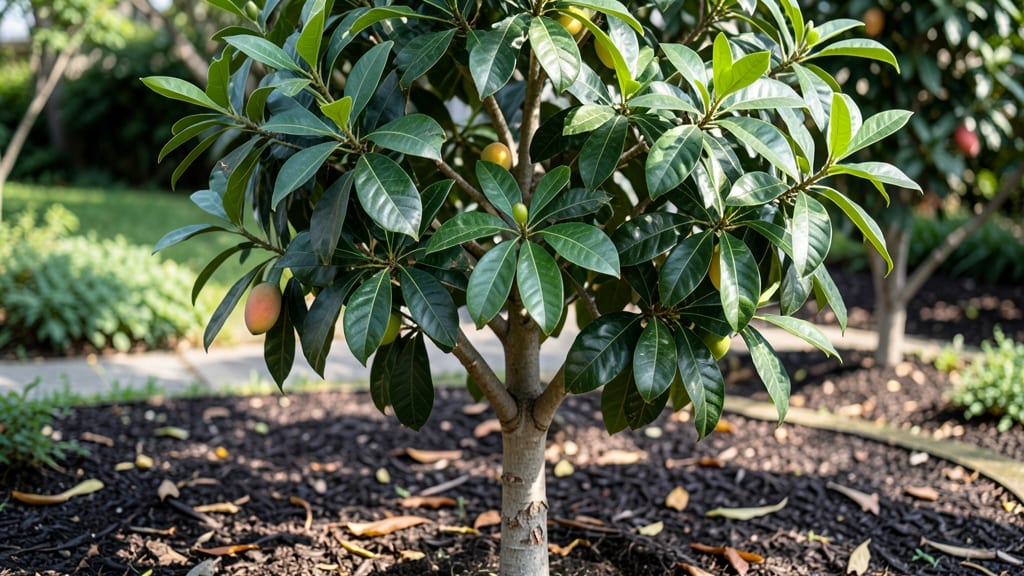
Growing a miniature mango tree indoors means tropical fruit on your kitchen counter—no backyard required. 🌱 I’ve nurtured my own for three years, and the secret isn’t just the right pot or soil, but knowing when to prune for those sweet, sun-ripened fruits year-round.
The first time I tasted a mango from my living room, I knew I’d never buy store-bought again.
Dwarf varieties like ‘Cogshall’ or ‘Julie’ stay under 10 feet tall, making them perfect for containers. You’ll need well-draining soil, a pot with drainage holes, and a sunny spot (or grow lights) for 6+ hours daily.
Water when the top inch of soil feels dry, but avoid soggy roots—they’re the #1 killer of potted mango trees. Prune in late winter to shape the tree and encourage fruiting branches.
By summer, you’ll see glossy leaves and tiny white flowers that turn into mangoes—small but packed with flavor.
The tree stays compact, so you can move it indoors when temperatures dip below 50°F. With the right care, you’ll harvest fruit twice a year, and neighbors will ask how you do it. Here’s how to keep yours thriving:
Container gardening works best in zones 10-11, but grow lights extend the season anywhere. Just watch for pests like scale insects and keep the air circulating around the leaves. The first year is about establishing roots; by year two, you’ll be picking fruit. Ready to start your own tropical oasis?
📚 In This Guide
- What you need
- Instructions
- Tips and common mistakes
- Wrapping up and next steps
What you need
- ● Miniature mango tree (dwarf variety): 1–3 plants (depending on space)
- ● Look for Mangifera indica cultivars like 'Cogshall,' 'Ice Cream,' or 'Julie' (grafted for compact growth)
- ● Well-draining potting mix: 5–10 gallons (depending on pot size)
- ● Blend of cactus/succulent mix + perlite (50/50 ratio) for aeration
- ● Containers: 1–2 pots (12–18 inches wide, with drainage holes)
- ○ Fabric grow bags (optional, for root health)
- ● Pruning tools: 1 pair bypass pruners (sharp, sterilized)
- ● 1 small hand saw (for thicker branches)
- ● 1 pair gloves (to protect from sap)
- ● Fertilizer: Balanced citrus/mango fertilizer (e.g., 6-6-6 NPK)
- ● Slow-release granules or liquid feed (follow label for dosing)
- ○ Support structures (optional): 1–2 bamboo stakes or tree ties (for young trees)
- ● Small trellis (to shape growth)
- ● Sunlight: 6–8 hours of direct sunlight daily (south-facing window or grow lights)
- ● Temperature: Ideal range: 65–85°F (avoid drafts or cold snaps)
- ● Humidity: 40–60% (use a humidifier or pebble tray if air is dry)
- ● Watering setup: Watering can with rose attachment (for gentle watering)
- ○ Moisture meter (optional, to monitor soil)
Step-by-step guide to cultivating a miniature mango tree
Here's how to coax a dwarf mango into bearing fruit reliably—even indoors.
🌱 Step 1: Select the Right Dwarf Variety and Pot
Choose a grafted dwarf mango variety like 'Cogshall' or 'Ice Cream'—these stay under 6 feet tall and fruit in 3-5 years. I always pick a 12-15 inch diameter pot with drainage holes to prevent root rot, which is the #1 killer of container mangoes. The pot needs to be at least 18 inches deep to accommodate the root system.
Use a well-draining cactus/succulent mix—never regular potting soil. Mango roots hate sitting wet. I mix in 20% perlite to create air pockets for those fibrous roots. Fill the pot 2/3 full before planting, leaving room for root growth.
☀️ Step 2: Position for Maximum Light and Temperature
Mangoes need full sun (6-8 hours daily) and warmth (70-90°F) to fruit. Place your tree near a south-facing window or under grow lights for 14 hours daily. If outdoors, move it to a sheltered spot when temperatures drop below 50°F—cold snaps kill the tree.
Watch for leaf drop—this means it's too cold. I keep mine near a heat source in winter, but never in direct drafts. Rotate the pot quarter-turn weekly so the tree grows evenly. You'll see new growth toward the light if it's leaning.
💧 Step 3: Water and Fertilize for Year-Round Fruit
Water deeply every 7-10 days—until water runs out the drainage hole. Let the top 2 inches of soil dry between waterings. Overwatering causes root rot, which smells like rotten eggs. I use a moisture meter to check—40-60% moisture is ideal.
Feed with a balanced citrus/mango fertilizer every 4-6 weeks in growing season, then switch to low-nitrogen fertilizer in winter. You'll see buds forming in spring if the fertilizer is right. Prune any yellow leaves immediately—they drain energy from fruit production.
✂️ Step 4: Prune for Shape and Fruit Load
Prune after fruiting season (late winter) to shape the tree. Cut back overly long branches by 1/3 to encourage bushier growth. I always use sterilized pruners to prevent disease. Remove any suckers (shoots at the base) immediately—they steal energy from fruit.
Thin fruit clusters to 3-4 mangoes per branch when they're golf-ball sized. Overloading weakens the tree. You'll see smaller, sweeter fruit if you thin properly. After pruning, give the tree a light fertilizer boost to recover.
🪴 Step 5: Repot and Overwinter for Long-Term Health
Repot every 2-3 years in spring using fresh cactus mix. Choose a pot 2 inches wider than the last. Gently loosen roots before transplanting—never force them into a tight space. Water lightly after repotting and keep in bright, indirect light for a week.
In winter, reduce watering to every 2-3 weeks and stop fertilizing. Keep the tree in 60-70°F temperatures. You'll see new buds forming in early spring if overwintering was successful. This is when the tree sets next year's fruit.
Tips & tricks for perfect miniature mango cultivation
Real talk: Growing a dwarf mango tree that actually bears fruit takes patience—but these tricks cut years off your wait time.
Light Optimization: That 6-8 hours of daily sun is non-negotiable, but here's the thing: artificial light can supplement when natural light falls short. I use a simple LED grow light on a timer for 2 extra hours in winter—just make sure it's 6-12 inches above the tree to avoid heat damage. The 14-hour light requirement during flowering is critical, so extend your grow light session if your days get shorter than 10 hours.
Soil Science: The 20% perlite mix in your cactus/succulent blend isn't just for drainage—it mimics the tree's natural sandy soil conditions. If you notice water pooling on top after watering, add more perlite or coarse sand. I also top-dress with a thin layer of orchid bark every spring to improve aeration without compacting the roots. This helps prevent that dreaded root rot smell.
Fertilizer Timing: That 4-6 week schedule during growing season is perfect, but here's what nobody tells you—switch to your low-nitrogen fertilizer the moment you see the first flower buds. The shift from high to low nitrogen triggers the tree to focus on fruit production instead of leaf growth. I make this transition around late February in my climate zone, and it's made a huge difference in my fruit yield.
Pruning Precision: When thinning those golf-ball sized fruit clusters to 3-4 per branch, don't just grab and pull—use clean, sharp pruners to make a clean cut at the base of the fruit stem. This prevents disease entry points. I also mark my calendar for the exact date after fruiting season (usually mid-March in my area) to do my annual pruning. The tree's recovery period is when it sets next year's buds, so timing matters.
Pro Tips for Miniature Mango Tree
- Real talk: Growing a dwarf mango tree that actually bears fruit takes patience—but these tricks cut years off your wa...
- Light Optimization: That 6-8 hours of daily sun is non-negotiable, but here's the thing: artificial light can supplem...
- Soil Science: The 20% perlite mix in your cactus/succulent blend isn't just for drainage—it mimics the tree's natural...
Frequently asked questions
Got questions about growing and maintaining your miniature mango tree? You’re not alone! Here are some of the most common queries—plus quick, practical answers to keep your tiny fruit powerhouse thriving.
How fast does a miniature mango tree grow, and when can I expect fruit?
A well-cared-for dwarf mango tree grows about 1–2 feet per year and can produce fruit as early as 2–3 years after planting (sometimes even sooner with proper care!). Patience is key—focus on pruning and sunlight first to encourage healthy growth.
How often should I prune a miniature mango tree, and what’s the best time?
Prune your mini mango tree 2–3 times a year: late winter (to shape and remove dead branches), early spring (to encourage flowering), and after fruiting (to maintain size). Avoid heavy pruning during summer heat—it can stress the tree.
Can I grow a miniature mango tree indoors? What about in pots?
Yes! Dwarf varieties thrive in large containers (15+ gallons) with drainage holes. Place them in a sunny spot near a window (south-facing is ideal) or use grow lights. Move pots outdoors in spring/summer for better fruit production. Pro tip: Use a well-draining potting mix with perlite.
Why aren’t my mango blossoms turning into fruit? Troubleshooting tips?
Common culprits: lack of pollination (hand-pollinate with a brush), temperature stress (mangoes need warm nights, 60°F+), or nutrient deficiencies (use citrus/mango-specific fertilizer). If flowers drop, check for overwatering or pests (like aphids).
What’s the best alternative if I can’t grow a real mango tree?
If climate or space is an issue, try dwarf citrus trees (like calamondins) or ornamental fruit trees like loquat or fig. For mango-like flavor, grow mango chutney herbs (ginger, cilantro, lime) in pots—pair them with your mini mango for a tropical vibe!
Wrapping up and next steps
Growing a miniature mango tree is a rewarding journey that blends artistry with horticulture—especially when you master the precision of trimming. By selecting the right tools, understanding growth patterns, and following seasonal pruning techniques, you’ll unlock year-round fruit production while keeping your tree compact and thriving. 🌱✂️
Ready to take the next step? Start small: observe your tree’s growth and experiment with a single branch this season. Before you know it, you’ll be harvesting sweet, sun-ripened mangoes straight from your backyard—one strategic cut at a time! 🍈