
Landscaping
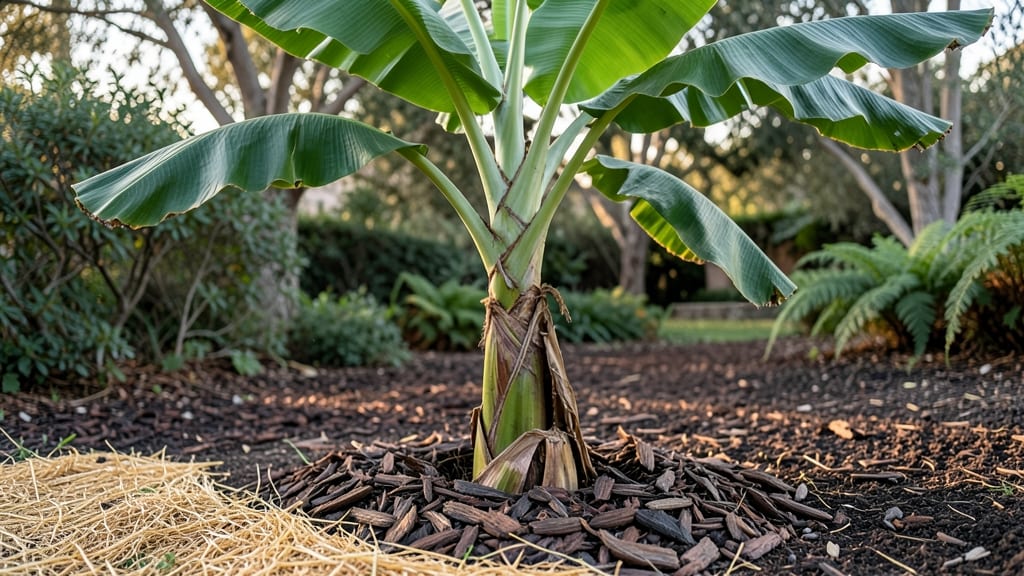
Mulching banana trees isn’t just about looking good—it’s the secret to keeping your tropical plants thriving year-round. 🌱 I learned the hard way when my first banana tree’s roots baked in the summer sun, and the soil around it turned to dust.
The right mulch layer acts like a living blanket, locking in moisture, shielding roots from heat stress, and even feeding the soil over time.
Organic mulches like wood chips, straw, or composted leaves break down slowly, adding nutrients to the soil while inorganic options like gravel or rubber mulch reflect heat and suppress weeds.
For banana trees, I swear by 6-8 inches of organic mulch spread in a 3-foot-wide ring around the base—just keep it a few inches away from the trunk to prevent rot. The key is consistency: reapply every few months as the mulch decomposes.
What you’ll notice within weeks is healthier foliage, fewer weeds, and roots that stay cool even in 100-degree heat. The soil stays moist longer, so you’ll water less, and the mulch acts as a natural fertilizer over time.
Plus, it keeps the roots protected from temperature swings that can shock the plant. Think of it as giving your banana tree a cozy, nutrient-rich hug.
Works for both container-grown bananas (use a shallower layer) and in-ground plants, though tropical climates benefit the most. If you’re in a cooler zone, focus on insulation in winter. Start with this method, and you’ll see the difference in your tree’s growth—and your water bill—by next season.
📚 In This Guide
- What you need
- Instructions
- Tips and common mistakes
- Wrapping up and next steps
What you need
- ● Organic Mulch (Required): Shredded hardwood mulch – 2–4 inches thick (cover entire base, excluding the trunk).
- ● Pine bark fines or straw – 3–5 inches thick (great for drainage).
- ● Grass clippings (fresh or composted) – light layer (1 inch) (avoid if too thick to prevent matting).
- ● Composted leaves – 2–3 inches thick (adds nutrients over time).
- ● Tools (Required): Garden rake – for spreading mulch evenly.
- ● Garden shovel or spade – to clear weeds and level soil.
- ● Hose or watering can – to dampen mulch before application.
- ● Gloves – to protect your hands from sharp edges.
- ○ Optional (But Helpful!): Landscape fabric – to suppress weeds (place under mulch if needed).
- ● Slow-release fertilizer (e.g., banana tree-specific blend) – sprinkle lightly before mulching.
- ● Wood chips (untreated) – for long-term mulching (lasts 2–3 years).
- ● Soil pH tester – to ensure your mulch won’t alter soil acidity drastically.
- ● Prerequisites: Clear the area of weeds and debris within a 2–3 foot radius of the tree base.
- ● Ensure the banana tree is well-watered before mulching.
- ● Check for pests or diseases – treat before applying mulch.
Step-by-Step guide to mulching banana trees effectively
Here's how I protect my banana trees from erosion and heat stress—no fancy tools needed.
🌿 Step 1: Clear and Prepare the Soil Surface
Start by removing any weeds or grass within a 3-foot radius around the banana tree's base. Use your hands or a small hand fork to loosen the top 2 inches of soil—this helps the mulch settle better and improves water penetration. I like to work in small sections so I don't disturb the roots too much.
If the soil feels compacted or hard, add a thin layer of compost (about ½ inch) to the surface before mulching. This gives beneficial microbes a head start and improves drainage. The goal is to create a soft, inviting bed for your mulch to protect.
🌱 Step 2: Apply a Thick Layer of Organic Mulch
Spread a 4-6 inch thick layer of organic mulch—like wood chips, straw, or shredded leaves—around the tree's base. Keep the mulch 6 inches away from the trunk to prevent rot and pests. I use a rake to spread it evenly, making sure it covers the entire root zone.
For banana trees, I prefer wood chips because they break down slowly and retain moisture well. If you're using straw, make sure it's weed-free to avoid introducing unwanted plants. Press the mulch down lightly so it stays in place but doesn't smother the soil.
💧 Step 3: Maintain and Refresh the Mulch Layer
Check the mulch every 2-3 months to see if it's breaking down or thinning out. Banana trees love moisture, so you want to keep the mulch thick enough to retain 2-3 inches of soil moisture at all times. If the mulch looks decomposed or compacted, add a fresh layer.
Here's the thing—banana trees are heavy feeders, so the mulch will eventually decompose and need replacing. I top up with 2-3 inches of fresh mulch in early spring to give the tree a nutrient boost as it starts growing. Just avoid piling mulch against the trunk; keep it in a loose ring.
☀️ Step 4: Monitor for Pests and Adjust as Needed
Keep an eye out for pests like termites or slugs that might hide in the mulch. If you spot any, remove the affected mulch and replace it with fresh material. I also check for signs of rot or mold—if the mulch smells bad or looks slimy, it's time to refresh it.
Banana trees thrive in warm, humid conditions, so your mulch should help regulate soil temperature. If the mulch starts to dry out or crack, water it lightly to keep it moist. The key is balance: enough moisture to protect the roots, but not so much that it drowns the tree.
Tips & tricks for perfect banana tree mulching
Let me save you from the common mistakes I made when first mulching banana trees—these tricks make all the difference.
Soil Prep Matters: In Step 1, when loosening that top 2 inches of soil, focus on the root zone area—not just the surface. I learned this the hard way after mulching over compacted soil, which prevented water from reaching the roots. Use a hand fork to gently break up any hardpan, and if you see roots tangled in weeds, carefully tease them free without pulling the whole plant.
Mulch Layer Precision: The 4-6 inch thickness in Step 2 isn't just a suggestion—it's critical for moisture retention. Too thin, and you won't protect against heat stress; too thick, and you risk suffocating the roots. I like to use a straight board as a guide when spreading wood chips, keeping that 6-inch clearance from the trunk. This prevents rot while still shielding the roots from sun exposure.
Seasonal Refresh Strategy: That 2-3 inch spring top-up in Step 3 is your secret weapon. I schedule it right before the rainy season starts, when banana trees need extra nutrients. Use a mix of fresh wood chips and compost—about 1 inch of each—to give both moisture retention and slow-release nutrients. This timing helps the tree recover from winter dormancy and prepare for fruit production.
Pest Prevention: For Step 4, here's what nobody tells you—termites love fresh mulch. Before applying your new layer, sprinkle a thin dusting of diatomaceous earth around the base (but keep it away from the trunk). It's non-toxic, breaks down termite exoskeletons, and won't harm your banana tree. Check for slug trails at dusk—they're most active then—and remove any eggs you find by hand.
Pro Tips for Mulch For Banana Trees
- Let me save you from the common mistakes I made when first mulching banana trees—these tricks make all the difference.
- Soil Prep Matters: In Step 1, when loosening that top 2 inches of soil, focus on the root zone area—not just the surf...
- Mulch Layer Precision: The 4-6 inch thickness in Step 2 isn't just a suggestion—it's critical for moisture retention....
Frequently asked questions
Got questions about mulching your banana trees?
You’re not alone! Here are answers to the most common concerns—so you can keep your tropical plants thriving with confidence.
What’s the best mulch for banana trees?
Organic mulches like straw, wood chips, or pine bark work best because they retain moisture, regulate soil temperature, and break down to enrich the soil. Avoid fresh sawdust (it can rob nitrogen) or plastic mulch (it traps heat and suffocates roots). Pro tip: Coconut coir is a great tropical-friendly alternative!
When is the best time to mulch banana trees?
Apply mulch after planting (2–3 inches thick) and refresh it every 6–12 months as it decomposes. For established trees, mulch in early spring to protect roots during summer heat. Avoid piling mulch against the trunk—keep it 3–4 inches away to prevent rot.
Can I use too much mulch for banana trees?
Yes! A layer thicker than 4 inches can smother roots, attract pests, or create a fungus-friendly environment. Banana trees prefer well-aerated soil, so stick to 2–3 inches of mulch. If your tree’s leaves yellow or wilt, check for over-mulching or poor drainage.
What if my banana tree’s soil is already rich? Do I still need mulch?
Mulch isn’t just about nutrients—it conserves water, suppresses weeds, and protects roots from temperature swings. Even in fertile soil, mulch acts as a living blanket for your tree. Think of it as insurance for your banana’s health!
My mulch is attracting pests—what should I do?
If you spot ants, termites, or slugs, try these fixes:
- Use coarse mulch (like pine bark) to deter pests.
- Avoid over-moisture—water deeply but less frequently.
- Add diatomaceous earth around the base (safe for plants!).
- Rotate mulch types seasonally to disrupt pest cycles.
If infestations persist, remove old mulch and replace it with fresh, dry material.
Wrapping up and next steps
Choosing the right mulch for your banana trees isn’t just about aesthetics—it’s a game-changer for their health, soil protection, and long-term growth! 🌱 Whether you opt for organic materials like straw or wood chips or go for the convenience of inorganic options, the key is consistency and proper application.
With the right mulch, you’ll shield your banana trees from erosion, retain moisture, and even boost nutrient-rich soil over time.
Now that you’re armed with the knowledge, roll up your sleeves and get mulching! Start small—pick one section of your banana grove, gather your materials, and watch your trees thrive. Happy gardening! 🌿