
Pruning
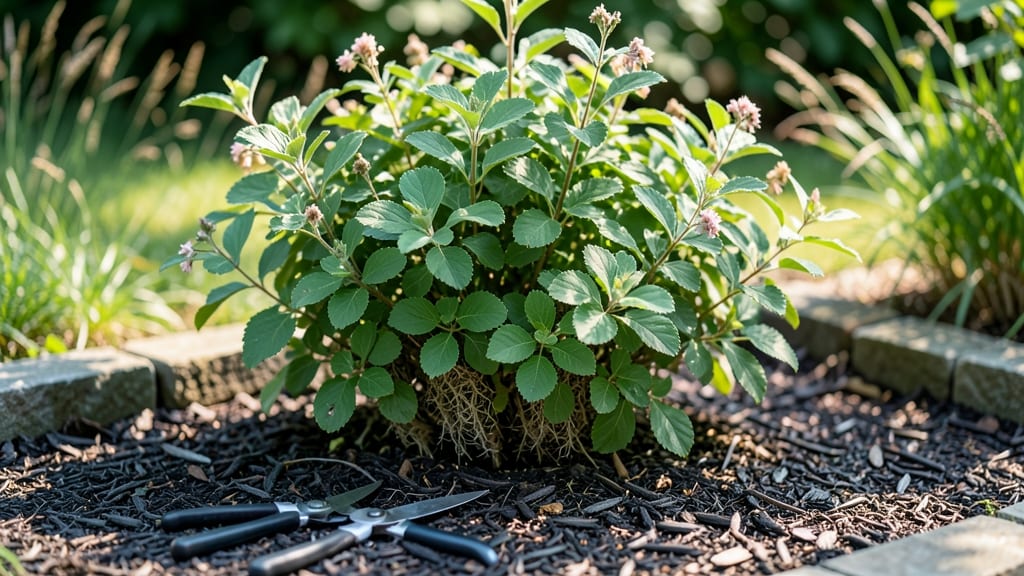
Ninebark tree pruning transforms a wild shrub into a neat, lush focal point—if you time it right. 🌿 I learned the hard way when I over-pruned mine last winter, leaving it looking like a sad, overgrown broomstick.
The secret isn’t just cutting branches; it’s understanding when to prune for maximum blooms and healthy growth.
You’ll need just three tools: sharp pruning shears, loppers for thicker branches, and gloves to protect your hands. The best time to prune is late winter or early spring, right before new growth starts, but you can also do light shaping in summer after flowering.
Ninebarks are forgiving, but timing matters—cut at the wrong season, and you risk stunted blooms or leggy growth.
By following seasonal precision, you’ll end up with a vibrant, bushy ninebark that blooms abundantly and stays compact. The key is removing dead wood first, then thinning out crowded branches to improve airflow.
After pruning, your tree will bounce back with fresh, dark green foliage and clusters of fragrant flowers—just like the one in my backyard that now gets compliments every spring.
This method works for both new and established ninebarks, and the same principles apply whether you’re shaping a small shrub or a tall hedge. With the right approach, your ninebark will thrive for years—no sad, bare branches in sight.
📚 In This Guide
- What you need
- Instructions
- Tips and common mistakes
- Wrapping up and next steps
What you need
- ● Pruning shears: Bypass pruners (for small branches, ¼"–¾" diameter) – 1 pair (look for sharp, stainless-steel blades).
- ● Loppers: For medium branches (¾"–2" diameter) – 1 pair (choose bypass or anvil type with a 6–8" cutting head).
- ● Pruning saw: For thick branches (2"+ diameter) – 1 saw (curved-tooth pruning saw for clean cuts).
- ● Gloves: Heavy-duty gardening gloves (cut-resistant, long cuffs) – 1 pair (protects hands from thorns and sharp tools).
- ● Disinfectant: 70% isopropyl alcohol or a 10% bleach solution – small spray bottle (prevents disease spread between cuts).
- ● Rubbing alcohol wipes: For quick tool sanitization – pack of 50+ (keep handy during pruning).
- ● Ladder or step stool: Sturdy, extendable ladder (for tall trees) – 1 unit (ensure it’s rated for your height/weight).
- ● Tarp or drop cloth: 4’x6’ or larger – 1 piece (collects debris and protects ground).
- ○ Sharpie or pruning sealant: (Optional) For marking cuts or sealing large wounds – 1 bottle.
- ● Extension pole pruners: For high branches (10–12 ft reach) – 1 pair (saves ladder use).
- ● Safety glasses: Protects eyes from debris – 1 pair.
- ● Knee pads: For comfort during ground-level pruning – 1 pair.
- ● Tree wound dressing: (Controversial but useful for large cuts) – 1 tube (use sparingly).
- ● Notebook & pencil: Track pruning notes (dates, cuts made) – 1 small notebook.
Step-by-step guide for pruning ninebark trees at the right times
Ninebark thrives with strategic cuts—here’s how to shape it beautifully year-round.
✂️ Step 1: Late Winter Pruning for Structure and Airflow
Wait until late winter or early spring—just as buds begin to swell—before making your first cuts. This timing ensures you remove dead wood while avoiding the risk of damaging new growth. I always prune on a dry, calm day when the tree isn’t under stress from frost or wind.
Start by removing any dead, diseased, or crossing branches first. Use clean, sharp pruners to make clean cuts just outside the branch collar—the swollen area where the branch meets the trunk. This prevents unsightly stubs and promotes faster healing. If a branch is thicker than ½ inch, use loppers or a pruning saw for a smoother cut.
Next, thin out overcrowded branches to improve airflow and sunlight penetration. Aim to remove no more than 25% of the tree’s foliage in one session—this prevents shock and keeps the plant healthy. You’ll know you’ve done well when light filters through the canopy easily and the tree’s structure looks balanced.
☀️ Step 2: Summer Light Pruning for Shape and Health
Mid-summer is the time for light maintenance pruning—not heavy shaping. Focus on removing any suckers (shoots growing from the base or trunk) and trimming back any overly vigorous growth that’s disrupting the tree’s form. Use hand pruners for smaller branches and loppers for anything thicker.
Here’s the thing—ninebark responds well to shaping, but avoid heavy pruning in summer. Instead, make small adjustments to encourage bushier growth. Pinch back new shoots by ⅓ to ½ their length to promote branching. You’ll notice the tree fills out more densely over time, especially if you’re growing it as a hedge or screen.
Watch for yellowing or wilting leaves—this can signal overpruning or stress. If you see this, pause and let the tree recover before making further cuts. A healthy ninebark should have vibrant green foliage and no signs of pest activity after pruning.
⏰ Step 3: Fall Cleanup to Prepare for Dormancy
As temperatures drop in late fall, focus on removing any remaining dead or diseased branches and cleaning up fallen leaves around the base. This reduces the risk of fungal diseases overwintering in the soil. Use sterilized pruners to avoid spreading pathogens, and dispose of debris in the trash—not the compost pile.
Now’s also the time to thin out any dense growth that might trap moisture over winter. Ninebark’s peeling bark is stunning, but overly thick canopies can lead to rot if water gets trapped. Cut back any water sprouts (fast-growing, vertical shoots) to redirect the tree’s energy into stronger, horizontal branches.
Finally, give the tree a light watering if your region has experienced dry fall weather. This helps the roots establish before dormancy sets in. By winter, your ninebark should look neat, balanced, and free of deadwood—ready to burst back to life in spring.
🌿 Step 4: Post-Pruning Care for Long-Term Health
After pruning, avoid fertilizing for at least 4-6 weeks. The tree needs time to recover from the stress of cutting before absorbing nutrients. Instead, focus on watering deeply—about 1 inch per week—to help the roots heal. You’ll see new growth emerging within 2-3 weeks if the pruning was successful.
Keep an eye out for pests like scale or spider mites, which are more likely to attack stressed trees. If you spot any, treat with neem oil or insecticidal soap early to prevent an infestation. A healthy ninebark should have firm, green stems and no sticky residue (a sign of sap-sucking pests).
Real talk: If you over-prune, the tree might sprout excessive water shoots the next season as it tries to compensate. To avoid this, stick to the 25% rule and always prune just outside the branch collar. With consistent care, your ninebark will reward you with vibrant foliage, stunning bark, and minimal maintenance for years.
Tips & tricks for perfect ninebark tree pruning
Took me years of trial and error to perfect these seasonal pruning strategies—here's what actually works for ninebark trees.
Timing Secret: The late winter timing (just as buds begin to swell) is everything. If you prune too early, you risk damaging emerging growth. I've learned to check for swollen buds by gently pressing the bark—if it yields slightly, that's your cue. For southern climates, aim for February-March; northern gardeners should wait until April. The key is catching that sweet spot between dormancy and new growth.
Tool Precision: Clean, sharp tools make all the difference in ninebark pruning. I've ruined too many cuts with dull pruners that tear instead of cleanly severing branches. Sterilize your tools between cuts using rubbing alcohol to prevent spreading fungal spores. For branches thicker than ½ inch, I always switch to loppers—they give me better leverage and cleaner cuts just outside the branch collar. Never leave stubs, as they invite disease.
Seasonal Strategy: Summer pruning should be minimal—think light maintenance only. The 25% rule from Step 1 applies here too, but spread it across multiple sessions if needed. I've seen gardeners overdo summer pruning and end up with stressed trees that produce excessive water sprouts the following year. Instead, focus on removing suckers and pinching back vigorous growth by ⅓ to ½ their length to encourage bushier development.
Post-Pruning Recovery: The 4-6 week fertilizing break is non-negotiable. I've made the mistake of fertilizing immediately after pruning, which led to weak new growth. During this recovery period, focus on deep watering (1 inch per week) and monitor for pests. A healthy ninebark should show new growth within 2-3 weeks—if not, you may have over-pruned or stressed the tree. The key is patience and consistent care.
Pro Tips for Ninebark Tree Pruning
- Took me years of trial and error to perfect these seasonal pruning strategies—here's what actually works for ninebark...
- Timing Secret: The late winter timing (just as buds begin to swell) is everything. If you prune too early, you risk d...
- Tool Precision: Clean, sharp tools make all the difference in ninebark pruning. I've ruined too many cuts with dull p...
Frequently asked questions
Got questions about keeping your ninebark tree thriving with the right pruning? You’re not alone! Here are answers to the most common concerns—from timing to troubleshooting—so you can prune with confidence.
When is the best time to prune a ninebark tree?
The ideal time is late winter or early spring (just before new growth starts). You can also do light pruning in summer to shape the tree or remove spent flowers. Avoid heavy cuts in fall, as it may stimulate tender growth vulnerable to frost.
How much can I trim back my ninebark without harming it?
Ninebarks are highly resilient—you can safely remove up to one-third of the plant in a single pruning session. For rejuvenation, cut back older stems to 6–12 inches from the ground in stages over 2–3 years. Just avoid over-pruning in one go!
Why is my ninebark not blooming after pruning?
If flowers are sparse, check these fixes:
- Timing: Prune after blooming (late spring/early summer) to preserve next year’s flowers.
- Sunlight: Ninebarks need 6+ hours of sun—shady spots reduce blooms.
- Fertilizer: Apply a balanced, slow-release fertilizer in early spring.
If the issue persists, the tree may need rejuvenation pruning or could be overcrowded.
Can I prune a ninebark tree in fall?
Fall pruning is risky but possible if you’re lightly shaping or removing dead wood. Avoid heavy cuts—new growth stimulated by fall pruning can damage in winter frost. If you must prune, do it 4–6 weeks before the first frost.
What’s the difference between pruning for shape vs. rejuvenation?
| Shape Pruning | Rejuvenation Pruning |
|---|---|
| When: Late winter/early spring or summer | When: Late winter (over 2–3 years) |
| Goal: Maintain form, remove dead/weak branches | Goal: Revive old growth by cutting back 1/3 of oldest stems |
| Result: Neat, manicured look | Result: New, vigorous growth |
Pro tip: Combine both methods—shape annually and rejuvenate every few years for a healthy, blooming ninebark!
Wrapping up and next steps
Pruning your ninebark tree isn’t just about keeping it tidy—it’s about unlocking its full potential for vibrant blooms, lush foliage, and long-term health. 🌿 Whether you’re shaping it for aesthetics, encouraging new growth, or preventing disease, seasonal precision trims make all the difference.
With the right tools, timing, and techniques, you’ll enjoy a stunning, low-maintenance plant that thrives year after year.
Ready to roll up your sleeves? Start small—grab your pruners, review your notes, and take on one trim at a time. And if you’re feeling ambitious, document your progress to track how your ninebark transforms with each season! 📸