
Pruning
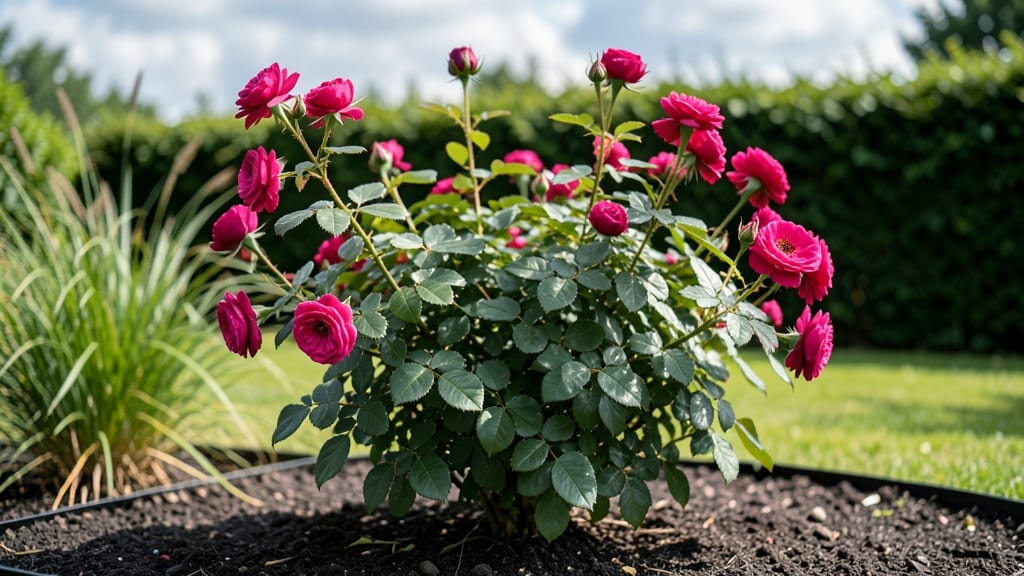
Transforming your rose tree shrub into a fragrant, blooming masterpiece starts with understanding its unique shape—whether it's a climbing rose trained up a trellis or a shrub rose grown as a small tree. 🌿 I've learned the hard way that pruning isn't just about cutting back; it's about encouraging the right growth for maximum fragrance and flowers year-round.
The key is timing: prune climbing roses after their first big bloom, while shrub roses respond best to a late-winter cleanup. You'll need sharp pruners, a ladder (for taller varieties), and a clear plan for removing dead wood while shaping the plant.
Most roses bloom on new growth, so aggressive pruning in early spring works wonders—just avoid cutting into old, woody stems.
By following a seasonal calendar, you'll see vibrant blooms from spring through fall, with some varieties even flowering lightly in winter. The air around your patio or garden will fill with that classic rose scent, and your plant will stay healthy, compact, and full of life.
Let's get those shears ready!
This approach works for all rose types—climbers, shrubs, and even standard roses trained as small trees. The same principles apply, just adjusted for size and growth habit.
Whether you're dealing with a 6-foot climber or a 3-foot shrub, the goal is the same: more flowers, better fragrance, and a plant that thrives all season long.
📚 In This Guide
- What you need
- Instructions
- Tips and common mistakes
- Wrapping up and next steps
What you need
- ● Pruning shears: Sharp, bypass pruners (for clean cuts on smaller stems). Quantity: 1 pair (or 2 if working on large shrubs).
- ● Loppers: For thicker branches (up to 2 inches in diameter). Quantity: 1 pair.
- ○ Pruning saw: For stubborn, thick stems (3+ inches). Quantity: 1 (optional if loppers suffice).
- ● Disinfectant (rubbing alcohol or bleach solution): To sterilize tools between cuts and prevent disease spread.
- ● Gloves: Heavy-duty, cut-resistant gloves (roses can be thorny!). Quantity: 1 pair.
- ○ Pruning sealant (optional but helpful): For large cuts to prevent infection (e.g., tree wound paint).
- ● Garden twine or clips: To secure heavy branches during pruning.
- ● Bucket or trash bag: For collecting pruned debris.
- ● Extension pole: For high branches (10–12 feet long).
- ● Handheld leaf blower: To clear debris from the shrub post-pruning.
- ● Pruning guide or ruler: For measuring cuts (especially for formal rose shapes).
- ● Compost bin: To recycle pruned stems as nutrient-rich mulch.
- ● Know your rose variety (climbing, shrub, hybrid tea, etc.)—pruning needs vary!
- ● Check the weather forecast for a dry, mild day (avoid pruning in rain or extreme heat).
- ● Gather your seasonal pruning calendar (e.g., light trims in spring, heavy cuts in late winter).
Step-by-Step guide to pruning your rose tree shrub
Here's my foolproof seasonal approach to keep your rose tree thriving.
✂️ Step 1: Late Winter Cleanup (February)
Start by removing all dead, diseased, or crossing branches—these compete for energy and invite pests. Use clean, sharp pruners to make cuts at a 45-degree angle, about ¼ inch above an outward-facing bud. This angle prevents water from pooling on the cut and encourages new growth.
Real talk: If you see blackened canes or mushy stems, cut those back to healthy wood immediately. You'll know healthy wood by its firm texture and greenish interior when sliced open. Toss any infected branches in the trash—not the compost—they can spread disease.
After removing the obvious offenders, step back and assess the shape. Your goal is to open the center of the shrub to air and light. Aim for a vase-like shape with the widest part at the bottom narrowing toward the top. This encourages airflow and reduces fungal issues.
☀️ Step 2: Light Summer Maintenance (June-July)
This is when you do your "haircut" pruning—just a light trim to shape the plant and encourage bushiness. Cut back any leggy growth by ⅓ to ½ to promote branching. Look for stems that are growing straight up without leaves or flowers; these are your candidates for trimming.
I like to prune after the first flush of blooms in June. This gives the plant time to recover before another round of flowering. Always cut just above a leaf node where new growth will emerge. You'll see small buds or swelling areas—these are your targets.
Remove any suckers—those are the vigorous shoots growing from the base or along the trunk. These drain energy from your rose tree. Snip them off at the base with clean pruners. If left unchecked, they'll take over and weaken your main plant.
🌿 Step 3: Post-Bloom Renewal (Late August-September)
After your last big bloom cycle, give your rose tree a final trim to prepare for winter. Remove all spent blooms and any weak, crossing, or inward-growing branches. This is your chance to really open up the center of the shrub—think of it as giving your rose tree a deep breath of fresh air.
Cut back any stems that have finished flowering by about ⅓ to encourage a second flush of blooms if your climate allows. For hybrid tea roses, you might cut back more aggressively, but for shrub roses, a lighter trim is better. Watch for new buds forming—these are your signal to stop cutting.
Apply a 2-3 inch layer of mulch around the base (but not touching the trunk) to protect roots from winter temperature swings. This is also the perfect time to fertilize lightly with a balanced rose food to build up reserves for next season.
⏰ Step 4: Winter Protection (November-December)
Once temperatures drop below 20°F, it's time to protect your rose tree. Start by wrapping the entire shrub with burlap or frost cloth, securing it loosely with twine. This prevents windburn and protects tender canes from freezing.
For extra protection in harsh climates, mound 4-6 inches of soil or mulch around the base of the plant. This insulates the roots and helps regulate soil temperature. Don't overdo it—too much mulch can smother the plant.
Leave your pruners handy for any last-minute adjustments. If a branch looks damaged by frost or ice, trim it back to healthy wood. This is also when I check for any lingering pests or diseases. A quick spray with neem oil can prevent overwintering insects from becoming a problem in spring.
Tips & tricks for perfect rose tree shrub pruning
A few simple strategies will help you avoid common mistakes and keep your rose tree thriving through every season.
Tool Prep: Before you start pruning, always sterilize your pruners with rubbing alcohol or a bleach solution (1 part bleach to 9 parts water). This prevents spreading disease between cuts. I also like to sharpen my pruners regularly—dull blades crush stems instead of making clean cuts, which stresses the plant. A quick test: if your pruners struggle to cut through a pencil, it's time to sharpen them.
Seasonal Shape Check: In Step 1 (Late Winter Cleanup), when you're shaping your rose tree, take a photo before and after pruning. This visual reference helps you track growth patterns year after year. I notice my roses naturally develop a more open center after consistent seasonal pruning—this is exactly what we want for airflow and light penetration.
Winter Protection Layering: For Step 4 (Winter Protection), don't just wrap your rose tree—layer the protection. Start with a base of mulch (2-3 inches), then add frost cloth or burlap, and finally secure with twine. This multi-layer approach creates an insulating barrier that protects against both cold winds and temperature fluctuations. In my Zone 6 garden, this extra layering has saved my roses from winter dieback.
Pruning Timing: The timing in each step matters more than you might think. For example, in Step 2 (Light Summer Maintenance), prune right after the first flush of blooms in June—not during or before. This gives the plant energy to recover before producing another round of flowers. I've learned this the hard way after seeing roses struggle to rebloom when pruned too early in the season.
Pro Tips for Rose Tree Shrub
- A few simple strategies will help you avoid common mistakes and keep your rose tree thriving through every season.
- Tool Prep: Before you start pruning, always sterilize your pruners with rubbing alcohol or a bleach solution (1 part ...
- Seasonal Shape Check: In Step 1 (Late Winter Cleanup), when you're shaping your rose tree, take a photo before and af...
Frequently asked questions
Got questions about keeping your rose tree shrub thriving? Here are some of the most common ones—plus expert answers to keep those blooms coming!
When is the best time to prune a rose tree shrub?
The ideal time to prune is late winter or early spring (just before new growth starts) for hybrid teas and floribundas. For climbers and shrub roses, a light trim after the first flush of blooms in late spring encourages continuous flowering. Avoid heavy pruning in fall—it can stimulate tender growth that won’t survive winter. Pro tip: Check your USDA zone to adjust timing slightly!
How much should I cut back a rose tree shrub?
For most rose tree shrubs, aim to reduce by one-third to one-half of the previous year’s growth. Cut back to a healthy outward-facing bud (about ¼ inch above it) to encourage strong regrowth. Avoid "topping" (cutting straight across)—this can lead to weak, leggy growth. Visual guide: Look for the strongest canes and prioritize those!
My rose tree shrub isn’t blooming—what went wrong?
Common culprits include over-pruning (too late in the season), underfeeding (roses are heavy feeders!), or poor sunlight (they need 6+ hours of direct sun daily). Check for dead or diseased canes—remove them immediately. If blooms are sparse, try a balanced fertilizer (like 10-10-10) in early spring and again after the first bloom cycle.
Can I prune a rose tree shrub in summer?
Yes, but lightly! Summer pruning should focus on deadheading (removing spent blooms) to encourage more flowers and shaping (trimming back overgrown branches by 10-15%). Avoid heavy pruning in summer—it stresses the plant and can invite pests. If you must prune heavily, do it after the first major bloom cycle (usually June for most roses).
What’s the difference between pruning a rose tree shrub and a climbing rose?
Rose tree shrubs (like Rosa ‘Knock Out’) are pruned for shape and density, while climbing roses need structural support. For climbers, prune to train growth along trellises or walls, cutting back last year’s canes to encourage new blooms. Shrub roses benefit from rejuvenation cuts (removing older wood) every few years to refresh growth. Quick reference: Climbers = less aggressive; shrubs = more frequent!
Still stumped? Drop your rose-pruning questions in the comments—we’re happy to help!
Wrapping up and next steps
Caring for your rose tree shrub doesn’t have to be overwhelming—just a little seasonal love keeps those fragrant blooms coming year-round! 🌹 With the right tools, timing, and techniques, you’ll enjoy lush growth, vibrant flowers, and a thriving shrub that’s the envy of the neighborhood.
Now that you’re armed with a pruning calendar and expert tips, there’s only one step left:
🌱 Take Action This Season!
Start with a quick assessment of your shrub—snip those dead or overgrown branches, then mark your calendar for the next pruning window. Whether it’s spring’s fresh start, summer’s light touch, or winter’s cleanup, your roses will reward you with beauty and fragrance. Happy pruning!