
Pruning
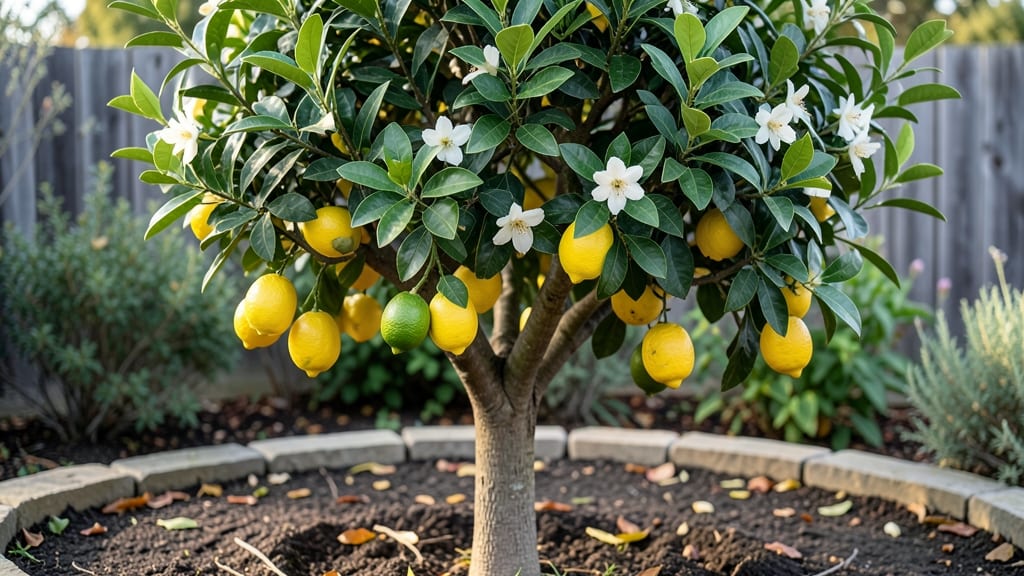
A 3 in 1 citrus tree packs three varieties into one trunk, saving space while delivering a triple harvest of lemons, oranges, and grapefruit. 🌱 I’ve grown these compact wonders for years, and they’ve never failed to impress—especially in small yards or containers where space is tight.
The secret lies in their clever grafting technique, which lets you enjoy all three fruits without the fuss of planting three separate trees.
You’ll need a sunny spot with at least 6 hours of light daily, well-draining soil, and a container at least 15 gallons if growing in pots. Watering is key—keep the soil moist but not soggy, especially during fruit development.
Pruning twice a year (spring and winter) keeps the tree healthy and encourages more blooms, while a balanced citrus fertilizer ensures sweet, abundant fruit. It’s not just about the harvest, though—these trees are stunning with their glossy leaves and fragrant blossoms.
By late summer, you’ll be picking ripe fruit straight from your tree, and the benefits don’t stop there. The tree stays compact (typically 6-10 feet tall), making it perfect for patios or small gardens.
Plus, the roots are less invasive than traditional citrus, so it’s easier to manage in containers. With the right care, you’ll enjoy a year-round display of blooms, fruit, and lush foliage that turns heads—and stomachs—all season long.
Whether you’re a beginner or a seasoned gardener, this tree is a game-changer for small spaces. The best part? You’ll never have to choose between your favorite citrus flavors again. Let’s get growing!
📚 In This Guide
- What you need
- Instructions
- Tips and common mistakes
- Wrapping up and next steps
What you need
- ● 3-in-1 citrus tree sapling or grafted tree (choose from varieties like Calamondin, Meyer Lemon, or Satsuma for year-round productivity).
- ● 15–20 gallon container or in-ground planting spot (ensure drainage holes if potted; soil pH 6.0–7.0).
- ● Well-draining potting mix (50% citrus-specific soil + 30% perlite + 20% compost).
- ● Slow-release citrus fertilizer (10-10-10 or 8-3-9 NPK ratio; 2–3 lbs per tree).
- ● Pruning tools: Bypass pruners (for clean cuts on branches ¼-inch thick).
- ● Loppers (for branches ½–1½ inches thick).
- ● Saw (for thick branches 2+ inches).
- ● Disinfectant (70% isopropyl alcohol or bleach solution) (to sterilize tools between cuts).
- ○ Pruning sealant (optional but recommended for large cuts to prevent disease).
- ● Gloves (nitrile or leather to protect hands from thorns/spines).
- ● Measuring tape (for tracking branch growth and pruning height).
- ● Spray bottle with water (to mist leaves post-pruning).
- ● Mulch (wood chips or straw) (2–3 inches thick to retain moisture).
- ● Support stakes or trellis (if growing upright varieties for structural support).
- ● Citrus-specific pest control (neem oil or insecticidal soap for aphids/mites).
- ● Sunlight: 6–8 hours of full sun daily (partial shade in extreme heat).
- ● Temperature: 60–85°F year-round (protect from frost; below 28°F is lethal).
- ● Watering schedule: Deep watering 2–3 times per week (adjust for potted vs. in-ground).
Step-by-step instructions for cultivating a thriving 3-in-1 citrus tree
Here's how to nurture a single tree that delivers blooms, fruit, and lasting health—no guesswork involved.
🌱 Step 1: Select and Prepare the Perfect Grafted Tree
Your 3-in-1 citrus tree arrives as a grafted plant with three different citrus varieties growing from a single rootstock. Start by inspecting the graft union—the bulging area where the three branches meet the trunk. This is the foundation of your tree, so handle it gently to avoid damaging the delicate connection.
Plant your tree in a 12-inch diameter container with drainage holes—citrus roots hate soggy feet. Use well-draining citrus potting mix (not regular garden soil) and fill the pot until the soil level reaches just below the graft union. The top of the root ball should sit ½ inch below the pot's rim for easy watering.
Here's the thing—citrus trees are sensitive to temperature swings. Keep your tree in a spot with 65-75°F daytime temperatures and never below 50°F. A sunny windowsill or under grow lights 6-8 hours daily works for indoor growing. If you're outdoors in warm climates, choose a sheltered spot that avoids harsh afternoon sun until the tree establishes roots.
☀️ Step 2: Master Light and Water for Optimal Growth
Citrus trees need bright, indirect light for at least 8 hours daily to produce fruit and blooms. If your tree stretches toward the light with long, pale stems, it's not getting enough. Move it closer to the window or adjust your grow lights to within 12 inches of the canopy. You'll see stronger, bushier growth within weeks.
Watering is where most people trip up. Stick your finger 1 inch into the soil—if it feels dry, water thoroughly until water runs out the drainage holes. Then, let the tree sit in a saucer of water for 10 minutes to absorb excess salts. Empty the saucer afterward to prevent root rot. Overwatering is the #1 killer of citrus trees, so always check before adding more water.
Real talk: citrus trees love humidity. If your air feels dry (common in winter), mist the leaves lightly 2-3 times weekly or place the pot on a tray of pebbles with water. Just don't let the roots sit in standing water—that's a fast track to root rot.
💧 Step 3: Feed and Prune for Year-Round Productivity
Fertilize your tree every 4-6 weeks during the growing season (spring through fall) with a balanced citrus fertilizer (like 6-6-6 or 8-3-9). The key is consistency—citrus trees are heavy feeders, but they hate sudden nutrient spikes. I like to mix the fertilizer into the top 1 inch of soil rather than applying it to the surface, which helps prevent leaf burn.
Pruning isn't just about shaping—it's about encouraging your tree to produce more blooms and fruit. Trim back any leggy growth (long, bare stems) and crossing branches that rub together. Use clean, sharp pruners to make cuts just above a leaf node or outward-facing bud. This ensures new growth will fill in nicely. Do most pruning after harvest or in early spring before new growth begins.
Watch for new flushes of growth after pruning—these are your tree's signal that it's happy and ready to set fruit. If you see small, round buds forming in the leaf axils (the crook where a leaf meets the stem), that's your tree preparing for blooms. These buds will turn into flowers in 4-6 weeks, so keep an eye out!
✂️ Step 4: Harvest and Overwinter for Next Year's Success
Citrus fruit ripens at different times depending on the variety, but you'll know it's ready when the skin changes color and gives slightly when gently squeezed. Harvest by twisting the fruit until it separates cleanly from the stem. Avoid cutting the fruit—it can introduce rot. Once harvested, store fruit in a cool (55-65°F), dry place to extend freshness.
As temperatures drop below 50°F, your tree will go dormant. This is the time to reduce watering by half and stop fertilizing entirely. Move indoor trees away from cold drafts, and outdoor trees should be protected from frost with burlap wraps or moved to a garage with bright light. Keep an eye out for pests like scale or spider mites—they love dormant trees. A neem oil spray applied every 2 weeks during dormancy keeps them at bay.
This is the moment that matters: as you prep for winter, take note of your tree's growth habits. Did one variety produce more fruit than the others? Did the tree lean toward the light? Adjust next year's care based on what you learned—your citrus tree will thank you with even bigger blooms and better fruit.
Tips & tricks for perfect 3-in-1 citrus tree care
Here's what nobody tells you about keeping your citrus tree thriving—and why these details make all the difference.
Graft Union Care: The graft union is your tree's lifeline, so handle it with extra care during planting. After positioning the tree in its container, gently press the soil around the union to secure it without compacting. If you notice any cracks or damage here, don't panic—just monitor it closely. The union needs to stay slightly exposed (about ½ inch above soil) to prevent rot, but never let it bake in direct sun. Think of it like a tiny scar that needs protection.
Lighting Strategy: Those 8 hours of daily light are non-negotiable, but quality matters more than quantity. If your tree stretches toward the light (a condition called etiolation), it's not getting enough indirect brightness. For indoor growers, position your lights at the same height as the tree's canopy—no higher, no lower. I've found that adjusting lights to within 12 inches of the leaves prevents that leggy growth while still providing the bright, indirect light citrus craves. Rotate your tree weekly so all branches get equal exposure.
Watering Wisdom: The 10-minute saucer method is genius for two reasons: it flushes out excess salts that build up from tap water, and it gives your tree a chance to drink up what it needs. But here's the thing—citrus roots are shallow. After those 10 minutes, empty any remaining water from the saucer immediately. Standing water in the saucer can wick up into the pot and suffocate the roots. I've seen too many trees lost to this simple oversight. Also, always water at the base—never overhead—to prevent fungal issues.
Fertilizer Timing: That 4-6 week feeding schedule is perfect, but there's a trick to prevent leaf burn. Instead of sprinkling fertilizer on top of dry soil, mix it into the top 1 inch of moist soil first. This gradual release prevents chemical burns on delicate roots. I also recommend using a water-soluble fertilizer during the hottest months—it absorbs faster and reduces stress on the tree. And remember, citrus trees are heavy feeders, but they hate sudden changes. Gradual adjustments are key.
Pro Tips for 3 In 1 Citrus Tree
- Here's what nobody tells you about keeping your citrus tree thriving—and why these details make all the difference.
- Graft Union Care: The graft union is your tree's lifeline, so handle it with extra care during planting.
- Lighting Strategy: Those 8 hours of daily light are non-negotiable, but quality matters more than quantity.
Frequently asked questions
Got questions about your 3-in-1 citrus tree? You’re not alone! Here are answers to the most common queries to keep your tree thriving with blooms, fruit, and health all year.
How do I know if my 3-in-1 citrus tree is healthy?
A healthy tree has vibrant green leaves (no yellowing or spots), new growth in spring, and plentiful blooms (or fruit, depending on the season). Check for pests like aphids or spider mites—tiny webs or sticky residue are red flags. If leaves drop suddenly, it may need water or sunlight adjustments!
When will my 3-in-1 citrus tree produce fruit?
Patience is key! Most 3-in-1 citrus trees (like trifoliate oranges or calamondins) take 1–3 years to bear fruit after planting, depending on care. Prune strategically in late winter to encourage flowering, and ensure it gets 6–8 hours of sun daily. Cold snaps can delay fruiting—protect it with frost cloth if needed!
How often should I prune a 3-in-1 citrus tree?
Prune twice a year: late winter (to shape and remove dead wood) and summer (to improve airflow and fruit production). Avoid heavy pruning in fall—it stresses the tree before winter. Use sterilized shears and cut at a 45° angle just above a leaf node for best results.
Can I grow a 3-in-1 citrus tree in a pot?
Many 3-in-1 citrus varieties thrive in containers, making them perfect for patios or small spaces. Use a 15–20 gallon pot with drainage holes, and repot every 2–3 years for root health. Opt for well-draining citrus soil and fertilize monthly in growing seasons (spring–fall). Just watch for root-bound signs like circling roots!
What’s the best way to deal with pests on my 3-in-1 citrus tree?
Start with neem oil or insecticidal soap for mild infestations (aphids, scale). For stubborn pests like citrus leaf miners, prune and destroy heavily infested branches. Encourage beneficial insects like ladybugs, and avoid overwatering—wet foliage attracts pests. If problems persist, consult a local nursery for targeted solutions.
How do I protect my 3-in-1 citrus tree in winter?
Most 3-in-1 citrus trees are cold-hardy (down to 15–20°F), but young trees or tender varieties need extra care. Mulch the base with straw, wrap the trunk with bubble wrap, and move potted trees to a garage or sheltered patio if temps drop below freezing. Avoid fertilizing in winter—it stresses the tree!
Wrapping up and next steps
Growing a 3-in-1 citrus tree that thrives with blooms, fruit, and year-round health is totally within reach—even for beginners! With the right pruning techniques, patience, and care, you’ll enjoy a bountiful harvest and stunning flowers while keeping your tree vibrant.
Remember, consistency is key, so don’t hesitate to experiment and adapt based on your tree’s needs.
Ready to take the next step? Start small—pick one pruning method to master, like shaping or rejuvenation, and watch your citrus tree transform! 🌱🍊 Grab your tools and get growing!