
Pruning
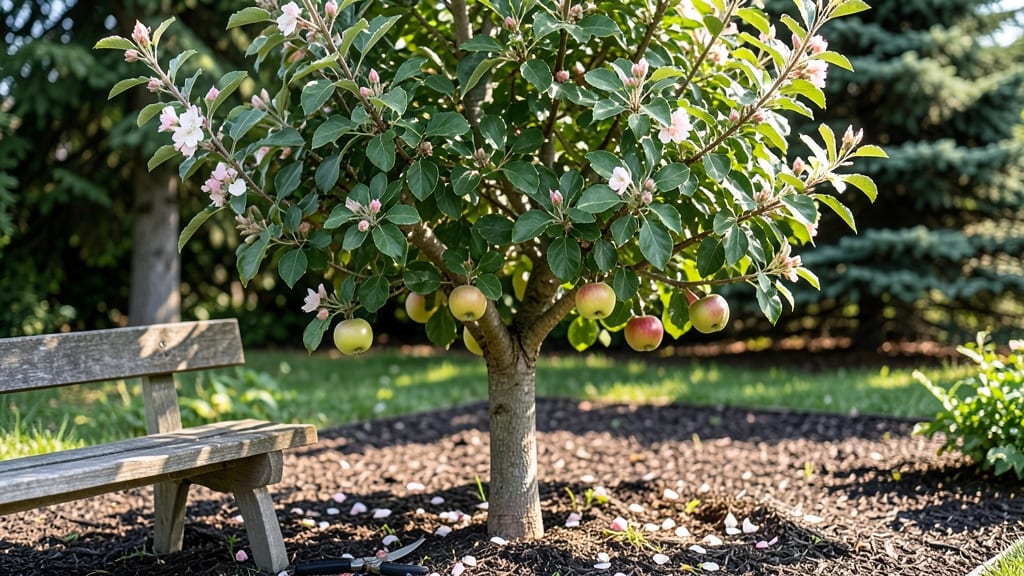
The Malus apple tree isn’t just a pretty face—it’s a four-season showstopper with fragrant spring blooms, edible summer fruit, and fiery fall foliage. 🌸 I planted mine three years ago, and now it’s the centerpiece of my backyard, drawing neighbors to admire its blossoms and harvestable apples.
The secret? Three strategic pruning sessions that keep it healthy, productive, and stunning.
You’ll need well-draining soil, full sun for at least six hours daily, and a spot sheltered from harsh winds. These trees thrive in zones 3-8, so whether you’re in a cold climate or mild region, the basics stay the same.
The real magic happens when you prune—not just once, but three times a year—to shape growth, encourage blooms, and prevent disease. It takes about 30 minutes per session, and the payoff is immediate.
By summer, you’ll be harvesting small, tart apples perfect for jams or fresh eating, while the glossy leaves turn brilliant reds and oranges in fall. The tree stays compact enough for small yards but bold enough to anchor a landscape.
Prune correctly, and you’ll have a tree that looks good year-round and actually produces fruit you can enjoy.
Works for urban gardens, rural homesteads, or anything in between. Once you master the three trims, you’ll wonder why you ever settled for a plain old flowering tree. Let’s get those shears sharp and start shaping your Malus masterpiece!
📚 In This Guide
- What you need
- Instructions
- Tips and common mistakes
- Wrapping up and next steps
What you need
- ● Pruning shears – Bypass-style, sharp, and sterilized (1 pair)
- ● Loppers – For thicker branches (up to 1.5 inches in diameter) (1 pair)
- ● Pruning saw – For stubborn branches (2+ inches thick) (1)
- ● Disinfectant – Rubbing alcohol (70%+) or pruning sealant (small bottle)
- ○ Gloves – Heavy-duty, cut-resistant (optional but recommended) (1 pair)
- ● Garden twine or tape – For tagging branches to remove later (small roll)
- ○ Pruning paint or wound dressing – To seal large cuts (optional but helpful) (small container)
- ● Ladder or step stool – For hard-to-reach branches (if needed) (1)
- ● Bucket or bag – For collecting pruned branches (1)
- ● Handheld pruner with extension pole – For high branches without a ladder
- ● Sharpener tool – To keep blades razor-sharp between uses
- ● Notebook & pen – To sketch a pruning map of your tree
- ● Tree growth regulator – If managing aggressive growth
How to prune a Malus apple tree for year-round beauty
Three strategic cuts keep your ornamental apple tree blooming, healthy, and full of character.
✂️ Step 1: Late Winter Structural Pruning (Before Bud Break)
This is the most important cut—it shapes the tree for the entire year. Start by removing any dead, diseased, or crossing branches first. You’ll know a branch is dead if it’s brittle, doesn’t bend, and has no green underneath the bark when you scrape it. Diseased branches often have black spots or oozing sap.
Next, open up the center of the tree by cutting back about ⅓ of the oldest, thickest branches that grow inward. This improves air circulation and sunlight penetration, which prevents fungal diseases and encourages stronger growth. Use clean, sharp pruning shears to make cuts just outside the branch collar—the swollen area where the branch meets the trunk.
Here’s the thing—don’t overdo it. You’re not trying to turn this into a bonsai; aim to remove no more than 25% of the tree’s total branches in one session. If you see water sprouts (those fast-growing, vertical shoots), cut them off at the base. These sap-suckers drain energy from your tree’s best features.
☀️ Step 2: Post-Bloom Summer Thinning (After Flowers Fade)
Wait until after the flowers drop but before fruit sets (usually 6-8 weeks after blooming). This is when you’ll thin out crowded branches to improve fruit quality and air flow. Look for branches that rub against each other or grow directly toward the center—these are your targets.
For each branch you remove, make your cut just above an outward-facing bud. This encourages new growth that opens up the tree’s canopy. If you’re dealing with a particularly dense area, you can also shorten some branches by ⅓ to reduce congestion. Just avoid cutting back more than that—you don’t want to shock the tree mid-season.
Real talk: If you see any suckers (shoots growing from the base or roots), remove them immediately. These compete with your main tree for nutrients and weaken its structure. Grab them at the base with your hand or use pruners for thicker ones.
✂️ Step 3: Light Fall Cleanup (Before Dormancy)
This final trim happens 4-6 weeks before your first expected frost, when the tree has finished producing fruit but before it fully enters dormancy. Focus on removing any dead, broken, or weak branches that may have developed over the summer. You’re also looking to shape the tree for next year’s blooms by cutting back any overly long or leggy growth.
Pay special attention to branches that grew too vigorously this season—they might have weak wood that could snap under winter ice. Cut these back to a strong lateral branch or bud. Avoid heavy pruning now, though; you don’t want to stimulate new growth that won’t harden off before winter.
Here’s where it gets fun—watch how the tree’s silhouette changes with each cut. A well-pruned Malus should have an open, vase-like shape that lets light and air move freely through its branches. If you’re happy with the structure, you’re ready for winter.
Tips & tricks for perfect Malus apple tree trimming
These simple strategies will help you transform your ornamental apple tree into a year-round showstopper with minimal effort.
Branch Health Check: When inspecting branches in Step 1, look for another telltale sign of disease: a white, powdery substance on leaves or branches. This is often mildew, and those branches should be removed immediately. Also, take a close look at branch junctions—if you see any mushrooms growing there, that branch is compromised and needs to go. Remember, clean tools are crucial: disinfect your pruners with rubbing alcohol between cuts to prevent spreading any potential infections.
The ⅓ Rule: In Step 1, when cutting back those oldest branches, think of it like giving your tree a spa day. Removing about ⅓ of the oldest branches opens up the center while still leaving plenty of foliage to photosynthesize. Pro tip: Mark the branches you want to remove with flags or tape before making cuts—this helps you visualize the final shape and avoid over-pruning. The goal is to create an open vase shape that lets light reach all branches.
Summer Thinning Strategy: During Step 2, focus on creating an airy canopy by prioritizing branches that are growing toward the center or rubbing against others. When you shorten branches by ⅓, always cut just above an outward-facing bud to encourage new growth in the right direction. This technique prevents the tree from becoming too dense, which is especially important for Malus varieties that can get quite bushy. Think of it as giving your tree better circulation for both air and sunlight.
Fall Pruning Insight: In Step 3, when shaping for next year's blooms, pay special attention to branches that grew too vigorously this season. These often have thinner wood that's more susceptible to winter damage. Cutting them back now prevents potential breakage later. A good rule of thumb is to make cuts that leave you with branches that are about pencil-thick—they'll be strong enough to support next year's flowers and fruit without being too heavy.
Pro Tips for Malus Apple Tree
- These simple strategies will help you transform your ornamental apple tree into a year-round showstopper with minimal effort.
- Branch Health Check: When inspecting branches in Step 1, look for another telltale sign of disease: a white, powdery substance on leaves or branches.
- The ⅓ Rule: In Step 1, when cutting back those oldest branches, think of it like giving your tree a spa day.
Frequently asked questions
about growing and pruning Malus (ornamental crabapple) trees—because even the best gardeners need a little clarity!When is the best time to plant a Malus tree?
Plant your Malus tree in early spring or fall when temperatures are mild (50–70°F). Avoid extreme heat or frost, as these can stress the roots. Choose a location with full sun (6+ hours/day) and well-draining soil for optimal growth and flowering.
How often should I prune a Malus tree?
Prune Malus trees 3 times a year for year-round abundance:
- Late winter (dormant season): Shape the tree and remove dead/diseased wood.
- Early summer (after flowering): Trim to encourage new growth and fruit.
- Fall (light maintenance): Clean up debris and adjust for winter.
Why aren’t my Malus apples growing?
If your Malus isn’t fruiting, check these common issues:
- Lack of pollination: Plant two compatible varieties nearby for cross-pollination.
- Over-pruning: Avoid cutting more than 25% of the canopy in one session.
- Nutrient deficiency: Test soil and amend with balanced fertilizer (10-10-10) in early spring.
- Age or variety: Some Malus trees (like ornamental types) produce edible but small fruit—don’t expect full-sized apples!
How do I prevent pests or diseases in my Malus tree?
Keep your Malus healthy with these preventive tips:
- Prune for airflow: Remove crowded branches to reduce humidity and fungal risks (like apple scab).
- Clean up debris: Rake and dispose of fallen leaves/fruit to deter pests like aphids or codling moths.
- Use organic sprays: Apply neem oil or copper fungicide in early spring as a preventive measure.
- Monitor regularly: Check for holes in leaves (aphids) or black spots (scab) and act fast!
Can I grow a Malus tree in a container?
Yes! Dwarf or columnar Malus varieties (like Malus ‘Centennial’) thrive in 5-gallon+ containers with:
- A well-draining potting mix (add perlite or sand).
- Full sun exposure (even on a patio or balcony).
- Regular watering (keep soil moist but not soggy).
- Annual repotting (spring) to refresh roots and nutrients.
Wrapping up and next steps
Growing a thriving Malus apple tree is all about timing, technique, and a little love—just like nurturing any prized plant! With three strategic trims a year, you’ll unlock year-round beauty, healthier fruit, and a stronger tree that stands the test of time. 🌿✨
Ready to take the next step? Grab your pruners, mark your calendar for late winter, early summer, and fall, and watch your Malus flourish. Your future harvest (and that stunning spring bloom!) will thank you.
Pro tip: Start small—even a single trim makes a difference! 💡