
Pruning
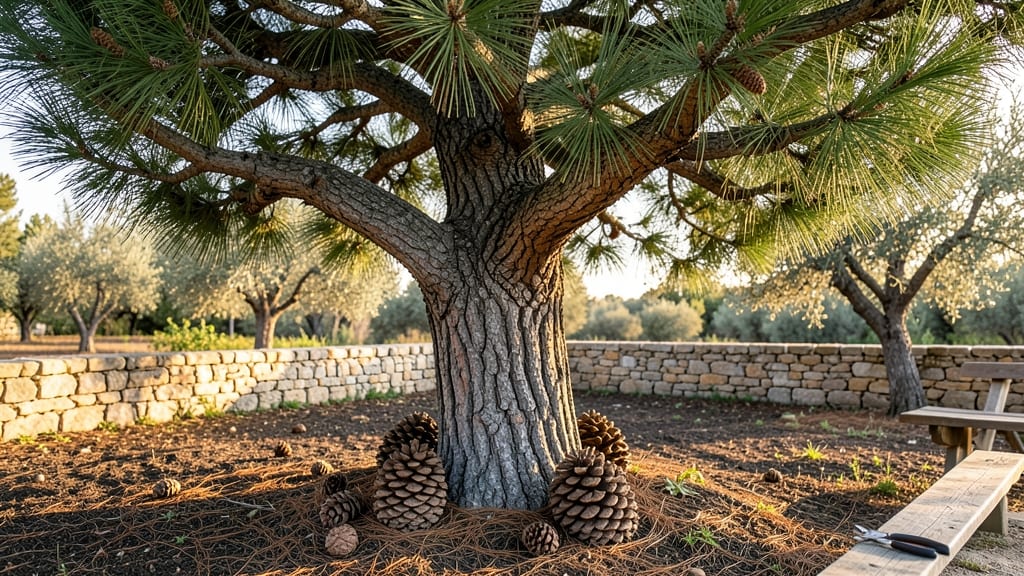
Growing an Italian pine tree (Pinus pinea) in your yard means bringing Mediterranean charm to your landscape—those iconic, edible pine nuts and silvery-blue needles are worth the effort. 🌿 I’ve learned the hard way that these trees thrive when you mimic their native climate, with well-draining soil and plenty of sun, but they’re surprisingly adaptable once you get the basics right.
The secret to success starts with the right spot: full sun and sandy, slightly acidic soil that drains like a dream.
My first Italian pine nearly drowned in heavy clay until I amended the soil with coarse sand and compost, and within a year, it was sending up new growth.
Watering is where most people trip up—these trees hate soggy roots, so deep watering once a week (more in summer) keeps them happy without smothering them.
You’ll love how these trees mature into stately, drought-tolerant giants with minimal fuss. The needles stay vibrant year-round, the bark develops that gorgeous peeling texture, and—best of all—you’ll harvest pine nuts straight from your yard.
Pruning is simple: just remove dead branches and shape lightly in early spring to keep the canopy open and airy.
Perfect for coastal gardens, Mediterranean-style landscapes, or even large urban yards. With patience, your Italian pine will become the centerpiece that neighbors envy—and the pine nuts? Pure reward for your effort. Let’s get yours growing strong!
📚 In This Guide
- What you need
- Instructions
- Tips and common mistakes
- Wrapping up and next steps
What you need
- ● Soil: Well-draining, slightly acidic to neutral soil (pH 5.5–7.0)
- ● 3–5 gallons of sandy loam or garden soil mixed with 10–20% perlite or coarse sand (critical for drainage!)
- ● Fertilizer: Slow-release granular fertilizer (10-10-10 or 8-3-9 ratio, 1–2 lbs per tree)
- ● Organic options: Composted pine bark fines (5–10 lbs) or worm castings (2–3 lbs)
- ● Planting Supplies: Container or planting hole 3x wider and 2x deeper than the root ball
- ● Mulch (2–3 inches of pine straw or wood chips; avoid cedar mulch—it’s toxic!)
- ● Pruning Tools: Bypass pruners (for small branches, sharp and sterilized)
- ● Lopper shears (for thicker branches, 8–12 inch blades)
- ● Pruning saw (for mature limbs, curved blade for clean cuts)
- ● Gloves (heavy-duty, cut-resistant for handling pine needles)
- ● Watering Supplies: Drip irrigation system or soaker hose (to avoid wetting foliage)
- ● Watering can (5-gallon capacity for young seedlings)
- ● Root stimulator (e.g., Mycorrhizal fungi or seaweed extract) to boost early growth.
- ● Pine tree seedling (1–3 years old, 3–5 feet tall) from a nursery (avoid wild-collected seeds—they’re slow to germinate!).
- ● Tree collar protector (to prevent damage from lawnmowers).
- ● Pest control: Horticultural oil or neem oil (for aphids or spider mites).
- ● Shade cloth (30–50% coverage) to protect young trees from intense Mediterranean sun.
Step-by-step instructions for planting and establishing Italian pine trees
Here's how to get these drought-tolerant beauties thriving in your Mediterranean climate.
🌱 Step 1: Choose the Perfect Planting Site
Italian pines love full sun—at least 6 hours daily—so pick a spot with southern or western exposure. The soil should drain well, as these trees hate soggy roots. If your yard has heavy clay, amend with 2-3 inches of coarse sand or gravel mixed into the top 12 inches of soil.
Dig a hole twice as wide as the root ball but no deeper. Loosen the sides of the hole with a shovel to encourage root spread. Here's the thing—Italian pines grow best when they're not crowded, so space them 20-30 feet apart for mature size. If planting near structures, keep them 15 feet back to avoid root conflicts later.
🪴 Step 2: Plant with Proper Technique for Mediterranean Conditions
Remove the tree from its container and gently tease apart any circling roots with your fingers. Place the root ball in the hole so the top sits 1-2 inches above ground level—this prevents water from pooling around the trunk. Backfill with native soil, tamping lightly every 4 inches to eliminate air pockets.
Create a 2-inch deep watering basin around the root zone and water deeply to settle the soil. Mulch with 3-4 inches of wood chips or pine straw, keeping it 6 inches away from the trunk. This mulch layer mimics the Mediterranean's natural ground cover, retaining moisture while protecting roots from summer heat.
☀️ Step 3: Water Strategically for Drought Resistance
Water newly planted Italian pines twice weekly for the first month, then taper to once weekly once established. The key is deep, infrequent watering—1-2 gallons per tree each session—to encourage deep root growth. You'll know it's working when you see new needles emerge within 4-6 weeks.
After the first year, these trees become remarkably drought-tolerant. Let the soil dry out between waterings, but never to the point of wilting. If you notice needles turning yellow at the tips, that's your signal to water more deeply. In Mediterranean climates, supplemental water during summer droughts keeps them thriving without over-reliance on irrigation.
✂️ Step 4: Prune for Shape and Health
Prune Italian pines in late winter or early spring, before new growth begins. Remove any dead, diseased, or crossing branches first—these trees handle pruning well but respond best to gradual shaping. Use clean, sharp pruners to make cuts just outside the branch collar.
For shape, focus on opening the canopy to allow sunlight to reach the lower branches. Italian pines naturally grow with an open, airy form, so avoid heavy pruning that creates dense foliage. You'll see new growth emerge within 2-3 weeks of pruning—this is your confirmation that the tree is healthy and responding well.
Tips & tricks for perfect Italian pine tree planting
Real talk: These Mediterranean survivors need special care to thrive—here's how to give them the best start.
Sunlight Strategy: While the instructions call for at least 6 hours of sun daily, I've found that southern or western exposure with morning shade actually works better in hot Mediterranean summers. The intense afternoon sun can scorch young needles, so if your location gets brutal afternoon heat, consider dappled shade during peak hours. You'll notice healthier foliage growth within just a few weeks.
Soil Prep Secret: The 2-3 inches of sand or gravel amendment is non-negotiable for clay soils, but here's what nobody tells you—test your soil's pH first. Italian pines prefer slightly acidic soil (pH 5.5-6.5). If your soil tests higher, mix in some peat moss or pine bark fines with your sand amendment. This small adjustment makes all the difference in root development.
Watering Wisdom: Those first two weeks are critical—don't skip the twice-weekly watering! I learned this the hard way after losing a sapling to drought stress. Here's my trick: Use a rain gauge or measuring cup to deliver exactly 1-2 gallons per watering. The key is consistency—better to water deeply twice than lightly four times. You'll see new needle growth within 4-6 weeks if you nail this.
Pruning Pro Tip: When pruning in late winter, look for branches that grow straight up—they're called "candles." These are perfect candidates for removal as they compete with side branches for sunlight. I also recommend sterilizing your pruners with rubbing alcohol between cuts to prevent spreading disease. You'll notice fresh, vibrant growth emerge within 2-3 weeks of proper pruning.
Pro Tips for Italian Pine Tree
- Real talk: These Mediterranean survivors need special care to thrive—here's how to give them the best start.
- Sunlight Strategy: While the instructions call for at least 6 hours of sun daily, I've found that southern or western...
- Soil Prep Secret: The 2-3 inches of sand or gravel amendment is non-negotiable for clay soils, but here's what nobody...
Frequently asked questions
Got questions about growing and caring for Italian pine trees? You’re not alone! Here are some of the most common queries—plus straightforward answers to help you nurture a thriving tree in your Mediterranean-inspired landscape.
How fast does an Italian pine tree grow?
The Pinus pinea (Italian stone pine) grows at a moderate to fast rate, typically adding 12–24 inches per year under ideal conditions. In optimal Mediterranean climates with well-draining soil and full sun, younger trees may even surge faster. Patience is key—full maturity (30–50 feet tall) takes 20–30 years, but their striking foliage and pinecones make the wait worthwhile!
Why are the needles turning brown?
Brown needles are usually a sign of stress, often caused by overwatering, underwatering, or nutrient deficiencies. Italian pines thrive in drought-tolerant conditions, so check soil moisture—it should be dry between waterings. Fungal diseases (like needle blight) or pests (e.g., pine beetles) can also turn needles brown. Prune affected branches and treat with copper fungicide if needed.
Can Italian pine trees survive cold winters?
While Italian pines love Mediterranean warmth, they’re hardy to USDA Zones 7–10 and can tolerate brief dips to 10°F without major damage. In colder zones (<10°F), young trees may need winter mulch or burlap wraps to protect roots. Mature trees usually bounce back, but avoid planting in frost-prone areas unless you’re prepared for extra care.
When and how should I prune an Italian pine?
Prune Italian pines in late winter or early spring (before new growth) to shape the tree and remove dead branches. Use clean, sharp pruners to cut just above a bud or branch collar. Avoid heavy pruning—these trees have a natural, open shape, so focus on thinning out crowded branches and deadwood. Never prune more than 25% of the canopy at once to prevent stress.
Are there good alternatives if I can’t grow an Italian pine?
If your climate isn’t quite Mediterranean-friendly, consider these similar evergreens:
- Austrian pine (Pinus nigra): Tougher in colder zones (3–7), with striking blue-green needles.
- Monterey pine (Pinus radiata): Fast-growing and drought-resistant (Zones 7–10).
- Mugo pine (Pinus mugo): Compact and cold-hardy (Zones 3–7), great for hedges.
- Stone pine hybrids: Some cultivars (like ‘Beuvronensis’) are bred for colder climates.
Each offers piney charm with slightly different care needs—pick based on your zone and space!
Wrapping up and next steps
The Italian pine tree thrives with the right care, especially in Mediterranean climates—where its resilience and beauty shine.
By mastering pruning techniques, soil prep, and seasonal adjustments, you’ll nurture a stunning, healthy tree that enhances your landscape for decades. Your efforts will pay off in lush foliage and a stronger, more vibrant tree!
Ready to take the next step? Start small:
- 🌱 Observe your tree’s growth patterns before pruning.
- 📝 Sketch a plan for trimming based on its shape and needs.
- 🛠️ Gather tools (sterilized shears, gloves, etc.) and get pruning!