
Size
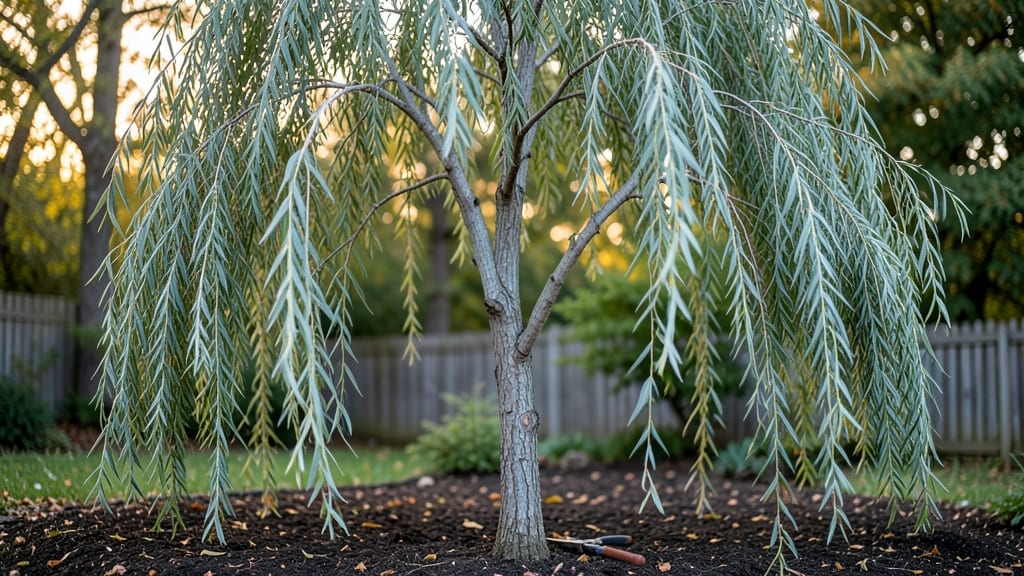
A tall willow tree turns any landscape into a living masterpiece—its arching branches weave drama into open spaces, while its golden foliage adds warmth even in winter. I planted mine near a small pond, and within two years, it became the garden’s star, its dappled shade creating a magical retreat.
The key isn’t just where you place it, but how you shape it—strategic pruning keeps those graceful limbs from overwhelming smaller plants or power lines.
Willows thrive near water but adapt to borders or open lawns if given space to spread. Pair it with low-maintenance perennials like hostas or ferns to balance its bold presence, or add a winding stone path beneath its branches for a romantic touch.
Just avoid planting near sidewalks—those roots grow aggressively, and you’ll thank yourself later when the tree stays healthy without fighting for room.
With the right cuts, your willow stays lush year-round: trim in late winter to encourage fresh growth, and shape branches in early summer to maintain that dreamy, cascading silhouette.
The payoff? A tree that feels like a natural work of art, not just another plant in the yard. Let’s make it the centerpiece of your outdoor vision.
Bonus: Willows attract birds and butterflies, turning your garden into a wildlife haven. Just watch for aphids—spray with soapy water if you spot them, and your tree will stay vibrant for decades. The secret’s in the placement, the pruning, and letting nature do the rest.
📚 In This Guide
- What you need
- Instructions
- Tips and common mistakes
- Wrapping up and next steps
What you need
- ● Willow Tree Sapling: Choose a Salix babylonica (weeping willow) or similar variety from a nursery. Opt for a 1- to 3-year-old tree (4–6 feet tall) for faster establishment.
- ● High-Quality Soil: 2–3 cubic yards of moist, well-draining soil (mix garden soil with compost for optimal growth).
- ● Fertilizer: Slow-release balanced fertilizer (10-10-10 or 20-20-20) (1–2 lbs per tree).
- ● Mulch: 3–4 inches of organic mulch (wood chips or straw) to retain moisture and suppress weeds.
- ● Watering Supplies: Hose with adjustable nozzle or drip irrigation system.
- ● 5-gallon watering can (for young trees).
- ● Pruning Tools: Bypass pruners (sharp, clean for clean cuts).
- ● Loppers (for thicker branches, 1.5–2.5-inch cutting capacity).
- ● Hand saw (pruning saw with fine teeth for large branches).
- ● Safety Gear: Gloves (cut-resistant), safety glasses, and long sleeves.
- ● Measuring Tape: For assessing branch length and spacing.
- ○ Stakes & Ties (Optional): 3–4 6-foot wooden stakes and soft tree ties to support young trees in windy areas.
- ● Location: Full sun (6+ hours/day) and plenty of space (willows spread widely—aim for 30+ feet in diameter at maturity).
- ● Water Access: Ready access to water (willows thrive in moist but not waterlogged soil).
- ● Season Timing: Plant in early spring or fall for best root establishment.
- ● Local Regulations: Check for tree planting permits if in a restricted area (e.g., near power lines).
How to prune a tall willow tree for year-round health
Willows grow fast but need careful shaping to stay strong and graceful.
Prune in Late Winter Before Bud Break
Use sharp loppers or a pruning saw to remove dead, diseased, or crossing branches first. These are your priority—they’ll only weaken the tree if left. Look for branches with no leaves, hollow centers, or signs of fungus like black spots or oozing sap. Cut back to the branch collar, the swollen area where the branch meets the trunk, to prevent wounds from healing poorly.
Next, thin out 10-20% of the tree’s branches to improve airflow and sunlight penetration. Focus on branches growing inward or rubbing against others. Willow bark is brittle, so avoid heavy-handed cuts—willows respond best to gradual shaping. Step back often to visualize the tree’s natural shape; willows grow best when allowed to develop their weeping, graceful form.
Shape the Canopy During Early Spring Growth
Once new leaves appear in early spring, assess the tree’s growth direction. Willows grow aggressively, so you’ll likely see suckers at the base or overly dense branches. Remove these suckers at ground level with clean cuts—no stubs—to redirect energy upward. For the canopy, trim back overly long branches by one-third to encourage bushier growth without shocking the tree.
Here’s the thing—willows hate heavy pruning. If you cut more than 25% of the canopy in one season, the tree may struggle to recover. Instead, spread cuts over two years if needed. Always make cuts just outside the branch collar at a 45-degree angle to prevent water from pooling and causing rot.
Maintain Through Summer and Fall
During summer, monitor the tree for water sprouts—fast-growing, vertical shoots that steal energy from the main structure. Snip these off at their base as soon as you spot them. Willow trees also benefit from light pruning to remove dead leaves after they yellow, which keeps the tree looking tidy and reduces disease risk.
In fall, remove any remaining deadwood and prune back weak or leggy branches by half. This prevents them from becoming permanent eyesores. Avoid heavy pruning after mid-October, as new growth stimulated by late cuts won’t harden off before winter. Instead, focus on cleanup—remove all fallen leaves and debris from the base to reduce pest habitats.
Winter Care to Protect Against Cold Damage
Willows are hardy but can suffer from winter dieback if branches are too heavy with ice or snow. After storms, inspect the tree and prune broken or split branches immediately. These wounds are entry points for pests and diseases, so seal larger cuts with pruning sealant if they’re over ½ inch in diameter. For smaller cuts, let them heal naturally—the sealant can trap moisture and cause rot.
Finally, wrap the trunk of young willows with tree guard if your winters are harsh. This protects against rodent damage and prevents sun scald in late winter. Mulch the base with 2-3 inches of organic mulch (like shredded bark) to insulate roots, but keep it 6 inches away from the trunk to avoid rot.
Tips & tricks for pruning a tall willow tree
Pruning willows takes patience and precision—here's how to avoid common mistakes and keep your tree thriving.
Tool Selection Matters: Willow bark is tough but brittle, so use sharp loppers for branches up to 2 inches thick and a pruning saw for anything larger. Dull tools crush the bark, creating larger wounds that heal poorly. I've seen willows develop cankers from improper cuts, so always keep your tools razor-sharp and clean between cuts to prevent disease spread.
Visualize the Final Shape: Before making any cuts, step back and observe your willow's natural growth pattern. The goal is to maintain that elegant, weeping form while removing only what's necessary. Focus on removing branches that grow inward or cross others—these are the ones that will eventually weaken the tree. Remember, you can always remove more later, but you can't put back what you've cut.
Seasonal Timing is Critical: The late winter timing in Step 1 is ideal because the tree is dormant, making it less stressful. If you must prune outside this window, avoid heavy cuts after mid-October as new growth won't harden off before winter. For emergency pruning after storms, remove only broken branches immediately—wait until late winter for any major shaping work.
Cleanup Prevents Problems: After pruning, remove all fallen leaves and debris from the tree's base. This simple step reduces pest habitats and fungal growth. I've seen willows develop serious issues from leaving pruned branches on the ground—ants and other pests use them as bridges to climb the tree. Always clean up thoroughly, especially after fall pruning when diseases are most active.
Pro Tips for Tall Willow Tree
- Pruning willows takes patience and precision—here's how to avoid common mistakes and keep your tree thriving.
- Tool Selection Matters: Willow bark is tough but brittle, so use sharp loppers for branches up to 2 inches thick and a pruning saw for anything larger.
- Visualize the Final Shape: Before making any cuts, step back and observe your willow's natural growth pattern.
Frequently asked questions
Got questions about keeping your tall willow tree healthy and stunning year-round? You’re in the right place! Here are some of the most common queries—plus straightforward answers to help you prune with confidence.
How often should I prune a tall willow tree?
Aim to prune your willow once a year, ideally in late winter or early spring (before new growth starts). This timing prevents disease spread and promotes strong, healthy branches. Avoid heavy pruning in fall—it can stimulate weak growth before winter.
Can I prune a willow tree in summer?
Summer pruning is possible, but it’s not ideal for tall willows. Heavy cuts during warm months can stress the tree and attract pests. If you must prune, do it lightly to remove only dead or damaged branches. Always sterilize your tools to prevent infections.
What if my willow tree’s branches are drooping or dying?
Drooping or dead branches often signal overgrowth, disease (like willow blight), or root issues. Start by removing only the dead wood with clean cuts. If the problem persists, check for root rot or fungal infections—consult a local arborist if needed.
Are there smaller willow varieties for tight spaces?
Yes! If a tall willow tree is too large for your yard, consider dwarf varieties like Salix caprea ‘Pendula’ (weeping pussy willow) or Salix purpurea, which max out at 10–15 feet. These still offer graceful foliage without the massive spread.
Why does my willow tree have so many suckers at the base?
Willows naturally produce suckers—shoots that sprout from the roots or base. While they’re part of the tree’s survival strategy, they can crowd your garden. Remove them at the root in early spring to redirect energy to the main trunk.
Do I need special tools for pruning a tall willow?
For safety and precision, invest in a pole saw (for high branches) and bypass pruners (for smaller cuts). Wear gloves and eye protection—willow branches can be sharp! A ladder with a stabilizer is a must for tall trees, but never overreach.
Wrapping up and next steps
The tall willow tree stands as a timeless symbol of elegance and resilience—its year-round grace is yours to nurture with just a few strategic pruning cuts. By mastering the right techniques, you’ll ensure its health, shape, and beauty for seasons to come.
Now that you’re armed with the how-to, why not grab those shears and give your tree the care it deserves? Your next step? Schedule a pruning session on a calm day and watch your willow thrive! 🌿✨