
Pruning
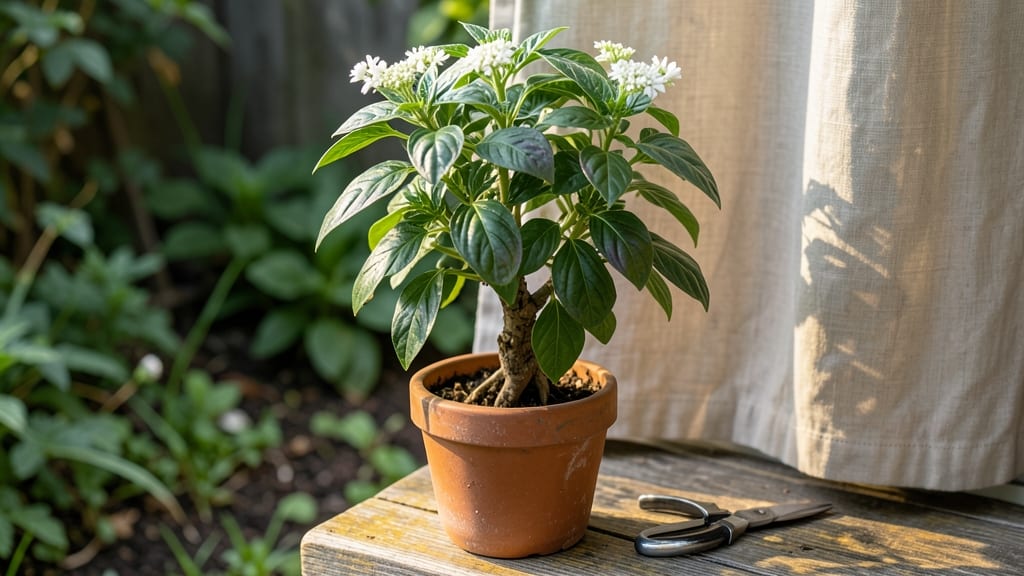
African tree basil thrives like a tropical houseplant—even when your neighbors' herbs freeze. 🌿 I grew mine from a single cutting last spring, and now it’s a 6-foot-tall flavor factory that never stops producing.
The secret lies in its fast growth and love of warmth, but the real game-changer? Three strategic trims that keep it bushy, fragrant, and ready to harvest year-round.
The plant craves bright, indirect light and well-draining soil—think potting mix with perlite, not heavy garden dirt. Keep it warm (60°F+), and water when the top inch feels dry. Most people struggle with leggy growth, but that’s just a sign it’s ready for its first trim.
The spicy anise flavor deepens with proper care, making it perfect for pesto, teas, or garnishes.
With the right trims, you’ll harvest pint-sized leaves every 2-3 weeks without sacrificing the plant’s vigor. The first cut encourages branching, the second boosts leaf production, and the third keeps it compact. No green thumb needed—just follow the science of pinching and watch it reward you with lush, flavorful growth.
Works indoors, in containers, or even as a patio plant in warm climates. Here’s how to master the trims and keep your basil thriving through every season—no winter dormancy required.
📚 In This Guide
- What you need
- Instructions
- Tips and common mistakes
- Wrapping up and next steps
What you need
- ● African Tree Basil Plant: 1 healthy starter plant (check for vibrant green leaves and no pests).
- ● Well-Draining Potting Mix: 5–10 gallons (use a blend of cactus/succulent mix + perlite for aeration).
- ● Container: 1 large pot (12–18 inches in diameter) with drainage holes or a grow bag.
- ● Watering Can: 1 with a narrow spout (for precise hydration).
- ● Pruning Shears: 1 pair of sterilized, sharp shears (or clean scissors in a pinch).
- ● Fertilizer: 1 bottle of balanced liquid fertilizer (10-10-10 or organic fish emulsion).
- ● Grow Lights: 1–2 LED lights (if indoors, 12–16 hours of light/day).
- ● Humidity Dome: 1 small plastic cover (to retain moisture during rooting).
- ● Rooting Hormone: 1 small tube (speeds up propagation).
- ● Support Stake: 1 bamboo stake (if your basil grows tall).
- ● pH Test Kit: 1 (ideal pH: 6.0–7.0 for African Tree Basil).
Step-by-Step instructions for pruning African tree basil
Here's how to keep your African tree basil thriving year-round with just three simple trims.
✂️ Step 1: First Trim for Bushier Growth
Wait until your African tree basil reaches about 6 inches tall—this usually takes 4-6 weeks from transplanting. Look for 4-6 sets of true leaves (the larger, mature leaves after the initial seed leaves). This is your cue to pinch back the top set of leaves using clean, sharp scissors or fingers.
Pinch just above a set of leaves where new growth emerges. This forces the plant to branch out instead of growing tall and leggy. You'll see new side shoots forming within 7-10 days. Here's the thing—don't trim more than one-third of the plant at once. This ensures it doesn't go into shock and keeps the energy focused on recovery and new growth.
✂️ Step 2: Mid-Season Trim for Harvest and Health
About 6-8 weeks after the first trim, your basil should be lush and full. This is when you'll start harvesting leaves regularly. Cut just above a leaf node (the point where leaves and stems meet) to encourage more branching. I like to harvest 2-3 leaves at a time from different parts of the plant to keep it balanced.
If your basil starts flowering, snip those buds immediately—they'll make the leaves bitter and slow growth. You'll know it's time for this trim when you see new growth at the base of the plant and leaves reaching 3-4 inches long. This is the moment that matters: regular trims keep your basil bushy, productive, and full of flavor.
✂️ Step 3: Late-Season Trim for Winter Readiness
As temperatures drop below 50°F, your African tree basil will slow down. This is when you do a harder trim to prepare it for winter. Cut back one-third to half of the plant, focusing on leggy or overgrown stems. This helps the plant redirect energy to its roots and survive the colder months.
After trimming, move your basil to a sunny indoor spot near a south-facing window or under a grow light for 12-14 hours a day. Water less frequently now—let the top 1 inch of soil dry out between waterings. You'll see new growth sprout from the base within 3-4 weeks, signaling it's ready to thrive indoors through winter.
Tips & tricks for perfect African tree basil growth
Real talk: These little details make all the difference between a basil plant that thrives and one that fizzles out. I've learned these the hard way after watching plants struggle.
Timing Secret: The 4-6 week window for your first trim is critical—this is when your plant has developed enough energy stores to handle the shock of pruning. If you trim too early, you risk stunting growth; too late, and you'll have a leggy, weak plant. I always check for those 4-6 sets of true leaves as my go-to marker.
Technique Tip: When pinching in Step 1, use your fingers instead of scissors for the first few trims. This gives you better control and prevents accidental damage to the stem. The key is to pinch just above a leaf node—this is where new growth will sprout. I like to make a clean break with a slight angle to help water run off.
Winter Prep Strategy: That 50°F temperature threshold is your cue to act. Don't wait until your plant is already struggling—move it indoors before the cold sets in. I've seen plants recover beautifully when brought in early, but those left too long often decline even with winter care. The 12-14 hours of light requirement is non-negotiable for indoor success.
Pro Tips for African Tree Basil
- Real talk: These little details make all the difference between a basil plant that thrives and one that fizzles out.
- Timing Secret: The 4-6 week window for your first trim is critical—this is when your plant has developed enough energy stores to handle the shock of pruning.
- Technique Tip: When pinching in Step 1, use your fingers instead of scissors for the first few trims.
Frequently asked questions
How often should I trim African tree basil for year-round growth?
Trim your African tree basil every 4–6 weeks to encourage bushier growth and prevent legginess. Focus on removing 1/3 of the plant at a time, cutting just above a leaf node (where new branches form). This keeps it productive and compact!
Can I grow African tree basil indoors year-round?
Place it near a sunny south-facing window (6+ hours of light daily) or use a grow light for 12–14 hours. Keep temps between 60–75°F and ensure good airflow to prevent mold. Rotate the pot weekly for even growth.
What’s the difference between African tree basil and regular basil?
African tree basil is hardier, larger, and more drought-tolerant than sweet basil. It has purple-tinged stems, broader leaves, and a milder, slightly spicy flavor. Plus, it grows 3–5 feet tall (vs. 1–2 feet for sweet basil), making it ideal for containers or small gardens.
Why is my African tree basil turning yellow or wilting?
Yellow leaves often signal overwatering (let soil dry between waterings) or nutrient deficiency (feed with balanced fertilizer every 4–6 weeks). Wilting can mean underwatering or root stress—check for pests (like spider mites) and ensure proper drainage. Trim damaged leaves to redirect energy.
Can I substitute African tree basil for Thai basil in recipes?
Yes! While African tree basil is milder than Thai basil (which has an anise-like kick), it works well in pesto, soups, and African-inspired dishes. For Thai basil’s flavor, add a pinch of clove or star anise to your recipe. Start with a 1:1 swap and adjust to taste.
Wrapping up and next steps
African tree basil thrives with the right care—and pruning is your secret weapon for year-round growth! 🌿 By mastering just three science-backed trims, you’ll encourage bushier plants, richer flavors, and a bountiful harvest.
Whether you’re a seasoned gardener or a curious beginner, these techniques make it simple to keep your basil lush and productive.
Ready to take the next step? Grab your shears, pick a sunny spot, and start trimming! Your kitchen—and taste buds—will thank you. 😊