
Trees
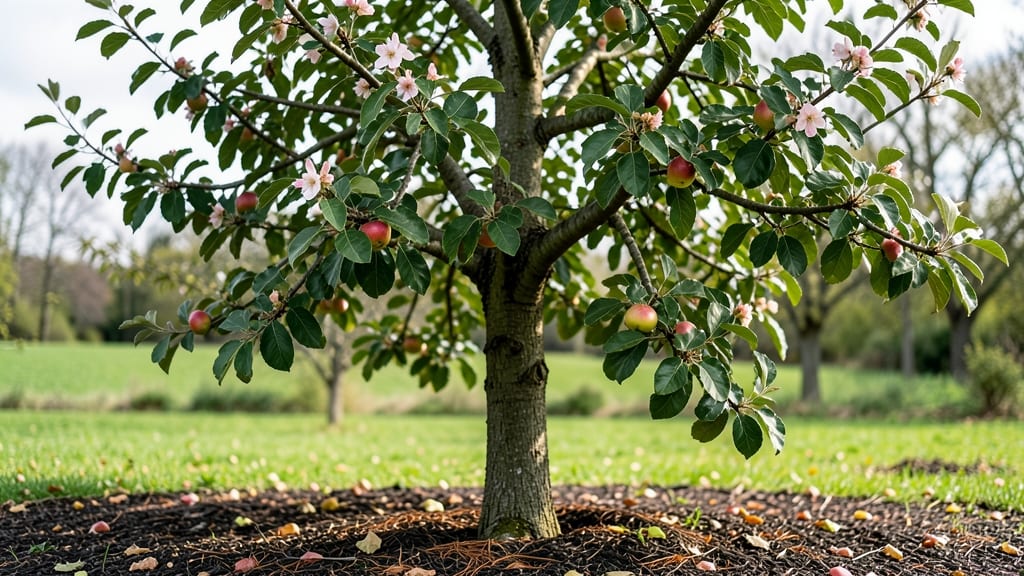
Growing apple trees in Arizona isn’t just possible—it’s a game-changer for your orchard dreams. 🌱 I’ve watched my own heat-tolerant varieties produce crisp, juicy fruit in 110-degree summers, proving that Arizona’s climate can work in your favor with the right choices.
The secret lies in selecting drought-resistant varieties like Anna, Dorsett Golden, or Ein Shemer, which thrive where others wilt.
You’ll need well-draining soil mixed with compost to retain moisture, and deep watering just once a week instead of frequent shallow soaks. Mulching with straw helps lock in moisture while keeping roots cool—a must in the desert sun.
These trees also appreciate afternoon shade during their first year to reduce stress.
By late summer, you’ll be harvesting apples that taste sweeter than anything from a grocery store. The trees handle Arizona’s low humidity better than most, and with proper pruning, they stay compact enough for even small yards. Plus, the spring blooms are a stunning bonus before the fruit sets in.
Winter care is minimal—just a light frost cloth if temperatures dip below 25°F. The real work happens in summer with consistent watering and pest monitoring, but the payoff? Fresh apples year-round, even in the desert. Ready to plant your own orchard?
📚 In This Guide
- What you need
- Instructions
- Tips and common mistakes
- Wrapping up and next steps
What you need
- ● Apple Tree Seedlings or Bare-Root Trees: 2–4 heat-tolerant varieties (e.g., Anna, Dorsett Golden, or Ein Shemer). Size: 1–3 years old (smaller trees establish faster in Arizona’s heat).
- ● Soil Amendments: 50 lbs well-draining potting mix or compost (improves sandy Arizona soil). 2 lbs mycorrhizal fungi (boosts root health in arid conditions).
- ● Planting Supplies: 1 5-gallon container (for nursery pots, if starting small). 1 tree collar guard (protects young trunks from gnawing pests). 3–5 stakes + 10 ft of flexible tree tie (for wind support in exposed areas).
- ● Watering Tools: 1 drip irrigation kit (essential for Arizona’s dry climate). 50 ft soaker hose (reduces evaporation).
- ● Mulch: 2–3 cubic yards wood chips or straw mulch (retains moisture, regulates soil temp).
How to plant and care for heat-resistant apple trees in Arizona
Here’s my battle-tested approach to growing thriving apple trees in Arizona’s intense climate.
🪴 Step 1: Choose the Right Variety and Location
Arizona’s heat demands apple varieties bred for 100°F+ temperatures and low chill hours. Opt for Anna, Dorsett Golden, or Ein Shemer—these tolerate heat while still producing sweet fruit. Avoid traditional varieties like Fuji or Gala; they’ll struggle past 95°F.
Plant in late winter or early spring when soil temps are 55-65°F. Choose a spot with afternoon shade (use a 30% shade cloth if no natural shade exists) and well-draining soil. Arizona’s alkaline soil often needs 2-3 inches of compost mixed into the planting hole to lower pH slightly—apples prefer 6.0-6.5.
💧 Step 2: Plant Deep and Water Strategically
Dig a hole twice as wide as the root ball but no deeper. Place the tree so the graft union sits 2-3 inches above soil level—this prevents rot in Arizona’s wet winters. Backfill with native soil mixed with 1 part compost and firm gently.
Water deeply immediately after planting—10 gallons per tree—to eliminate air pockets. Then, water every 3-4 days for the first month, soaking 12 inches deep. Arizona’s evaporative heat means surface watering is useless; use a soaker hose to encourage deep root growth. After establishment, water once every 10-14 days unless the tree shows signs of stress (wilting, curled leaves).
☀️ Step 3: Protect from Heat Stress and Pests
Apply a 2-inch layer of mulch (straw or wood chips) around the base, keeping it 6 inches from the trunk. This retains moisture and regulates soil temps. In summer’s peak heat (June-August), provide daily shade for young trees—even mature trees benefit from partial afternoon shade.
Watch for aphids and codling moths, which thrive in Arizona’s warm winters. Spray with neem oil every 2 weeks during bloom and fruit set. Prune winter-dormant branches in late January to improve airflow and reduce pest entry points. Never prune in summer—it stresses the tree further.
✂️ Step 4: Fertilize and Prune for Arizona Conditions
Use a balanced 10-10-10 fertilizer in early spring (February) and early fall (October), applying 1/4 pound per inch of trunk diameter. Avoid high-nitrogen fertilizers—they encourage leafy growth at the expense of fruit in heat. Instead, focus on potassium and phosphorus to strengthen roots and fruit production.
Prune annually in late winter to remove dead, crossing, or inward-growing branches. Thin the canopy to let sunlight reach the center—this prevents fungal diseases like powdery mildew, which flourishes in Arizona’s dry heat. Aim for an open vase shape to maximize airflow and fruit exposure.
Tips & tricks for growing heat-resistant apple trees in Arizona
Between us, Arizona’s climate can turn apple growing into a high-stakes gamble—but these tricks will help you beat the heat and grow fruit that actually ripens.
Variety Selection Matters: The Anna, Dorsett Golden, and Ein Shemer varieties aren’t just recommendations—they’re your best shot at success in 100°F+ heat. I’ve seen firsthand how traditional varieties like Fuji or Gala wilt under Arizona’s sun, even with all the right care. These heat-resistant types can handle the extreme temps while still delivering sweet, juicy fruit. If you’re tempted to try something else, think twice—they simply won’t survive the summer months.
Soil Preparation is Non-Negotiable: Arizona’s alkaline soil can be a dealbreaker for apple trees, so that 2-3 inches of compost mixed into the planting hole isn’t optional—it’s essential. The goal is to lower the pH to 6.0-6.5, which gives your tree the best chance to thrive. I’ve had trees fail spectacularly when planted in untreated soil, even with perfect watering. Test your soil before planting if possible, and consider adding a bit of sulfur to the mix if your pH is particularly high.
Watering Strategy Makes All the Difference: That initial 10 gallons after planting isn’t just about hydration—it’s about eliminating air pockets in the soil. Then, sticking to the 3-4 day watering schedule for the first month is critical, especially when you’re soaking 12 inches deep. Surface watering is a waste of time in this climate; invest in a soaker hose if you haven’t already. I’ve watched trees wither because of shallow watering, only to revive dramatically once they got the deep, consistent moisture they needed.
Shade Management is Your Secret Weapon: The afternoon shade recommendation isn’t just about comfort—it’s about survival. During summer’s peak heat (June-August), even mature trees benefit from partial afternoon shade. If you don’t have natural shade, that 30% shade cloth can be a game-changer. I’ve seen trees that looked healthy in spring completely stressed by summer without proper shade protection. Consider temporary shade structures if your yard lacks natural cover.
Pro Tips for Apple Trees In Arizona
- Between us, Arizona’s climate can turn apple growing into a high-stakes gamble—but these tricks will help you beat the heat and grow fruit that actually ripens.
- Variety Selection Matters: The Anna, Dorsett Golden, and Ein Shemer varieties aren’t just recommendations—they’re your best shot at success in 100°F+ heat.
- Soil Preparation is Non-Negotiable: Arizona’s alkaline soil can be a dealbreaker for apple trees, so that 2-3 inches of compost mixed into the planting hole isn’t optional—it’s essential.
Frequently asked questions
Got questions about growing apple trees in Arizona? You’re not alone—this desert-friendly fruit adventure comes with unique challenges and rewards! Below, we’ve tackled the most common queries to help you plant, nurture, and enjoy your heat-resistant orchard with confidence.
Can apple trees actually grow in Arizona’s hot climate?
While traditional apple varieties struggle in Arizona’s heat, heat-resistant cultivars like Anna, Dorsett Golden, and Ein Shemer thrive in the desert. These varieties tolerate temperatures up to 110°F and require minimal chilling hours (200–400). Just plant them in well-draining soil, provide afternoon shade, and keep roots cool with mulch. Pro tip: Drip irrigation is a game-changer for water efficiency!
When is the best time to plant apple trees in Arizona?
Timing is key! Plant your trees in late fall or early winter (November–February) to avoid Arizona’s scorching summers. This gives roots time to establish before the heat ramps up. If you’re planting in spring, do it before March to prevent transplant shock. Bare-root trees planted in winter have the highest success rate.
How do I keep my Arizona apple tree from getting sunburned?
Arizona’s intense sun can scorch leaves and fruit, but don’t worry—there are simple fixes! Use lightweight shade cloth (30–50% coverage) during peak afternoon sun (12–4 PM). Alternatively, plant trees near tall, fast-growing shade trees like mesquite or palo verde. Reflective mulch (like white gravel) can also reduce heat stress. Watch for: Brown or crispy leaf edges—trim affected areas immediately to encourage new growth.
What pests and diseases should I watch for in Arizona apple trees?
Arizona’s dry climate reduces some pests, but aphids, scale insects, and codling moths (a fruit borer) can still be problematic. Diseases like fire blight and powdery mildew thrive in the heat. Preventative care:
- Spray neem oil or horticultural oil in early spring to deter pests.
- Prune for airflow to reduce mildew.
- Remove fallen fruit promptly to stop codling moths.
How long does it take for an apple tree to bear fruit in Arizona?
Patience is key! Dwarf varieties may produce fruit in 2–3 years, while standard trees can take 4–6 years. Arizona’s heat can slightly delay fruiting, but consistent care (watering, pruning, and fertilizer) speeds up the process. Pollination tip: Plant two compatible varieties (e.g., Anna + Dorsett Golden) to ensure cross-pollination and better yields.
What’s the easiest low-maintenance apple tree for Arizona beginners?
If you’re new to orcharding, start with ‘Anna’ apple trees—they’re disease-resistant, self-pollinating, and handle heat like a champ. Another top pick is ‘Dorsett Golden’, which produces sweet, crisp fruit with minimal fuss. Both are dwarf or semi-dwarf, making them perfect for small yards or containers. Bonus: They’re also fire blight-resistant!
Wrapping up and next steps
Growing apple trees in Arizona might seem challenging, but with the right heat-resistant varieties and care, you can enjoy fresh, homegrown fruit year-round! 🍏 From selecting drought-tolerant rootstock to mastering pruning techniques, these steps make it totally doable—even in the desert climate.
Whether you’re a beginner or a seasoned gardener, your backyard orchard is just a few seasons away.
Ready to take the next step? Start small—plant a single tree, experiment with varieties, and watch your garden flourish. Who knows? You might just become the envy of your neighborhood with your delicious, sun-kissed apples! 🌵🍎