
Pruning
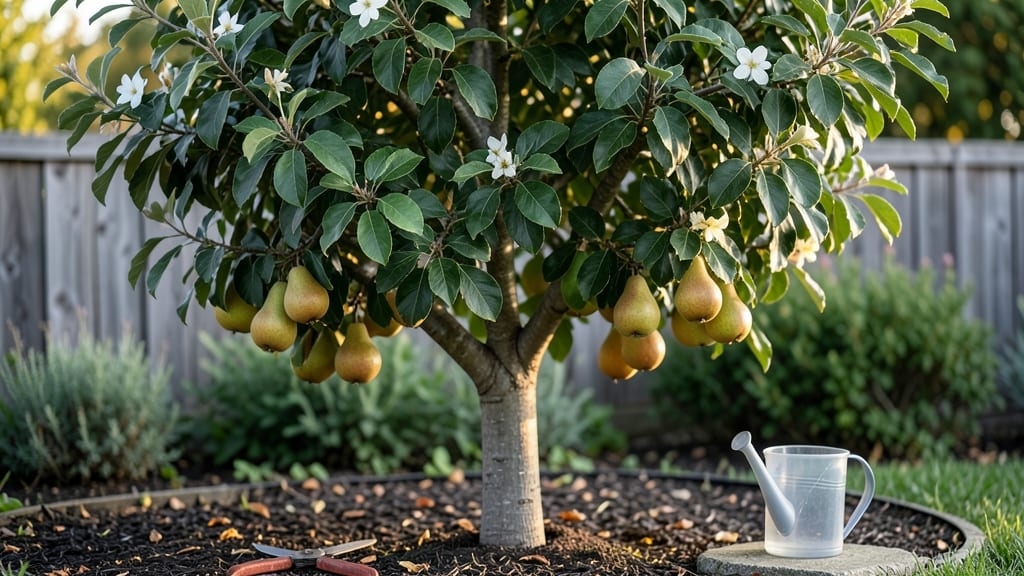
Growing an Asian pear fruit tree starts with the right pruning plan—because those golden jewels won’t appear without strategic cuts. 🌿 I learned this the hard way after my first tree produced nothing but leaves, until I finally understood how to shape it for fruit.
The key isn’t just cutting branches; it’s timing, technique, and knowing which limbs to keep (and which to sacrifice).
These trees thrive in temperate zones where winters dip below freezing but summers stay warm enough for sweet, crisp fruit. They need well-draining soil and full sun, but the real magic happens when you prune in late winter—before buds swell.
Remove dead wood first, then thin out crowded branches to let light and air circulate. The goal? A balanced shape that supports heavy fruit loads without snapping.
What you’ll end up with is a tree that bears fruit from early summer through fall, with varieties like ‘Kosui’ or ‘Niitaka’ offering juicy, honey-like flavor. The first harvest might be small, but each year the yield grows as the tree matures.
And here’s the best part: Asian pears store well, so you’ll enjoy their crisp sweetness long after the tree stops producing.
Works for backyard orchards, urban yards with dwarf varieties, and even containers if you choose the right size. The same principles apply whether you’re shaping a young sapling or renewing an older tree. Let’s get those pruners ready!
📚 In This Guide
- What you need
- Instructions
- Tips and common mistakes
- Wrapping up and next steps
What you need
- ● Pruning shears: Sharp, bypass-style shears (for small branches, 4–6 inches in length).
- ● Loppers: Heavy-duty, 8–12 inches long (for thicker branches, up to 2 inches in diameter).
- ● Pruning saw: Curved-tooth saw (for branches thicker than 2 inches).
- ● Disinfectant: 70% isopropyl alcohol or a 10% bleach solution (to sterilize tools between cuts).
- ● Garden gloves: Heavy-duty, cut-resistant (to protect your hands from thorns and rough bark).
- ○ Tree pruning sealant: Optional but recommended for large cuts (to prevent disease entry).
- ● Tarp or drop cloth: Large enough to lay under the tree (to collect debris).
- ● Watering can or hose: With a gentle spray nozzle (for post-pruning hydration).
- ● Extension pole: For hard-to-reach branches (10–15 feet long).
- ● Tree bag or plastic wrap: To protect fresh cuts from pests and sun scorch.
- ● Fertilizer (balanced 10-10-10 or organic): Apply after pruning to boost recovery.
- ● Stake and twine: For supporting young or newly pruned branches (if needed).
How to prune an Asian pear tree for maximum fruit production
Strategic trimming keeps your tree healthy and loaded with fruit year after year.
✂️ Step 1: Time Your Pruning for Optimal Growth
Prune your Asian pear tree during late winter or early spring, just before buds swell but before new growth begins. This timing ensures you remove dead wood while stimulating strong spring growth. Avoid pruning in fall—it leaves wounds open to pests and disease during winter dormancy.
If you must prune in summer, do it immediately after harvest to redirect energy toward next year's fruit. But winter pruning gives you the cleanest results. Watch for the first signs of bud swell—tiny green bumps along the branches—that’s your cue to start.
✂️ Step 2: Remove Dead, Diseased, or Crossing Branches First
Start by cutting out any dead, diseased, or broken branches—these sap energy from your tree. Use clean, sharp pruning shears to make cuts at a 45-degree angle just outside the branch collar. Never leave stubs; this invites rot and weakens the tree.
Next, remove branches that cross or rub against each other. Friction creates wounds that attract pests. Look for branches growing inward—they’ll block sunlight and air circulation, reducing fruit quality. I always prune these first so I can see the tree’s natural shape more clearly.
✂️ Step 3: Thin the Canopy for Better Airflow and Sunlight
Step back and visualize your tree’s structure. Asian pears need open airflow to prevent fungal diseases like fire blight. Remove 25-30% of the smallest branches to thin the canopy, starting from the inside out. This opens up the center, letting sunlight reach lower branches where fruit develops.
Focus on branches that grow straight up or downward—they’re less productive. Instead, encourage outward-facing branches at a 45-60 degree angle from the trunk. These angles catch sunlight and produce better fruit. If a branch is too crowded, cut it back to a strong side branch.
✂️ Step 4: Shape the Tree for Balance and Fruit Production
Asian pear trees respond well to an open-center or central leader shape, depending on the variety. For dwarf varieties, maintain a 4-6 foot height with a wide, rounded canopy. For standard trees, aim for a 10-12 foot height with a balanced spread.
Prune to create a strong scaffold of main branches spaced 8-12 inches apart. Remove any "water sprouts"—thin, fast-growing shoots that appear along the trunk or branches. These steal energy from fruit production. After shaping, step back again to check for symmetry.
✂️ Step 5: Clean Up and Protect Your Tree
After pruning, sterilize your tools with rubbing alcohol to prevent spreading disease. Collect and dispose of all clippings—don’t leave them under the tree, as they can harbor pests. If your tree is young or weak, apply a wound sealant to larger cuts over ½ inch in diameter to reduce sap loss.
Finish by spreading 2-3 inches of mulch around the base (but not touching the trunk) to retain moisture and suppress weeds. Water deeply to help the tree recover. You’ll see new growth within 2-3 weeks—that’s your sign the pruning worked.
Tips & tricks for perfect Asian pear tree pruning
Pruning an Asian pear tree isn't just about cutting branches—it's about sculpting a future harvest. Here's what I've learned after years of shaping my own trees.
Timing is Everything: The late winter/early spring window is critical because your tree is still dormant but about to wake up. If you prune too early, you risk exposing fresh cuts to winter cold; too late, and you disrupt the tree's natural growth cycle. I mark my calendar for when the buds start swelling—usually around late February in my zone—but before they actually open. This timing ensures you're removing dead wood while stimulating new growth without stressing the tree.
Branch Angle Matters More Than You Think: When shaping your tree in Step 4, pay special attention to those 45-60 degree angles. Branches growing straight up or down are less productive because they block sunlight from reaching lower branches where fruit develops. I use a small mirror on a stick to check angles I can't see from the ground—it's worth the extra effort for that perfect sunlight exposure. The goal is to create a balanced canopy where every branch gets equal sunlight.
Don't Underestimate the Cleanup: Step 5 is where most people cut corners, but proper cleanup prevents future problems. I've seen trees get reinfected with diseases just because pruners weren't sterilized between cuts. Keep rubbing alcohol handy and wipe your shears after every 3-4 cuts. Also, those 2-3 inches of mulch aren't just for looks—they create a moisture barrier that keeps roots cool in summer and insulated in winter. I always check the mulch depth after pruning to make sure it's still at least 2 inches thick.
Visualize the Tree's Future: Before making any cuts, step back and imagine how your tree will look in 3 years. Asian pears develop fruit on last year's growth, so you want to maintain branches that are 2-3 years old. I sketch a rough outline on paper first—it sounds silly, but it helps me see the big picture. Look for branches that are about pencil-thick (roughly ½ inch diameter) when deciding what to keep. These will produce the best fruit next season.
Pro Tips for Asian Pear Fruit Tree
- Pruning an Asian pear tree isn't just about cutting branches—it's about sculpting a future harvest.
- Timing is Everything: The late winter/early spring window is critical because your tree is still dormant but about to wake up.
- Branch Angle Matters More Than You Think: When shaping your tree in Step 4, pay special attention to those 45-60 degree angles.
Frequently asked questions
Got questions about growing and pruning your Asian pear fruit tree?
Here are answers to some of the most common ones—so you can keep your tree thriving and productive all year long!
How do I know when to prune my Asian pear tree?
Prune your Asian pear tree during its dormant season—typically late winter or early spring (before buds swell) or right after harvest in late summer. Avoid heavy pruning in fall, as it can leave wounds vulnerable to disease. Light shaping can be done anytime, but major cuts should wait for dormancy.
How much can I trim off without harming the tree?
For young trees, remove up to 25% of the canopy per year to encourage growth. Mature trees can handle 15-20% annually. Never remove more than 25% in a single session, or you risk stressing the tree. Focus on dead, crossing, or overcrowded branches first—this keeps the tree healthy and productive!
Will pruning reduce my Asian pear harvest?
Not if done correctly! Pruning actually boosts fruit quality and quantity by improving airflow and sunlight penetration. Removing dense or weak branches redirects energy to healthier growth and larger, sweeter pears. Just avoid over-pruning—balance is key for a bountiful harvest!
What should I do if my Asian pear tree has pests after pruning?
Pruning opens the tree to pests like aphids or borers. Act fast: Spray with neem oil or insecticidal soap for soft-bodied bugs. For borers, apply beneficial nematodes or prune infested branches immediately. Keep the area clean—remove fallen leaves and debris to deter pests naturally.
Can I grow an Asian pear tree in a container?
Yes, but choose a large container (at least 20+ gallons) with drainage holes. Dwarf varieties like ‘Seiki’ or ‘Hosui’ work best. Prune regularly to control size, and repot every 2-3 years. Place in full sun, and water consistently—containers dry out faster than ground soil!
Wrapping up and next steps
Growing an Asian pear fruit tree with year-round abundance is entirely within your reach—thanks to strategic pruning! By mastering the right techniques, you’ll enjoy juicy, sweet fruit while keeping your tree healthy and productive.
Whether you’re a beginner or a seasoned gardener, consistent care and patience will reward you with a thriving orchard.
Ready to take the next step? Start small—pick one tree to practice on, gather your tools, and schedule your first pruning session. Before you know it, you’ll be harvesting homegrown Asian pears like a pro! 🌱✨