
Trees
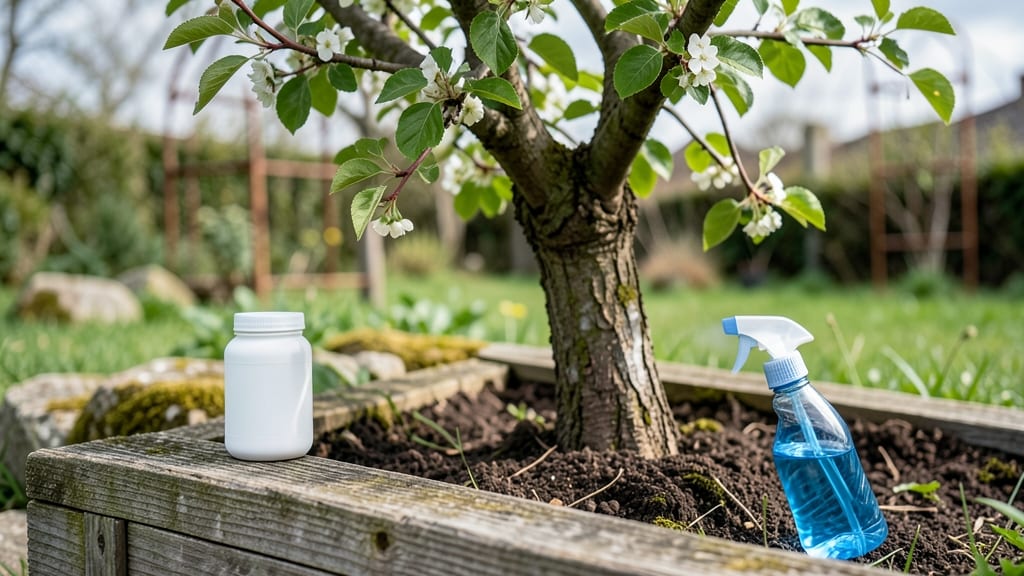
When your tree leaves start looking like they’ve been dusted with flour, baking soda might be your secret weapon. 🌿 I’ve saved my own maple and oak trees from powdery mildew using this simple, kitchen-pantry trick—no harsh chemicals required.
The magic lies in its natural antifungal properties, which disrupt fungal spores while keeping your tree’s delicate balance intact.
You’ll need just three things: 1 tablespoon baking soda, 1 quart warm water, and a spray bottle. Mix them gently (never shake vigorously—it creates suds that clog sprayers), and add a dash of dish soap to help the solution stick.
This foolproof recipe costs pennies and works best on early signs of fungal issues, like white powder or yellowing leaves.
After spraying—early morning or late evening—you’ll notice leaves looking cleaner within hours. Over 2-3 weeks, fungal growth slows dramatically, and new leaves emerge shiny and healthy.
It’s not a cure-all (severe infections need stronger treatments), but for preventive care, this is my go-to for organic maintenance.
Works on most deciduous trees but test a small branch first—some sensitive species react to alkalinity. For tougher pests, pair it with neem oil. Here’s how to do it right without harming your trees.
📚 In This Guide
- What you need
- Instructions
- Tips and common mistakes
- Wrapping up and next steps
What you need
- ● Baking soda (sodium bicarbonate): 1 tablespoon (for every gallon of water)
- ● Vegetable oil (or horticultural oil): 1 teaspoon (helps the mixture stick to leaves)
- ● Dish soap (mild, unscented): ½ teaspoon (acts as a surfactant to help the spray adhere)
- ● Water: 1 gallon (3.8 liters) (distilled or rainwater is best to avoid chlorine)
- ● Spray bottle or garden sprayer: 16-ounce (for small trees) or 1-gallon capacity (for larger trees)
- ● Mixing container: A clean bucket or large bowl (non-reactive, like stainless steel or glass)
- ○ Protective gear: Gloves and safety goggles (optional but recommended for sensitive skin or eyes)
- ○ Neem oil (optional): ½ teaspoon (enhances antifungal properties—great for stubborn fungal issues)
- ○ Aspirin (crushed, optional): 1 tablet dissolved in warm water (boosts immune response in plants)
- ● Strainer or cheesecloth: To filter out any undissolved particles before spraying
- ● Label or marker: To tag your spray bottle with the date and ingredients (helps track effectiveness)
Step-by-step guide to making an effective baking soda tree spray
Here's the straightforward method I use to protect my trees from fungal infections.
🌿 Step 1: Gather and Mix Your Materials
Combine 1 tablespoon baking soda with 1 quart warm water in a clean spray bottle or garden sprayer. I always use warm water—it helps the baking soda dissolve completely, preventing clumping that can clog your sprayer nozzle. Stir gently until fully dissolved, but don't overmix—just enough to create a uniform solution.
For extra effectiveness, add 1 teaspoon horticultural oil or 1 tablespoon vegetable oil to help the solution adhere to leaves and smother fungal spores. This creates a protective film that prevents spores from germinating. I skip the oil only if I'm treating a tree during extreme heat—oil can cause leaf burn when temperatures exceed 90°F.
💧 Step 2: Apply the Spray During Optimal Conditions
Choose a calm, overcast day for application—direct sunlight can cause leaf scorch from the baking soda solution. I always spray early morning or late afternoon when temperatures are mild. Focus on the undersides of leaves, where fungal spores often hide and thrive. Use a fine mist setting on your sprayer to ensure even coverage without dripping.
Apply until leaves are glistening but not dripping wet. Overwatering leaves can create the perfect environment for fungal growth, so avoid soaking the foliage. If you're treating a large tree, break the process into sections—spraying the entire canopy at once can stress the tree. I usually start with the lower branches and work my way up to avoid missing any areas.
☀️ Step 3: Schedule Regular Applications for Prevention
For active fungal infections, apply the spray every 7-10 days until the problem clears. You'll know it's working when new growth appears healthy and vibrant instead of yellowed or spotted. Prevention is easier—spray once every 4-6 weeks during the growing season to keep fungal spores at bay. I set a reminder on my phone to treat my trees before the rainy season starts, as moisture triggers most fungal outbreaks.
Don't forget to rotate application days with other natural fungicides like neem oil or copper spray. This prevents fungal resistance from developing. I alternate between baking soda and neem oil treatments every other week for my fruit trees, and they stay disease-free year after year. Real talk: If you see black spots or powdery residue on leaves after treatment, rinse the foliage gently with water—this usually means the baking soda concentration was too high.
✂️ Step 4: Monitor and Adjust for Best Results
After each application, check for improved leaf color and reduced spotting within 7-14 days. Healthy leaves should appear shiny and firm, not brittle or discolored. If you notice new fungal growth after treatment, increase the frequency to every 5-7 days and consider adding a tablespoon of liquid seaweed extract to boost the tree's natural defenses.
For severe infections, combine the baking soda spray with 1 tablespoon of hydrogen peroxide (3%) in the same quart of water. This creates a stronger antifungal solution, but only use it once every 3 weeks to avoid over-stressing the tree. I reserve this mix for my most prized trees when I see large patches of fungal growth spreading rapidly. Always test a small branch first—some trees are more sensitive to hydrogen peroxide than others.
Tips & tricks for perfect baking soda tree spray applications
Between us, the devil's in the details when it comes to keeping your trees healthy—here's how to get every drop of this spray working for you.
Mixing Precision: When combining the 1 tablespoon baking soda with 1 quart warm water, use a fine-mesh strainer to filter out any undissolved particles before transferring to your spray bottle. This prevents nozzle clogging and ensures a smooth application. I learned this the hard way after ruining three sprayers with stubborn baking soda residue. Stirring gently until just dissolved (no vortexing) creates a uniform solution that won't settle or separate later.
Oil Application Strategy: If you add the optional 1 teaspoon horticultural oil, emulsify it first by mixing with a small amount of warm water before adding to the baking soda solution. This prevents the oil from floating on top of the spray. Remember, skip the oil entirely when temperatures exceed 90°F—the protective film can actually trap heat and cause leaf scorch. For sensitive trees like magnolias, I recommend testing a small branch first before full application.
Application Technique: Use a sprayer with an adjustable nozzle to control the mist—aim for a fine spray that covers both leaf surfaces without dripping. For large trees, work in sections starting from the lowest branches upward. This prevents overspray from drying on upper leaves before reaching lower ones. I always finish with a light pass over the undersides where spores love to hide, using a gentle sweeping motion to avoid damaging tender foliage.
Monitoring Success: After each application, check for improved leaf color within 7-14 days. Healthy leaves should show reduced spotting and maintain their natural shine. If you notice black spots or powdery residue appearing, this indicates the baking soda concentration was too high—rinse affected leaves gently with clean water and reduce the baking soda to 1 teaspoon for your next application. The goal is to create a protective shield, not a chemical burn.
Pro Tips for Baking Soda For Trees
- Between us, the devil's in the details when it comes to keeping your trees healthy—here's how to get every drop of th...
- Mixing Precision: When combining the 1 tablespoon baking soda with 1 quart warm water, use a fine-mesh strainer to fi...
- Oil Application Strategy: If you add the optional 1 teaspoon horticultural oil, emulsify it first by mixing with a sm...
Frequently asked questions
Got questions about using baking soda for your trees? You’re not alone! Here are some of the most common concerns—and their answers—to help you feel confident before spraying.
How often should I spray baking soda on my trees?
For best results, spray your trees every 7–14 days during active fungal growth (spring and summer). If your tree is already heavily infected, apply it weekly until symptoms improve. Once the issue clears, switch to a monthly maintenance spray to keep fungi at bay.
How long does it take to see results?
You might notice improvements within 1–2 weeks, but severe cases could take 3–4 weeks or longer. Consistency is key—skip a spray, and fungi can bounce back! Monitor leaves for color and texture changes as signs of recovery.
Can I use baking soda spray if rain is forecasted?
Yes, but time it right! Apply the spray in the evening so it has a few hours to dry before rain washes it away. If heavy rain is expected within 24 hours, wait until after the storm to reapply. A light misting won’t hurt, but thorough coverage matters.
What if my tree’s leaves turn brown or crispy after spraying?
Overuse or high concentrations (too much baking soda) can cause leaf burn. Dilute your mix to 1 tbsp baking soda per gallon of water and avoid spraying on hot, sunny days. If browning occurs, rinse the leaves gently with water and reduce future applications.
Is baking soda spray safe for all types of trees?
Baking soda is generally safe for most trees, but avoid using it on acid-loving plants (like blueberries or azaleas) or trees with sensitive bark (e.g., fruit trees). Always test a small branch first. For non-organic options, consider neem oil or copper fungicides as alternatives.
Pro Tip:
Mix your baking soda spray in a spray bottle or pump sprayer for even coverage. Add a few drops of dish soap (like Castile soap) to help the solution stick to leaves—just don’t overdo it, or it could clog your sprayer!
Wrapping up and next steps
Baking soda isn’t just for baking—it’s a natural, budget-friendly ally for keeping your trees healthy and fungus-free! 🌿 With just a few simple ingredients, you’ve got an easy, eco-conscious way to protect your leafy friends from common pests and diseases.
Whether you’re a seasoned gardener or just starting out, this solution is simple, effective, and safe for most trees.
Ready to give your trees the care they deserve? Start small—test the spray on one branch first, observe for a few days, and then expand. Happy spraying, and watch your trees thrive! 🌱✨