
Trees
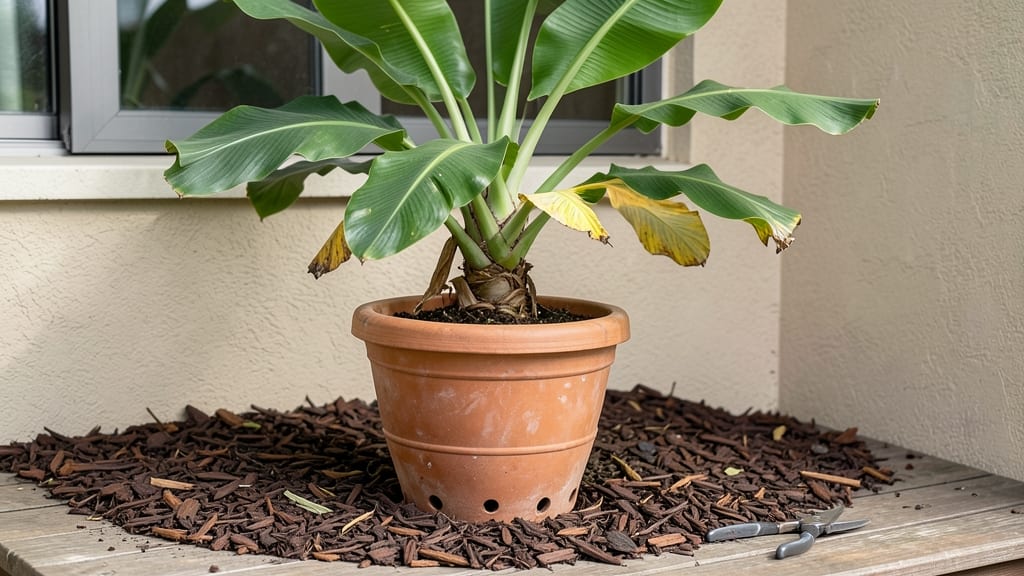
Growing banana trees in Ohio isn’t just possible—it’s a rewarding challenge that turns your yard into a tropical escape. 🌿 I’ve grown these cold-hardy varieties for years, and the secret lies in choosing the right Musa species and giving them the right winter shelter.
The payoff? A plant that produces fruit in Zone 5-6 with the right care.
Ohio’s winters demand smart strategies: container growing for mobility, greenhouse protection, or even bringing potted plants indoors. Varieties like Musa acuminata 'Dwarf Brazilian' or Musa basjoo handle our cold snaps better than most, but they still need insulation and mulch.
Start with a 5-gallon pot or larger, and plant in well-draining soil mixed with compost.
By summer, you’ll watch broad, glossy leaves unfurl and even see flower spikes emerge. With proper overwintering—like wrapping the pot in bubble wrap or moving it to a garage—your banana tree can bounce back year after year.
The fruit may not be as sweet as tropical bananas, but the experience is pure satisfaction.
This works for urban balconies, rural yards, or even greenhouses. The key is adapting to Ohio’s climate without giving up on that tropical vibe. Let’s get those roots growing!
📚 In This Guide
- What you need
- Instructions
- Tips and common mistakes
- Wrapping up and next steps
What you need
- ● Banana Tree Plants: Choose cold-hardy varieties like Musa basjoo (Japanese banana) or Musa acuminata (dwarf varieties). Buy 1-3 plants, depending on space.
- ● Well-Draining Soil: Mix 50% garden soil with 50% compost or peat moss (10-15 cubic feet per plant). For containers, use a potting mix for tropical plants.
- ○ Container (Optional but Recommended for Ohio Winters): Large pots (15-20 gallons) with drainage holes, or
- ● Grow bags (30+ gallons) for easy winter relocation.
- ● Mulch: 4-6 inches of straw or wood chips to insulate roots (especially in ground plantings).
- ● Fertilizer: Balanced fertilizer (10-10-10) for planting, and
- ● Banana-specific fertilizer (high in potassium and magnesium) every 4-6 weeks during growing season.
- ● Watering Can or Hose: With a gentle spray nozzle for deep watering (1-2 gallons per watering, 2-3 times per week).
- ● Pruners: Sharp, sterilized pruners for trimming dead fronds or overgrowth.
- ● Burlap or Frost Cloth: To protect young plants from late spring/early fall frosts (if planting outdoors).
- ● Thermometer: To monitor soil temperature (ideal: 60-85°F for growth).
- ● Trellis or Stakes: For support if your banana tree grows tall (especially in containers).
- ● Slow-Release Fertilizer Pellets: For convenience (apply once every 2-3 months).
- ● Soil pH Test Kit: Bananas prefer slightly acidic soil (pH 6.0-7.0)—adjust with lime or sulfur if needed.
- ● Garden Gloves: To protect your hands while handling thorny pseudostems.
- ● Winterization Kit: Insulated plant wraps,
- ● Heating pad for containers, or
- ● A sunny indoor space (like a garage or sunroom) for overwintering.
Step-by-step guide to growing cold-hardy banana trees in Ohio
Here's how to keep your tropical banana plants alive through Ohio winters.
🌱 Step 1: Select the Right Cold-Hardy Variety
Not all bananas tolerate Ohio's winters. Look for Musa basjoo or Musa acuminata 'Dwarf Cavendish'—both survive down to 10°F with proper care. These varieties grow 10-15 feet tall in ideal conditions, so choose a sheltered spot near your home or garage for winter protection.
Check the plant tag for cold-hardiness ratings. Avoid tropical varieties like Musa velutina—they won't survive Ohio winters. The key is finding a nursery that specializes in cold-hardy plants or ordering online from reputable growers who ship bare-root plants in early spring.
🪴 Step 2: Plant in Well-Draining Soil with Winter Protection
Plant your banana tree in well-draining soil mixed with compost to improve fertility. Ohio's clay-heavy soil drains poorly, so amend with sand or perlite if needed. The hole should be twice as wide as the root ball but only as deep—planting too deep suffocates the roots.
Here's the winter prep trick: Wrap the base of the plant in burlap and mound 4-6 inches of mulch around the root zone using the straw mulch. This insulates the roots while allowing airflow to prevent rot. In extreme winters, add a breathable frost cloth over the entire plant for extra protection.
☀️ Step 3: Provide Year-Round Sun and Water Management
Banana trees need full sun (6+ hours daily) but struggle with Ohio's intense summer heat. In summer, provide afternoon shade using a lightweight shade cloth (30-50%) to prevent leaf scorch. You'll notice the leaves turning yellow or crispy at the edges—this is your signal to add shade immediately.
Water deeply once a week in summer, but reduce to every 2-3 weeks in winter. The soil should dry out between waterings—banana trees hate soggy roots. In winter, water only if the ground feels bone dry 2 inches below the surface. Overwatering in cold weather leads to root rot, which kills the plant quickly.
✂️ Step 4: Prune and Protect Before First Frost
When temperatures drop below 40°F, prune back any dead or damaged leaves with clean pruning shears. Cut leaves at the base, leaving only the sturdy pseudostem. This reduces the plant's energy demands during dormancy. Don't remove healthy leaves—banana trees store energy in their leaves for spring regrowth.
Once frost hits, cover the entire plant with 4-6 inches of straw mulch and wrap the base with burlap. For extra protection, place a clear plastic barrel (cut in half) over the plant to trap heat. Check weekly for mold or rot—remove any damp material immediately to prevent disease. The goal is to keep the roots above freezing while allowing airflow.
⏰ Step 5: Revive in Spring and Encourage New Growth
As soon as temperatures rise above 50°F, remove winter coverings. You'll see new shoots emerging from the base within 2-3 weeks—this is your signal to remove all old mulch and prune back any dead growth. Banana trees regrow quickly in spring, so fertilize with balanced 10-10-10 fertilizer at half strength once new leaves appear.
Here's where it gets fun: Watch for flower spikes in late summer. If your plant produces a bloom, it's a good sign it survived the winter. However, don't harvest fruit in Ohio's climate—focus on establishing a strong plant first. With proper care, your banana tree will reward you with leaves up to 8 feet long and occasional cold-hardy fruit by year three.
Tips & tricks for perfect cold-hardy banana trees in Ohio
These pro tips will help you keep your banana trees thriving through Ohio's unpredictable winters—and avoid the common mistakes that kill them.
Variety Matters: The 10°F cold-hardiness rating for Musa basjoo and Musa acuminata 'Dwarf Cavendish' is non-negotiable. I learned this the hard way when a Musa velutina (tropical variety) froze solid in my first winter. Always verify the tag—some nurseries mislabel plants. For extra insurance, plant near your garage or foundation where cold air settles last.
Soil Science: Ohio's clay soil is the real enemy. The twice-as-wide planting hole with sand or perlite amendments creates the perfect drainage. I've seen banana trees drown in heavy clay even with regular watering. Test your soil first—if it stays muddy when squeezed, you need more amendments. Pro tip: Mix in compost to improve fertility without compacting the soil.
Winter Protection Hacks: That 4-6 inches of straw mulch is your best friend, but here's what nobody tells you—check for mold every week. Damp mulch creates the perfect environment for rot. I use pine straw instead because it stays drier. For extreme winters, add a clear plastic barrel (cut in half) over the top—it traps heat like a greenhouse while still allowing airflow through the sides.
Spring Revival: The 50°F threshold for removing winter coverings is your cue to act fast. I've seen plants revive within 2-3 weeks when given proper care, but waiting too long risks shock. Remove old mulch completely—don't just pile it on top. The fresh soil signals the plant it's time to grow. And that half-strength 10-10-10 fertilizer? Use it only after you see new shoots—don't fertilize dormant plants.
Pro Tips for Banana Trees In Ohio
- These pro tips will help you keep your banana trees thriving through Ohio's unpredictable winters—and avoid the common mistakes that kill them.
- Variety Matters: The 10°F cold-hardiness rating for Musa basjoo and Musa acuminata 'Dwarf Cavendish' is non-negotiable.
- Soil Science: Ohio's clay soil is the real enemy.
Frequently asked questions
Got questions about growing banana trees in Ohio’s chilly climate? You’re not alone!
Here are some of the most common concerns—plus expert-backed answers to help you cultivate your tropical oasis without the frostbite.
Can banana trees really survive Ohio winters?
Yes! While traditional banana trees (Musa spp.) are tropical, cold-hardy varieties like Musa acuminata ‘Dwarf Cavendish’ or Ensete ventricosum (false banana tree) can tolerate Ohio’s winters—down to 15–20°F with proper care. Mulch heavily, wrap the trunk, and plant in sheltered microclimates (e.g., near south-facing walls). For extra protection, grow them in large containers and move them indoors or under cover when temps drop below freezing.
How long does it take for a banana tree to bear fruit in Ohio?
Patience is key! Most cold-hardy banana trees take 1–3 years to produce fruit, depending on the variety and growing conditions. Ensete ventricosum, for example, may take 2–4 years to flower, while dwarf cultivars like Musa ‘Ice Cream’ might fruit in 1–2 years if given ideal warmth, sunlight, and nutrients. Pro tip: Use a grow light in winter to extend the growing season and encourage faster maturation.
What’s the best alternative if my banana tree doesn’t survive winter?
No worries—Ohio’s climate is perfect for hardy tropical lookalikes! Try these cold-resistant plants that mimic banana trees:
- False Banana Tree (Ensete ventricosum): Thrives in zones 7–10, produces edible corms, and has dramatic foliage.
- Bird of Paradise (Strelitzia nicolai): Zones 9–11 (grow in containers and overwinter indoors).
- Dwarf Date Palm (Phoenix roebelenii): Hardy to 15°F in containers.
- Cordyline (Cordyline fruticosa): "Ti plant" with banana-like leaves, zones 9–11 (container-friendly).
Why are my banana tree leaves turning yellow or brown?
Yellowing or brown leaves are usually a cry for help! Here’s a quick troubleshooting guide:
Issue
Likely Cause
Fix It!
Yellow edges on older leaves
Overwatering or poor drainage
Let soil dry between waterings; amend with perlite or sand.
Brown tips or crispy leaves
Underwatering or low humidity
Water deeply 1–2x/week; mist leaves or use a pebble tray.
Yellow all over (new growth)
Nutrient deficiency (often potassium or magnesium)
Fertilize with a banana-specific or tropical plant food (high in K).
Black spots or holes
Fungal disease (e.g., sigatoka) or pests (e.g., spider mites)
Spray with neem oil; remove affected leaves; improve airflow.
Are the bananas from Ohio-grown trees safe to eat?
Most cold-hardy banana trees produce small, seedy, and often inedible fruits—think of them as ornamental or novelty treats! However, Musa acuminata ‘Dwarf Cavendish’ can yield tiny, sweet bananas (about 4–6 inches long) if given optimal care. For edible bananas, grow Musa basjoo (Japanese banana) or harvest the corms of Ensete ventricosum (cook them like potatoes!). Always research varieties and growing conditions to avoid disappointment.
Wrapping up and next steps
Growing banana trees in Ohio is absolutely doable—even in colder climates! 🌱 With the right cold-hardy varieties, proper care, and a little creativity (like container gardening or greenhouse setups), you can enjoy tropical vibes year-round.
Whether you’re a seasoned gardener or just starting, these resilient plants bring a unique charm to your space.
Ready to take the next step? Start small—pick a variety that suits your zone, gather your supplies, and plant with confidence! Who knows? You might just be growing Ohio’s next favorite backyard (or patio!) highlight. 🍌✨