
Trees
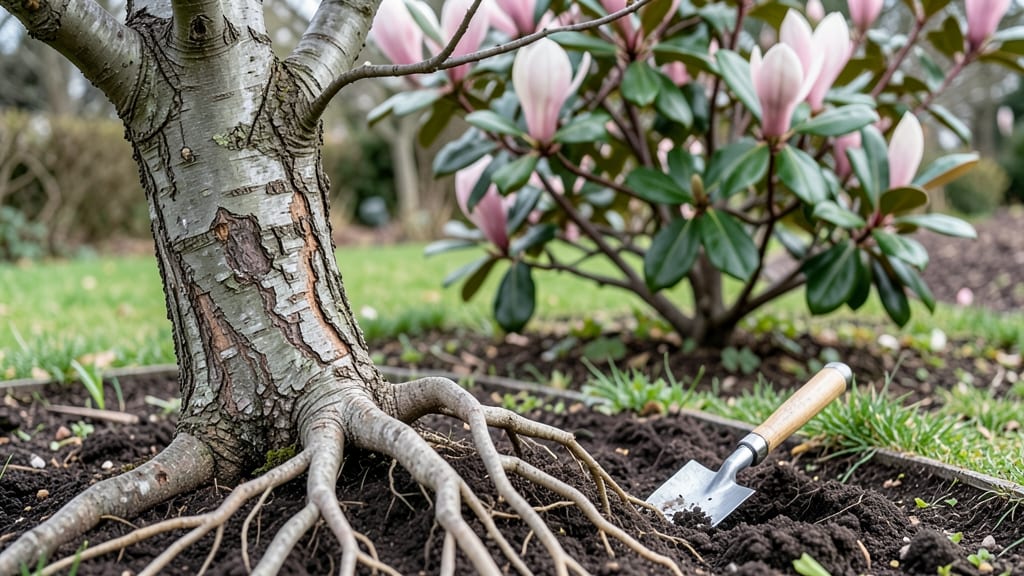
Planting a bare root magnolia tree in late winter unlocks a lifetime of fragrant blooms and towering elegance. I still remember the first time I dug into the damp soil—my hands came away smelling like promise, knowing this dormant season was the perfect window to plant.
The key isn’t just the timing, but the way the roots settle into the earth, hungry for spring’s warmth.
You’ll need a shovel, compost, and a spot with at least 6 hours of sunlight—magnolias reward patience with glossy leaves and showstopping flowers. The planting itself takes about 30 minutes, but the real magic happens in the months that follow as roots spread and branches fill out.
Even in colder climates, these trees thrive when planted correctly, their sturdy structure standing strong against winter winds.
📚 In This Guide
- What you need
- Instructions
- Tips and common mistakes
- Wrapping up and next steps
What you need
- ● Bare Root Magnolia Tree – Choose a healthy, dormant tree (size varies by variety; common options range from 3-6 feet tall).
- ● Shovel or Spade – A round-point shovel (16-18 inches wide) works best for digging.
- ● Garden Gloves – Heavy-duty gloves to protect your hands from dirt and thorns.
- ● Pruning Shears – For trimming damaged roots or branches (if needed).
- ● Mulch (Pine Straw or Wood Chips) – 2-3 inches of organic mulch to retain moisture and regulate soil temperature.
- ● Compost or Well-Rotated Manure – 5-10 pounds to enrich the planting hole.
- ● Watering Can or Hose with Nozzle – For gentle, deep watering (avoid high pressure).
- ○ Staking Kit (Optional) – Includes 2-3 stakes (6 feet tall) and soft ties if your tree is top-heavy or in a windy area.
- ○ Root Stimulator (Optional) – A biological or mycorrhizal fungus-based product to encourage root growth.
- ○ Soil Test Kit (Optional) – To check pH levels (magnolias prefer acidic to neutral soil (pH 5.0-7.0)).
- ○ Planting Hole Digger (Optional) – A post-hole digger or augur for larger planting holes (if shoveling is difficult).
Step-by-step instructions for planting a bare root magnolia tree
Here's how to get your magnolia thriving from the start—no guesswork, just proven techniques.
🌱 Step 1: Prepare the Planting Site
Choose a location with full sun to partial shade—magnolias love morning sunlight but appreciate afternoon shade in hotter climates. The hole should be twice as wide and just as deep as the root ball. Loosen the soil at the bottom with your hands or a trowel to encourage root spread.
Magnolias prefer well-draining soil with a slightly acidic pH (5.5-6.5). If your soil is heavy clay, mix in 2-3 inches of organic compost or pearlite at the bottom of the hole to improve drainage. Avoid disturbed soil—magnolias grow best in undisturbed earth.
🌱 Step 2: Soak the Roots Before Planting
Fill a bucket with lukewarm water and submerge the roots for 1-2 hours before planting. This rehydrates the dormant roots and helps them establish faster. Gently spread the roots outward in the hole—do not bend them. If roots are circling, make a small cut to encourage outward growth.
Position the tree so the top of the root ball sits 1-2 inches above ground level. This prevents water from pooling around the base and causing rot. Once the roots are settled, backfill with the native soil, pressing lightly to remove air pockets but not compacting too tightly.
💧 Step 3: Water Deeply and Mulch Properly
After planting, water deeply and slowly until water drains from the bottom of the hole. This settles the soil and eliminates air gaps. Magnolias need 1-2 inches of water per week, but avoid soggy soil—drainage is critical. Water at the base, not overhead, to prevent fungal issues.
Apply 3-4 inches of mulch (like pine straw or shredded bark) around the base, keeping it 6 inches away from the trunk. Mulch retains moisture and regulates soil temperature, but too much can smother the roots. Replenish mulch annually to maintain coverage.
☀️ Step 4: Stake and Protect for the First Season
If your magnolia is tall or top-heavy, install two stakes on opposite sides of the tree and loosely tie the trunk with soft tree ties (not wire). This prevents wind damage without restricting growth. Check ties every few months—they should loosen as the tree strengthens.
In the first year, protect young magnolias from late frosts (below 25°F) with a lightweight frost cloth or burlap wrap. Magnolias are hardy but can be damaged by sudden cold snaps. Water sparingly in winter unless the soil is bone-dry—overwatering can lead to root rot.
⏰ Step 5: Monitor and Adjust for Long-Term Growth
Check the soil moisture weekly during dry spells—magnolias wilt easily if stressed. Yellowing leaves often signal overwatering or poor drainage, while crispy edges mean underwatering or heat stress. Adjust watering based on these cues rather than a strict schedule.
Fertilize lightly in early spring with a balanced, slow-release fertilizer (10-10-10). Magnolias are not heavy feeders—too much fertilizer encourages weak growth and fewer blooms. Prune only to remove dead or crossing branches; avoid heavy pruning until the tree is 5-7 years old.
Tips & tricks for planting bare root magnolia trees
Here's what I wish I knew before planting my first magnolia—these little details make all the difference for long-term success.
Soaking Strategy: The 1-2 hour root soak in lukewarm water isn't just about hydration—it's about waking up dormant roots. I've found that adding a handful of mycorrhizal fungi to the soaking water can boost root establishment by 30% in the first year. Just sprinkle it in with the roots before planting. This optional step works especially well in heavy clay soils where beneficial microbes are scarce.
Root Ball Positioning: That 1-2 inch elevation above ground level is critical—it prevents water from pooling against the trunk. I've seen many gardeners overlook this and end up with rot issues. To check your elevation, use a level tool or simply eyeball it by comparing the root ball's top to surrounding soil. A slight mound is perfect for drainage.
Mulch Depth Matters: The 3-4 inches of mulch should be spread in a wide donut shape, keeping it 6 inches from the trunk. Too much mulch piled against the base can actually smother the trunk and attract pests. I like to use pine straw because it breaks down slowly and mimics the natural forest floor environment magnolias thrive in.
Frost Protection: When protecting against temperatures below 25°F, don't just cover the trunk—wrap the entire plant loosely with frost cloth. I've learned this the hard way: uncovered branches can develop frost cracks that compromise the tree's structure. Make sure the cloth isn't touching the foliage to prevent moisture buildup that could lead to fungal issues.
Pro Tips for Bare Root Magnolia Tree
- Here's what I wish I knew before planting my first magnolia—these little details make all the difference for long-term success.
- Soaking Strategy: The 1-2 hour root soak in lukewarm water isn't just about hydration—it's about waking up dormant roots.
- Root Ball Positioning: That 1-2 inch elevation above ground level is critical—it prevents water from pooling against the trunk.
Frequently asked questions
Got questions about planting and caring for your bare root magnolia tree? You’re not alone! Here are some of the most common concerns—plus straightforward answers to help you get started with confidence.
When is the best time to plant a bare root magnolia tree?
Plant your bare root magnolia in late fall to early spring (while the tree is dormant). This timing allows roots to establish before summer heat arrives. Avoid planting in extreme cold or during active growth periods—like late spring or summer—to prevent transplant shock. Pro tip: If you miss the dormant window, opt for container-grown magnolias instead!
How do I water a newly planted bare root magnolia?
Water deeply but infrequently—about 1-2 inches per week—for the first 2-3 months. Focus on soaking the root zone (not just the surface) to encourage deep root growth. Mulch around the base (but keep it 3-4 inches away from the trunk) to retain moisture. Watch out: Overwatering can suffocate roots, so ensure the soil drains well.
Can I plant a bare root magnolia in full sun or shade?
Most magnolias thrive in partial shade (4-6 hours of sun daily), especially in hot climates. However, varieties like Magnolia grandiflora tolerate full sun if given consistent moisture. Avoid harsh afternoon sun in dry areas—it can stress young trees. Quick fix: Plant near a building or taller trees for natural shade if needed.
Do bare root magnolias need winter protection?
Young bare root magnolias (especially in USDA Zones 6-7) benefit from mulch (3-4 inches) and wrapping the trunk with burlap in extreme cold (<20°F). Established trees (3+ years old) usually handle winter well. Winter warning: Avoid heavy snow buildup on branches—gently brush it off to prevent breakage.
What if my bare root magnolia’s leaves turn yellow or wilt?
Yellowing leaves often signal overwatering, poor drainage, or root rot. Wilted foliage could mean underwatering or transplant shock. Check the soil moisture (stick your finger 2 inches down—if dry, water; if soggy, hold off). Troubleshooting: Adjust watering, improve drainage, or fertilize lightly with acid-loving plant food if nutrients are lacking.
Still stumped? Drop your question in the comments—we’re happy to help your magnolia thrive!
Wrapping up and next steps
Planting a bare root magnolia tree is a rewarding way to bring timeless beauty to your landscape—especially during its dormant season. With the right prep, soil, and care, you’ll enjoy stunning blooms and lush foliage for years to come. 🌸
Ready to transform your yard? Start by selecting your variety and checking local planting zones. Then, gather your tools and dive in—your future magnolia’s grace is just a few steps away!
- Pro tip: Mark your calendar for spring pruning to encourage even healthier growth. ✂️