
Planting
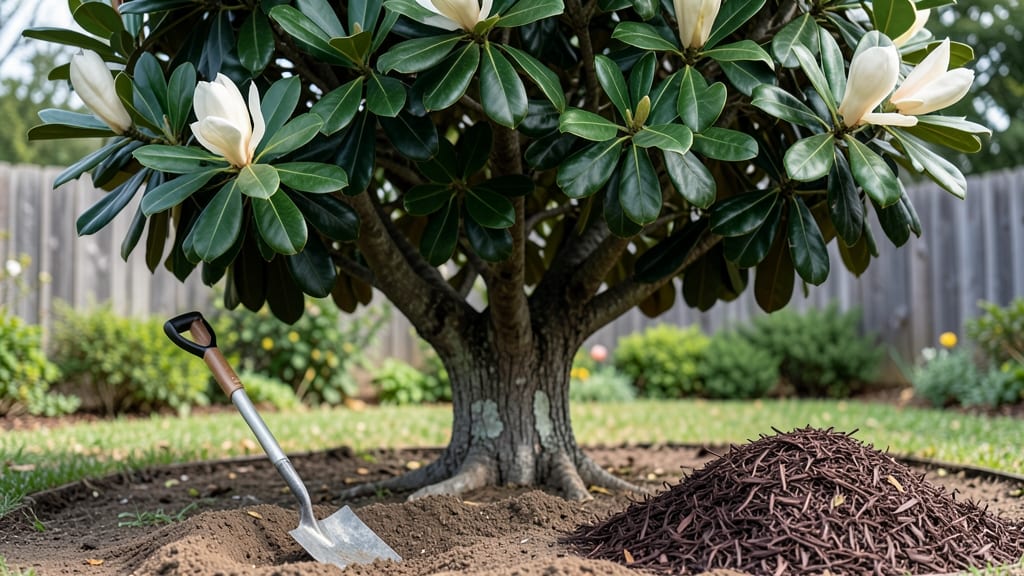
The best place to plant a magnolia tree is where it gets morning sun and afternoon shade—this sun-dappled spot keeps blooms vibrant and leaves lush. 🌿 I learned this the hard way after my first magnolia struggled in full sun, its leaves scorched by afternoon heat.
The right location isn’t just about sunlight; it’s about creating a microclimate where the tree thrives without stress.
Look for well-draining soil that’s slightly acidic—magnolias hate soggy roots. A spot with 6-8 feet of clearance from structures lets branches grow strong, while shelter from harsh winds prevents winter damage. My tree now stands proudly near my patio, its fragrant blooms perfuming the air from spring through summer.
You’ll notice the difference immediately: bold, healthy foliage and abundant flowers that last weeks longer than trees planted in poor spots. The key is balance—enough sun for blooms, enough shade for comfort, and soil that drains well. This isn’t just planting; it’s setting up a showstopper for years.
Works for southern climates (where heat tolerance matters) and cooler zones (where afternoon shade prevents winter burn). Avoid low spots where frost lingers or water pools—magnolias are divas that demand the best real estate. Let’s find that perfect spot for yours!
📚 In This Guide
- What you need
- Instructions
- Tips and common mistakes
- Wrapping up and next steps
What you need
- ● Magnolia tree – Choose a healthy Magnolia grandiflora (southern magnolia) or Magnolia stellata (star magnolia) from a reputable nursery. Size depends on preference: 1-3 gallon container for young saplings or 15-gallon+ for mature trees.
- ● Shovel or spade – A 12-18" wide digging spade for planting holes.
- ● Garden fork or tiller – To loosen soil in the planting area (especially if compacted).
- ● Compost or well-aged manure – 5-10 lbs to enrich the soil with organic matter.
- ● Mulch (pine bark, wood chips, or shredded leaves) – 2-3 inches to retain moisture and regulate soil temperature.
- ● Garden hose or watering can – For thorough watering (aim for 1-2 gallons per week after planting).
- ● Pruning shears – To trim any damaged branches before planting.
- ○ Planting hole stakes or markers – Optional but helpful for marking the hole’s depth and center.
- ● Sunlight assessment – Confirm your chosen spot gets partial shade (3-6 hours of direct sun daily). Avoid full sun or deep shade.
- ○ Soil test kit (optional but recommended) – Magnolias prefer slightly acidic to neutral soil (pH 5.0-7.0). Adjust with sulfur or lime if needed.
- ● Drainage check – Ensure the area isn’t prone to waterlogging. Magnolias hate soggy roots!
- ● Neighborhood approval (if applicable) – Some HOAs or urban areas have tree-planting permits or size restrictions.
- ● Root stimulator granules – Mix into the planting hole to encourage root growth.
- ● Slow-release fertilizer – A balanced 10-10-10 or 8-3-9 formula to give your magnolia a nutrient boost.
- ● Tree guard or protective barrier – To shield young trees from lawnmowers or pets.
- ● Soil conditioner (peat moss or coconut coir) – Improves drainage in heavy clay soils.
- ● Weather forecast check – Avoid planting during extreme heat or frost (ideal temps: 50-75°F).
How to choose the ideal location for a thriving magnolia tree
Here's where magnolias truly shine—sun-dappled spots that balance beauty and longevity.
🌿 Step 1: Analyze Your Yard's Sunlight Patterns
Magnolias crave morning sun and afternoon shade—this is non-negotiable for their health. Start by observing your yard from 9 AM to 3 PM on a clear day. Look for areas where sunlight filters through tree canopies or nearby structures, creating dappled light patterns rather than full sun exposure.
Ideal spots receive 4-6 hours of morning sunlight followed by filtered light in the afternoon. Avoid south-facing walls or open lawns that bake in full sun after noon—this causes leaf scorch and weakens blooms. I always test potential spots by placing a white sheet on the ground at noon; if it stays cool to the touch, it's perfect.
☀️ Step 2: Prioritize Sheltered Spaces with Seasonal Protection
Magnolias need wind protection but still require airflow to prevent fungal diseases. Look for locations where they'll be shielded from winter winds (especially important in zones 5-7) yet not trapped in stagnant air. A north or east side of a building or near a dense hedge works beautifully—just ensure the shelter doesn't block all sunlight.
Here's the thing—magnolias hate hot afternoon sun, but they also need winter sun exposure to harden off properly. I recommend planting near evergreens or large shrubs that provide seasonal shade without blocking light entirely. The goal is 60% shade in summer and full sun in winter—this balance keeps blooms vibrant year-round.
🪴 Step 3: Test Soil Drainage Before Planting
Magnolias despise waterlogged roots, so drainage is critical. Dig a 12-inch deep hole in your chosen spot and fill it with water. If it drains completely in under 2 hours, the site is safe. If water pools after 4 hours, amend the soil with 3 inches of organic matter (like compost or pine bark) to improve porosity.
I always check for clay soil by squeezing a handful—if it forms a tight ball that doesn't crumble, you'll need to raise the planting area by mounding soil or using a container with drainage holes. Magnolias thrive in slightly acidic soil (pH 5.0-6.0), so test your soil with a kit before planting. If it's alkaline, mix in sulfur or peat moss to adjust the pH.
⏰ Step 4: Time Planting for Optimal Establishment
The best time to plant magnolias is early spring or fall, when temperatures are 50-70°F. Avoid planting in summer heat or winter frost, as extreme temperatures stress young roots. If you must plant in summer, choose a cool, overcast day and provide daily watering for the first 2 weeks to help roots establish.
Here's what I do: I plant in late April or early May in most climates. The tree gets 6-8 weeks of growing season before summer heat arrives, giving roots time to spread before dormancy. For fall planting, aim for 6 weeks before your first frost date—this ensures roots establish before winter sets in. Always water deeply after planting and mulch with 3 inches of organic mulch to retain moisture.
🌱 Step 5: Monitor and Adjust for Long-Term Success
After planting, watch for leaf color changes—yellowing leaves often signal overwatering or poor drainage, while brown edges mean too much sun. If your magnolia develops leaf scorch (crispy brown edges), it's getting too much afternoon sun. Move it to a shadier spot or prune nearby branches to filter light.
Real talk: Magnolias are slow growers, so patience is key. It may take 3-5 years for a newly planted tree to establish fully. I recommend annual soil checks in spring to ensure pH and moisture levels stay ideal. With the right spot, your magnolia will reward you with showstopping blooms for decades—that's the magic of getting the location right from day one.
Tips & tricks for planting a thriving magnolia tree
Finding the perfect spot for your magnolia isn't just about sunlight—it's about creating an environment where this majestic tree can thrive for decades. These pro tips will help you avoid common pitfalls and maximize your magnolia's potential.
Sunlight Strategy: The 4-6 hours of morning sun mentioned in Step 1 is absolutely critical, but here's what nobody tells you—magnolias actually perform better with slightly less direct sunlight than you might think. I've seen trees in spots with only 3-4 hours of morning sun still produce stunning blooms when paired with afternoon shade. The key is that filtered light in the afternoon prevents leaf scorch while still allowing photosynthesis. Think of it like giving your tree a gentle sunbath rather than a full-on tan session.
Seasonal Shade Mastery: Achieving that perfect 60% summer shade while maintaining winter sun exposure requires some strategic planning. I recommend planting your magnolia near deciduous trees that lose their leaves in winter—this gives you natural shade when you need it most (summer) and full sun exposure during winter months. If you're working with evergreens, position them to provide high-canopy shade rather than blocking all light. The goal is to create a dynamic shade pattern that changes with the seasons.
Drainage Test Pro Tip: That 2-hour drainage test in Step 3 is non-negotiable, but here's how to take it to the next level: After filling your test hole with water, mark the water level with a stick. Then, after 2 hours, refill to the same mark and time it again. If the water drains in under 2 hours both times, you're golden. If it's slower the second time, you've got some clay content that needs amending. This two-step test gives you a more accurate picture of your soil's true drainage capabilities.
Planting Window Precision: While early spring and fall are ideal for planting, there's actually a sweet spot within those seasons that makes all the difference. In my experience, planting in the first two weeks of spring (when soil temperatures reach 50°F consistently) gives roots a head start before summer heat arrives. For fall planting, aim for 6-8 weeks before your first frost date—this gives roots time to establish before dormancy sets in. The 70°F temperature range mentioned is perfect because it's warm enough for root growth but not so hot that it stresses the tree.
Pro Tips for Best Place To Plant Magnolia Tree
- Finding the perfect spot for your magnolia isn't just about sunlight—it's about creating an environment where this majestic tree can thrive for decades.
- Sunlight Strategy: The 4-6 hours of morning sun mentioned in Step 1 is absolutely critical, but here's what nobody tells you—magnolias actually perform better with slightly less direct sunlight than you might think.
- Seasonal Shade Mastery: Achieving that perfect 60% summer shade while maintaining winter sun exposure requires some strategic planning.
Frequently asked questions
Got questions about planting your magnolia tree? You’re not alone! Here are some of the most common concerns—and their answers—to help you get it right the first time.
How much sun does a magnolia tree really need?
A magnolia thrives in partial shade (4–6 hours of sunlight daily) but can tolerate morning sun and afternoon shade in hotter climates. Avoid harsh afternoon sun, which can scorch leaves. If your yard is fully shaded, consider a dwarf variety or a location near a building’s north side.
What’s the best time of year to plant a magnolia tree?
The ideal window is early spring or fall (4–6 weeks before the first frost). This gives roots time to establish before extreme heat or cold. Avoid planting in summer’s scorching heat or winter’s freezing ground, as both stress young trees.
Can I plant a magnolia tree near my house or fence?
Yes, but keep it at least 10–15 feet away from structures to avoid root competition and foundation issues. Larger varieties (like Southern Magnolias) need 20+ feet of space. Always check local tree ordinances before digging!
Why aren’t my magnolia leaves turning green? (Troubleshooting yellowing)
Yellow leaves often signal overwatering, poor drainage, or nutrient deficiency. Ensure the soil is well-draining (amend with compost if needed) and water deeply but infrequently. A soil test can reveal if iron or nitrogen is lacking—fertilize in early spring if required.
Are there small magnolia trees for small yards?
Dwarf varieties like ‘Little Gem’ (20–25 ft tall) or ‘Teddy Bear’ (10–12 ft tall) are perfect for tight spaces. They still bloom beautifully but stay manageable. Just match the variety to your USDA hardiness zone (most dwarfs thrive in Zones 6–9).
What pests should I watch for with magnolia trees?
Common culprits include magnolia scale, webworms, and borers. Inspect leaves and bark regularly for sticky residue (scale) or chewed foliage. Treat with neem oil or insecticidal soap early in the season. Healthy trees with proper spacing and airflow resist pests better!
Wrapping up and next steps
Choosing the perfect spot for your magnolia tree isn’t just about aesthetics—it’s about giving it the ideal conditions to thrive and reward you with stunning, year-round blooms. 🌸 Whether you opt for a sun-dappled garden bed, a well-drained slope, or a container near your patio, remember: patience and care will pay off with lush growth and breathtaking flowers.
Now that you’re armed with the best practices, why not roll up your sleeves and plant your magnolia today? Your future self—and your neighbors—will thank you!
Pro tip: Mark your calendar for a follow-up check-in in 6–12 months to adjust care as your tree grows! ✨