
Pruning
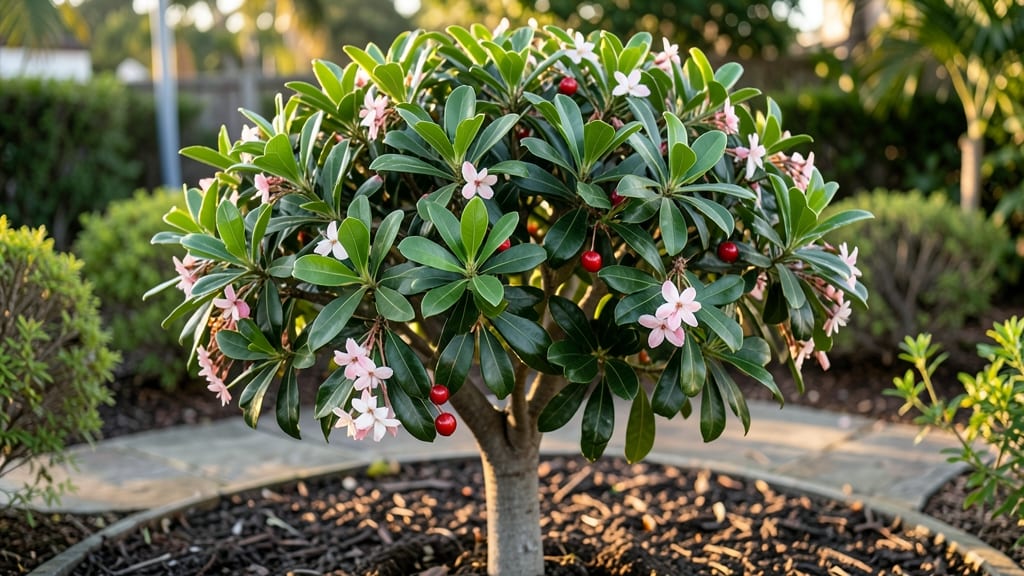
Growing a Brazilian cherry tree means welcoming a small, evergreen treasure that thrives with minimal fuss and rewards you with glossy leaves and fragrant white flowers. 🌿 I planted mine in a sunny corner of my backyard last spring, and within months, it was already putting out new growth—proof that this tree handles heat and humidity like a pro.
The key is mimicking its natural habitat: well-draining soil, bright light, and just enough water to keep roots happy without drowning them.
This tree is a dual-purpose star: its ornamental value shines year-round with its compact, rounded shape, while the small, cherry-like fruits (edible but tart) add a bonus. Pruning is simple—just trim back any leggy branches in late winter to encourage bushier growth.
Most gardeners overwater it, so let the top inch of soil dry out between waterings, and you’ll avoid root rot while keeping the foliage vibrant.
By summer, you’ll have a lush, dense canopy that blocks harsh sun and attracts pollinators. The tree’s slow growth means it stays manageable, even in small yards, and its glossy leaves resist pests better than many ornamentals. With the right spot, it’ll outperform faster-growing trees that demand constant attention.
Whether you’re drawn to its year-round greenery or the promise of tiny, sweet-tart cherries, this tree delivers on both fronts. Frost is its only enemy, so protect it in colder zones, and you’ll enjoy decades of effortless beauty. Let’s get your Brazilian cherry thriving!
📚 In This Guide
- What you need
- Instructions
- Tips and common mistakes
- Wrapping up and next steps
What you need
- ● Pruning shears: Bypass pruners (sharp, clean, and sterilized with rubbing alcohol to prevent disease). Size: 5–7 inches for small branches.
- ● Loppers: For thicker branches (½–1½ inches in diameter). Look for: Bypass-style with comfortable grips.
- ○ Pruning saw: Curved-tooth saw for branches over 1½ inches thick. Optional: A folding saw for portability.
- ● Gloves: Heavy-duty, cut-resistant gloves (e.g., mechanics’ gloves) to protect hands from thorns.
- ● Disinfectant: 70% isopropyl alcohol or a pruning sealant (e.g., Tanglefoot Pruning Seal) to seal cuts and prevent infection.
- ● Rubbing alcohol wipes: For quick sterilization between cuts.
- ○ Twine or zip ties: (Optional) For supporting branches during pruning or training young trees.
- ● Safety glasses: Protect your eyes from debris (especially when sawing thick branches).
- ● Long sleeves/pants: Wear lightweight, long-sleeve clothing to avoid scratches from thorns.
- ● Ladder or step stool: For reaching higher branches. Tip: Use a stable, 3-sided ladder for safety.
- ● Trash bags: For collecting pruned branches and debris.
- ○ Water spray bottle: (Optional) To mist tools and cuts for faster healing in hot climates.
- ● ✨ Timing matters: Prune during dormant season (late winter/early spring) for best results.
- ● 🔪 Sharp tools = cleaner cuts: Dull blades tear bark, inviting disease. Sharpen blades annually or before pruning.
- ● 🌡️ Weather watch: Avoid pruning if rain is forecasted within 24 hours—wet cuts heal slower.
Step-by-Step instructions for planting and cultivating a Brazilian cherry tree
Here's how to get your Brazilian cherry tree off to a thriving start with minimal fuss.
🪴 Step 1: Choose the Right Location and Soil
Brazilian cherry trees (Eugenia uniflora) thrive in full sun to partial shade, so pick a spot that gets at least 6 hours of direct sunlight daily. If you're in a hotter climate, afternoon shade helps prevent leaf scorch. The soil should be well-draining—these trees hate soggy roots.
I always test the soil by digging a 6-inch hole and checking for drainage. If water pools after 10 minutes, amend the soil with 2-3 inches of compost or sand to improve aeration. The ideal pH range is 6.0 to 7.0, so a simple soil test kit will save you guesswork.
☀️ Step 2: Plant Your Tree with Proper Spacing and Support
Dig a hole twice as wide as the tree's root ball but no deeper—this encourages roots to spread outward instead of settling too low. Gently loosen the roots if they're circling the root ball, then place the tree in the hole so the top of the root ball sits level with the surrounding soil (not buried deeper).
For young trees, I stake them with two supports tied loosely to the trunk using soft tree ties—too tight, and you'll strangle the growth. Space the stakes 12-18 inches apart and bury them 6 inches deep for stability. Brazilian cherry trees grow 10-15 feet tall, so plan for mature size when placing yours.
💧 Step 3: Water Deeply and Mulch for Retention
Water deeply right after planting—soak the soil until it’s 6-8 inches wet, then let it dry slightly before watering again. Overwatering is the fastest way to kill a young tree, so I always check moisture by sticking my finger 2 inches into the soil. If it feels dry, it’s time to water.
Spread 2-3 inches of organic mulch (like shredded bark or pine needles) around the base, keeping it 3 inches away from the trunk to prevent rot. Mulch locks in moisture and keeps roots cool in summer. Replenish it annually—this is the secret to lush canopy growth without extra effort.
✂️ Step 4: Prune for Shape and Health Year-Round
Prune lightly in late winter or early spring before new growth starts. Remove any dead, diseased, or crossing branches first—these compete with healthy growth. I always use clean, sharp pruners to make cuts just above a leaf node or outward-facing bud.
For shaping, trim back overly long branches by 1/3 to encourage bushier growth. Avoid heavy pruning in fall—it stresses the tree before dormancy. If you see yellowing leaves, it’s usually a sign of overwatering or poor drainage, not pruning issues.
Tips & tricks for perfect Brazilian cherry tree cultivation
Here's what I've learned after years of growing these beautiful trees—simple secrets that make all the difference.
Location Intelligence: When selecting your spot, consider the tree's mature size (10-15 feet). Place it at least 8-10 feet away from structures or other plants to prevent root competition. I always check the sun pattern for at least 3 days before planting—what looks like full sun in winter might be shaded in summer.
Soil Test Hack: The 10-minute drainage test in Step 1 is crucial, but here's a pro move: mix 1 part perlite into your amended soil for even better drainage. I've seen soggy soil problems disappear completely with this simple addition. For the 2-3 inches of compost, I recommend a 50/50 blend of compost and native soil to maintain your yard's natural microbial balance.
Staking Strategy: Those two supports in Step 2 should be angled outward slightly (about 10 degrees) to encourage natural trunk growth. Use soft tree ties and check them every 3 months—they can cut into the bark as the trunk grows. I also recommend burying the stakes 6 inches deep and leaving 18 inches above ground for maximum stability.
Mulch Maintenance: That 2-3 inches of mulch in Step 3 should never touch the trunk—keep it 3 inches away to prevent rot. I refresh mine annually in early spring, mixing in 1 inch of compost each time. This creates a slow-release fertilizer system that feeds your tree all season long without any extra work.
Pro Tips for Brazilian Cherry Tree
- Here's what I've learned after years of growing these beautiful trees—simple secrets that make all the difference.
- Location Intelligence: When selecting your spot, consider the tree's mature size (10-15 feet).
- Soil Test Hack: The 10-minute drainage test in Step 1 is crucial, but here's a pro move: mix 1 part perlite into your amended soil for even better drainage.
Frequently asked questions
Got questions about nurturing your Brazilian cherry tree? You’re not alone! Whether you're troubleshooting growth issues or planning for the future, here are answers to the most common concerns—straight from the experts.
How often should I prune my Brazilian cherry tree?
Prune your tree twice a year: once in late winter or early spring (before new growth) to shape it and remove dead branches, and again in summer to encourage bushier foliage. Avoid heavy pruning in fall—it can stress the tree before winter. Learn the step-by-step pruning technique to keep it healthy and lush.
Can Brazilian cherry trees survive winter in cold climates?
While they’re tropical natives, Brazilian cherry trees (Eugenia uniflora) are moderately cold-hardy (USDA zones 9–11). In colder zones (below 25°F/-4°C), grow them in containers or under winter protection like frost cloth. If outdoors, mulch the base heavily and water sparingly before the first freeze to prevent root damage.
Why aren’t my Brazilian cherry tree’s leaves turning red?
Red foliage is a sunlight trigger! If your leaves stay green, your tree may need more direct sunlight (6+ hours/day). Partial shade can dull the color. Also, check for nutrient deficiencies—yellowing leaves might signal low iron or nitrogen. A balanced fertilizer in spring can help restore vibrancy.
Are there dwarf varieties of Brazilian cherry trees?
Yes! While the standard variety grows 15–25 feet tall, you can find dwarf or patio-sized cultivars (like ‘Nana’), which max out at 6–10 feet. These are perfect for containers, small yards, or bonsai styling. Just ensure they get well-draining soil and regular pruning to maintain shape.
What pests should I watch for on my Brazilian cherry tree?
Common culprits include scale insects, spider mites, and aphids. Look for sticky residue (honeydew), yellowing leaves, or tiny webs. Treat early with neem oil or insecticidal soap. For severe infestations, prune affected branches and dispose of them far from the tree. Preventative care like regular watering (but not overwatering) keeps pests at bay.
Pro Tip: Mulch matters!
Spread 2–3 inches of organic mulch (like wood chips) around the base to retain moisture, regulate soil temp, and deter weeds—but keep it away from the trunk to avoid rot. Replenish annually for year-round benefits.
Wrapping up and next steps
The Brazilian cherry tree (Eugenia uniflora) is a stunning addition to any garden, offering year-round beauty with its glossy leaves, fragrant flowers, and vibrant fruit. With the right pruning techniques and consistent care, you can cultivate a thriving, lush canopy that rewards you with seasonal splendor. 🌿
Now that you’re equipped with the knowledge, why not roll up your sleeves and start pruning? Whether you’re shaping young branches or maintaining an established tree, every trim brings you closer to a healthier, more vibrant Brazilian cherry. Happy gardening! 🌟