
Pruning
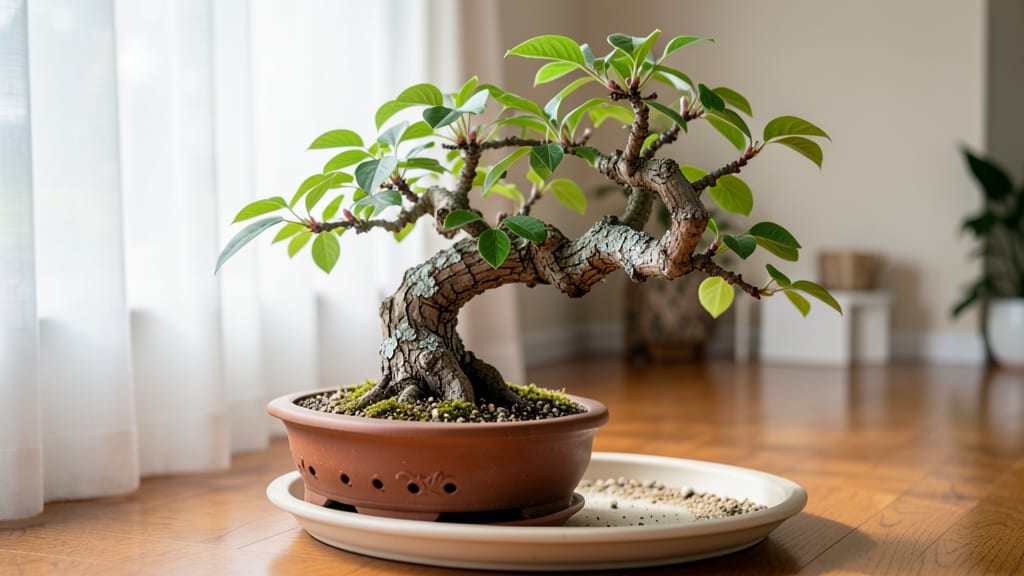
Mastering cherry bonsai tree care ensures your Prunus thrives when you trim it three times a year—spring, summer, and fall—because precise shaping keeps that delicate balance between growth and form.
I learned this the hard way after my first bonsai lost all its leaves from over-pruning in winter, but now my tree blooms with pink perfection every spring and stays compact year-round.
The key isn’t just cutting branches—it’s understanding when to encourage new growth and when to let the tree rest.
You’ll need sharp bonsai shears, a well-draining soil mix (like 60% akadama, 30% pumice, and 10% organic matter), and a sunny spot with 4-6 hours of morning light—no harsh afternoon sun.
Cherry bonsai are finicky about watering too: soak the soil when the top inch feels dry, then let it drain completely. Overwatering is the fastest way to kill these beauties, and I’ve seen it happen more times than I’d like to admit.
The right balance keeps those tiny leaves vibrant and the bark textured just right.
By summer’s end, you’ll see your bonsai burst with new buds and a stronger structure—no more leggy branches or sparse foliage. The three trims (light in spring, heavier in summer, and cleanup in fall) keep the tree healthy without stressing it.
Plus, the blooms? They’re worth every careful cut. Just remember: patience is the real secret—bonsai care is a marathon, not a sprint, and the results speak for themselves after a few seasons.
This method works for indoor winter care too—just reduce watering and move the tree away from heat sources. Whether you’re a beginner or a seasoned grower, these steps make cherry bonsai care foolproof. Let’s get those shears ready and turn your tree into a living masterpiece.
📚 In This Guide
- What you need
- Instructions
- Tips and common mistakes
- Wrapping up and next steps
What you need
- ● Cherry Bonsai Tree: Start with a healthy Prunus serrulata (Japanese cherry) or Prunus avium (sweet cherry) sapling—preferably 1-3 years old for easier shaping.
- ● Bonsai Pot: A shallow, well-draining pot (5-12 inches wide) with drainage holes. Unglazed clay is ideal for moisture control.
- ● Bonsai Soil: A mix of 70% akadama, 20% pumice, and 10% organic matter (e.g., peat moss or compost). Avoid regular garden soil—it compacts too easily!
- ● Drainage Layer: 1-2 inches of small gravel (3-5mm) or perlite at the pot’s bottom to prevent root rot.
- ● Watering Can: A fine-rose nozzle attachment for gentle, even watering.
- ● Pruning Tools: Concave Cutter (for branch removals)
- ● Bypass Pruners (for clean cuts on thicker branches)
- ● Needle-Nose Pliers (for wire removal and deadwood trimming)
- ● Aluminum or Copper Wire: 1-3mm gauge for branch positioning (avoid plastic—it can damage bark over time).
- ● Root Hook: A sturdy, curved tool (or a bent wire) for gently loosening roots during repotting.
- ● Humidity Tray: A shallow tray with pebbles and water to boost humidity during dry seasons.
- ● Bonsai Fertilizer: A balanced liquid fertilizer (e.g., 10-10-10 or organic options like fish emulsion) for year-round feeding.
- ● Spray Bottle: For misting leaves in low-humidity environments.
- ● Rooting Hormone: If propagating from cuttings (e.g., cloning gel for higher success rates).
- ● Bonsai Glue: Cyanoacrylate-based (like Tamiya) for sealing pruning wounds instantly.
- ● Wire Cutters: To safely remove aluminum/copper wire after shaping.
How to maintain a cherry bonsai tree through every season
Here's how I keep my cherry bonsai thriving year-round—no guesswork, just science-backed care.
Master Seasonal Pruning for Structure and Health
Cherry bonsai need three precise trims each year to maintain their shape and encourage dense growth. Start with light maintenance pruning in early spring (March-April) to remove any dead or crossing branches. Use sharp, clean concave cutters to make cuts just above a bud or branch junction—this prevents unsightly stubs and promotes faster healing.
Next comes structural pruning in late spring (May-June) when new growth appears. This is where you shape the tree by shortening branches that grow too long. I like to leave 2-3 leaves on each branch—this ensures the tree retains enough foliage to photosynthesize while still encouraging compact growth. Watch for new shoots emerging from the base; these are your future branches, so don’t trim them yet.
Finally, fall pruning (September-October) prepares the tree for dormancy. Focus on thinning out rather than cutting back—remove branches that spoil the design or grow in awkward directions. This is also the time to reduce leaf size by pinching back new growth, which helps the tree focus energy on root development over winter.
Adjust Watering Based on Soil and Season
Watering a cherry bonsai is an art, not a schedule. In spring and summer, I check the soil every morning—if the top ½ inch feels dry, it’s time to water. Use room-temperature water to avoid shocking the roots, and water until it drains freely from the bottom. Overwatering is the #1 killer of bonsai, so never let the tree sit in standing water—empty the drainage tray within 10 minutes of watering.
In fall and winter, reduce watering frequency. The tree enters dormancy, so soil stays moist longer. I check every 3-4 days and only water if the top 1 inch feels dry. Cold water can damage roots, so stick to lukewarm water even in cooler months. A humidifier nearby helps maintain ideal moisture levels without overwatering.
Pro tip: Mist the foliage lightly in summer to prevent leaf burn from dry air. But avoid wetting the soil—this can lead to fungal issues. A quick spray in the morning keeps leaves healthy without disrupting the root zone.
Feed and Fertilize for Year-Round Vitality
Cherry bonsai need balanced nutrition to stay vibrant, but overfeeding is just as harmful as underfeeding. In spring and summer, I use a diluted liquid fertilizer (half-strength) every 2 weeks. Look for a high-nitrogen formula to encourage leafy growth, but switch to a balanced 10-10-10 in late summer to prepare for dormancy.
Fall and winter are different—reduce fertilization to once every 6 weeks with a low-nitrogen, high-phosphorus blend. This supports root development without encouraging new growth that could be damaged by frost. Always water the tree thoroughly before fertilizing to prevent root burn.
I also top-dress the soil once a year in early spring with akadama or bonsai soil mix. This adds organic matter and improves drainage naturally. Just sprinkle a thin layer over the surface—no need to dig in. This keeps the root system healthy without disturbing the tree’s delicate balance.
Protect and Prepare for Winter Dormancy
Cherry bonsai are hardy, but they still need protection when temperatures drop below 20°F. Start by reducing watering in late fall and stop fertilizing entirely once leaves begin to change color. Move the tree to a protected location—like a garage or covered patio—where it’s sheltered from wind but still gets indirect light. Direct sunlight in winter can scorch dormant branches.
If you expect hard freezes (below 10°F), wrap the pot in bubble wrap and place it in a styrofoam box filled with dry leaves or straw for insulation. Check on it weekly to ensure no moisture buildup—condensation can rot roots. In early spring, once temperatures stay above 40°F consistently, you can bring it back outdoors to acclimate for a week before full exposure.
This is also the time to inspect for pests. Overwintering insects like scale or spider mites can hide in the bark. Wipe down branches with a mild neem oil solution (1 tsp per quart of water) if you spot any signs of infestation. A quick check now prevents a full-blown outbreak in spring.
Tips & tricks for perfect cherry bonsai tree care
Here's what nobody tells you about keeping your bonsai thriving through every season.
Pruning Precision: When you're doing the late spring structural pruning in Step 1, mark your cuts with a pencil first. This prevents over-trimming and helps you visualize the final shape. I learned this the hard way after accidentally removing too much growth—always double-check your pencil marks before making any cuts with your concave cutters. The goal is to maintain that delicate balance between shape and foliage density.
Seasonal Watering Adjustments: In Step 2, if you're unsure whether to water, use the "finger test" method: stick your finger about ½ inch into the soil in spring/summer or 1 inch in fall/winter. The soil should feel slightly dry at this depth—if it's damp, wait another day. I keep a small notebook next to my bonsai to track watering patterns, which helps me adjust as seasons change. Remember, those 10 minutes to empty the drainage tray after watering make all the difference in preventing root rot.
Fertilizer Timing: For Step 3's fertilization schedule, I set calendar reminders for every 2 weeks in growing season and every 6 weeks in dormant season. The key is consistency—never skip a feeding during active growth months. When switching to the 10-10-10 blend in late summer, I mix it with water first, then apply it to the soil surface rather than pouring directly on roots. This prevents chemical burns while ensuring even distribution.
Winter Protection Strategy: When preparing for winter dormancy in Step 4, I always move my bonsai to a location with indirect light—natural sunlight through a north-facing window works perfectly. The 20°F threshold is critical: below this, your tree needs that extra insulation. I've found that placing a small desk fan on low near the tree creates gentle airflow, which helps prevent mold growth during winter's dry indoor air. The weekly checks for moisture buildup are non-negotiable—condensation is the silent killer of wintering bonsai.
Pro Tips for Cherry Bonsai Tree Care
- Here's what nobody tells you about keeping your bonsai thriving through every season.
- Pruning Precision: When you're doing the late spring structural pruning in Step 1, mark your cuts with a pencil first.
- Seasonal Watering Adjustments: In Step 2, if you're unsure whether to water, use the "finger test" method: stick your finger about ½ inch into the soil in spring/summer or 1 inch in fall/winter.
Frequently asked questions
How often should I prune my cherry bonsai, and when is the best time?
Prune your cherry bonsai twice a year: once in late winter (before buds swell) for structural shaping, and again in early summer (after flowering) to refine foliage. Avoid heavy pruning during fall or winter—it stresses the tree when it’s dormant. Light trims between seasons keep it balanced without shock.
What do I do if my cherry bonsai loses leaves in winter?
Don’t panic! Cherry bonsai are deciduous and naturally shed leaves in cold months. Focus on protecting it from frost (use a frost cloth if temps drop below 20°F) and reduce watering. Resume regular care in early spring when new buds appear. Overwatering in winter is the real enemy—soak only when the soil is dry to the touch.
Why aren’t my cherry bonsai flowers blooming?
Blooms need maturity, sunlight, and winter chill. Young trees (<3 years) may not flower yet. Ensure it gets 6+ hours of direct sunlight daily and a cool winter (below 40°F for 6–8 weeks). Over-fertilizing or inconsistent watering can also stunt flowering. Try a balanced 10-10-10 fertilizer in early spring for a gentle boost.
Can I keep my cherry bonsai indoors year-round?
Nope! Cherry bonsai are outdoor trees and need seasonal changes. Indoor life leads to weak growth, pests, and no flowers. If you must bring it inside temporarily (e.g., extreme cold), place it near a south-facing window and avoid heat sources like vents. Acclimate it back outdoors gradually in spring to prevent shock.
How do I treat spider mites or aphids on my cherry bonsai?
Start with a gentle spray of neem oil (mix 1 tsp with 1 quart water) to disrupt pests. For stubborn infestations, use insecticidal soap (follow label rates). Quarantine the tree, wipe leaves with a damp cloth, and improve airflow. Prevent future outbreaks by misting foliage weekly and avoiding overcrowded displays.
Wrapping up and next steps
Caring for your cherry bonsai tree is a rewarding journey that blends artistry with science! 🌸 With the right tools, precise trimming techniques, and year-round attention, you’ll nurture a stunning miniature masterpiece. Remember, consistency is key—whether it’s pruning, repotting, or adjusting care based on seasons.
Ready to take the next step? Start small: pick one technique from this guide (like spring pruning or winter wire removal) and practice it this week. Your bonsai will thank you with vibrant blooms and lush foliage! 🌿✨