
Pruning
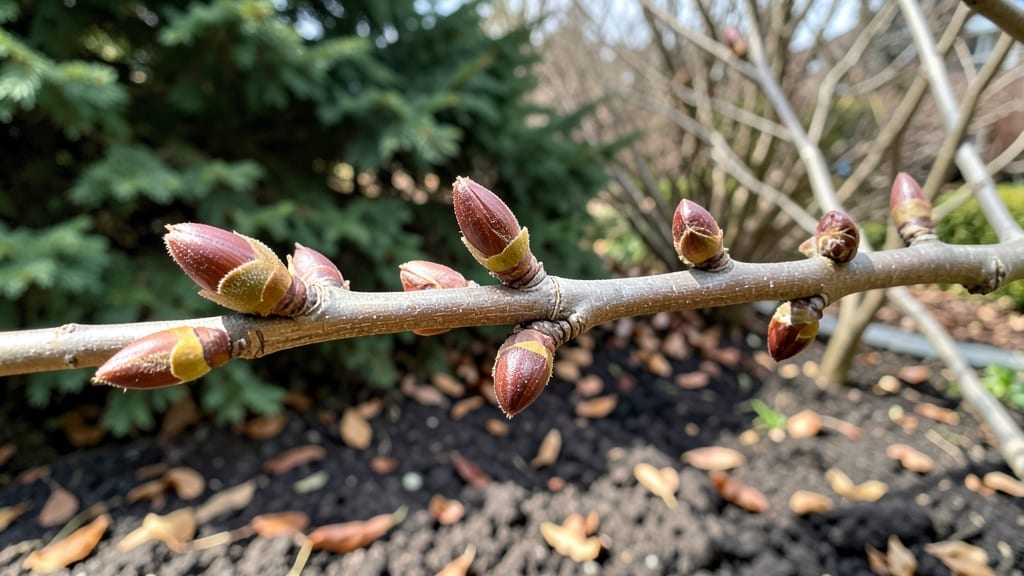
Your chestnut tree’s future harvest starts with those tiny winter buds—pruning them now determines how many heavy, sweet nuts you’ll see next fall. 🌱 I’ve spent years watching chestnut trees transform from bare branches to towering canopies, and the difference between a productive tree and a struggling one often comes down to dormant-season cuts made with intention.
Timing is everything: prune after leaf drop but before buds swell, typically between late winter and early spring. Look for plump, brown buds clustered along the branches—these are your future fruit. Diseased buds, though, are shriveled, oozing, or covered in mold; snip those out immediately to protect the whole tree.
The right cuts encourage stronger bud development, while wrong ones invite pests or frost damage.
You’ll end up with a tree that bursts with energy in spring, producing more buds than ever before. Healthy foliage will thicken, roots will strengthen, and the tree’s natural defenses against pests will improve.
With just a few strategic cuts, you’re not just pruning—you’re setting the stage for a harvest that’ll make your neighbors jealous.
This method works for both young chestnut trees and mature giants, though younger trees respond fastest to pruning. Whether you’re dealing with a backyard specimen or a forest-edge giant, the principles stay the same. Let’s get those branches shaped for success.
📚 In This Guide
- What you need
- Instructions
- Tips and common mistakes
- Wrapping up and next steps
What you need
- ● Gearing up for chestnut tree bud trimming? Here’s everything you’ll need to tackle the job safely and effectively—whether you’re a seasoned gardener or a curious beginner! 🌳✂️
- ● Pro tip: 💡 Check your tools before you start—dull blades tear bark, stressing the tree! Sharpen or replace as needed.
Step-by-Step guide for pruning chestnut tree buds in dormancy
Here's how to shape your chestnut tree for maximum bloom without stressing the wood.
✂️ Step 1: Time Your Pruning for Dormant Season
Wait until late winter or early spring when the tree is fully dormant—typically between January and March—before buds begin to swell. This timing ensures you're not removing next year's flower buds, which form during dormancy. Look for bare branches with no leaves and firm, unopened buds as your signal.
Real talk: I've learned the hard way that pruning too early can expose fresh cuts to late winter frost, while waiting too long risks removing flower buds. Aim for 2-3 weeks before buds show green—that's your sweet spot. If your region has unpredictable winters, err on the side of waiting longer rather than cutting early.
✂️ Step 2: Assess and Remove Dead or Weak Growth
Start by scanning the tree for dead branches (no bark, hollow centers) and weak growth (thin stems with sparse buds). Use clean, sharp pruning shears to make 45-degree cuts just outside the branch collar—the swollen area where the branch meets the trunk. This prevents water from pooling and rotting the wound.
For larger branches over 1 inch in diameter, use a pruning saw instead. Make your cut 1/8 inch outside the branch collar and avoid leaving stubs. You'll see healthy wood has a smooth, light brown color while dead wood appears dark and crumbly. Remove any branches growing inward or crossing others—they compete for energy and create weak crotches.
✂️ Step 3: Thin Out Buds for Better Airflow and Light
Chestnut trees produce heavy bloom loads, which can weigh down branches. Selectively thin buds by removing every other bud along branches, starting from the center of the tree and working outward. Focus on overcrowded areas where buds cluster tightly—this improves airflow and reduces disease risk.
Here's the trick: I like to work in three passes. First, remove all dead or diseased buds. Second, thin out buds on branches growing downward to reduce weight stress. Finally, shape the outer canopy by pruning back the tips of overly vigorous branches by about 1/3—this encourages bushier growth. Watch for new growth direction after pruning; branches will naturally grow toward light sources.
✂️ Step 4: Clean Up and Protect the Tree
After pruning, rake up all fallen debris and sterilize your tools with rubbing alcohol to prevent spreading disease. Apply a wound sealant only to cuts larger than 1/2 inch in diameter—smaller wounds seal naturally. For larger cuts, use a tree wound dressing specifically designed for hardwood trees to protect against pests and rot.
Finally, give the tree a deep watering to help it recover from the stress of pruning. You'll notice new growth flushes in 4-6 weeks if the timing was right. Avoid fertilizing immediately after pruning—wait until new leaves appear before applying any nutrients. This ensures the tree focuses on healing rather than producing foliage.
Tips & tricks for pruning chestnut tree buds
These simple strategies will help you trim your chestnut tree like a pro while keeping it healthy and productive.
Timing is Everything: The 2-3 weeks before buds show green is your target window—this ensures you don't accidentally remove flower buds that form during dormancy. Here's the trick: Check the weather forecast for late frosts. If you're in a region with unpredictable winters, wait until after the last frost date before pruning. I've seen trees lose entire bloom cycles because of early pruning in cold snaps.
Tool Prep Matters: Sterilizing your pruning tools with rubbing alcohol isn't just about disease prevention—it's about giving your tree the best possible start. I always carry a small bottle of alcohol in my tool belt and wipe down blades between cuts. For larger branches, use a pruning saw with a fine-tooth blade to make clean cuts that heal faster. The goal is to minimize stress on the tree while you're working.
Visual Cues for Healthy Wood: When identifying dead branches in Step 2, look for these telltale signs: healthy wood should have a smooth, light brown surface when you scrape it with your fingernail, while dead wood will be dark and crumbly. For branches over 1 inch thick, make your cut just outside the branch collar—the swollen area where the branch meets the trunk. This creates a natural seal that helps the wound heal properly.
Bud Thinning Strategy: When you're working through your three passes in Step 3, focus on removing buds from the center of the tree first. This improves airflow and reduces disease risk by preventing moisture buildup. For branches growing downward, thin buds more aggressively—these branches are more likely to break under heavy bloom loads. You'll notice the tree naturally directs new growth toward light sources after pruning, so shape the outer canopy accordingly.
Pro Tips for Chestnut Tree Buds
- These simple strategies will help you trim your chestnut tree like a pro while keeping it healthy and productive.
- Timing is Everything: The 2-3 weeks before buds show green is your target window—this ensures you don't accidentally remove flower buds that form during dormancy.
- Tool Prep Matters: Sterilizing your pruning tools with rubbing alcohol isn't just about disease prevention—it's about giving your tree the best possible start.
Frequently asked questions
Got questions about chestnut tree buds and pruning?
Here are some common ones—and their answers—to help you trim with confidence!
When is the best time to prune chestnut tree buds for heavy blooms?
The ideal window is late winter to early spring (before buds swell but after hard freezes). This timing ensures you remove dead wood while preserving next year’s bloom potential. Avoid pruning in fall—it invites disease and pests. Pro tip: If your tree has heavy bud loads, prioritize thinning now to reduce branch stress!
How do I tell if a chestnut tree bud is dead or just dormant?
Dead buds are shriveled, dark, or crumbly when touched, while dormant buds feel firm and plump. Scratch the bud gently—if it’s green underneath, it’s alive! For stubborn cases, wait until late winter when buds should show slight swelling. Pro tip: Use a sharp pruner to make clean cuts—ragged edges slow healing.
Can I prune chestnut tree buds if I miss the dormant season?
Yes, but with caution! Prune in early summer (after blooming) if you missed winter, but avoid heavy cuts—focus on removing only diseased or crossing branches. Summer pruning stresses the tree, so limit it to 10-15% of the canopy. Pro tip: Water deeply post-prune to help recovery.
Why are my chestnut tree buds not opening after pruning?
Bud failure can stem from over-pruning, disease (like blight), or environmental stress (drought/frost). Check for mushy, discolored buds—a sign of rot. If buds are dry but unopened, they may need more sunlight or a light summer trim to reduce competition. Pro tip: Apply a balanced fertilizer in early spring to boost bud health.
Are chestnut tree buds safe to eat, or should I leave them for the tree?
Nope! Chestnut tree buds are not edible—they’re tough, bitter, and can irritate the throat. Focus on pruning for tree health and bloom loads, not harvest. The actual nuts (chestnuts) grow from flowers, not buds. Pro tip: If you love chestnuts, plant a separate edible variety like the European or American chestnut!
What’s the fastest way to sterilize pruning tools between cuts?
Use a 10% bleach solution (1 part bleach to 9 parts water) or rubbing alcohol (70%+) to wipe blades between trees. For deep cleaning, soak tools in the solution for 10 minutes. Pro tip: Carry a small spray bottle of alcohol in your tool belt for quick disinfection in the field!
Wrapping up and next steps
Understanding how to trim chestnut tree buds during dormancy is your secret weapon for fostering vibrant blooms and robust growth—without overburdening your tree. By mastering the right techniques, timing, and tools, you’ll encourage a healthier canopy while preventing stress or disease.
Now that you’re equipped with the knowledge, take action: grab your pruners, schedule that winter trim, and give your chestnut tree the care it deserves!
🌱 Next step: Mark your calendar for late winter or early spring, and start small—even a few well-placed cuts make a difference!