
Trees
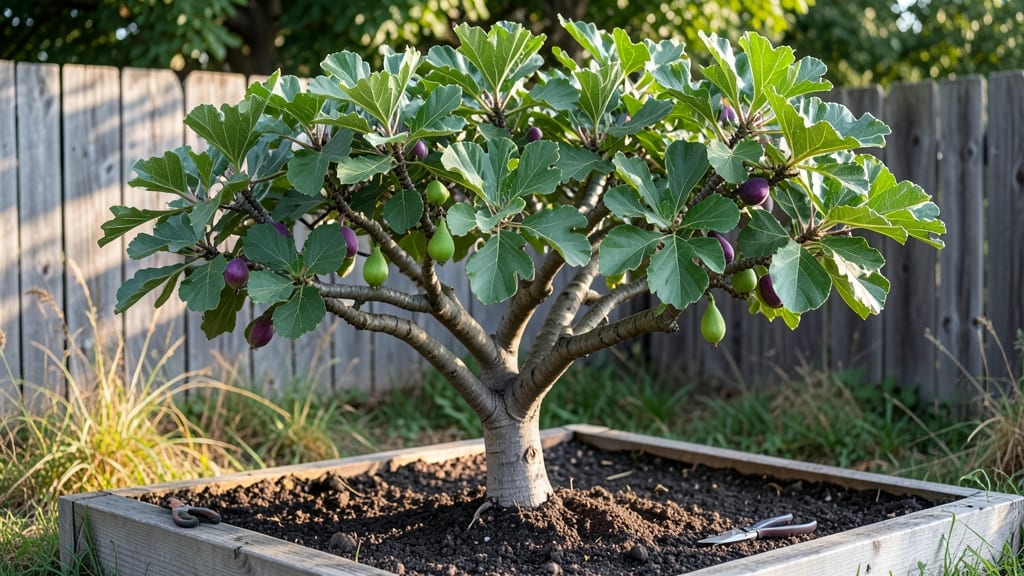
Growing hardy fig trees in Chicago isn’t just possible—it’s rewarding when you pick the right varieties and give them the care they crave. ✨ My first Chicago fig tree survived a brutal winter after I learned the secrets of cold-hardy varieties like 'Chicago Hardy' and 'Celeste,' which thrive where others freeze.
The key lies in their genetics and how you prep them for winter’s bite.
You’ll need well-draining soil, a sunny spot with at least six hours of light, and a little winter protection—think mulch, frost cloth, or even a small greenhouse setup. These trees aren’t fussy about soil pH but hate soggy roots, so raised beds or mounds work wonders in Chicago’s heavy clay.
Plant in early spring when the ground warms to at least 60°F, and you’ll see vigorous growth by summer.
By late fall, your figs will be sweet and plentiful, and with proper winter prep, your tree will bounce back year after year. The leaves turn a stunning bronze before dropping, and the wood becomes even more resilient.
Prune in late winter to shape the tree and remove dead wood, and you’ll have a productive, picturesque addition to your yard for decades.
Chicago’s climate is tough, but these figs are tougher. The trick is consistency—water deeply in summer, mulch heavily in winter, and choose varieties bred to handle our cold snaps. With these steps, your fig tree won’t just survive; it’ll thrive and produce fruit like a Mediterranean native.
📚 In This Guide
- What you need
- Instructions
- Tips and common mistakes
- Wrapping up and next steps
What you need
- ● Fig Tree Varieties: Cold-hardy options like Chicago Hardy, Desert King, or Celeste (1-3 trees, depending on space).
- ● Well-draining soil: Mix of topsoil, compost, and sand (50% each) for planting (10-15 cubic feet per tree).
- ● Container (if potted): 15-20 gallon pot with drainage holes (1 per tree).
- ● Organic mulch: Wood chips or straw (2-3 inches, spread in a 3-foot radius around the base).
- ● Fertilizer: Balanced 10-10-10 or citrus-specific fertilizer (1 lb per tree, applied in early spring).
- ● Watering can or hose: With a gentle spray nozzle for post-planting care.
- ● Pruning shears: Sharp, sterilized shears (for shaping and winter prep).
- ● Garden gloves: Heavy-duty for handling soil and branches.
- ● pH test kit: To ensure soil pH is between 6.0–7.0 (ideal for figs).
- ● Frost cloth or row covers: For extra protection during late frosts (1 per tree).
- ○ Drip irrigation system: (Optional) For consistent moisture in dry Chicago summers.
- ○ Tree stakes & ties: (Optional) For young trees in windy areas.
- ○ Epsom salt: (Optional) For magnesium boost (1 tbsp per foot of tree height, applied in spring).
Step-by-step guide to planting cold-Hardy figs in Chicago
Here's how I've successfully grown figs in Zone 5—with the right varieties and care.
🪴 Step 1: Choose the Right Varieties for Chicago's Climate
Not all figs survive Chicago winters, but these three varieties consistently thrive: 'Chicago Hardy', 'Celeste', and 'Osborn Prolific'. These were bred specifically for cold climates and can handle temperatures down to -15°F when properly protected. I always buy bare-root plants in early spring to give them time to establish before winter.
Look for 1-2 year old plants with multiple stems—these establish roots faster. Avoid container-grown figs unless they're already well-rooted, as they struggle with transplant shock in our short growing season. The key is starting with strong, healthy stock that can handle Chicago's unpredictable spring frosts.
☀️ Step 2: Select the Perfect Southern Exposure Spot
Figs demand full sun—at least 6-8 hours daily—to produce sweet fruit. In Chicago, that means a south-facing wall or fence that captures reflected heat. I've seen figs grow against brick walls perform best because the masonry absorbs daytime heat and radiates it back at night, protecting tender leaves from our chilly nights.
Test your spot in early spring before planting. If the ground stays frozen past mid-May, you'll need to extend the season with row covers or a small cloche until temperatures stabilize. The soil should warm to at least 60°F before planting—cold soil slows root establishment and stresses the plant.
🌱 Step 3: Plant at the Right Depth and Time
Plant figs in late April or early May after all danger of frost has passed. Dig a hole twice as wide as the root ball but only as deep—fig roots are shallow and need to breathe. Mix the excavated soil with 2 inches of compost (from your materials) to improve drainage, which is critical since figs hate soggy roots.
Position the plant so the top of the root ball sits just above soil level. Figs can't handle being buried too deep—it causes rot. Water deeply right after planting to settle the soil and remove the plant from its container. Mulch with 3-4 inches of straw (from your materials) to protect roots from temperature swings and retain moisture.
💧 Step 4: Water and Fertilize for Strong Growth
Water figs deeply once a week during the first growing season, aiming for 1-1.5 gallons per plant. You'll know it's enough when water drains out the bottom of the hole—figs hate dry spells but despise soggy soil even more. Reduce watering in late summer to harden off the plant before winter.
Feed with a balanced 10-10-10 fertilizer (from your materials) in early spring when new growth appears, then again after harvest. Too much nitrogen makes leaves grow at the expense of fruit. Figs are heavy feeders but sensitive to over-fertilization—stick to the two applications per year rule to avoid burning roots.
✂️ Step 5: Protect and Prune for Winter Survival
When temperatures drop below 25°F, wrap the plant in burlap (from your materials) and cover with 4-6 inches of straw mulch. I also add a clear plastic dome over the plant to trap heat—this has saved my figs through -10°F winters. Remove the cover on warm days to prevent rot from trapped moisture.
In early spring, prune back any dead or damaged wood to just above a bud or lateral branch. Figs are forgiving—even if you cut back too much, they'll regrow. The goal is to shape the plant into a low, bushy form that captures sunlight efficiently. Avoid heavy pruning in fall, as new growth won't harden off before winter.
Tips & tricks for perfect Chicago Hardy fig trees
These practical tips will help you avoid common pitfalls and maximize your fig tree's success in Chicago's challenging climate.
Variety Selection: When choosing between 'Chicago Hardy', 'Celeste', and 'Osborn Prolific', consider your specific microclimate. 'Chicago Hardy' handles the coldest winters best, while 'Celeste' produces slightly sweeter fruit. I've found that planting all three gives you the best chance of success—if one variety struggles, the others might thrive. The key is having multiple plants to ensure at least some fruit production each year.
Soil Preparation: Before planting, test your soil's drainage by digging a hole and filling it with water. If it doesn't drain completely within an hour, amend your soil with additional compost (beyond the 2 inches mentioned) to prevent root rot. I've seen figs planted in heavy clay soil fail completely, while those with proper drainage thrived. Mix in some coarse sand if your native soil is particularly dense.
Season Extension: Don't be afraid to use row covers or cloches even after the last frost date. I've extended the growing season by 3-4 weeks this way, allowing my figs to produce fruit when they otherwise wouldn't. Simply remove the covers when temperatures reach 60°F during the day—this prevents heat stress while still protecting from unexpected late frosts.
Winter Protection: The 4-6 inches of straw mulch is essential, but don't stop there. I've added an extra layer of insulation by wrapping the base of the plant with bubble wrap before adding the straw. This creates an air pocket that provides superior temperature regulation. The bubble wrap also protects against burrowing animals that might otherwise damage the roots during winter.
Pro Tips for Chicago Hardy Fig Trees
- These practical tips will help you avoid common pitfalls and maximize your fig tree's success in Chicago's challenging climate.
- Variety Selection: When choosing between 'Chicago Hardy', 'Celeste', and 'Osborn Prolific', consider your specific microclimate.
- Soil Preparation: Before planting, test your soil's drainage by digging a hole and filling it with water.
Frequently asked questions
Got questions about growing Chicago-hardy fig trees? You’re not alone! Here are answers to the most common concerns from gardeners in cold climates like yours:
Which fig varieties survive Chicago winters best?
The top cold-hardy picks for Chicago are Chicago Hardy (Zones 5-6), Celeste, and Desert King. These varieties thrive in temperatures down to -10°F with proper winter care. For extra safety, plant near a south-facing wall or use mulch to insulate roots.
How do I protect my fig tree from Chicago’s harsh winters?
Start by wrapping the trunk in burlap or frost cloth after the first frost. Pile 6–12 inches of mulch (straw or leaves work well) around the base. In extreme cold (<10°F), add a clear plastic tent over the tree to trap heat. Prune back 50% of the canopy in early spring to encourage new growth.
Can I grow figs in containers in Chicago?
Container-grown figs (like Chicago Hardy) are easier to winterize. Use a large pot (15+ gallons) with drainage holes and move it to a garage or insulated porch before temps drop below 20°F. Water sparingly in winter and fertilize lightly in spring.
Why aren’t my figs ripening in Chicago’s climate?
Figs need full sun (6+ hours daily) and consistent warmth to ripen. If your tree is in partial shade or gets late-season frosts, try:
- Relocating to a sheltered, sunny spot (e.g., near a brick wall).
- Using row covers in early spring to extend the growing season.
- Choosing earlier-ripening varieties like Celeste.
What pests should I watch for with Chicago fig trees?
Common pests include aphids, spider mites, and fig beetles. For organic control:
- Spray neem oil on leaves if you spot tiny webs or sticky residue.
- Handpick fig beetles (they look like small, brown beetles).
- Encourage ladybugs by planting companion flowers like marigolds.
Prune infested branches in late winter to reduce next year’s risk.
Wrapping up and next steps
Growing Chicago-hardy fig trees is absolutely doable—even in colder climates! With the right cold-hardy varieties like Chicago Hardy, Celestial, or Brown Turkey, you can enjoy luscious figs without worrying about frost damage.
Whether you’re planting in containers or directly in the ground, these resilient trees bring sweet rewards with minimal fuss.
Ready to take the next step? Start small—pick a sunny spot, prep your soil, and choose your favorite variety. Then, watch your garden flourish with homegrown figs! 🌱🍈