
Planting
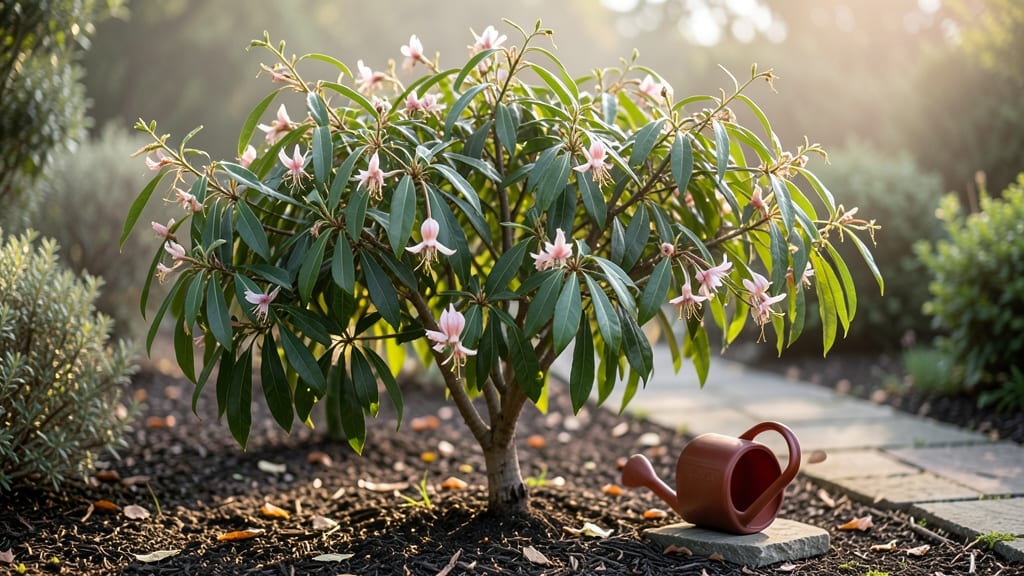
Planting a Chinese lantern tree (Abutilon spp.) turns any patio or garden corner into a year-round showstopper with its vibrant foliage and striking red seed pods. 🌿 I fell for this plant after seeing how it thrived in a neighbor’s 12-inch container all winter long—no fuss, just lush green leaves and those signature lantern-like seed pods that last through the cold months.
The key is matching its tropical roots with the right growing conditions, and once you do, you’ll have a plant that looks good enough to eat (though, honestly, don’t try that).
This plant is a beginner’s dream because it’s forgiving—just give it bright, indirect light, well-draining soil, and occasional water when the top inch feels dry. Containers work perfectly, so even small spaces or balconies can host one.
The real magic happens in late summer when those papery red seed pods form, adding color long after most annuals have faded. Plus, it’s drought-tolerant once established, which means fewer watering worries once you get the hang of it.
By spring, you’ll notice new growth shooting up, and with a little pruning, you can shape it into a bushy, manicured plant or let it grow wild for a more relaxed look. The foliage stays vibrant all year, and those seed pods?
They’re like nature’s Christmas ornaments without the holiday stress. Whether you’re growing it in a 5-gallon pot or tucked into a garden bed, this tree delivers low-maintenance beauty that keeps giving.
Fair warning: It can get 6 feet tall if left unchecked, so plan for pruning if space is tight. But trust me, the trade-off is worth it for a plant that looks this good with almost no effort. Ready to add some year-round color to your space? Let’s get growing!
📚 In This Guide
- What you need
- Instructions
- Tips and common mistakes
- Wrapping up and next steps
What you need
- ● Chinese Lantern Tree Plant: 1 mature plant (3–6 inches tall) or seeds (if starting from scratch).
- ● Pro Tip: 🌱 Opt for a dwarf variety (like 'Bella Mix') if container gardening to save space!
- ● Container (for potted plants): 1–2 drainage holes (critical!)
- ● Minimum 12-inch diameter (larger for mature plants).
- ○ Optional: 🎨 Decorative cache pot to hide drainage holes for aesthetics.
- ● Potting Mix: 1 bag well-draining cactus/succulent mix (or amend regular soil with perlite/vermiculite for airiness).
- ● Pro Tip: 💡 Mix in 10% compost for nutrients without compacting the soil.
- ● Tools: 1 trowel or small shovel (for transplanting).
- ● 1 pair of gardening gloves (to protect from thorns!).
- ● 1 watering can or hose with a gentle spray nozzle.
- ○ Optional: 🔨 Pruning shears (for shaping or propagation later).
- ● Light: Bright, indirect sunlight (6+ hours/day). Note: 🌡️ Avoid harsh midday sun in hot climates—partial shade is better.
- ● Temperature: Ideal: 60–75°F (15–24°C).
- ● Warning: ❄️ Plants cannot tolerate frost—bring indoors if temps drop below 50°F (10°C).
- ● Humidity: Prefers moderate humidity (mist leaves occasionally in dry climates).
- ● Watering Setup: Access to dechlorinated water (let tap water sit 24 hours or use filtered water).
- ● 1 slow-release fertilizer (like osmocote) or liquid feed (diluted to ½ strength).
- ● 1 moisture meter (to check soil dryness—aim for top 1–2 inches dry between waterings).
- ● 1 saucer or tray (for containers, to catch excess water).
Step-by-step guide to growing a Chinese lantern tree in containers
Here's how to cultivate this stunning shrub with vibrant foliage that thrives year-round.
🌱 Step 1: Select the Perfect Container and Drainage
Choose a container at least 18 inches wide and deep for each plant—Chinese lantern trees need room to develop their signature red-orange seed pods. I prefer terra cotta pots because they wick away excess moisture, preventing root rot. Make sure it has drainage holes; if not, drill extra holes in the bottom to ensure water flows freely.
Line the bottom with 2-3 inches of gravel or broken pottery to create a reservoir for water while keeping roots elevated. This prevents soggy soil, which is deadly for these tropical-looking shrubs. Test your container by filling it with water—if it drains within 10 minutes, you're good to go.
🪴 Step 2: Plant in Well-Draining Soil Mix
Fill the container with a mix of 50% potting soil and 50% perlite or coarse sand to improve drainage. Chinese lantern trees hate soggy roots, so the right soil mix is critical. I like to add a handful of compost for nutrients, but avoid heavy garden soil—it compacts and suffocates roots.
Dig a hole in the center of the pot twice as wide as the root ball of your young tree. Gently remove the plant from its nursery pot and place it in the hole, ensuring the top of the root ball sits 1 inch below the container rim. This prevents water from spilling over during watering. Tap the sides of the pot lightly to settle the soil around the roots.
☀️ Step 3: Position for Bright, Indirect Light
Chinese lantern trees love morning sun and afternoon shade. A spot on your patio or balcony with 4-6 hours of sunlight daily works perfectly. Too much direct afternoon sun can scorch the delicate leaves, while too little light slows growth and reduces those signature seed pods.
If you notice leaves turning yellow or stems stretching toward the light, your tree needs more brightness. Rotate the pot quarter-turn weekly so the plant grows evenly. In winter, supplement with a grow light if natural light drops below 6 hours daily—this keeps foliage vibrant year-round.
💧 Step 4: Water Deeply and Maintain Consistent Moisture
Water your Chinese lantern tree when the top 2 inches of soil feel dry to the touch. Stick your finger in the soil—if it’s damp, wait a day or two. Overwatering is the biggest killer of these plants, so always err on the side of dryness. When you do water, soak the soil thoroughly until water runs out the drainage holes.
In summer, you may need to water every 2-3 days, while winter slows watering to once a week. Always water at the base to avoid wetting the leaves, which can lead to fungal issues. A self-watering pot helps maintain steady moisture without guesswork.
✂️ Step 5: Prune for Shape and Encourage Fullness
Prune your Chinese lantern tree in early spring before new growth begins. Cut back any leggy or overgrown branches by one-third to encourage bushier growth. Use clean, sharp pruners to make cuts just above a leaf node—this prevents damage and promotes faster healing.
Remove any dead or diseased branches immediately to keep the plant healthy. You can also pinch back new growth tips in summer to shape the tree and prevent it from becoming too tall and sparse. This is the moment that matters: pruning now ensures a fuller, more compact plant with those stunning seed pods all season long.
Tips & tricks for perfect Chinese lantern tree plant cultivation
Here's what I wish I knew before growing these showstopper shrubs—these tricks make all the difference for thriving foliage.
Container Selection: While 18-inch pots are ideal, you can start with slightly smaller containers (16 inches) for young plants. Just be prepared to upgrade within a year—they grow surprisingly fast! If you're using decorative pots without drainage, add a cache pot inside with drainage holes, then place your decorative pot on top. This keeps roots happy while letting you style your space.
Soil Mix Secret: The 50/50 potting soil to perlite ratio is non-negotiable, but here's the pro move: add a handful of worm castings to that compost instead of regular compost. Worm castings provide gentle, slow-release nutrients without the risk of over-fertilizing that can happen with fresh compost. Your tree will thank you with lush, vibrant growth.
Light Positioning: When choosing that perfect 4-6 hour sun spot, face the pot toward morning sun but shield it from harsh afternoon rays. I've seen many plants struggle because people assume "sunlight" means all-day exposure. A sheer curtain or lattice screen works perfectly to filter that intense afternoon sun while still letting in plenty of light. This balance is what creates those signature red-orange seed pods.
Watering Wisdom: That 2-inch soil dryness check is crucial, but here's how to make it foolproof: use a soil moisture meter for the first few weeks. These inexpensive tools give you an instant reading instead of guessing by touch. Once you get the feel for it, you can rely on your finger. And remember—the 10-minute drainage test should be done before planting, not just after buying your pot.
Pro Tips for Chinese Lantern Tree Plant
- Here's what I wish I knew before growing these showstopper shrubs—these tricks make all the difference for thriving foliage.
- Container Selection: While 18-inch pots are ideal, you can start with slightly smaller containers (16 inches) for young plants.
- Soil Mix Secret: The 50/50 potting soil to perlite ratio is non-negotiable, but here's the pro move: add a handful of worm castings to that compost instead of regular compost.
Frequently asked questions
Got questions about growing your Chinese lantern tree plant? You’re not alone! Here are some of the most common queries—plus straightforward answers to help you nurture this stunning foliage star with confidence.
How do I keep my Chinese lantern tree alive in winter?
This tropical beauty thrives in warmth (60°F+), so bring it indoors before temps dip below 50°F. Place it near a sunny window or under grow lights. Reduce watering slightly—overwatering in cool conditions can lead to root rot. A humidity tray or occasional misting also helps!
When should I repot my Chinese lantern tree?
Repot every 2–3 years or when roots circle the pot. Spring is ideal—after the last frost but before summer heat. Choose a pot just 1–2 inches larger, with drainage holes. Pro tip: Mix in perlite or orchid bark for airy, well-draining soil to prevent soggy roots.
Why are my leaves turning yellow or dropping?
Yellow leaves often signal overwatering or low light. Let the top 1–2 inches of soil dry out between waterings, and check for pests like spider mites (tiny webs = trouble!). If leaves drop suddenly, it might be stress from drafts or sudden temperature swings. Adjust care and monitor for improvement!
Can I grow a Chinese lantern tree outdoors year-round?
Nope—this plant is a tender perennial and won’t survive frost. In USDA Zones 10–11, it can stay outside year-round in partial shade. For colder climates, treat it as a container plant and move it indoors for winter. A patio or balcony works great for summer display!
What’s a good alternative if I want similar foliage but easier care?
Try Croton (Codiaeum) or Aglaonema (Chinese evergreen)—both offer vibrant leaves and tolerate lower light better. Pothos or Snake plant are also hardier options if you’re new to tropical plants. Just remember: the Chinese lantern tree’s unique lantern-shaped leaves are its star feature!
Bonus Tip:
Rotate your plant every few weeks so all sides get even light—this keeps leaves lush and prevents leggy growth. Happy growing!
Wrapping up and next steps
The Chinese lantern tree plant is a stunning, low-maintenance addition that brings vibrant color and texture to your space—even in containers! With its striking foliage and adaptability, it’s perfect for gardeners of all levels.
Whether you’re drawn to its fiery hues or its easy care, this plant promises year-round beauty with minimal fuss.
Ready to transform your outdoor (or indoor!) space? Start small—pick a pot, gather your supplies, and plant your Chinese lantern tree today! Your future self (and your neighbors) will thank you for the burst of color you’re about to add. 🌟