
Pruning
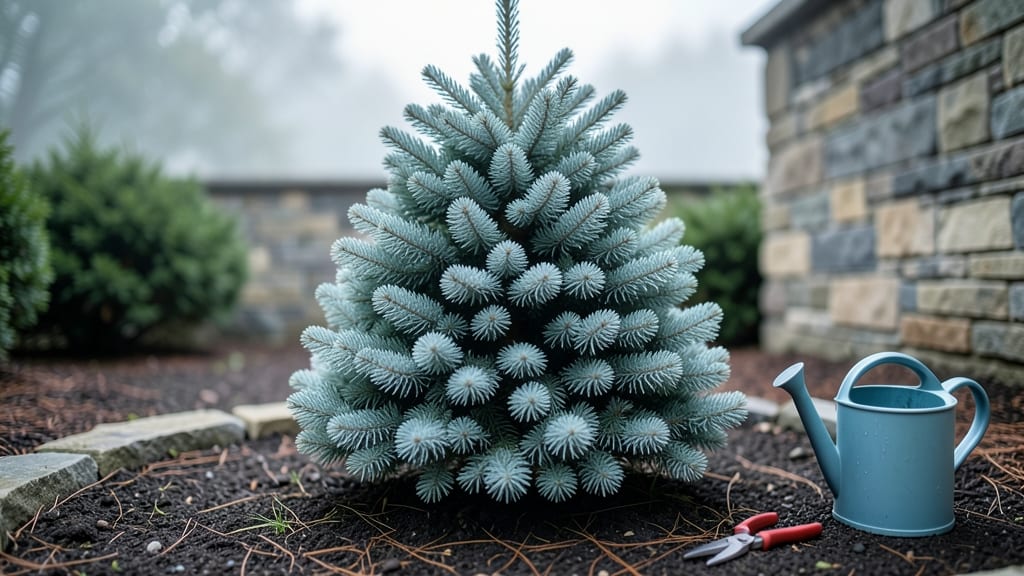
A Christmas tree small like the Picea glauca 'Conica' brings holiday magic without the yard space—these miniature evergreens thrive in containers, fairy gardens, or as year-round ornamentals, growing just 2–6 feet tall. 🌲 I fell for them after my first dwarf Norway spruce outlasted three full winters in a 15-gallon pot, its needles staying vibrant even through snow.
The secret to their success? Proper drainage, bright light, and occasional pruning to maintain shape. They love cool nights but need shelter from harsh winds—my urban balcony setup uses a windbreak made from a recycled lattice panel.
Unlike full-sized trees, these stay compact naturally, so you won’t need heavy pruning unless you want to encourage bushier growth.
Imagine these little trees nestled among hostas, tucked into a corner planter, or even as a centerpiece for a fairy garden. Their scent—fresh, resinous, and instantly festive—fills small spaces better than any artificial scent diffuser.
With the right care, they’ll keep their color and form for 10+ years, becoming a living holiday tradition.
Perfect for small yards, patios, or even indoor winter displays. Here’s how to choose, plant, and keep yours thriving year after year—no holiday stress required.
📚 In This Guide
- What you need
- Instructions
- Tips and common mistakes
- Wrapping up and next steps
What you need
- ● Miniature Christmas tree base: Small pre-pruned tree (3–12 inches tall) or a bonsai-style evergreen sapling (e.g., Picea pungens "Glauca" or Chamaecyparis)
- ● Alternative: A sterilized branch from a conifer (e.g., pine, spruce, or fir) with a natural taper
- ● Container or planting spot: Small pot (4–8 inches wide) with drainage holes
- ● Soil: Well-draining potting mix (add perlite or sand for airflow)
- ○ Optional: Decorative container (e.g., vintage teacup, mini barrel, or fairy garden tray)
- ● Pruning tools: Sharp miniature pruning shears (for fine trimming)
- ● Small hand saw (if working with thicker branches)
- ● Decorative elements (pick your theme!): Fairy lights (battery-operated, 12V or solar-powered)
- ● Miniature ornaments (handmade beads, tiny baubles, or air-dry clay creations)
- ● Ribbon or jute twine (for wrapping or tying)
- ● Glitter or biodegradable confetti (for a magical touch)
- ● 🌱 Choose a healthy base: Inspect your tree for pests or disease—sterilize tools with rubbing alcohol if repurposing a branch.
- ● ✂️ Prune with purpose: Trim at a 45-degree angle to encourage bushier growth (if keeping the tree long-term).
- ● 🎄 Light it right: Use LED fairy lights (low heat) to avoid drying out the tree.
- ○ 🌿 Optional extras: Add miniature moss or fairy figurines for a storybook vibe!
Step-by-step instructions for growing miniature Christmas trees
Here's how to cultivate your own tiny evergreens for container gardens and whimsical fairy displays.
🌱 Step 1: Select the Right Miniature Conifer Species
Choose dwarf cultivars like Picea glauca 'Conica' (dwarf Alberta spruce) or Chamaecyparis lawsoniana 'Ellwoodii' (dwarf Lawson cypress). These stay under 3-5 feet tall while maintaining classic Christmas tree shape. I always buy from reputable nurseries—avoid big-box store specimens that may be rootbound or diseased.
For fairy gardens, opt for 1-gallon container-grown specimens. Their established root systems mean less transplant shock. Check the label for mature height—some "miniature" trees grow to 6 feet over time. Measure your display space first; these trees need room to develop their signature conical shape.
🪴 Step 2: Prepare Containers and Soil Mix
Use 10-15 gallon containers with drainage holes—miniature trees hate soggy roots. I line the bottom with 2 inches of gravel to prevent compaction. For soil, blend 70% peat-based potting mix with 30% perlite to improve aeration and drainage.
Add 1 tablespoon of slow-release fertilizer (14-14-14 ratio) per gallon of mix before planting. This ensures steady nutrition without burning tender roots. The soil should feel like a damp sponge—not wet or dry. Tap the container gently after filling to eliminate air pockets that could strangle roots.
☀️ Step 3: Plant and Position for Optimal Growth
Dig a hole twice as wide as the root ball but no deeper. Gently remove the tree from its nursery pot and tease apart any circling roots with your fingers. Place it in the hole so the top of the root ball sits 1 inch below the container rim—this prevents water from pooling at the base.
Backfill with soil, pressing lightly to eliminate gaps. Water immediately until it drains from the bottom holes. Position your miniature tree in full sun to partial shade (at least 4-6 hours of direct light daily). South-facing windows or shaded patios work well. Rotate the container quarter turn weekly to encourage even growth.
💧 Step 4: Maintain Consistent Moisture and Light
Water when the top 2 inches of soil feel dry—about once weekly in summer, less in winter. Let the soil dry slightly between waterings to prevent fungal diseases. I use a moisture meter to check levels, especially in winter when heating systems dry indoor air.
Fertilize monthly during growing season (spring-fall) with half-strength liquid fertilizer. In winter, reduce to every 6-8 weeks. Prune in late winter to maintain shape—remove only brown or crossing branches with clean, sharp shears. Never cut into old wood; new growth is where these trees fill out beautifully.
✂️ Step 5: Shape and Prepare for Holiday Decor
Start shaping in late winter when new growth begins. Use bypass pruners to trim back 1/4 inch above a bud or branch junction. This encourages fuller growth. For fairy displays, leave the lower branches slightly longer to create a tiered effect—perfect for hanging ornaments.
By mid-December, your miniature tree should be lush and symmetrical. Mist lightly with water before decorating to reduce needle drop. Use LED string lights (they emit less heat) and lightweight ornaments. Avoid heavy decorations that could bend branches permanently.
Tips & tricks for perfect miniature Christmas trees
Here's what nobody tells you about nurturing these delicate evergreens to perfection.
Species Selection Matters: When choosing between Picea glauca 'Conica' and Chamaecyparis lawsoniana 'Ellwoodii', consider your climate. The Alberta spruce handles colder winters better, while the Lawson cypress thrives in milder conditions. I've found that nursery-grown 1-gallon specimens establish themselves twice as quickly as field-grown ones—worth the extra cost for fairy gardens where time is limited.
Container Strategy: For the 10-15 gallon containers mentioned, I recommend using terracotta pots—they wick moisture away from roots, preventing the fungal issues that plague plastic containers. If you must use plastic, drill extra drainage holes along the sides near the bottom. The 2 inches of gravel at the base isn't just for drainage; it creates an air pocket that prevents root rot in these moisture-sensitive trees.
Light Positioning: That 4-6 hours of direct light daily requirement is non-negotiable, but placement matters more than you'd think. South-facing windows work best, but if you're using artificial grow lights, position them 12-18 inches above the tree for even growth. I've seen trees develop lopsided growth when one side gets more light—rotate weekly as instructed, but also check your light source for consistency.
Pruning Precision: When shaping in late winter, focus on creating an open center rather than just trimming the edges. This allows air circulation that prevents pest issues. For fairy displays, I leave the lower branches slightly longer to create that tiered effect—just be careful not to overload them with decorations. The 1/4 inch trim above buds is crucial; cutting too close can damage the growth point.
Pro Tips for Christmas Tree Small
- Here's what nobody tells you about nurturing these delicate evergreens to perfection.
- Species Selection Matters: When choosing between Picea glauca 'Conica' and Chamaecyparis lawsoniana 'Ellwoodii', consider your climate.
- Container Strategy: For the 10-15 gallon containers mentioned, I recommend using terracotta pots—they wick moisture away from roots, preventing the fungal issues that plague plastic containers.
Frequently asked questions
Got questions about your small Christmas tree? Whether you're decorating for fairies, containers, or cozy corners, here are answers to the most common queries—so you can enjoy your tiny tree without the stress!
What’s the best way to keep a small Christmas tree fresh for weeks?
For container-grown or fairy trees, opt for pre-lit or artificial varieties—they’re low-maintenance and stay "fresh" year-round! If using a real mini tree, place it in a shallow tray of water (like a vase) and trim the trunk at a 45° angle to maximize hydration. Mist the branches lightly weekly to prevent drying.
Can I reuse a small Christmas tree from year to year?
Artificial small trees (especially fiberglass or PVC) are built for reuse—just store them in a dry, protected spot (like a closet with a tree bag) to avoid dust or damage. For real trees, they’re typically too delicate for yearly reuse, but you can repurpose the pot or branches for crafts or fairy gardens!
How early can I decorate a miniature Christmas tree?
Decorate as soon as you bring it home! Unlike full-sized trees, small trees dry out faster, so adding lights, ornaments, or tinsel right away keeps them looking vibrant. Pro tip: Use LED string lights (they emit less heat) and lightweight decorations to avoid bending branches.
What are the best alternatives to a traditional small tree?
No tree? No problem! Try these festive swaps:
- Fairy Garden Tree: A bare branch (like a willow or pampas grass) wrapped in twinkle lights.
- Mini Pot Tree: A dwarf conifer (e.g., Picea pungens) in a decorative pot—water it like a houseplant!
- DIY Branch Tree: Collect pinecones, eucalyptus, or dried oranges on a foam base.
- Tabletop Tree: A pre-made artificial tree (as small as 12 inches!) for mantels or shelves.
Why is my small tree shedding needles/pinecones?
Shedding is normal for real trees, but excessive drop-off means it’s drying out. Check these fixes:
Issue
Solution
Needles turning brown
Increase humidity with a nearby bowl of water or a humidifier.
Pinecones falling early
Use a tree preservative spray (like those for poinsettias) to extend freshness.
Branches wilting
Trim the trunk and submerge in water immediately—real trees need daily hydration!
For artificial trees, shedding might mean dust buildup—gently vacuum with a soft brush attachment.
Wrapping up and next steps
A small Christmas tree—whether in a cozy container or adorned with fairy lights—brings whimsical charm and festive joy to any space. 🎄✨ From selecting the perfect miniature variety to pruning for long-lasting health, this guide has shown you how to nurture and celebrate your tiny tree with ease.
Whether you're a seasoned gardener or a holiday enthusiast, the magic of a small tree is within reach!
Ready to sparkle up your season? Grab your shears, pick a spot, and let the holiday cheer begin—your miniature masterpiece awaits!