
Trees
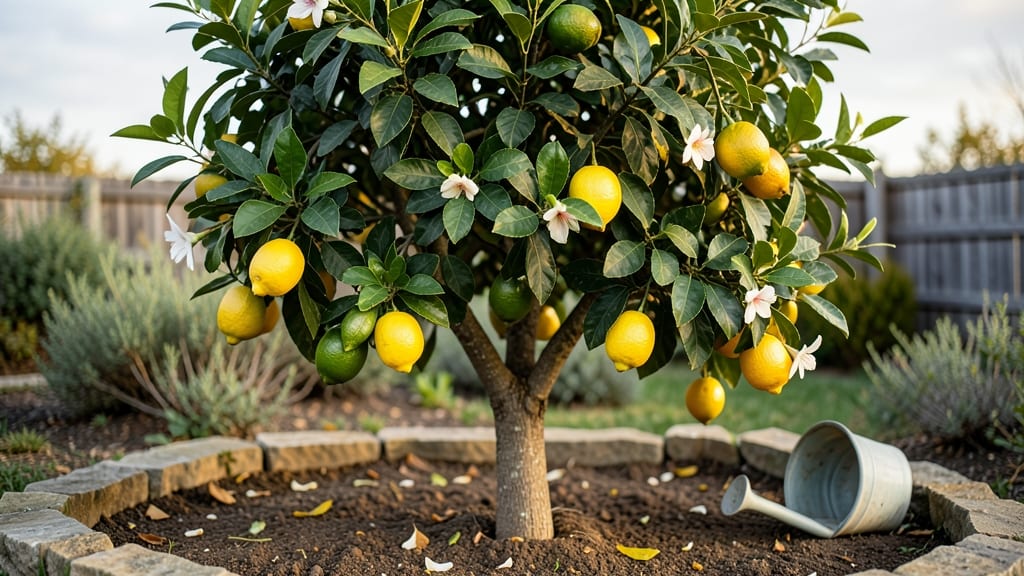
Growing a citrus lemon tree from seed to sun-dappled harvest is one of the most rewarding gardening adventures you'll ever take—especially when you taste that first homegrown lemon. 🌿 I learned the hard way that patience is key: my first attempt took three years before producing fruit, but now I'm hooked on the fragrant blossoms and tangy rewards.
The secret lies in mimicking its Mediterranean roots: warm days, bright light, and well-draining soil. You don't need a greenhouse—just a sunny spot (at least 6 hours of direct sun daily) and the right container or in-ground bed.
For beginners, dwarf varieties like 'Meyer' lemon thrive in pots, while full-sized trees need permanent ground space and winter protection in colder zones.
By summer's end, you'll be harvesting lemons that smell like childhood memories—bright yellow, juicy, and packed with flavor. The tree itself becomes a living centerpiece, with glossy leaves that perfume the air and delicate white blossoms that attract bees.
Pruning in late winter keeps it manageable, and a balanced fertilizer schedule ensures steady growth.
Whether you're growing in a California backyard or a Florida balcony, the principles stay the same. The biggest mistake? Overwatering—citrus hates soggy roots. With the right care, your lemon tree will reward you for years, turning your garden into a little slice of paradise.
📚 In This Guide
- What you need
- Instructions
- Tips and common mistakes
- Wrapping up and next steps
What you need
- ● Lemon Tree Seedling or Grafted Plant: 1-2 Meyer lemon (hardier, sweeter) or Eureka/Esteem (classic varieties)
- ● Choose a container-grown plant (4–6 inches in diameter) for pots or a bare-root sapling for ground planting.
- ● Well-Draining Soil: 5–10 gallons of citrus-specific potting mix (or a blend of 60% peat moss, 20% perlite, 20% sand)
- ● For in-ground planting: Amend native soil with compost (2–3 cubic feet per planting hole) and garden lime (to raise pH to 6.0–7.0).
- ● Container (if potted): 1 15–25 gallon pot (minimum 12 inches deep) with drainage holes.
- ○ Optional: Self-watering pot or fabric grow bag for better moisture control.
- ● Fertilizer: Balanced citrus fertilizer (e.g., 6-6-6 NPK ratio) or organic options like fish emulsion or alfalfa pellets.
- ● Slow-release granules (follow package rates for application).
- ● Watering Supplies: Watering can with a rose nozzle (for gentle watering) or a drip irrigation kit (for consistency).
- ● pH testing kit (to monitor soil acidity, ideal range: 6.0–7.0).
- ● Pruning Tools: 1 pair of sterilized pruning shears (for shaping and removing dead growth).
- ● 1 sharp bypass pruner (for larger branches).
- ● Mulch: 2–3 inches of organic mulch (e.g., straw, wood chips, or pine bark) to retain moisture and regulate temperature.
- ● Sunlight: Full sun (6–8+ hours daily). Lemon trees thrive in USDA Zones 9–11; colder climates require container growing (move indoors in winter).
- ● Temperature: Ideal: 70–85°F (day), 55–60°F (night).
- ● Avoid frost (below 28°F can kill the tree).
- ● Wind Protection: Plant near a fence or trellis if in a breezy area (lemon trees have delicate branches).
- ● Citrus foliar spray (e.g., neem oil) to prevent pests like aphids or spider mites.
- ● Pollination aid: A soft paintbrush (if growing from seed and hand-pollinating is needed).
- ● Grow lights (LED full-spectrum) for indoor setups or winter supplementation.
- ● Tree ties or stakes for young trees in windy conditions.
- ● Humidity tray or pebble tray to boost moisture in dry climates.
Step-by-step guide to growing a thriving lemon tree
Here’s how I’ve grown robust, fruit-bearing citrus in containers—no green thumb required.
🌱 Step 1: Select the Right Variety and Container
Start with a dwarf lemon tree (like ‘Meyer’ or ‘Eureka’) for backyard growing. These stay manageable while still producing fruit. Choose a 15-20 gallon container with drainage holes—citrus roots need room to spread and hate soggy feet. I use terra cotta because it breathes, but any sturdy plastic or ceramic pot works.
Fill the bottom 2-3 inches with course gravel or broken pottery shards to improve drainage. This prevents root rot, which is the #1 killer of container-grown citrus. Skip the pebbles on top—they’re decorative but don’t help drainage.
☀️ Step 2: Plant in Well-Draining Soil and Position for Sun
Use a citrus-specific potting mix (or blend 60% potting soil, 30% perlite, 10% compost). Citrus needs slightly acidic soil (pH 6.0-7.0)—test your mix with a kit if unsure. Fill the pot 1 inch below the rim, leaving space for watering.
Remove the tree from its nursery pot and loosen the roots gently. Plant at the same depth as it grew in the nursery—burying the trunk too deep suffocates it. Press soil lightly around the base, then water deeply until it drains from the bottom holes.
Place your lemon tree in full sun (6+ hours daily). A south-facing spot gets the best results, but east or west works too. If you’re in a hot climate, afternoon shade prevents leaf scorch. Watch for leaves curling or yellowing—this means it’s getting too much direct sun.
💧 Step 3: Water and Fertilize for Consistent Growth
Water when the top 2 inches of soil feel dry—stick your finger in to check. Overwatering is worse than underwatering for citrus. In summer, you’ll water every 3-4 days; in winter, every 7-10 days. Always water at the base, not overhead, to prevent fungal diseases.
Feed with a balanced citrus fertilizer (10-10-10 or 8-3-9) every 4-6 weeks during growing season (spring-fall). I use half-strength to avoid burning roots. In winter, cut back to once every 8 weeks—citrus rests then. Yellow leaves? You’re over-fertilizing.
✂️ Step 4: Prune and Train for Shape and Fruit
Prune in late winter or early spring before new growth starts. Remove dead, crossing, or inward-growing branches with clean, sharp shears. Cut just above a leaf node (the bump where leaves grow) to encourage new branches. This keeps the tree open for sunlight and air circulation.
Pinch back new growth by 1/3 to encourage bushier growth. I also thin out some fruit in summer—too many lemons drain the tree. Leave 3-4 per cluster for best size. If you see blossoms but no fruit, your tree might need more sunlight or a calcium spray to prevent blossom drop.
⏰ Step 5: Overwinter and Protect from Cold
Citrus is tropical—it won’t survive below 20°F. Move your pot indoors near a south-facing window or under grow lights for 14+ hours/day. Keep temperatures between 50-65°F—cooler is fine, but avoid drafts or heat vents.
Reduce watering by half in winter—roots grow slower. If leaves drop, it’s usually from low humidity (group pots together) or sudden temperature swings. A humidifier nearby helps. Come spring, gradually reintroduce outdoor conditions over 2-3 weeks to avoid shock.
Tips & tricks for perfect citrus lemon tree care
Here's what I've learned after growing thriving lemon trees for years—these details make all the difference.
Container Selection: While terra cotta is my go-to for its breathability, don't overlook sturdy plastic containers with drainage holes. The key is the 15-20 gallon size—this gives roots room to establish without becoming root-bound, which leads to poor fruit production. I've seen growers use old whiskey barrels with drainage holes drilled in, and they work beautifully for a rustic look.
Soil Mix Secrets: That 60-30-10 blend of potting soil, perlite, and compost is non-negotiable for proper drainage and aeration. For the slightly acidic pH (6.0-7.0), I always test my mix with a simple pH kit—citrus roots can't handle alkaline soil. If your mix tests too high, mix in a bit of sulfur or peat moss to adjust. The 1 inch below the rim fill line is crucial too—it prevents water overflow during heavy watering.
Sunlight Strategy: In hot climates, I've found that moving trees to morning sun and afternoon shade produces better fruit quality. The leaves won't scorch, and the fruit develops sweeter flavors. Watch for that 6+ hours of sunlight minimum—any less and you'll get sparse flowering. I've seen trees in east-facing spots produce fruit, but the yield is always lower than south-facing trees.
Winter Care: That 50-65°F range is perfect for winter dormancy, but consistency is key. I place my trees near south-facing windows where they get 14+ hours of light from a combination of natural light and a simple LED grow light. The 2-3 week acclimation when returning outdoors is just as important as the winter care—rush this step and you'll shock the tree, causing leaf drop. Grouping pots together creates a microclimate that helps maintain humidity levels.
Pro Tips for Citrus Lemon Tree Growing
- Here's what I've learned after growing thriving lemon trees for years—these details make all the difference.
- Container Selection: While terra cotta is my go-to for its breathability, don't overlook sturdy plastic containers with drainage holes.
- Soil Mix Secrets: That 60-30-10 blend of potting soil, perlite, and compost is non-negotiable for proper drainage and aeration.
Frequently asked questions
Got questions about growing your own citrus lemon tree? You’re not alone—let’s tackle the most common ones to help you cultivate sun-kissed lemons with confidence!
How long does it take for a lemon tree to bear fruit?
A lemon tree typically takes 3–5 years to bear fruit from seed, but grafted trees can produce lemons in as little as 1–2 years with proper care. Patience is key—focus on healthy growth, sunlight, and soil first! Pro tip: Dwarf varieties mature faster and are great for containers.
Can lemon trees survive winter in cold climates?
Lemon trees thrive in USDA zones 9–11, but with protection, they can survive brief cold snaps (20°F/-7°C). Move potted trees indoors near a sunny window, or wrap outdoor trees in frost cloth. In harsh winters, consider growing them in containers for flexibility. Warning: Freezing temps will kill the tree—act fast!
Why are my lemon tree leaves turning yellow?
Yellow leaves often signal overwatering, nutrient deficiency, or pests. Check soil moisture (it should dry slightly between waterings) and inspect for aphids or mites. Feed your tree with citrus-specific fertilizer every 2–3 months to boost health. Fix it: Trim affected leaves and adjust care routines.
Is it better to grow a lemon tree indoors or outdoors?
Outdoor growth yields bigger, sweeter lemons with full sun (6+ hours/day), but indoor trees (near south-facing windows) work in apartments. Containers are ideal for both—just ensure drainage and rotate the pot weekly for even sunlight. Bonus: Indoor trees purify air and add tropical charm!
Can I grow a lemon tree from a store-bought lemon?
Yes! Save seeds from organic, seedless lemons, dry them, and plant in moist soil. However, seed-grown trees may take years to fruit and produce different varieties than the parent. For faster results, buy a grafted nursery tree—it’s worth the investment! Fun fact: Seedlings can be quirky but rewarding for experimenters.
Wrapping up and next steps
Growing your own citrus lemon tree is a rewarding journey that brings sunshine, fresh lemons, and a touch of tropical charm right to your backyard! 🌿 With the right soil, sunlight, and care, you’ll enjoy a thriving tree that keeps giving—year after year.
Now that you’re armed with the essentials, why not take the first step today?
Start by choosing your favorite lemon variety, gather your supplies, and plant with confidence. Whether you’re a beginner or a seasoned gardener, every lemon picked will taste like success. Happy growing! 🍋✨