
Container Gardens
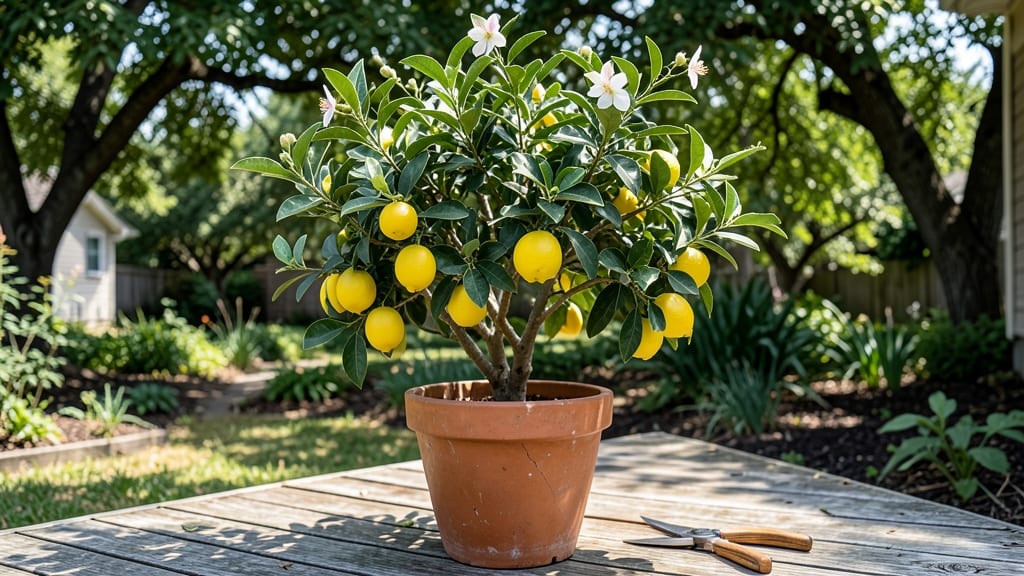
Potted citrus trees bring sunshine to patios and kitchens—even if your space is smaller than a postage stamp. 🌿 I’ve grown Meyer lemons, Calamondins, and dwarf oranges in 15-gallon pots for years, and the secret isn’t just the right variety but the right setup.
Too-small containers, poor drainage, or inconsistent watering will stunt growth, but get it right and you’ll harvest fruit indoors or on a balcony.
Start with dwarf varieties like ‘Improved Meyer’ or ‘Calamondin’—they stay under 6 feet tall and thrive in containers. You’ll need a pot with drainage holes, a well-draining soil mix (think 60% potting soil, 30% perlite, 10% compost), and a sunny spot getting at least 6 hours of light daily.
Overwintering? Move them indoors near a bright window or under grow lights when temps dip below 40°F.
Within a year, you’ll see glossy new leaves and tiny blossoms—then fruit. The first harvest might be small, but each season gets better. Prune lightly after harvest to encourage bushiness, and fertilize monthly with citrus-specific food during growing months.
The key is consistency: water when the top inch of soil dries, and never let them sit in soggy soil.
Common pitfalls? Root-bound trees (repot every 2–3 years) and nutrient deficiencies (yellow leaves mean it’s time for iron or magnesium). But with the right care, your potted citrus will reward you with fragrant blooms and homegrown fruit—no backyard required. Let’s get those roots growing!
📚 In This Guide
- What you need
- Instructions
- Tips and common mistakes
- Wrapping up and next steps
What you need
- ● Citrus Tree: Choose a dwarf variety (e.g., Calamondin, Meyer Lemon, or Key Lime) for potted growth. Size: 1–3 gallons (12–18" tall) for beginners.
- ● Container: Size: 12–18" diameter/height (minimum 5-gallon capacity). Material: Terracotta (breathable) or plastic (retains moisture). Must have: Drainage holes!
- ● Potting Mix: Type: Well-draining citrus blend (or 60% potting soil + 30% perlite + 10% sand). Quantity: Enough to fill the pot 2/3 full.
- ● Gravel or Pebbles: Size: ½–1" diameter. Quantity: 1–2" layer for drainage at the pot’s base.
- ● Watering Can: With a rose nozzle for gentle watering (1–2 gallons capacity).
- ● Fertilizer: Type: Slow-release citrus fertilizer (10-10-10 NPK) or liquid seaweed blend. Quantity: Follow label doses (typically 1–2 tbsp per gallon of soil).
- ● Pruning Shears: Type: Bypass pruners (sharp, clean cuts).
- ● Self-Watering System: Drip irrigation kit or moisture meter for consistency.
- ● Mulch: Pine bark or coconut coir to retain moisture (apply 1" layer on top soil).
- ● Support Stake: For young trees (3–4 ft tall) to prevent toppling.
- ● Citrus-Safe Pest Spray: Neem oil or insecticidal soap for aphids/spider mites.
- ● Grow Lights: LED full-spectrum bulb (12–14 hrs/day) if indoors (low-light areas).
- ● Wheelbarrow or Tray: For mixing soil or transporting heavy pots.
Step-by-Step guide for growing citrus trees in pots
Here's how to keep your citrus thriving in containers for years.
🪴 Step 1: Choose the Right Container and Drainage
Start with a pot that's at least 12 inches wide and deep—citrus roots need room to spread. I like ceramic or fabric pots because they breathe better than plastic, but make sure it has drainage holes. If yours doesn't, drill them yourself—citrus hates soggy roots.
Add a 2-inch layer of gravel or broken pottery at the bottom before filling with soil. This creates air pockets and prevents compaction. I also place a coffee filter over the holes to keep soil from washing out while still allowing water to drain freely.
🌱 Step 2: Plant in Well-Draining Citrus Mix
Use a premium citrus potting mix or blend your own with 60% potting soil, 20% perlite, and 20% coarse sand. This prevents root rot while holding enough moisture for thirsty citrus. Fill the pot halfway, then gently remove the tree from its nursery container and loosen the roots if they're circling.
Place the tree in the pot and backfill with more mix, pressing lightly to remove air pockets. Leave about 1 inch of space between the soil and pot rim—this prevents overflow when watering. Water thoroughly until it drains from the bottom, then let it sit for 10 minutes to settle.
☀️ Step 3: Position for Bright, Indirect Light
Citrus needs 6-8 hours of sunlight daily, but direct midday sun can scorch tender leaves. I place my pots near a south-facing window or under a sheer curtain if the sun is intense. If you notice leaves turning yellow or crispy, move it back a few feet.
Rotate the pot a quarter turn weekly so the tree grows evenly. You'll see new growth on all sides within a few weeks—that's your sign it's happy. In winter, supplement with a grow light 12 inches above the tree for 14 hours daily to prevent dormancy.
💧 Step 4: Water Deeply and Fertilize Regularly
Water when the top 2 inches of soil feel dry. Stick your finger in—if it's damp, wait another day. Overwatering is the #1 killer of potted citrus. When you water, do it deeply until it runs from the drainage holes. Empty the saucer afterward to avoid root rot.
Feed every 4-6 weeks with a balanced citrus fertilizer (like 8-8-8 or 10-10-10). I dilute it to half-strength in spring and summer, then reduce to quarter-strength in fall. Stop fertilizing in winter—citrus rests then. You'll see dark green leaves and steady growth when it's getting enough nutrients.
✂️ Step 5: Prune and Repot for Compact Growth
Prune in late winter or early spring to shape the tree and encourage branching. Cut back 1/3 of the new growth from the previous year, focusing on inward-growing branches. Sterilize your shears with rubbing alcohol first—citrus is prone to fungal infections.
Repot every 2-3 years when roots circle the pot. Choose a container just 2 inches larger in diameter—bigger pots hold too much moisture and stunt growth. Refresh the soil completely, and you'll see vigorous new shoots within weeks.
Tips & tricks for perfect potted citrus trees
Here's what nobody tells you about keeping your citrus thriving in containers—trust me, these details make all the difference.
The Drainage Layer Secret: That 2-inch gravel layer in Step 1 isn't just about drainage—it's also a moisture buffer. I've found that adding a handful of small river rocks (instead of just gravel) creates even more air pockets. This prevents the soil from becoming compacted over time, which is especially important for citrus roots that need oxygen.
Soil Mix Pro Tip: When blending your own mix in Step 2, I recommend adding a handful of worm castings to the 60% potting soil. It boosts beneficial microbes that help citrus absorb nutrients more efficiently. If you can't find worm castings, a sprinkle of composted cow manure works too—just make sure it's well-aged to avoid burning roots.
Light Positioning Hack: For Step 3's sunlight requirements, I've learned that east-facing windows are actually ideal for citrus in summer—the morning sun is gentler than afternoon rays. If you're using a grow light, position it so it covers the top third of the tree, which is where most new growth happens. You'll notice the leaves stay brighter green when they get this targeted light.
Watering Wisdom: The 10-minute settling time after watering in Step 2 is crucial, but don't just eyeball it. Weigh your pot before and after watering—when the weight stabilizes, that's your signal the excess water has drained. I keep a small kitchen scale handy for this, and it's saved me from overwatering more times than I can count.
Pro Tips for Citrus Trees Potted
- Here's what nobody tells you about keeping your citrus thriving in containers—trust me, these details make all the difference.
- The Drainage Layer Secret: That 2-inch gravel layer in Step 1 isn't just about drainage—it's also a moisture buffer.
- Soil Mix Pro Tip: When blending your own mix in Step 2, I recommend adding a handful of worm castings to the 60% potting soil.
Frequently asked questions
Got questions about keeping citrus trees thriving in pots?
You’re not alone! Here are answers to the most common queries—from care tips to troubleshooting—so you can enjoy luscious, compact citrus year-round.
How often should I water my potted citrus tree?
Water potted citrus when the top 1–2 inches of soil feel dry—usually every 5–7 days in summer or 10–14 days in winter. Overwatering is the #1 killer! Use well-draining soil and a pot with drainage holes to prevent soggy roots. Pro tip: Stick your finger in the soil—if it’s dry past your first knuckle, it’s time to water!
When is the best time to repot my citrus tree?
Repot in early spring (before new growth starts) or late winter. Choose a pot just 2–3 inches wider than the current one—citrus hate being cramped! If roots circle the pot or soil drains too fast, it’s a sign it’s time. Warning: Avoid repotting during extreme heat or cold.
Can I grow lemons, oranges, and limes in the same pot?
While possible, mix with caution! Citrus trees have similar needs, but overcrowding stresses them. Stick to one tree per 15–18 inches of pot diameter or use dwarf varieties. If combining, pick compatible types (e.g., Meyer lemon + calamondin) and monitor for pests. Pro tip: Prune regularly to maintain airflow!
Why are the leaves on my potted citrus tree yellowing?
Yellow leaves usually signal overwatering, nutrient deficiency, or pests. Check the soil—if it’s soggy, reduce watering. Yellowing with brown edges? Underwatering or salt buildup may be the culprit. Inspect leaves for mites or scale insects. Fix it: Flush the soil with water, feed with citrus-specific fertilizer, and trim affected leaves.
Do potted citrus trees need winter protection?
Yes! Most citrus trees need temps above 40°F (4°C). Move pots to a garage, shed, or insulated patio for winter. If outdoors, wrap the pot in bubble wrap or frost cloth and mulch the soil. Avoid fertilizing in winter—let the tree rest! Pro tip: Group pots together to share warmth!
What’s the best soil mix for potted citrus?
Use a well-draining blend like: 50% potting soil + 30% perlite/pumice + 20% compost. Avoid garden soil—it compacts and suffocates roots. Add citrus-specific fertilizer (high in nitrogen) every 2–3 months in growing season. Bonus: A handful of worm castings boosts nutrients!
Wrapping up and next steps
Growing citrus trees in pots is a rewarding way to bring sunshine and zesty flavors to small spaces—whether you’re a beginner or a seasoned gardener. With the right container, soil, and care, you can enjoy fresh lemons, oranges, or limes year after year, even on a balcony or patio.
The key is consistency: water wisely, provide sunlight, and protect them from frost to keep your citrus thriving.
Ready to get started? Pick your favorite citrus variety and grab a pot—your future harvest (and happy plants!) are just a few steps away. 🌱✨