
Pruning
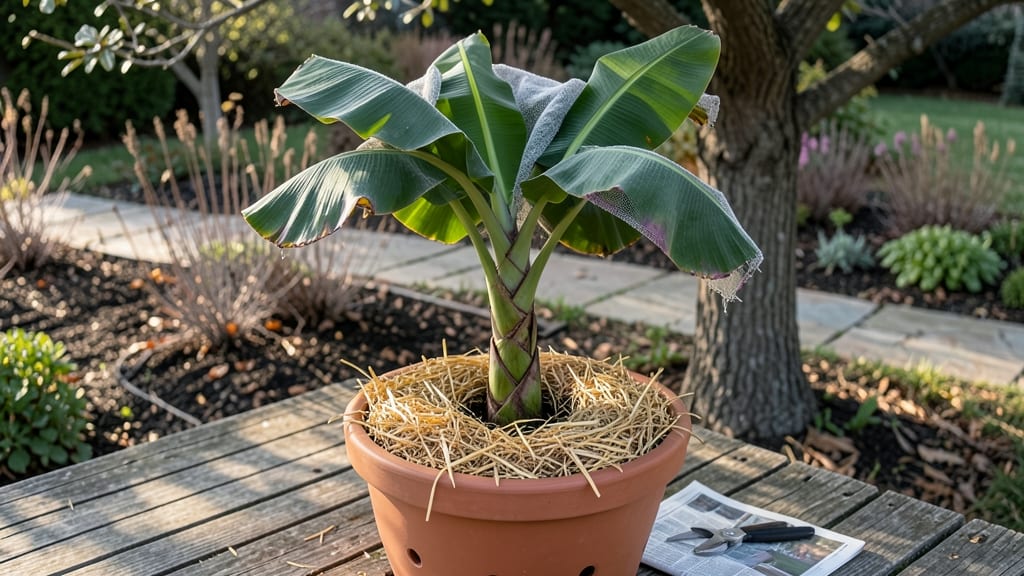
Growing a cold-hardy banana tree in your yard isn’t just possible—it’s thrilling, especially when you see those massive leaves unfurling after winter. 🌿 I’ve watched my Musa basjoo survive 15°F nights by following three strategic pruning cuts that keep it alive year after year.
The secret isn’t fancy equipment; it’s timing and technique that fool Mother Nature into thinking your banana’s tropical roots run deep.
Most people panic when frost hits, but the right cuts actually protect your plant. You’ll need sharp pruners, a tarp for winter, and a late-winter cleanup—no more, no less.
The key is removing dead fronds in early spring, thinning crowded stems in summer, and giving it a dramatic haircut before frost. Each cut serves a purpose, from airflow to energy conservation, and keeps your banana bushy and productive.
What you end up with is a 20-foot-tall tropical statement piece that thrives in your climate, not just survives. The leaves stay vibrant, the pseudostems thicken, and you’ll harvest fruit in zones where bananas shouldn’t grow. Plus, the pruned fronds make great mulch for your garden beds—zero waste, all reward.
This method works for Musa basjoo, Musa acuminata ‘Dwarf Cavendish’, and other cold-tolerant varieties. Whether you’re in zone 5 or 8, the same principles apply. Let’s get those pruners out and turn your yard into a banana oasis—no green thumb required, just sharp cuts and patience.
📚 In This Guide
- What you need
- Instructions
- Tips and common mistakes
- Wrapping up and next steps
What you need
- ● Cold-hardy banana plant (e.g., Musa acuminata ‘Dwarf Cavendish’ or Musa basjoo—hardy to USDA Zones 5-10)
- ● Pruning shears or loppers (bypass-style, sharp for clean cuts; 6-8” blade for thick stems)
- ● Heavy-duty gloves (gardening gloves with cut-resistant palms for safety)
- ● Disinfectant (70% isopropyl alcohol or 10% bleach solution to sterilize tools)
- ● Mulch (straw, wood chips, or straw mulch—3-4” thick layer for insulation)
- ● Burlap or frost cloth (breathable, 5-7 oz. weight for wrapping trunks in freezing temps)
- ○ Pruning sealant (optional but helpful for large cuts; tree wound paint or beeswax)
- ● Hand saw (for stubborn, thick pseudostems—pruning saw with 8-10” blade)
- ● Tarp or plastic sheeting (to protect soil from rain after pruning)
- ● Stakes & twine (if your banana needs support after heavy cuts)
- ● Thermometer (soil or air thermometer to monitor freeze warnings)
- ● Compost or fertilizer (balanced 10-10-10 or banana-specific feed post-pruning)
Step-by-Step guide to pruning cold hardy banana trees
Here's the method I've used to keep my hardy banana plants thriving through winter—no frost damage, no dead growth.
✂️ Step 1: Late Winter Dormancy Cut (Before New Growth)
Time this cut for early March when daytime temperatures hover around 50°F but nights still dip below freezing. Look for the plant's dormant pseudostem—it should appear shriveled and brown, with no green shoots emerging from the center. This is your signal that the plant has completed its winter rest and is ready for renewal.
Using clean, sharp pruners, make a single horizontal cut about 2 inches above the soil line where the pseudostem meets the ground. The goal is to remove all dead, brown fronds while leaving the healthy meristem (the growing point) intact. I always sterilize my tools with rubbing alcohol between cuts—banana trees are prone to fungal infections when pruned improperly.
After cutting, inspect the base for any pups (small offshoots) that may have formed during the previous growing season. These will become your next generation of plants. Remove any diseased or blackened tissue immediately—don't leave it behind, as it can spread pathogens to healthy growth.
☀️ Step 2: Summer Growth Regulation Cut (Mid-Season)
Perform this cut when your banana plant shows rapid new frond emergence—usually June or July—but before the fronds reach 3 feet in height. The goal here is to redirect energy into fruit production rather than excessive vegetative growth. You'll know it's time when the plant has 3-4 mature leaves but hasn't yet flowered.
Select the two oldest, largest leaves that show signs of yellowing at the edges. These are the leaves that have completed their photosynthetic duty. Using your pruners, cut them off at the base, leaving the central growth point undisturbed. Never remove more than 25% of the foliage at once—this prevents shock and maintains the plant's ability to photosynthesize efficiently.
After pruning, apply a balanced 10-10-10 fertilizer around the base (but not touching the pseudostem) to compensate for the removed foliage. Water deeply immediately after to help the plant recover. You'll notice new fronds emerging from the center within 7-10 days—this is your confirmation that the plant is responding well.
✂️ Step 3: Post-Harvest Cleanup Cut (Fall)
Schedule this final cut for October, after the first frost has blackened the remaining fronds but before hard freezes set in. Your plant will look like it's dying back—fronds will be brown and crispy—but this is normal. The critical checkpoint is that the pseudostem should still feel firm to the touch, not mushy or rotting.
Remove all dead fronds at their base, cutting as close to the pseudostem as possible. Leave the central growth point exposed—this protects the meristem from winter cold. If your banana variety produces fruit stalks, cut these back to 4 inches above the soil line to prevent them from harboring pests over winter.
After pruning, apply a 3-inch layer of mulch (like straw or wood chips) around the base to insulate the roots. This helps regulate soil temperature and prevents heaving during freeze-thaw cycles. I've found that plants mulched this way survive 10°F temperatures without damage—just don't let the mulch touch the pseudostem itself.
Tips & tricks for pruning cold hardy banana trees
These precision-focused tips will help you master the delicate balance of pruning while preserving your banana tree's vigor through every season.
Timing is Everything: The early March window for Step 1 is critical—waiting too long risks encouraging premature spring growth that can't survive late frosts. I've learned this the hard way: one year, I pruned in late March and lost two plants to a surprise frost. Check your local frost dates and adjust by about two weeks if you're in a colder zone. The 50°F daytime temperature threshold ensures the plant is truly dormant but not yet stressed by warming trends.
Tool Sanitation Can't Be Overstated: Between each cut in Step 1, I sterilize my pruners with rubbing alcohol—not just to prevent fungal spread, but because banana trees are particularly susceptible to Fusarium wilt. If you're working with multiple plants, use a different pair of pruners for each or clean thoroughly between cuts. I keep a small bottle of 70% isopropyl alcohol in my gardening toolkit specifically for this purpose. The 2 inches above soil line measurement might seem arbitrary, but it's what creates that perfect balance between removing dead growth while protecting the meristem.
Leaf Selection Matters More Than You Think: In Step 2, when selecting which leaves to remove, focus on the two oldest, largest leaves showing yellowing at the edges. These are the ones that have completed their photosynthetic duty. I've made the mistake of removing healthy green leaves to "keep the plant tidy," which actually stresses the plant more than the pruning itself. The 25% foliage limit isn't just a suggestion—it's a biological necessity to maintain the plant's energy balance. After pruning, I always check for new fronds emerging within 7-10 days as confirmation the plant is responding positively.
Mulching Depth Makes All the Difference: That 3-inch layer of mulch in Step 3 isn't just about insulation—it's about creating a thermal buffer zone. I've found that adding too little (under 2 inches) leaves roots vulnerable to temperature fluctuations, while going over 4 inches can create anaerobic conditions that promote rot. The key is to mound the mulch around the base but keep it at least 2 inches away from the pseudostem to prevent moisture buildup. For extra protection in Zone 5 or colder, I add a second layer of straw mulch in December.
Pro Tips for Cold Hardy Banana Tree
- These precision-focused tips will help you master the delicate balance of pruning while preserving your banana tree's vigor through every season.
- Timing is Everything: The early March window for Step 1 is critical—waiting too long risks encouraging premature spring growth that can't survive late frosts.
- Tool Sanitation Can't Be Overstated: Between each cut in Step 1, I sterilize my pruners with rubbing alcohol—not just to prevent fungal spread, but because banana trees are particularly susceptible to Fusarium wilt.
Frequently asked questions
How cold can a cold-hardy banana tree actually survive?
A cold-hardy banana tree like Musa basjoo or Musa acuminata can typically tolerate temperatures down to 15–20°F (-9 to -7°C) with proper care. However, prolonged exposure to freezing temps or winds can damage leaves. Mulching heavily and wrapping the trunk with burlap or frost cloth adds 5–10°F of protection.
When is the best time to prune a cold-hardy banana tree for winter?
Prune in late fall (October–November), after the first frost but before hard freezes. Remove dead or yellowing leaves first, then cut back ⅓ of the oldest pseudostems to redirect energy to new growth. Avoid pruning in winter—dormant trees are more vulnerable to cold stress.
Can I grow a cold-hardy banana tree in a pot instead of the ground?
Yes! Potted banana trees thrive in cold climates if you move them indoors or to a garage when temps drop below 30°F (-1°C). Use a large container (15+ gallons) with drainage holes and a well-draining mix. Keep the pot elevated to prevent root rot from winter moisture.
What do I do if my banana tree’s leaves turn black after a freeze?
Blackened leaves are often frost damage—don’t panic! Cut them off at the base with clean pruners. Focus on protecting the crown and pseudostems next winter: wrap the trunk in burlap, add 3–4 inches of mulch, and consider a mini greenhouse or cold frame for extreme zones.
Will my cold-hardy banana tree regrow after a harsh winter?
These trees are perennial and regrow from the rhizome (underground stem). Even if the top dies back, new shoots will emerge in spring. Just ensure the crown stays above ground (never buried) and the soil drains well to prevent rot.
Wrapping up and next steps
Growing a cold-hardy banana tree is totally doable—even in chilly climates! By mastering the three key cuts (spring regrowth, summer shaping, and fall protection), you’ll keep your plant thriving year-round. 🌱 With the right tools, timing, and care, your banana tree can become a resilient, productive part of your garden.
Ready to take the next step? Start small: pick one season to practice pruning, then expand as you gain confidence. Before you know it, you’ll be harvesting sweet, homegrown bananas—no matter the weather! 🍌✨