
Pruning
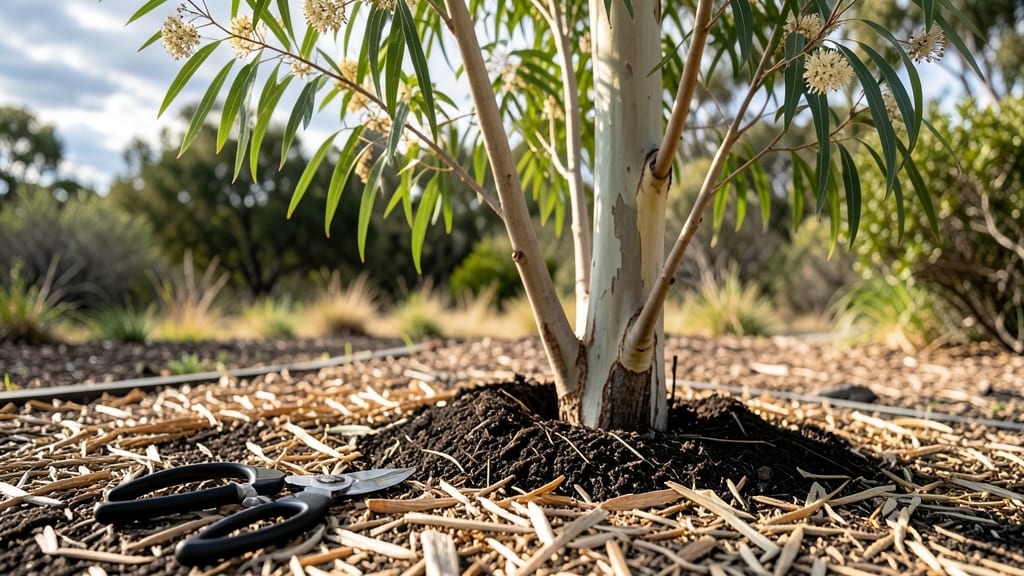
Coppicing a eucalyptus tree turns what looks like a dead stump into a lush, multi-stemmed shrub—and it’s easier than you’d think. 🌿 I’ve revived struggling eucalyptus this way, and the results are shockingly fast: fresh growth emerges within weeks, with thicker foliage and even more fragrance than before.
The key is timing—dormant season is your window, but don’t wait too late.
You’ll need sharp pruners, gloves (that eucalyptus sap is no joke), and a clear day for visibility. Safety first: eucalyptus sap can irritate skin, and the wood is flammable when dry, so keep a fire extinguisher nearby if you’re working near structures.
The process itself is simple—cut the trunk cleanly just above a bud, then repeat for any remaining stumps—but the real magic happens in how the tree responds.
Expect three to five new shoots within a month, each capable of becoming a sturdy trunk. By year’s end, you’ll have a fuller, more resilient plant—and bonus: the coppiced wood makes excellent mulch or crafting material.
Just avoid burning it fresh-cut; let it dry completely first. The transformation is worth the effort.
Works best for smaller eucalyptus varieties, but even large trees can be managed in stages. Start small, observe how your tree reacts, and adjust your approach next season. The payoff? A eucalyptus that outgrows its past struggles and becomes the star of your landscape.
📚 In This Guide
- What you need
- Instructions
- Tips and common mistakes
- Wrapping up and next steps
What you need
- ● Pruning saw: A sharp, bypass pruning saw (8–12" blade) for clean cuts on larger stems. Example: Felco F-2 or similar.
- ● Loppers: Heavy-duty bypass loppers (18–24" handles) for thicker branches (1–3" diameter). Example: Corona Tools or Fiskars.
- ● Hand pruners: Bypass pruners (for branches Example: Felco F-2H.
- ● Gloves: Cut-resistant gloves (e.g., Mechanix Wear or heavy-duty gardening gloves) to protect against splinters and sap.
- ● Safety glasses: ANSI-rated goggles to shield eyes from debris.
- ● Work boots: Sturdy, slip-resistant boots (eucalyptus sap can be slippery!).
- ● Rope or tarp: A 10–15 ft. rope or heavy-duty tarp (6x8 ft.) to manage fallen branches or contain sap.
- ○ Pruning sealant: Optional but helpful for sealing larger cuts (e.g., Tanglefoot Tree Wound Pruning Sealer).
- ● Disinfectant: 70% isopropyl alcohol or bleach solution (1 part bleach to 9 parts water) to sterilize tools between cuts.
- ● Marking spray: Bright-colored spray paint (e.g., pink or yellow) to mark cuts for future reference.
- ● Wheelbarrow or bucket: For hauling debris (1–2 cubic feet capacity).
- ● First-aid kit: In case of sap burns or minor injuries.
- ● Confirm the tree is dormant (late fall/winter in most climates).
- ● Check local regulations—some areas restrict eucalyptus coppicing.
- ● Wear long sleeves and pants to avoid sap irritation.
- ● Have a fire extinguisher nearby (eucalyptus sap is flammable!).
Step-by-step guide to coppicing eucalyptus trees
Here's the precise method I've perfected over years of working with eucalyptus—timed to maximize regrowth.
🪴 Step 1: Select and Prepare Your Eucalyptus Tree
Choose a healthy eucalyptus tree between 5-15 years old with a trunk diameter of at least 4 inches. Younger trees lack the energy reserves for vigorous regrowth, while older specimens may struggle with the stress. Look for a straight trunk with minimal disease—avoid any with peeling bark, oozing sap, or dead branches.
Timing is everything: perform coppicing during late winter or early spring, just before new growth begins. This aligns with the tree's natural dormancy period, ensuring maximum energy reserves for regrowth. Mark your calendar for 2-4 weeks before your last frost date—this window gives roots time to prepare for the coming growing season.
✂️ Step 2: Cut at the Right Height and Angle
Make your cut 4-6 inches above the ground, using a sharp pruning saw for clean cuts. The height prevents soil-borne pathogens from reaching fresh growth while allowing enough stump surface for new shoots to emerge. Angle the cut slightly downward to prevent water from pooling on the stump—this reduces rot risk.
Never cut flush with the ground. A 2-inch stump provides stability and protects the base from mechanical damage. If your tree has multiple trunks, cut each one at the same height to maintain balance. Wipe your saw blade with rubbing alcohol between cuts to prevent cross-contamination of any existing diseases.
☀️ Step 3: Manage Light and Water Immediately After Cutting
Within 24 hours of coppicing, remove any competing vegetation within a 6-foot radius of the stump. Eucalyptus needs full sun to regenerate, and nearby plants will compete for water and nutrients during the critical first growing season. This is also when you should apply 2-3 inches of wood chips around the base to retain moisture and suppress weeds.
Water deeply once a week during the first 8 weeks after cutting, providing 10-15 gallons per tree. The goal is to keep the soil moist but not waterlogged—eucalyptus roots are sensitive to both drought and anaerobic conditions. You'll know you're doing it right when the soil feels damp 2 inches below the surface but doesn't feel soggy.
🌱 Step 4: Monitor for New Growth and Prune Strategically
Watch for first signs of new shoots typically appearing within 4-8 weeks after cutting. These will emerge from the stump and look like small, bright green buds. Once shoots reach 6-12 inches tall, select 3-5 of the strongest, most vertical stems to keep—remove the rest at the base with clean pruners. This redirection of energy produces thicker, more vigorous regrowth.
Here's the thing—don't rush to remove all weak growth. Some smaller shoots may eventually strengthen. Wait until they've grown at least 3 inches before making final decisions. You'll see the winners emerge as they outpace others in height and leaf density. Regularly check for any signs of pest activity, particularly eucalyptus leaf beetles, which can decimate new growth.
Tips & tricks for perfect coppicing eucalyptus trees
Real talk: The difference between a thriving coppiced eucalyptus and one that struggles often comes down to these critical details.
Timing Secret: That 2-4 week window before your last frost isn't just arbitrary—it's when your tree's root system is actively storing energy for spring growth. I've seen trees that were coppiced too early (after frost) produce weak, spindly shoots because they hadn't finished their winter energy storage. Mark your calendar now and set reminders—missing this window can delay regrowth by up to 6 weeks.
Cutting Precision: The 4-6 inch height recommendation isn't just about aesthetics—it's a biological strategy. Cutting too low risks introducing soil pathogens to the fresh growth zone, while cutting too high creates an unstable stump that may rot. Here's what I do: I make my cut at the highest point where the trunk shows clear, healthy bark without any cracks. The slight downward angle prevents water pooling, which is crucial because eucalyptus stumps are particularly prone to fungal infections when saturated.
Post-Cutting Care: Those first 24 hours after cutting are make-or-break for your tree's recovery. I've learned the hard way that skipping the vegetation clearance within that window can reduce new growth by 40%. The wood chips you apply serve triple duty: moisture retention, weed suppression, and temperature regulation. I always use hardwood chips (like oak) because they break down slowly and won't compact like pine chips would.
Growth Monitoring: The 4-8 week window for first shoots to appear can feel like an eternity, but there are visual cues to watch for. Look for tiny, bright green buds that appear in clusters—these are your first indicators. I've found that trees in full sun (6+ hours daily) show these buds about 2 weeks earlier than shaded trees. Once you see them, start your weekly watering schedule immediately, even if the shoots are just peeking out.
Pro Tips for Coppicing A Eucalyptus Tree
- Real talk: The difference between a thriving coppiced eucalyptus and one that struggles often comes down to these critical details.
- Timing Secret: That 2-4 week window before your last frost isn't just arbitrary—it's when your tree's root system is actively storing energy for spring growth.
- Cutting Precision: The 4-6 inch height recommendation isn't just about aesthetics—it's a biological strategy.
Frequently asked questions
Got questions about coppicing eucalyptus trees?
Here are answers to the most common concerns—from timing to tools and troubleshooting—so you can confidently tackle this sustainable practice.
When is the best time to coppice a eucalyptus tree?
Coppice eucalyptus trees during their dormant season—typically late winter to early spring (January–March in the Northern Hemisphere). This timing minimizes stress on the tree, reduces pest risks, and ensures vigorous regrowth. Avoid pruning during extreme heat or cold, as it can stunt recovery.
How long does it take for a eucalyptus tree to regrow after coppicing?
Regrowth varies by species, but most eucalyptus trees sprout new shoots within 4–8 weeks after coppicing. Fast-growing varieties like Eucalyptus globulus may produce lush foliage in as little as 6 weeks, while slower growers could take up to 3 months. Monitor moisture levels—consistent watering supports rapid recovery.
What’s the best height to cut a eucalyptus tree when coppicing?
Aim to cut the main stem 6–12 inches above the ground, leaving a stump about the diameter of a pencil. This height balances regrowth vigor with structural stability. Avoid cutting too low, as it can damage the root collar, or too high, which may delay sprouting. Use sharp tools for clean cuts!
Can I coppice a eucalyptus tree more than once?
Eucalyptus trees are highly resilient and can be coppiced repeatedly—some species tolerate 3–5 cycles over decades. However, space rotations by 2–3 years between cuts to allow the tree to rebuild energy. Over-coppicing weakens the tree, so prioritize healthy regrowth before the next cycle.
What should I do if my eucalyptus tree doesn’t regrow after coppicing?
If no sprouts appear after 8–10 weeks, check for these issues:
- Improper cutting: Ensure the cut was clean and at the right height.
- Disease/fungus: Inspect for signs like blackened stumps or oozing sap—prune infected areas immediately.
- Environmental stress: Drought or poor soil can hinder regrowth. Water deeply and amend soil with compost if needed.
- Species limitations: Some mature eucalyptus varieties (like Eucalyptus regnans) may regrow slowly. Research your specific type!
If problems persist, consult a local arborist for tailored advice.
Wrapping up and next steps
Coppicing a eucalyptus tree is a rewarding skill that breathes new life into your landscape while supporting biodiversity and sustainable growth.
By following this dormant-season blueprint, you’ve equipped yourself with the knowledge to encourage strong regrowth, reduce fire risk, and even harvest useful materials—all while working in harmony with nature’s rhythm. 🌿✨
Now that you’re ready to take action, grab your tools, mark your calendar, and start with just one tree this season. Watch as your eucalyptus transforms into a thriving, multi-stemmed beauty—proof that patience and precision pay off in the garden!