
Pruning
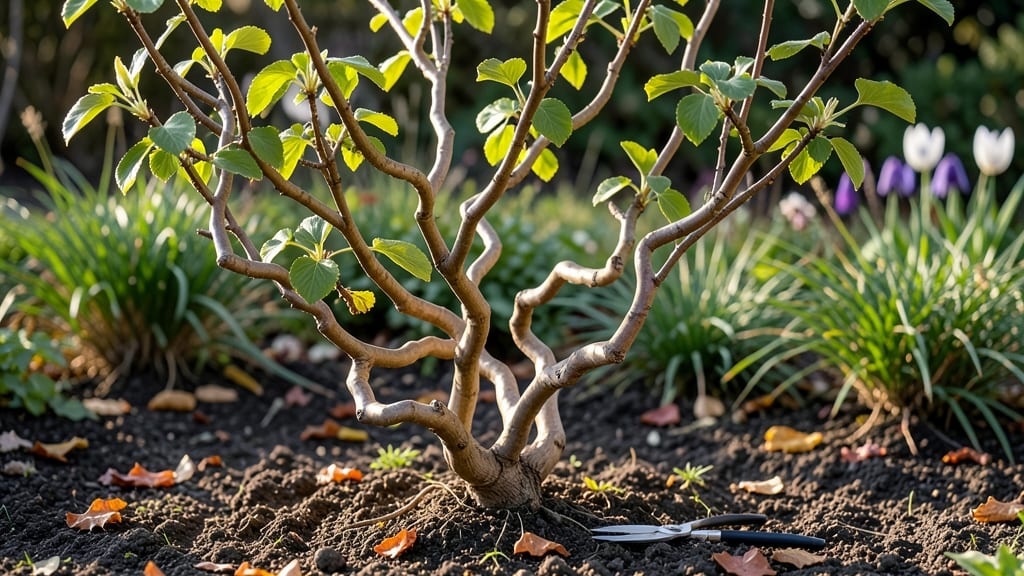
Cultivating a Corylus avellana contorta tree means welcoming a living sculpture into your garden—its dramatic, twisting branches create artful silhouettes against any backdrop. 🌿 I fell for this tree the first time I saw one in a frost-kissed English garden, where its gnarled limbs curled like abstract brushstrokes.
The real magic? It stays stunning year-round, with winter's bare branches just as captivating as its summer foliage.
Growing one isn’t complicated, but it does demand patience. Start with cuttings (the most reliable method) in late winter, using semi-hardwood stems and rooting hormone for best success.
This tree thrives in well-draining soil with a slightly acidic pH, and while it tolerates partial shade, full sun brings out its most vibrant growth. Plant in a spot where its eventual 10- to 15-foot spread can shine—think near patios, along fences, or as a standalone focal point.
Pruning is minimal but strategic: remove only dead or crossing branches in late winter to maintain its natural form. The real reward? Watching those iconic twists develop over time, creating a garden feature that’s equal parts whimsical and refined.
With proper care, your contorta will become the conversation piece of your outdoor space.
Perfect for gardeners in USDA Zones 5-8, this tree adapts well to both urban and rural settings. Whether you're a pruning novice or a seasoned grower, its forgiving nature makes it an ideal project for any skill level. Let’s get those roots growing!
📚 In This Guide
- What you need
- Instructions
- Tips and common mistakes
- Wrapping up and next steps
What you need
- ● Pruning shears: Bypass pruners (sharp, sterilized) for clean cuts on branches up to ½ inch thick.
- ● Loppers: For thicker branches (½–2 inches), with a long handle for leverage.
- ● Pruning saw: Bow or folding saw for branches >2 inches thick (avoid jagged cuts!).
- ● Disinfectant: 70% isopropyl alcohol or hydrogen peroxide to sterilize tools between cuts.
- ● Garden gloves: Cut-resistant (e.g., nitrile-coated) to protect hands from thorns.
- ○ Sealing wax or pruning paste: Optional but helpful to coat large cuts and prevent disease.
- ● Ladder or step stool: For reaching higher branches (ensure it’s stable!).
- ● Tarp or drop cloth: To collect debris and protect the ground.
- ● Marking spray or tape: Colored to tag branches for removal (if needed).
- ● Pole saw: Extendable for very tall trees (if pruning overhead).
- ● Water & cloth: To clean tools post-pruning.
- ● Knowledge of the tree’s growth habits—C. avellana contorta thrives on minimal pruning but benefits from structural shaping.
- ● Check the season: Prune in late winter/early spring (dormant season) for best results.
- ● Weather: Calm, dry conditions (avoid rain for 24 hours post-pruning).
Step-by-Step guide for planting and caring for Corylus avellana contorta
This striking tree thrives with the right site prep and ongoing attention to its unique growth habits.
🌱 Step 1: Select and Prepare the Planting Site
Choose a location with partial shade to full sun—this twisted hazelnut handles both but develops its signature contorted branches best with 4-6 hours of morning sunlight. The soil should drain well but retain moisture; amend heavy clay with 2-3 inches of compost mixed into the top 12 inches of soil. I always test pH first—6.0-7.5 is ideal for root development.
Dig a hole twice as wide as the root ball but only as deep as the container's root base. Loosen the sides of the hole with a shovel to encourage root spread. Here's the thing—contorta's growth pattern relies on stress, so avoid overly fertile soil. Too much nitrogen produces lush, straight growth instead of the prized twisted branches.
🪴 Step 2: Plant with Proper Spacing and Support
Place the contorta in the hole so the top of the root ball sits 1-2 inches above ground level—this prevents stem rot from sitting water. Backfill with native soil mixed with the 2-3 inches of compost you prepared earlier, tamping gently every 2 inches to eliminate air pockets. Space multiple plants 6-8 feet apart to allow their unique forms to develop without competition.
Stake only if needed—this variety's natural growth habit makes it surprisingly stable once established. If you do stake, use two lightweight stakes positioned 12 inches apart at a 45-degree angle, securing with soft tree ties that won't girdle the trunk as it grows. Water deeply immediately after planting to settle the soil around roots.
☀️ Step 3: Establish Watering and Light Routines
Water deeply once weekly during the first growing season, providing 1-1.5 gallons per tree when the top 2 inches of soil feel dry. The contorta's twisted branches make it drought-tolerant once established, but young plants need consistent moisture to develop strong root systems. I always water in the morning to prevent fungal issues from evening dampness.
After the first year, reduce watering to every 2-3 weeks unless experiencing prolonged dry spells. The key is letting the soil dry between waterings—this encourages deeper root growth and maintains the tree's natural stress response that produces its signature twisted form. Mulch with 2-3 inches of wood chips around the base, keeping it 6 inches away from the trunk to prevent rot.
✂️ Step 4: Prune Strategically for Branch Development
Prune only to remove dead, crossing, or rubbing branches—never to shape. The contorta's natural growth pattern creates its stunning form, and pruning disrupts this. I recommend waiting until late winter or early spring when the tree is dormant, making clean cuts just above outward-facing buds. Sterilize pruners with rubbing alcohol between cuts to prevent disease transmission.
If you notice any branches growing too upright or straight, you can gently tie them downward with soft twine during the growing season. This encourages the tree to twist further as it grows. Never remove more than 25% of the foliage in any single pruning session—this hardy tree responds poorly to aggressive pruning and may produce fewer nuts.
🌿 Step 5: Maintain Soil and Fertilize Judiciously
Apply a balanced 10-10-10 fertilizer in early spring, using only ½ the recommended rate—this tree doesn't need much. Over-fertilizing produces lush, straight growth instead of the desired twisted branches. I top-dress with an additional 1-2 inches of compost in early spring and again after harvest to maintain soil fertility without encouraging excessive growth.
Monitor for signs of nutrient deficiency—yellowing leaves indicate nitrogen needs, while purple stems suggest phosphorus deficiency. The contorta's unique growth habit makes it less prone to most pests, but watch for aphids on new growth. A strong spray of water usually removes them without chemicals. Real talk: this tree's natural beauty comes from its slow, deliberate growth—don't rush it.
Tips & tricks for perfect Corylus avellana contorta growth
These insider tips will help you coax the most dramatic twists from your contorta while keeping it healthy and thriving.
Light Management: The 4-6 hours of morning sunlight specified in Step 1 is non-negotiable for developing those signature twists. I've found that east-facing locations provide ideal light conditions—morning sun gives enough energy without the harsh afternoon heat that can stress the tree. If your site gets intense afternoon sun, consider partial afternoon shade to prevent leaf scorch while still allowing those crucial morning rays to shape the branches.
Soil Stress Strategy: The instructions mention avoiding overly fertile soil, and I can't emphasize this enough—this is where most growers go wrong. I've seen contortas planted in rich garden soil grow into straight, lanky trees instead of the dramatic twisted forms we love. The stress of slightly lean soil actually triggers the tree's contorted growth pattern. If you're amending clay soil with compost as instructed, use only the 2-3 inches specified—no more! For sandy soils, you might need to add a bit more organic matter, but never exceed that 12-inch depth for amendments.
Staking Technique: When staking becomes necessary in Step 2, I recommend using bamboo stakes rather than metal—they're gentler on the tree and won't conduct heat that could damage the bark. The 45-degree angle and 12-inch spacing are perfect for providing just enough support without restricting growth. Pro tip: If you're planting in windy conditions, consider adding a third stake for additional stability, but only for the first growing season. The contorta's natural strength emerges once it's established.
Watering Psychology: The weekly watering schedule in Step 3 might seem strict, but trust me—it's about training the tree's roots. When you water deeply but infrequently, the roots grow downward in search of moisture, creating that deep, stable root system that supports the twisted branches. I've noticed that trees watered more frequently develop shallow roots that can't support the dramatic growth patterns we want. The morning watering time is also crucial—it gives leaves time to dry before evening, preventing fungal issues that could weaken the tree's stress response.
Pro Tips for Corylus Avellana Contorta Tree
- These insider tips will help you coax the most dramatic twists from your contorta while keeping it healthy and thriving.
- Light Management: The 4-6 hours of morning sunlight specified in Step 1 is non-negotiable for developing those signature twists.
- Soil Stress Strategy: The instructions mention avoiding overly fertile soil, and I can't emphasize this enough—this is where most growers go wrong.
Frequently asked questions
Got questions about growing and caring for the Corylus avellana contorta (Contorted Hazel)? Here are some of the most common ones—and their answers—to help you cultivate this stunning, twisty tree with confidence!
How fast does the Contorted Hazel grow, and how big will it get?
The Corylus avellana contorta is a slow but steady grower, adding about 6–12 inches per year. Mature trees typically reach 10–15 feet tall and wide, though their twisted branches create an illusion of even greater height. Patience is key—its unique form develops gradually over decades!
Do I need to prune my Contorted Hazel, and when is the best time?
Pruning is minimal for this tree, but you can lightly shape it in late winter or early spring (before new growth starts) to maintain its form or remove dead/diseased branches. Avoid heavy pruning—its twisted branches are its charm! Use sterilized tools and make cuts just above a bud or branch collar.
Can I grow a Contorted Hazel in a container, or does it need to be planted in the ground?
While possible in large containers (at least 20+ gallons), this tree thrives best in the ground where its roots can spread naturally. If container-grown, ensure well-draining soil, regular watering, and winter protection in cold climates. Repot every 2–3 years to prevent root-bound stress.
Are Contorted Hazels prone to pests or diseases? How do I keep them healthy?
Generally resilient, but watch for aphids, spider mites, or fungal issues (like powdery mildew) in humid conditions. Preventive care includes:
- Watering at the base (avoid wetting foliage).
- Mulching to retain moisture and deter pests.
- Removing fallen leaves to reduce disease risk.
What’s the best location for planting a Contorted Hazel?
Choose a sunny to partially shaded spot with well-draining soil (sandy loam is ideal). It tolerates urban pollution and coastal winds, making it great for small gardens, courtyards, or even bonsai-style displays. Avoid waterlogged areas—root rot is a risk!
Pro Tip:
For extra drama, plant Corylus avellana contorta near other ornamental trees like Betula japonica or Prunus serrulata. Their contrasting textures and colors create a year-round visual feast!
Wrapping up and next steps
The Corylus avellana contorta—or Harry Lauder’s walking stick—is a stunning, low-maintenance tree that brings year-round beauty to any garden with its twisted, graceful branches. Whether you’re pruning for shape, health, or simply to encourage its iconic silhouette, the key is patience and gentle care.
With the right tools and techniques, you’ll nurture a living work of art that thrives for decades.
Ready to give your contorta tree the love it deserves? Start small: take one step this season—whether it’s trimming a single branch or simply observing its natural growth. Every gardener’s journey begins with a single branch! 🌿✨