
Pruning
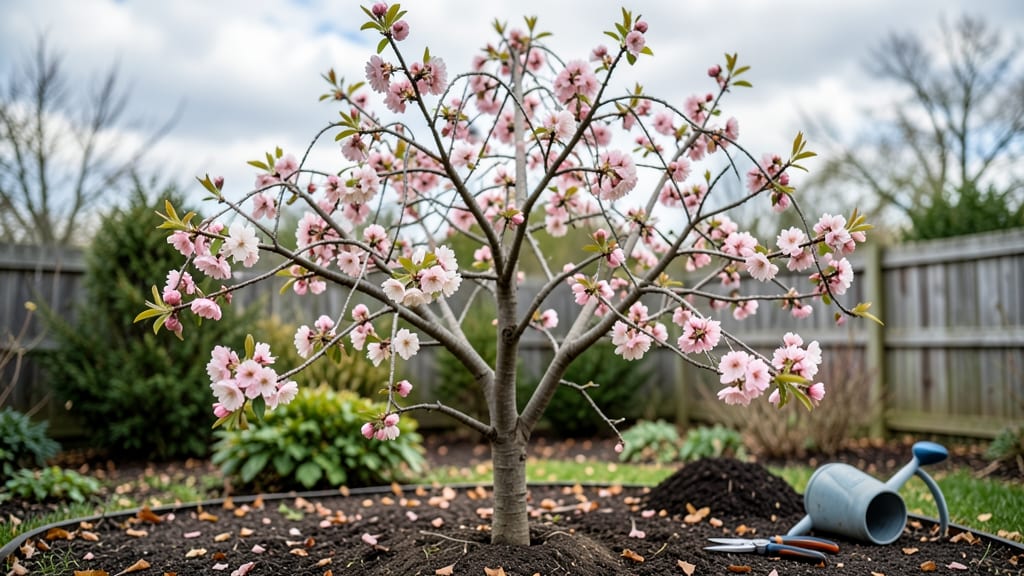
Pink crabapple trees like 'Adams' or 'Dolgo' burst into bloom every spring, but their magic fades without proper pruning. ✨ I’ve spent years shaping mine into a showstopper—now I’m sharing the exact cuts that keep branches strong and flowers abundant.
The secret isn’t just trimming; it’s timing, technique, and knowing which branches to prioritize.
You’ll need sharp pruners, a ladder (for higher branches), and a clear morning to work. Focus on removing dead wood first, then thin out crowded branches to improve airflow—this prevents disease and lets sunlight reach every blossom cluster.
My trees now have thicker stems and more vibrant pink blooms than ever before, all from a few strategic cuts each winter.
The payoff? A canopy so dense with flowers it looks like a cloud of pink confetti. Birds adore the berries that follow, and the tree’s shape stays balanced year-round.
Once you master these cuts, your pruning sessions will take just 30 minutes and leave you with a tree that’s the envy of the neighborhood.
Works for young saplings or mature trees—just adjust your approach. Whether you’re shaping a new planting or reviving an overgrown specimen, these techniques adapt easily. Let’s get those branches blooming beautifully!
📚 In This Guide
- What you need
- Instructions
- Tips and common mistakes
- Wrapping up and next steps
What you need
- ● Pruning shears – Bypass pruners (for cuts under ½ inch) or anvil pruners (for thicker branches). Choose sharp, high-quality tools (e.g., Felco F-2 or Corona Tools).
- ● Loppers – Bypass loppers (for branches ½ to 1½ inches thick). Look for long handles (24–36 inches) for leverage.
- ● Pruning saw – Curved-tooth saw for branches thicker than 1½ inches (e.g., Fiskars X7).
- ○ Extension pole saw – Optional but helpful for high branches (e.g., 6–10 feet reach).
- ● Gloves – Heavy-duty, cut-resistant gloves (e.g., Mechanix or garden gloves with reinforced palms).
- ● Safety glasses – Protect your eyes from debris.
- ● Cleaning supplies – Rubbing alcohol (70%+) or bleach solution (1 part bleach to 9 parts water) to sterilize tools and prevent disease spread.
- ○ Sealing wax or pruning paste – Optional but recommended for large cuts (e.g., Tanglefoot Tree Wound Pruning Sealer) to protect exposed wood.
- ● Disposable bags or bucket – For collecting pruned branches and debris.
- ● Ladder (if needed) – Sturdy, extendable ladder (e.g., 20–24 feet) with non-slip feet and a spotter for safety.
- ● Weather check – Prune on a dry, calm day (avoid wind or rain). Early spring or late winter (before buds swell) is ideal for pink crabapple trees!
- ● 🔥 Sharpen your tools before starting—dull blades tear wood, inviting disease.
- ● ✨ Label branches with tape if you’re unsure which to prune (e.g., “Keep” vs. “Remove”).
- ● 🌡️ Avoid pruning in extreme heat—stress can harm the tree.
Step-by-step guide to pruning your pink crabapple tree
Transform your tree into a showstopper with these simple pruning techniques.
✂️ Step 1: Choose the Right Time for Pruning
Spring is your best window—prune just after the last frost but before buds swell. This timing ensures you remove dead wood while encouraging new growth for the blooming season. Avoid pruning in fall or winter, as late cuts can leave wounds vulnerable to disease and pests.
If you missed spring, late winter is the next best option. Look for dormant branches with no signs of new growth. The key is to prune when the tree is still resting but before it starts pushing new leaves—usually between January and early March in most climates.
Here's the thing—if your tree is already in full bloom, wait until after the petals fall. You'll know it's time when you see spent blossoms on the ground and fresh green leaves starting to emerge.
✂️ Step 2: Gather Your Tools and Safety Gear
You'll need sharp pruning shears for small branches, loppers for medium-sized limbs, and a pruning saw for thicker branches over 1.5 inches in diameter. Don't skip the rubbing alcohol—wipe your tools between cuts to prevent spreading disease.
Safety first: Wear gloves to protect your hands from thorns and safety glasses in case branches snap unexpectedly. A ladder will help you reach higher branches safely, but only climb if you're comfortable and stable. I like to work on a dry day when branches are less slippery.
Real talk: If you're unsure about working high up, hire a professional. Pink crabapples are valuable trees, and improper pruning can damage them for years. Never use dull tools—you'll tear bark instead of making clean cuts, which invites rot.
✂️ Step 3: Remove Dead, Diseased, or Damaged Wood
Start by scanning your tree for dead branches—they'll be brittle, snap easily, and have no leaves or buds. Cut these out first, making your cuts just outside the branch collar where it meets the trunk. This ensures the tree can seal the wound properly.
Next, look for branches with mushrooms growing from them or peeling bark—these are signs of disease. Remove these immediately, then disinfect your tools before moving to healthy branches. You'll also want to cut out any branches that are crossing or rubbing against each other.
If a branch is only partially dead, you can save it by making a clean cut just above the last healthy bud. This encourages new growth from that point. Watch for yellowing leaves or blackened stems—these are red flags for disease.
☀️ Step 4: Thin Out Overcrowded Branches
Pink crabapples bloom best when they get plenty of sunlight and air circulation. Aim to remove 20-30% of the tree's branches, focusing on those growing inward or downward. These branches create a dense canopy that blocks light and encourages fungal growth.
Look for branches that are growing directly toward the center of the tree—these compete with each other for sunlight and nutrients. Cut these out first, making your cuts at the branch collar. You'll see an immediate improvement in airflow and light penetration.
Don't overdo it—you want to maintain the tree's natural shape while opening up the canopy. A good rule of thumb is to leave 3-5 main branches spaced evenly around the trunk. This creates a balanced, open structure that lets sunlight reach all parts of the tree.
⏰ Step 5: Shape and Maintain for Future Blooms
Now's the time to give your tree its final shape. Step back and look at the overall form—you want a balanced, open structure with plenty of room for new growth. Focus on encouraging outward growth by cutting back any branches that are growing too upright or crowded.
Make your cuts at a 45-degree angle just outside the branch collar for larger branches. For smaller branches, a straight cut is fine. Always leave a small bump of wood at the base of the cut to help the tree seal the wound naturally.
After pruning, give your tree a deep watering to help it recover. You'll see new growth starting within 4-6 weeks, and your tree should be ready to burst into pink blooms next season. Keep an eye out for any signs of stress, like wilting leaves or unusual discoloration, and address them promptly.
Tips & tricks for pruning your pink crabapple tree
Here's what I've learned after pruning my own trees—these tricks will help you avoid common mistakes and get the best results.
Timing is Everything: The perfect pruning window is right after the last frost but before buds swell in spring. If you miss that, late winter works too—but only if your tree is still dormant. I learned this the hard way after pruning too early and accidentally removing buds that were just starting to form. Watch for those spent blossoms on the ground as your cue for post-bloom pruning.
Tool Selection Matters: Never use dull tools—sharp pruning shears and loppers make clean cuts that heal properly. I keep a small bottle of rubbing alcohol handy to disinfect between cuts, especially when moving from diseased branches to healthy ones. For branches over 1.5 inches thick, a pruning saw is a game-changer—it prevents tearing that invites rot.
Branch Collar Technique: Always cut just outside the branch collar where the branch meets the trunk. This helps the tree seal the wound naturally. I make a small notch on the underside of larger branches to guide my cut—this prevents leaving a stub that can collect moisture and rot. For smaller branches, a straight cut is fine, but always leave that little bump of wood at the base.
Pruning Strategy: Focus on removing 20-30% of the tree's branches, especially those growing inward or downward. These branches create shade that prevents sunlight from reaching the center. I like to visualize the tree's natural shape and work from the inside out—this opens up the canopy while maintaining balance. Leave 3-5 main branches spaced evenly around the trunk for that perfect open structure.
Pro Tips for Crabapple Tree Pink
- Here's what I've learned after pruning my own trees—these tricks will help you avoid common mistakes and get the best results.
- Timing is Everything: The perfect pruning window is right after the last frost but before buds swell in spring.
- Tool Selection Matters: Never use dull tools—sharp pruning shears and loppers make clean cuts that heal properly.
Frequently asked questions
Got questions about keeping your crabapple tree pink blooming beautifully? Here are some common ones—and their answers—to help you prune like a pro!
When is the best time to prune a crabapple tree for pink blooms?
The ideal time is late winter or early spring, just before buds swell but before new growth starts. This ensures you don’t remove next year’s flower buds (which form on old wood). Avoid pruning in fall—it can invite pests and diseases.
How much can I trim without harming the tree?
Remove no more than 25% of the tree’s total branches in one season. Focus on dead, crossing, or overcrowded limbs first. Thin out dense areas to improve airflow, which keeps those pink blossoms vibrant and healthy.
What if my crabapple tree isn’t blooming as pink as expected?
Check for nutrient deficiencies (like iron or zinc) or over-fertilizing with nitrogen, which can reduce flowering. Also, ensure it gets 6+ hours of sunlight daily and prune in the right season. If pests (like aphids) are present, they can stress the tree—treat early!
Can I prune a young crabapple tree the same way as a mature one?
No! Young trees (under 3 years) need light shaping to establish strong structure. Remove only dead or rubbing branches. Wait until they’re established (around age 4) for heavier pruning to encourage those showy pink blooms.
Should I prune after a harsh winter or storm damage?
Yes, but wait until late winter to assess damage. Remove broken or split limbs immediately for safety, but hold off on major pruning until the tree’s natural dormancy ends. Storm-pruned cuts should be made just outside the branch collar for clean healing.
Still stumped? Drop your question below—we’re happy to help your crabapple tree stay pink and proud!
Wrapping up and next steps
Your crabapple tree pink beauty is just a few sharp snips away from thriving! With the right tools, timing, and technique, you’ll encourage stunning blooms and healthy growth year after year. Remember, patience and precision are key—don’t rush the process, and always prioritize the tree’s long-term health over quick fixes.
Now that you’re armed with knowledge, grab those pruners and get to work! Start by tackling one section at a time, and soon, your crabapple will reward you with a dazzling canopy of pink perfection. Happy pruning! 🌸✂️