
Pruning
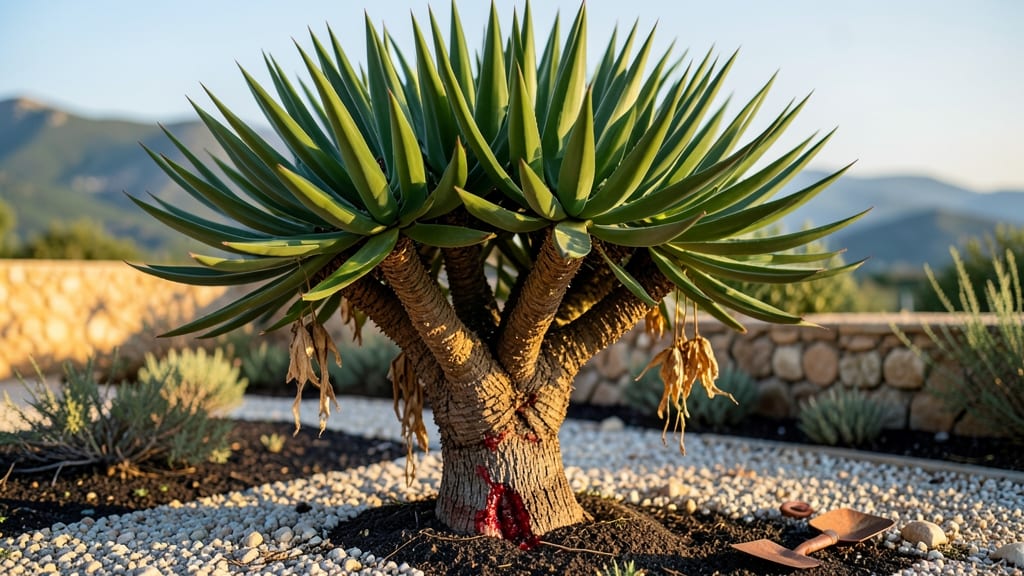
Growing a dragon's blood tree means cultivating a living piece of history—its striking red resin and ancient Canary Island roots make it a standout in any landscape. 🌿 This slow-growing beauty thrives in Mediterranean climates but adapts surprisingly well to containers with the right care, though its dramatic shape takes patience to develop.
The secret to its longevity lies in dormant-season pruning—just a few strategic cuts every 2-3 years keep that iconic umbrella shape while encouraging new growth. Most gardeners overwater it, but this tree stores moisture like a champ; once established, it handles drought better than many succulents.
The soil mix should be gritty and well-draining, mimicking its volcanic homeland.
You’ll end up with a bold focal point—that fiery trunk and layered branches become even more striking with age. The red resin (not sap) adds a surreal touch, and while it’s slow to grow, each year brings more character.
Even in containers, it can live for decades with proper care, making it a rewarding investment for warm-climate gardeners.
Fair warning: scale insects are its biggest foe, but a simple neem oil spray keeps them at bay. Propagation from cuttings is tricky but possible—patience is key. Whether in a courtyard or large pot, this tree delivers drama with minimal fuss once you understand its quirks.
📚 In This Guide
- What you need
- Instructions
- Tips and common mistakes
- Wrapping up and next steps
What you need
- ● Pruning shears or loppers – Sharp, sterilized, and capable of cutting ½–1 inch thick branches (e.g., Felco #2 or similar).
- ● Rubbing alcohol (70% or higher) or bleach solution – For sterilizing tools between cuts (1 part bleach to 10 parts water).
- ○ Disposable gloves – Nitrile or latex (optional but recommended for sap protection).
- ● Sealing wax or pruning sealant – Beeswax-based or tree-specific (e.g., Tanglefoot Tree Wound Pruning Sealer).
- ● Bucket or tray – For collecting pruned branches (1–2 gallon capacity).
- ○ Dust mask (optional) – If working in dry, dusty conditions.
- ● Hand pruners – For smaller, detailed trims (e.g., Felco #1).
- ● Ladder or step stool – For taller trees (ensure stability!).
- ● Sharpie or marker – To label branches for propagation if desired.
- ● Compost bin or bag – For disposing of pruned wood (avoid leaving debris near the base).
- ● Camera or sketchpad – To document your tree’s shape before/after pruning.
Step-by-step guide to pruning your dragon's blood tree during dormancy
Here's how I transform a mature dragon's blood tree into a striking architectural statement—without risking its health.
✂️ Step 1: Time Your Pruning Precisely
Wait until your tree has fully entered dormancy, typically in late fall or early winter when temperatures consistently stay below 50°F and the tree has dropped all leaves. This timing ensures you're not removing growth that's still contributing to the plant's energy reserves. I always prune after the first hard frost when the tree has been dormant for at least 4-6 weeks—this gives me the window between leaf drop and new growth.
Check the branches: they should feel leafless and slightly woody rather than green or flexible. If you see any lingering green, wait another week. Pruning too early can stimulate unwanted growth when the tree should be resting. The goal here is to shape while the tree is inactive, so it can focus all its energy on healing clean cuts when spring arrives.
🌿 Step 2: Assess the Canopy Structure
Stand back and examine your tree's natural shape from multiple angles. The dragon's blood tree's iconic umbrella form develops from a central leader with horizontal branches radiating outward. I look for three key elements: the main trunk, the primary horizontal branches, and any secondary growth that disrupts the clean silhouette. Use a small mirror or phone camera to check hard-to-see areas.
Identify branches that are growing too vertically or crossing others—these are your targets. The ideal shape maintains that dramatic, wide-spreading canopy while keeping the trunk clean. I mark cuts with a white pencil so I can see them clearly against the dark bark. Never remove more than 25% of the total canopy in one season—this prevents stress that could weaken the tree long-term.
✂️ Step 3: Make Clean, Strategic Cuts
Start with the largest branches first, working your way to smaller ones. Use sharp, bypass pruners for branches up to ½ inch in diameter, and a pruning saw for anything thicker. Make your cuts just outside the branch collar—the swollen area where the branch meets the trunk. This ensures proper healing and prevents unsightly stubs. I angle my cuts slightly away from the branch collar to allow water to run off.
For branches that are too long, cut back to a lateral branch that's growing in the direction you want the canopy to spread. This maintains the tree's natural form while encouraging fuller growth in the right places. When removing a branch, don't leave a stub longer than ¼ inch—this creates an entry point for disease. Wipe your tools with rubbing alcohol between cuts to prevent spreading any potential pathogens.
🌱 Step 4: Shape for Maximum Dramatic Effect
After removing the structural branches, focus on refining the silhouette. The dragon's blood tree's signature look comes from its wide, flat-topped canopy. I gently lift and adjust any remaining branches to create that perfect umbrella shape, tying them with soft plant ties if needed. This is where you'll see your vision come together—step back frequently to check your progress from all sides.
Pay special attention to the tree's center. If it's too dense, carefully thin out some of the inner branches to allow light to reach the trunk. This prevents the center from becoming bare while maintaining the tree's striking form. I avoid heavy pruning in the center—just enough to open it up slightly. The goal is to enhance the tree's natural beauty, not transform it into something artificial.
💧 Step 5: Post-Pruning Care for Healthy Recovery
Water the tree deeply right after pruning to help it recover from the stress. The roots will need to support new growth in spring, so don't let the soil dry out completely. I apply a 2-3 inch layer of mulch around the base, keeping it several inches away from the trunk to prevent rot. This helps maintain even moisture and protects the roots from temperature fluctuations.
Monitor the tree closely over the next few weeks. If you see any signs of stress like wilting or yellowing leaves (even though it's dormant), reduce watering slightly. The tree should show signs of new growth in early spring—look for small buds forming at the ends of branches. This confirms your pruning was successful and the tree is preparing for its growing season. Avoid fertilizing until you see these new growth signals.
Tips & tricks for perfect dragon's blood tree pruning
Transforming your dragon's blood tree into a stunning architectural feature requires precision—and these expert tips will help you avoid common pitfalls while enhancing your results.
Timing Secret: The 4-6 week dormancy window after the first hard frost is critical. I've learned this the hard way—pruning too early when temperatures hover around 50°F can shock the tree into premature growth. Check for completely leafless, woody branches as your confirmation signal. This dormant period ensures the tree can heal clean cuts efficiently when spring arrives.
Canopy Assessment: Step back and examine your tree's structure from all angles before making any cuts. The dragon's blood tree's signature umbrella form relies on balanced horizontal branches radiating from the central leader. Use a small mirror or phone camera to spot hidden branches growing vertically or crossing others—these are your primary targets. I always mark cuts with a white pencil against the dark bark to visualize the final shape before cutting.
Cutting Technique: Making clean cuts just outside the branch collar is non-negotiable for proper healing. I angle my cuts slightly away from the collar to allow water runoff, which prevents rot. For branches thicker than ½ inch, use a pruning saw—never pruners. And here's what nobody tells you: wipe your tools with rubbing alcohol between cuts to prevent spreading pathogens that could infect your tree.
Post-Pruning Recovery: After shaping, water deeply to help the tree recover, but avoid overwatering—the roots need to support new spring growth. Apply a 2-3 inch layer of mulch, keeping it several inches from the trunk to prevent rot. Monitor for stress signs like wilting or yellowing leaves (even in dormancy) and adjust watering accordingly. The first signs of new growth in spring—tiny buds forming—are your confirmation that pruning was successful.
Pro Tips for Dragon'S Blood Tree
- Transforming your dragon's blood tree into a stunning architectural feature requires precision—and these expert tips will help you avoid common pitfalls while enhancing your results.
- Timing Secret: The 4-6 week dormancy window after the first hard frost is critical.
- Canopy Assessment: Step back and examine your tree's structure from all angles before making any cuts.
Frequently asked questions
Got questions about pruning your Dracaena cinnabari—the iconic Dragon’s Blood Tree? Here are some of the most common ones, answered for your peace of mind and lush, long-lived plant!
When is the best time to prune my Dragon’s Blood Tree?
The ideal window is late winter to early spring, just before new growth begins. This aligns with its dormant season (Dec–Feb in most climates) and minimizes stress. Avoid pruning in summer heat or during flowering—both can weaken the tree. Pro tip: If you missed the window, a light trim in fall is better than none at all!
How much can I trim without harming the tree?
For healthy Dragon’s Blood Trees, never remove more than one-third of the canopy in a single session. Focus on dead, diseased, or overcrowded branches first. Over-pruning can stress the tree and reduce its iconic umbrella shape. Think quality over quantity!
What if my cuts bleed red sap? Is that normal?
Yes! The bright red sap (resin) is completely normal—it’s how the tree seals wounds. To manage it, wear gloves and use a sharp, sterile tool. Let the sap dry for 10–15 minutes before repotting or cleaning tools. Bonus: The resin is non-toxic but can stain surfaces—clean up promptly!
Can I propagate my pruned cuttings?
Dragon’s Blood Tree cuttings root well in sand-permeable soil with bottom heat (70–75°F). Dip cut ends in rooting hormone, plant in a mix of cactus soil + perlite, and keep humidity high. Patience is key—rooting can take 4–8 weeks. Pro tip: Use a plastic bag as a mini greenhouse!
What if my tree looks sad after pruning?
Don’t panic! Mild wilting or slow regrowth are normal for 2–4 weeks post-prune. Ensure it’s in bright, indirect light and water only when the top 2–3 inches of soil are dry. If leaves yellow heavily or drop, you may have over-pruned—adjust care and monitor closely.
Wrapping up and next steps
The Dragon’s Blood Tree is a stunning, low-maintenance gem that rewards patience with its striking, umbrella-like silhouette. By mastering dormant-season pruning—like timing, technique, and tool care—you’ll ensure its longevity and keep that iconic canopy thriving. Your green thumb is all it takes to nurture this living masterpiece!
Ready to take the next step? Grab your tools, schedule a pruning session this winter, and watch your tree flourish. 🌿✨