
Pruning
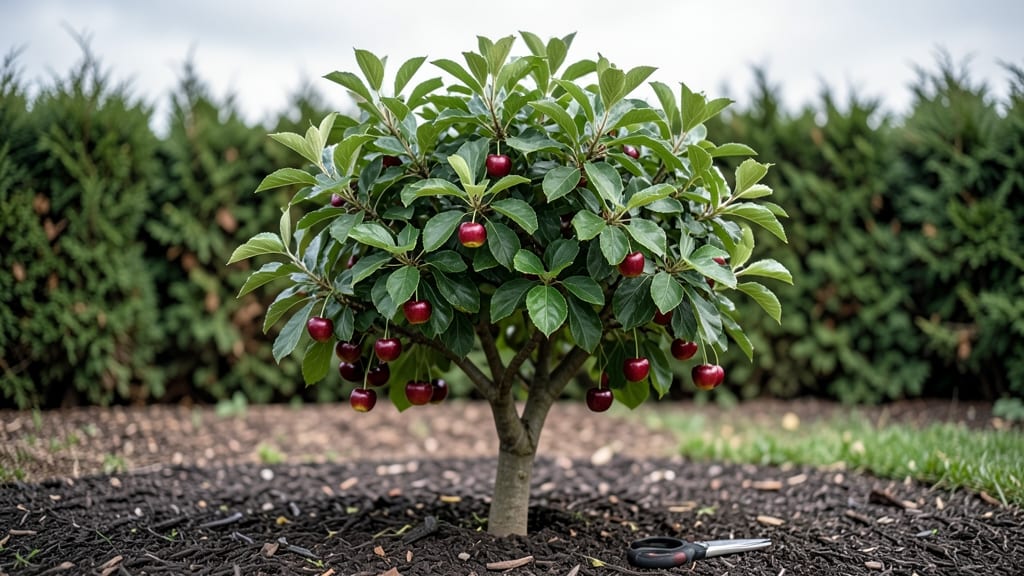
Planting a dwarf Rainier cherry tree in your small garden means sweet, juicy fruit without the space demands of full-sized varieties. I remember the first time I saw one loaded with cherries—it looked like a fairy tale, but the real magic was how it thrived in my tiny backyard.
The key starts with sunlight: these trees crave at least 6-8 hours of direct sun daily, or the fruit turns bland and the branches grow leggy.
Once you’ve picked the sunny spot, focus on well-draining soil and a hole twice as wide as the root ball. Amend heavy clay with compost to prevent root rot, and water deeply right after planting—think 2-3 gallons to settle the soil.
Young trees need consistent moisture, but mature ones handle drought better once established. Prune in late winter to shape the canopy and remove dead wood, which keeps the tree productive and compact.
By summer, you’ll see clusters of deep red cherries ripening in late July—sweeter than store-bought and perfect for snacking or baking. The tree stays under 10 feet tall, so it fits patios, small yards, or even large containers.
Just watch for birds (they’ll spot them first) and aphids, which love new growth. With the right care, this little tree becomes the star of your garden, year after year.
Whether you’re a beginner or a seasoned gardener, the dwarf Rainier delivers reliable harvests with minimal fuss. Start with these basics, and you’ll be picking cherries in no time—no orchard required. The real reward? Fresh fruit that tastes like childhood summers, right from your own backyard.
📚 In This Guide
- What you need
- Instructions
- Tips and common mistakes
- Wrapping up and next steps
What you need
- ● Pruning shears: Bypass pruners with sharp, sterilized blades (for cuts under ½ inch). Example: Felco F-2 or similar.
- ● Loppers: For thicker branches (½ to 1½ inches). Look for bypass-style loppers with a 4-6 foot reach.
- ● Pruning saw: Curved-tooth saw for branches over 1½ inches (e.g., Fiskars X27).
- ● Disinfectant: 70% isopropyl alcohol or bleach solution (1 part bleach to 9 parts water) to sterilize tools.
- ● Gloves: Heavy-duty gardening gloves (cut-resistant for safety).
- ○ Tree wound sealant (optional but recommended): Pruning sealant like Tanglefoot Tree Wound Pruning Sealer (for cuts larger than ½ inch).
- ● 5-gallon bucket: For collecting pruned branches and debris.
- ● Ladder or step stool: If your tree is over 6 feet tall (ensure it’s stable and non-slip).
- ● Hand pruners with ratchet: For easier repeated cuts (e.g., Corona Ratcheting Pruner).
- ● Extension pole pruners: For hard-to-reach branches (e.g., Fiskars 20-inch Extendable Pruner).
- ● Sharpener: A stone or file to maintain blade sharpness between uses.
- ● Labeling tags: Small plant markers to tag pruned branches for future reference.
- ● Safety glasses: To protect against debris while pruning.
How to plant and care for a dwarf Rainier cherry tree
Here’s the straightforward method I use to keep these compact fruit trees thriving in tight spaces.
Choose the Perfect Planting Spot
Dwarf Rainier cherries demand full sun—at least 6-8 hours of direct sunlight daily. I always pick the sunniest corner of my yard, even if it means sacrificing a shady flower bed. The tree’s compact size lets you tuck it into small gardens or even large containers, but it still needs room to breathe.
Check the soil drainage before planting. These trees hate soggy roots, so if your yard holds water, amend the soil with 2-3 inches of compost mixed into the top 12 inches of earth. A slight slope helps water run off naturally. I dig a hole twice as wide as the root ball but only as deep—planting too deep suffocates the roots.
Plant at the Right Depth and Water Well
Remove the tree from its container and loosen any circling roots gently with your fingers. Place it in the hole so the top of the root ball sits level with the surrounding soil—burying the trunk too deep can cause rot. Backfill with native soil, pressing lightly to eliminate air pockets.
Water deeply right after planting—1-2 gallons—to settle the soil and encourage root growth. The soil should feel moist 6 inches down when you check with your finger. Mulch around the base with 2-3 inches of organic mulch, keeping it 6 inches away from the trunk to prevent moisture buildup against the bark.
Provide Consistent Care for First-Year Growth
Young Rainier cherries need regular watering—about 1 inch per week—especially during dry spells. I water at the base, avoiding the leaves to prevent fungal diseases. The tree’s shallow roots mean it’s drought-sensitive, so don’t let the soil dry out completely.
Fertilize lightly in early spring with a balanced 10-10-10 fertilizer, following the package rate. Too much nitrogen early on encourages leafy growth over fruit production. Prune only to remove dead or crossing branches—avoid heavy pruning in the first year, as it stresses the tree.
Protect and Prune for Long-Term Health
Watch for bird damage—Rainier cherries are a magnet for hungry flocks. I cover the tree with bird netting once the flowers appear in spring. The netting keeps birds away without harming them, and it’s easy to remove after harvest.
Prune in late winter or early spring before new growth starts. Remove suckers (shoots growing from the base) and dead wood, then thin out crowded branches to improve airflow. Aim for an open center—this prevents disease and makes fruit easier to pick.
Harvest and Enjoy the Rewards
Rainier cherries ripen in late summer, usually July or August, depending on your climate. Pick them when they’re deep red and slightly soft to the touch. I harvest in the morning when the fruit is coolest, storing them in the fridge for up to 2 weeks.
After harvest, clean up fallen fruit and leaves to reduce pests and diseases. A light application of compost around the base in fall keeps the soil fertile for next year’s crop. With patience, your dwarf Rainier will produce gallons of sweet cherries for decades.
Tips & tricks for perfect dwarf Rainier cherry tree care
Here's what I wish I knew when I first planted my own dwarf Rainier cherry tree—these are the tricks that made all the difference in my first successful harvest.
Sunlight Strategy: That 6-8 hours of direct sunlight is non-negotiable, but here's the thing: morning sun is more important than afternoon. Position your tree to catch those first rays—this helps prevent afternoon sunburn on the fruit. If you're in a hot climate, provide some afternoon shade during peak summer months to protect the delicate cherries.
Root Ball Placement: When you're planting, don't just eyeball the depth—use a reference point. The top of the root ball should sit just below the surrounding soil level, but you can use the top of the container as your guide. Mark the container at the soil line before removing it from the pot, then match that level when planting. This simple trick prevents the common mistake of burying the trunk too deep.
Watering Wisdom: The 1-2 gallons right after planting is crucial, but what happens next is just as important. After the initial watering, let the top inch of soil dry out before watering again. This encourages the roots to grow deeper rather than staying near the surface. I use a rain gauge to track my weekly inch of water—it's the easiest way to stay consistent without overwatering.
First-Year Fertilizing: That balanced 10-10-10 fertilizer is perfect, but timing matters more than you'd think. Apply it when you see new growth in early spring, but don't rush it—wait until you see those first fresh leaves appear. And here's a pro move: mix the fertilizer with the top 2-3 inches of soil rather than just sprinkling it on top. This gives the roots better access to the nutrients.
Pro Tips for Dwarf Rainier Cherry Tree
- Here's what I wish I knew when I first planted my own dwarf Rainier cherry tree—these are the tricks that made all the difference in my first successful harvest.
- Sunlight Strategy: That 6-8 hours of direct sunlight is non-negotiable, but here's the thing: morning sun is more important than afternoon.
- Root Ball Placement: When you're planting, don't just eyeball the depth—use a reference point.
Frequently asked questions
Got questions about growing and maintaining your Dwarf Rainier Cherry Tree? You’re not alone! Here are some of the most common queries—plus straightforward answers to help you keep your compact cherry tree thriving.
How much sunlight does a Dwarf Rainier Cherry Tree need daily?
A Dwarf Rainier Cherry Tree craves full sun—think 6 to 8 hours of direct sunlight daily. Plant it in a spot with minimal shade, especially during fruiting season (late spring to early summer). Partial shade can reduce fruit production or quality, so prioritize a south- or west-facing location for optimal growth!
When is the best time to prune a Dwarf Rainier Cherry Tree?
Prune your Dwarf Rainier during late winter or early spring (before buds swell) to shape the tree and encourage new growth. Avoid heavy pruning in fall, as it can stimulate late-season growth vulnerable to frost damage. Light trimming to remove dead wood or crossing branches can happen year-round, but major pruning waits for dormancy.
Why aren’t my Dwarf Rainier cherries ripening?
Unripe cherries often signal insufficient sunlight, water stress, or nutrient deficiencies. Double-check your tree’s location—if it’s shaded, relocate it. Ensure consistent 1–1.5 inches of water weekly (more in extreme heat) and fertilize in early spring with a balanced fruit-tree fertilizer. Overwatering or poor drainage can also stunt ripening, so monitor soil moisture.
Can a Dwarf Rainier Cherry Tree survive in cold climates?
Yes! This variety is hardy to USDA Zones 5–9, making it versatile for many climates. In colder zones (Zone 5), protect young trees with mulch (3–4 inches) and a burlap wrap during winter to shield against harsh winds. Established trees typically handle frost well, but late spring frosts can damage blossoms—consider a frost cloth if blooms appear early.
What’s a good alternative if I don’t have space for a Dwarf Rainier?
If space is tight, consider these compact cherry tree alternatives:
- ‘Stella’ Cherry Tree: Ultra-dwarf (6–8 ft tall), self-pollinating, and cold-hardy.
- ‘Compact Stella’: Even smaller (4–5 ft), perfect for containers or balconies.
- ‘Balaton’ Cherry: Dwarf variety (8–10 ft) with sweet, early-season fruit.
Wrapping up and next steps
The Dwarf Rainier cherry tree is a fantastic choice for small gardens, offering delicious, sweet cherries without taking up too much space. With the right pruning techniques and care, you’ll enjoy a compact, productive tree for years to come! 🌱
Now that you’re armed with the knowledge, roll up your sleeves and give your Dwarf Rainier the love it deserves. Start by reviewing your pruning plan or checking out our FAQs—then head outside and make your garden thrive! 🍒✨