
Trees
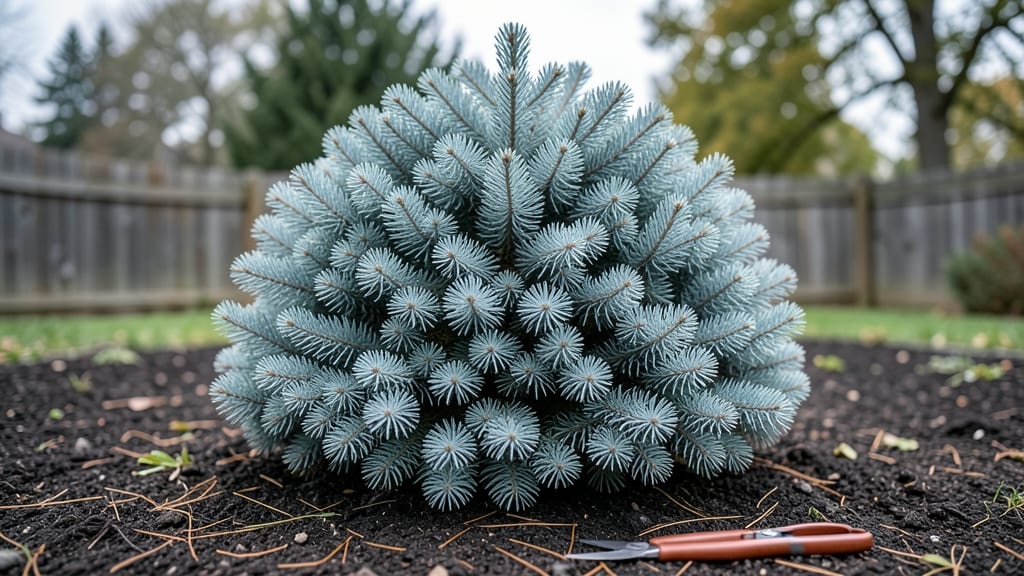
Emerald green pine trees bring a timeless elegance to any landscape, their rich blue-green needles standing out like a jewel against every season. 🌲 I remember the first time I saw one in a front yard—it wasn’t just a tree, but a statement piece that made the whole property feel more refined.
These evergreens thrive in both formal and relaxed settings, offering year-round structure when other plants fade into dormancy.
Their versatility is what makes them a designer’s secret weapon. Use them as a bold focal point near entryways, create a living hedge with precise, sculpted shapes, or pair them with flowering shrubs for a dynamic contrast.
In containers, they add vertical interest to patios or balconies, while in mixed borders, their color anchors the design like a painter’s deep green base layer.
What you’ll love most is how they transform spaces—softening harsh lines, framing views, and adding texture even in winter. Their needles stay vibrant through snowstorms, and their slow, steady growth means they’ll mature into a stunning feature without demanding constant attention.
The key is placement: give them space to grow (they can reach 10-15 feet tall), and pair them with plants that complement their cool tones.
For creative inspiration, try layering them with silver foliage like lamb’s ear or warm blooms like hydrangeas—their emerald hue makes everything around them pop. Whether you’re designing a formal garden or a cozy cottage-style yard, these pines deliver effortless sophistication that never goes out of style.
📚 In This Guide
- What you need
- Instructions
- Tips and common mistakes
- Wrapping up and next steps
What you need
- ● Emerald green pine trees (e.g., Pinus strobus 'Emerald Green' or Picea pungens 'Glauca Globosa') – 1-3 saplings (depending on desired spacing). Choose 1-3 ft tall specimens for best results.
- ● High-quality potting soil or native soil mix – 50 lbs (amend with 20% compost for nutrients).
- ● Organic mulch (pine bark or cedar chips) – 2-3 cubic feet (helps retain moisture and suppress weeds).
- ● Slow-release fertilizer (10-10-10 NPK ratio) – 1 lb per tree (apply at planting).
- ○ Drip irrigation system or soaker hoses – Optional but recommended for consistent moisture.
- ● Shovel or spade – For digging planting holes.
- ● Garden trowel – For delicate root adjustments.
- ● Wheelbarrow – To transport soil and mulch.
- ● Measuring tape – To ensure proper spacing (6-10 ft apart for mature growth).
- ● Pruning shears – For shaping and trimming (sterilize blades with rubbing alcohol).
- ● Gloves & knee pads – For comfort during planting.
- ● Sunlight access – Full sun (6+ hours/day) for optimal growth.
- ● Well-draining soil – Pine trees hate soggy roots; amend clay soil with sand or perlite if needed.
- ● Weather check – Plant in early spring or fall to avoid extreme heat or frost.
- ● Local nursery or online supplier – Verify disease-resistant varieties suited to your USDA hardiness zone (3-7).
Step-by-step guide for planting and caring for emerald green pine trees
These striking evergreens thrive with the right approach—here’s how to plant and nurture them for lasting beauty.
🌱 Step 1: Select and Prepare the Planting Site
Emerald Green pines love full sun to partial shade, with at least 6 hours of direct sunlight daily. Choose a location with well-draining soil—they hate soggy roots. If your soil is heavy clay, amend it with 2-3 inches of compost mixed into the top 12 inches of soil to improve aeration.
Dig a hole twice as wide as the root ball but no deeper. This encourages roots to spread horizontally rather than settling too low, which can suffocate them. Loosen the sides of the hole with a shovel to prevent compacting when you backfill later.
🪴 Step 2: Plant with Proper Spacing and Support
Space your Emerald Green pines 8-10 feet apart for mature growth—crowding leads to poor air circulation and disease. Place the tree in the hole so the top of the root ball sits 1-2 inches above ground level. This prevents stem rot from sitting water.
Backfill with native soil, tamping gently in 2-inch layers to eliminate air pockets. Water deeply after planting to settle the soil and encourage root contact. Add a 3-inch layer of mulch (like pine bark) around the base, keeping it 3 inches away from the trunk to avoid moisture buildup.
☀️ Step 3: Water and Fertilize for Strong Growth
Water deeply once a week for the first 6-8 weeks to establish roots, then taper to every 2 weeks once established. Check soil moisture by sticking your finger 2 inches deep—water when it feels dry. Overwatering is the fastest way to kill these trees.
Fertilize in early spring with a balanced, slow-release fertilizer (10-10-10 ratio). Scatter ½ cup per tree around the drip line, then water to activate. Avoid high-nitrogen fertilizers—they promote soft, weak growth prone to pests. Prune only to remove dead branches in late winter.
✂️ Step 4: Prune and Maintain Year-Round Health
Emerald Greens are low-maintenance, but prune once a year in late winter to shape and remove any browned or crossing branches. Use clean, sharp pruners to make cuts just outside the branch collar. Never remove more than 25% of the canopy in one season—this stresses the tree.
Monitor for spider mites or pine needle scale, common pests that thrive in dry conditions. Spray affected branches with neem oil (mix 1 tablespoon per gallon of water) if you spot webbing or sticky residue. Healthy trees rarely need treatment, so focus on proper watering and sunlight.
⏰ Step 5: Winter Care for Year-Round Elegance
These pines handle cold well, but young trees benefit from a 3-inch layer of mulch in late fall to insulate roots. Avoid heavy snow buildup on branches—tap it off gently to prevent breakage. Mature trees need no extra care, but a light pruning in early spring removes any winter damage.
Here’s the thing—Emerald Greens grow slowly but steadily. In 5-7 years, you’ll see their signature dense, columnar shape emerge. Patience pays off with minimal effort, making them the perfect low-maintenance evergreen for any landscape.
Tips & tricks for perfect emerald green pine trees
Took me years of trial and error to master these evergreens—here’s how to avoid the mistakes I made.
Sunlight Strategy: Those 6 hours of direct sunlight are non-negotiable, but here's the thing: morning sun is gentler than harsh afternoon rays. If you're in a hot climate, consider planting on the east side of your yard to protect delicate needles from midday intensity. Partial shade works too, but expect slower growth and less vibrant color.
Soil Science: The 2-3 inches of compost mixed into the top 12 inches of soil is your secret weapon against compacted roots. For heavy clay soil, add 10% perlite or coarse sand to improve drainage—this prevents the dreaded root suffocation that kills so many evergreens. Test your soil's pH too; Emerald Greens prefer slightly acidic soil (pH 5.5-6.5).
Planting Precision: When placing your tree in the hole, the 1-2 inches above ground level rule isn't just about aesthetics—it's about preventing stem rot. Use a level to ensure the tree sits perfectly upright before backfilling. For the 3-inch mulch layer, choose pine bark or wood chips specifically labeled for evergreens—they release nutrients slowly without compacting like straw mulch.
Watering Wisdom: That 2-inch deep moisture check is your best friend. Water in the early morning so foliage has all day to dry, preventing fungal diseases. During the 6-8 week establishment period, water deeply but infrequently—shallow watering encourages shallow roots that can't support your tree's mature height. Think of it as giving your tree's roots a workout, not a spa day.
Pro Tips for Emerald Green Pine Trees
- Took me years of trial and error to master these evergreens—here’s how to avoid the mistakes I made.
- Sunlight Strategy: Those 6 hours of direct sunlight are non-negotiable, but here's the thing: morning sun is gentler than harsh afternoon rays.
- Soil Science: The 2-3 inches of compost mixed into the top 12 inches of soil is your secret weapon against compacted roots.
Frequently asked questions
Got questions about those stunning emerald green pine trees? You’re not alone! Here are some of the most common queries—and their answers—to help you care for (or spot) these evergreen beauties like a pro.
Why do some pine trees have brighter green needles than others?
Emerald green pines often stand out because of their thicker, waxier cuticles and higher chlorophyll content, which reflects more light. Factors like sun exposure, soil nutrients, and water availability can deepen or dull their hue. Varieties like Picea pungens 'Glauca Globosa' (Colorado Blue Spruce) are bred for that vibrant glow!
How long does it take for a pine tree to reach its full emerald green color?
Most pines develop their signature color within 3–5 years, but full vibrancy may take up to a decade. Young trees often have lighter or bluish-green needles. Patience pays off—and proper pruning (removing brown tips) can speed up the process!
Can I plant an emerald green pine tree in a small yard or container?
Dwarf varieties like 'Little Gem' or 'Mops' Spruce thrive in containers (15+ gallons) or tight spaces. Just ensure well-draining soil and 6+ hours of sunlight daily. Avoid root-bound pots—repot every 2–3 years for healthy growth.
Why are my pine tree’s needles turning brown or yellow?
Brown/yellow needles usually signal stress from:
- Overwatering (root rot) or drought.
- Pests (spider mites, bark beetles).
- Fungal diseases (like needle cast).
What’s the best alternative if I want a pine-like tree with less maintenance?
Consider these low-fuss, evergreen options:
- Italian Cypress (Cupressus sempervirens) – Narrow, vibrant green, drought-tolerant.
- Thuja (Arborvitae) – Soft texture, great for hedges.
- Leyland Cypress – Fast-growing with lush foliage.
Wrapping up and next steps
Emerald green pine trees bring timeless beauty and serenity to any landscape, offering year-round elegance with their vibrant foliage and sturdy presence. Whether you're a seasoned gardener or just starting your green journey, these evergreens are a low-maintenance, high-reward choice that enhances curb appeal and supports local ecosystems. 🌲
Ready to add a touch of natural splendor to your space? Start small—research the best pine variety for your climate, gather your tools, and plant with confidence! Your future self (and the neighborhood birds 🐦) will thank you.