
Pruning
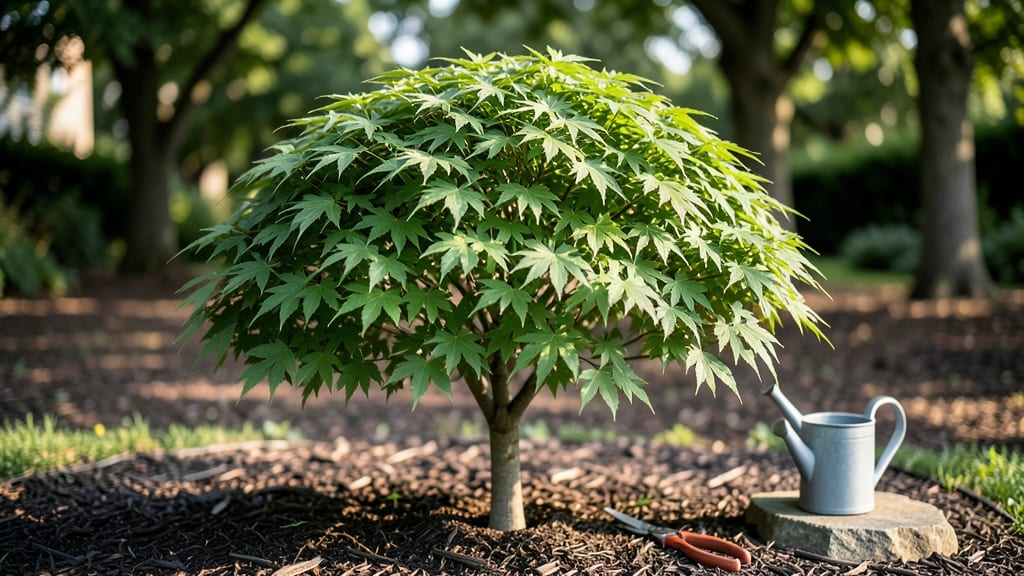
The Emerald Lustre Maple Tree transforms any yard into a living jewel box with its glossy, emerald-green leaves that shimmer like polished jade.
I planted mine last spring, and within months, it became the focal point of my small front yard—its compact size and vibrant foliage drawing neighbors to ask questions. This isn’t just another shade tree; it’s a year-round star that earns its keep with minimal fuss once established.
Here’s the secret to its success: partial sun to full sun, well-draining soil that’s slightly acidic, and a pruning schedule that keeps it looking like a professional landscaper did the work.
The first year is all about getting it settled—watering deeply once a week (more in summer heat) and avoiding heavy clay soil. After that, it thrives with almost no care, rewarding you with three-season color that outshines most ornamental trees.
What makes this tree truly special is how it handles pruning—three strategic trims (late winter, early summer, and fall) keep its shape tight and encourage fresh, vibrant growth.
You’ll end up with a tree that’s both a privacy screen and a conversation piece, its leaves turning subtle shades of yellow in autumn before dropping cleanly. The only real challenge? Watching for spider mites in dry spells, but a quick spray of water usually sends them packing.
Perfect for urban yards, small gardens, or as a striking container specimen, this tree proves you don’t need acres to make a statement. Let’s get yours growing—and keep it looking like the showstopper it is.
📚 In This Guide
- What you need
- Instructions
- Tips and common mistakes
- Wrapping up and next steps
What you need
- ● Pruning shears: Bypass pruners (sharp, clean, and disinfected—think Felco F-2 or Gonicc T-309S for precision). 1 pair (or 2 for larger branches).
- ● Loppers: Heavy-duty, 16-20 inch reach (e.g., Fiskars PowerGear) for thicker branches. 1 pair.
- ● Pruning saw: Curved-tooth saw (e.g., Fiskars X27) for branches 1+ inch thick. 1 saw.
- ● Gloves: Heavy-duty, cut-resistant (e.g., Wright & McGill) to protect hands. 1 pair.
- ● Ladder: Sturdy, extension ladder (20+ ft) if your tree exceeds 6 ft. 1 ladder (rent if needed).
- ● Disinfectant: 70% isopropyl alcohol or bleach solution (1:9 ratio) to sterilize tools between cuts.
- ○ Pruning sealant: Tanglefoot Tree Wound Pruning Seal (optional but recommended for cuts > ½ inch).
- ● Weather check: Trim on a dry, overcast day (avoid wind or extreme heat).
- ● Safety gear: Safety glasses and long sleeves/pants to prevent scratches or sap burns.
- ● Tree ID confirmation: Verify it’s an Emerald Lustre Maple (Acer buergerianum)—look for greenish-purple bark and glossy leaves.
- ● Plan ahead: Sketch a rough trimming plan (use a notebook or app like iTree) to visualize cuts.
- ● Lint-free cloths: For cleaning sap off tools between cuts.
- ● Tree bag: 10-gallon contractor bag to collect debris.
- ● Pruning guidebook: “The Pruning Book” by Lee Reich for advanced techniques.
- ● Camera: Snap before/after photos to track progress!
How to prune an Emerald Lustre Maple for year-round beauty
This maple’s signature foliage thrives with three simple seasonal cuts—let’s keep it lush and healthy.
✂️ Step 1: Late Winter Cleanup (Before Bud Break)
Your first trim happens in late winter—just as buds swell but before leaves emerge. This is when you remove dead, diseased, or crossing branches that spoil the tree’s elegant shape. Start by inspecting the canopy for any limbs rubbing against each other or growing inward; these will compete for sunlight and weaken the tree.
Use clean, sharp pruning shears to make cuts just outside the branch collar—the swollen area where the branch meets the trunk. Avoid leaving stubs, as they invite decay. If a branch is thicker than ½ inch, switch to a pruning saw for a smooth cut. Focus on no more than 25% of the canopy in this first trim, or you’ll stress the tree before spring growth.
Here’s the thing—this is also the time to open the center of the tree slightly. Emerald Lustre maples naturally grow dense, but too much shade in the middle leads to weak, yellowing leaves. Remove a few small branches from the interior to let light reach the core. You’ll see new, vibrant growth filling in by summer.
☀️ Step 2: Light Summer Thinning (Mid-June to Early July)
Now that the tree is in full leaf, your goal shifts to balancing growth and airflow. Wait until after the first flush of new leaves appears—usually mid-June to early July—to avoid encouraging late-season shoots. Look for branches that grow too close together or those that spoil the tree’s natural vase shape.
Prune back any suckers (shoots growing from the base) or water sprouts (fast-growing vertical shoots) to ¼ inch above a lateral bud. These cuts encourage bushier growth. If a branch is too thick to cut by hand, use a pruning saw and make the cut just outside the branch collar. Always cut at a 45-degree angle to prevent water from pooling and rotting the wound.
This is also when you shape the canopy—gently guide the tree’s natural form by trimming just beyond a leaf cluster or bud where you want new growth to emerge. Avoid heavy pruning now; the tree is already stressed from spring growth. A light touch keeps the foliage dense and the color vibrant.
✂️ Step 3: Fall Refining (Late September to Early October)
The final trim of the year happens in late September or early October, just before the first hard frost. This is your chance to neaten the tree and prepare it for winter. Remove any dead leaves, broken branches, or weak growth that appeared over the summer. Focus on smaller cuts—no more than 10% of the canopy—to avoid stimulating late-season growth that won’t harden off before cold weather.
Pay special attention to suckers or water sprouts that may have appeared after summer pruning. These compete with the main branches for nutrients. Cut them back to just above a healthy bud to encourage stronger growth next spring. If you notice any diseased or discolored branches, remove them entirely and sterilize your tools with rubbing alcohol to prevent spreading pathogens.
This is also the time to reduce the height of the tree slightly if needed—perhaps by 6 to 12 inches—to maintain its proportions. Make cuts just above a bud facing outward to promote growth in the right direction. Finish by cleaning up all debris from the base of the tree to prevent pests and diseases from overwintering.
Tips & tricks for pruning your Emerald Lustre Maple
Mastering these seasonal pruning techniques will keep your Emerald Lustre Maple thriving for years to come.
Timing is Everything: Late winter cleanup (before bud break) is critical—this prevents stressing the tree when it's just waking up. I've seen trees struggle when pruned too early; wait until buds swell but leaves haven't emerged yet. For the summer thinning in mid-June to early July, look for that first flush of new leaves to appear before you prune—this timing prevents encouraging unwanted late-season growth that won't have time to harden off before winter.
Branch Collar Matters: Always make cuts just outside the branch collar, never flush with the trunk. I learned this the hard way when a poorly made cut led to decay in one of my trees. The branch collar contains protective cells that help the wound heal properly. For branches thicker than ½ inch, use a pruning saw—your shears will only create jagged edges that invite pests and disease.
Open That Center: Emerald Lustre maples naturally grow dense, but too much shade in the center leads to weak, yellowing leaves. During your late winter trim, remove a few small interior branches to let light reach the core. You'll notice vibrant new growth filling in by summer—this is your reward for proper pruning technique. Just remember to keep your total canopy removal under 25% in this first trim.
Sucker Control Strategy: Those pesky suckers and water sprouts compete with your main branches for nutrients. In both summer thinning and fall refining, cut them back to just above a healthy lateral bud. I've found that making these cuts at a 45-degree angle prevents water from pooling and rotting the wound. This simple technique keeps your tree looking its best while promoting stronger growth next season.
Pro Tips for Emerald Lustre Maple Tree
- Mastering these seasonal pruning techniques will keep your Emerald Lustre Maple thriving for years to come.
- Timing is Everything: Late winter cleanup (before bud break) is critical—this prevents stressing the tree when it's just waking up.
- Branch Collar Matters: Always make cuts just outside the branch collar, never flush with the trunk.
Frequently asked questions
about the Emerald Lustre Maple Tree—here’s what you need to know to keep your tree thriving with minimal stress and maximum beauty!When is the best time to prune my Emerald Lustre Maple?
The ideal times are late winter to early spring (dormant season), just before new growth starts, and again in summer (June–July) for light shaping. Avoid heavy pruning in fall—it can stress the tree before winter. Pro tip: If you must prune in fall, do it at least 6 weeks before the first frost!
How much can I trim without harming the tree?
For mature trees, limit pruning to no more than 25% of the canopy per year. Focus on removing dead, diseased, or crossing branches first. Over-trimming can reduce vigor and fruit production. Pro tip: Use sharp tools and make clean cuts just outside the branch collar to promote faster healing.
What if my Emerald Lustre Maple isn’t leafing out well after pruning?
Slow leafing could signal over-pruning, stress, or disease. Check for pests (like scale or spider mites) or fungal spots on leaves. If you pruned too aggressively, avoid heavy cuts next year and fertilize lightly in spring. Pro tip: Mulch around the base to retain moisture and reduce stress!
Can I grow an Emerald Lustre Maple in a container?
While possible, it’s not ideal—this tree grows large (30–40 ft tall) and has deep roots. If container-grown, use a 50+ gallon pot with drainage and repot every 2–3 years. Expect slower growth and potential root-bound issues. Pro tip: Plant in the ground for best health and seasonal beauty!
What’s a good alternative if I want a similar look but lower maintenance?
Consider the ‘Autumn Blaze’ Maple (faster-growing, vibrant fall color) or ‘Skyrocket’ Ginkgo (narrower shape, pest-resistant). For smaller yards, the ‘Red Sunset’ Japanese Maple offers stunning foliage with less pruning needs. Pro tip: Visit a local nursery to compare mature sizes before choosing!
Wrapping up and next steps
The Emerald Lustre Maple Tree is a stunning addition to any landscape, offering vibrant foliage and year-round elegance with the right care—especially through strategic seasonal trims. By mastering the spring cleanup, summer shaping, and fall maintenance, you’ll keep this beauty thriving while encouraging lush growth and disease resistance. 🌿✨
Ready to elevate your gardening game? Start by marking your calendar for next year’s trims, and don’t hesitate to experiment with pruning techniques to find what works best for your tree. Happy gardening—your Emerald Lustre Maple will thank you with breathtaking color and health!