
Pruning
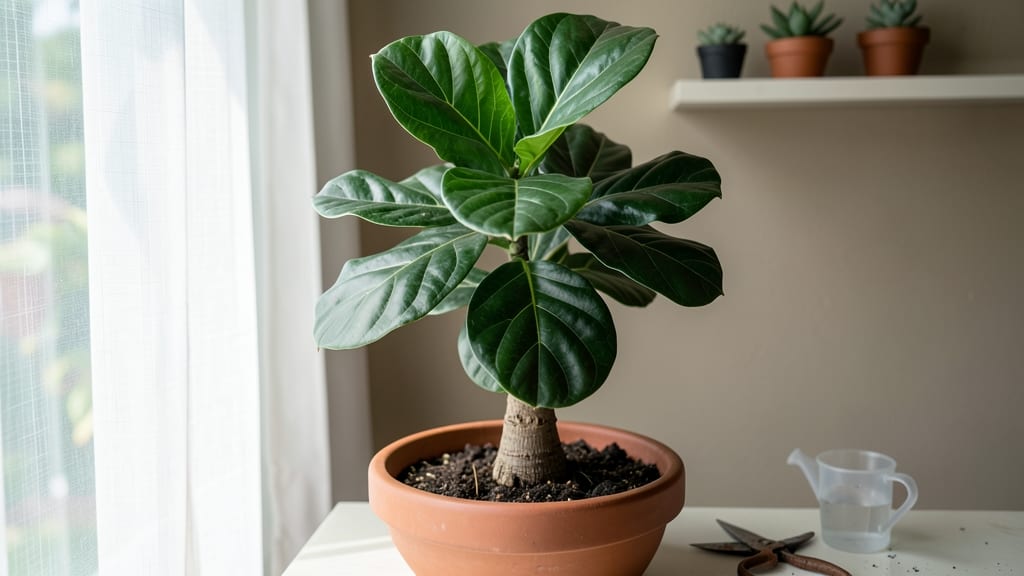
Your ficus tree inside could be the showstopper of your home—if you nail the basics. I’ve kept mine thriving for years by mimicking its jungle roots: bright, indirect light, infrequent watering, and a humidity boost that keeps leaves velvety soft.
The key isn’t complicated, but one wrong move (like overwatering) can turn your tropical beauty into a sad, brown-tipped mess.
Start with the right setup: a 6-inch pot with drainage holes, well-draining potting mix, and a location near a south- or west-facing window. Ficus trees hate soggy roots, so let the top inch of soil dry out before watering again—once every 1-2 weeks in winter, more in summer.
A pebble tray with water underneath adds that critical humidity boost without drowning the roots.
Pruning isn’t just about shaping—it’s about encouraging lush, bushy growth. Trim leggy stems in early spring to encourage branching, and pinch off yellow leaves immediately. With the right care, your ficus will reward you with glossy, deep-green leaves that make every room feel like a mini rainforest.
The best part? It’s beginner-friendly once you get the rhythm down.
Troubleshooting is half the fun. Yellow leaves? Usually overwatering. Brown tips? Dry air. Dust those leaves occasionally—they drink air like they drink water. And if your ficus starts dropping leaves, don’t panic.
It’s just adjusting to its new home. With these tweaks, you’ll have a thriving indoor tree that lasts for decades.
📚 In This Guide
- What you need
- Instructions
- Tips and common mistakes
- Wrapping up and next steps
What you need
- ● Pruning shears or bypass pruners – Sharp, clean, and sterilized (alcohol wipes work great). Choose a pair with bypass blades (not anvil-style) to avoid crushing stems.
- ● Rubbing alcohol (70% or higher) – For sterilizing tools between cuts (1 small bottle).
- ● Gloves (gardening or nitrile) – Protects hands from sap and sharp edges (1 pair).
- ○ Well-draining potting mix – A blend of peat moss, perlite, and orchid bark (1 bag, ~2-3 gallons). Optional: Add worm castings for extra nutrients.
- ● Pot with drainage holes – 1-2 inches larger in diameter than the current pot (check for sturdy, non-breakable material like ceramic or plastic).
- ● Watering can with a narrow spout – For precise watering (avoid over-saturating roots).
- ● Spray bottle – For misting leaves (especially in dry indoor climates).
- ● Houseplant fertilizer – Balanced liquid fertilizer (e.g., 10-10-10 or 20-20-20). Pro tip: Dilute to half-strength for ficus trees! 💡
- ● Rooting hormone – Speeds up growth of cuttings (gel or powder form).
- ● Humidity tray or pebble tray – Mimics tropical conditions (fill with water + pebbles).
- ● Grow lights (LED or fluorescent) – If natural light is low (12-14 hours/day).
- ● Plant food stakes or labels – Track watering/fertilizing schedules.
- ○ Pruning sealant (optional) – For large cuts to prevent sap oozing (e.g., tree wound pruning paste).
Step-by-Step guide for thriving indoor ficus tree care
Here’s how to keep your ficus lush year-round without common pitfalls.
🌿 Step 1: Select the Right Spot for Light and Airflow
Ficus trees thrive in bright, indirect light—think east or west-facing windows where sunlight filters through sheer curtains. Avoid harsh midday sun, which scorches leaves, or dim corners, where growth slows and leaves yellow. I position mine 4-6 feet from a south-facing window during winter when light is weaker.
Airflow matters just as much as light. Place your ficus near a fan or open window to prevent fungal issues like powdery mildew. Just avoid cold drafts—ficus leaves crisp at temperatures below 55°F. Rotate the pot quarter-turn weekly so all sides get even light exposure. You’ll notice new growth leaning toward the light? That’s your cue to adjust its position.
💧 Step 2: Master the Watering Routine for Healthy Roots
Overwatering is the #1 killer of indoor ficus trees. Wait until the top 2 inches of soil feel dry before watering deeply—this mimics natural drought cycles and prevents root rot. I use my finger to check moisture: if it’s damp past the first inch, hold off. During winter, when growth slows, water every 7-10 days; in summer, every 5-7 days.
Use room-temperature water to avoid shocking roots. Let excess water drain completely from the saucer—soggy roots suffocate. Yellowing leaves? Often a sign of overwatering. Brown edges? Likely underwatering or dry air. Adjust based on leaf color and soil moisture, not a rigid schedule.
☀️ Step 3: Maintain Humidity and Prune for Shape
Ficus trees love 40-50% humidity, but indoor air is usually drier. Place the pot on a tray of pebbles with water (keep leaves from touching the water) or use a humidifier nearby. Mist leaves 2-3 times weekly in dry climates, but avoid wetting foliage in humid conditions to prevent fungal growth. You’ll see new leaves with a glossy finish when humidity is ideal.
Prune leggy stems in early spring to encourage bushier growth. Use clean, sharp pruners to cut just above a leaf node at a 45-degree angle. This prevents water from pooling and promotes new shoots. Never prune more than one-third of the plant at once—ficus trees handle stress poorly. Wipe pruned areas with rubbing alcohol to sterilize cuts and reduce disease risk.
⏰ Step 4: Fertilize and Monitor for Pests Year-Round
Feed your ficus monthly in spring and summer with a balanced, water-soluble fertilizer (like 10-10-10) diluted to half-strength. Skip fertilizing in fall and winter when growth slows. Over-fertilizing burns roots—always water the plant first to flush excess salts from the soil. You’ll notice vigorous new leaves and stems within weeks of consistent feeding.
Check undersides of leaves weekly for pests like spider mites or scale. Wipe leaves with a damp cloth to remove dust and deter infestations. If you spot sticky residue (honeydew), treat immediately with neem oil or insecticidal soap. Act fast—ficus trees rarely recover from severe pest damage. A healthy ficus has shiny, vibrant leaves and no visible pests.
Tips & tricks for thriving indoor ficus tree care
These simple yet powerful strategies will help you avoid common pitfalls and keep your ficus thriving year-round.
Light Exposure Insight: In Step 1, when positioning your ficus 4-6 feet from a south-facing window, pay attention to seasonal light changes. During winter months, supplement with a grow light for 4-6 hours daily if natural light drops below 40% intensity. I notice the most consistent growth when I combine natural light with this small boost during darker seasons—it makes all the difference in maintaining that vibrant green color.
Watering Technique: The finger-test method in Step 2 is foolproof, but here's what nobody tells you—always check moisture in multiple spots of the pot. Soil can be dry on top but still damp deeper down, especially in larger containers. I've learned the hard way that this inconsistency leads to uneven watering patterns. For containers wider than 12 inches, check moisture in at least three different spots to ensure accuracy.
Pruning Precision: When pruning in early spring as mentioned in Step 3, focus on cutting just above a leaf node at a 45-degree angle. This isn't just about aesthetics—it creates a larger surface area for new growth while preventing water from pooling at the cut site. I've found that using a clean, sharp pair of pruners is absolutely critical. Dull blades crush stems, making them more susceptible to disease. Always sterilize your tools with rubbing alcohol between cuts.
Fertilizer Timing: The monthly feeding schedule in Step 4 works beautifully, but here's my pro tip: always fertilize after watering. This prevents fertilizer salts from burning your ficus's delicate roots. I've seen many well-intentioned plant owners skip this step and end up with brown leaf tips within weeks. Also, consider using a liquid fertilizer with micronutrients—ficus trees respond particularly well to small amounts of iron and magnesium during their active growing months.
Pro Tips for Ficus Tree Inside
- These simple yet powerful strategies will help you avoid common pitfalls and keep your ficus thriving year-round.
- Light Exposure Insight: In Step 1, when positioning your ficus 4-6 feet from a south-facing window, pay attention to seasonal light changes.
- Watering Technique: The finger-test method in Step 2 is foolproof, but here's what nobody tells you—always check moisture in multiple spots of the pot.
Frequently asked questions
Got questions about keeping your ficus tree inside thriving? You’re not alone! Here are answers to the most common concerns—from pruning to placement—so you can enjoy lush, year-round growth with confidence.
How often should I prune my indoor ficus tree?
Prune your ficus tree 2-3 times a year to encourage bushier growth and remove dead or yellowing leaves. Focus on trimming leggy stems in spring or early summer when the tree is actively growing. Use clean, sharp pruners to avoid damaging the plant.
Why are the leaves on my ficus tree dropping?
Leaf drop is often caused by stress factors like sudden temperature changes, underwatering, or overwatering. Check the soil moisture—it should be slightly dry before watering again. Also, ensure your ficus isn’t near drafts or heating vents, as they dislike extreme conditions.
What’s the best indoor location for a ficus tree?
Place your ficus in bright, indirect light, like near an east- or west-facing window. Avoid harsh direct sunlight, which can scorch leaves. A spot with moderate humidity (like a bathroom or kitchen) and temperatures between 65–75°F works best.
Can I propagate my ficus tree from cuttings?
Yes! Take 4–6 inch cuttings from healthy stems, dip the ends in rooting hormone, and place them in moist potting mix or water. Keep the cuttings in warm, bright indirect light and mist occasionally. Roots should form in 4–8 weeks—just be patient!
What should I do if my ficus tree gets pests?
Common pests like spider mites or mealybugs can attack ficus trees. Wipe leaves with a damp cloth and spray with neem oil or insecticidal soap for mild infestations. For severe cases, isolate the plant and treat it with a systemic insecticide. Quarantine new plants to prevent spreading.
Wrapping up and next steps
Growing a ficus tree inside is a rewarding journey that brings life and beauty to your space year-round! With the right pruning techniques, proper tools, and a little patience, you’ll enjoy a thriving, lush plant that purifies the air and elevates your décor.
Remember, consistency is key—regular trims and attentive care will keep your ficus healthy and vibrant.
Ready to take the next step? Start small:
- Schedule your first pruning session this weekend!
- Gather your tools and follow the steps you’ve learned.
- Celebrate each trim as a win for your green thumb!