
Trees
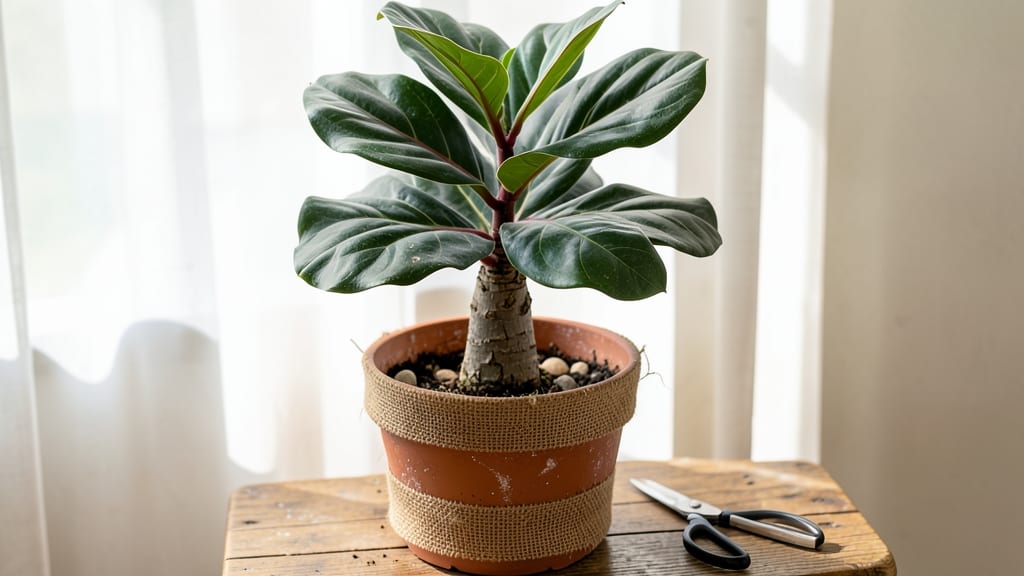
Ficus trees bring that lush, tropical vibe indoors—if you nail their care. 🌿 I’ve watched mine grow from a sad nursery plant to a floor-filling statement piece in just two years, and it all comes down to sunlight, pruning, and ignoring the myths you hear online.
The biggest mistake? Treating them like fussy houseplants when they’re actually tougher than they look.
Here’s the truth: ficus trees thrive in bright, indirect light—think east or north-facing windows—or under grow lights if you’re in a dark corner. They handle occasional neglect better than overwatering, and pruning isn’t about shaping (though you can!) but keeping them healthy.
My tree now drops leaves only when I forget to dust its leaves, not because of "bad care."
By the end of this, you’ll have a ficus that stays vibrant year-round, with glossy leaves and sturdy branches. The secret? A light schedule, a watering routine (let the top inch dry), and pruning at the right time—no guesswork.
We’ll cover all of it, including how to revive a struggling plant before it’s too late.
Works for both indoor rubber plants and outdoor varieties like the weeping fig—just adjust for your climate. Let’s get that ficus thriving.
📚 In This Guide
- What you need
- Instructions
- Tips and common mistakes
- Wrapping up and next steps
What you need
- ● Ficus Tree: Choose a healthy specimen (e.g., Ficus elastica, Ficus benjamina, or Ficus lyrata) from a nursery or garden center.
- ● Well-draining potting mix: 5–10 gallons (for containers) or native soil amended with compost (for outdoor planting).
- ● Pot or planting hole: For containers: A pot 2–4 inches larger in diameter than the root ball, with drainage holes.
- ● For outdoor planting: A hole twice as wide as the root ball and equally deep.
- ● Pruning shears: Sharp, clean shears (sterilize with rubbing alcohol between cuts).
- ● Watering can or hose: With a gentle spray nozzle for hydration.
- ● Fertilizer: Balanced liquid fertilizer (e.g., 10-10-10) or slow-release granules for potted trees.
- ○ Support stake (optional for outdoor trees): A 4–6 ft bamboo or metal stake for young or top-heavy varieties.
- ● Mulch: Organic mulch (e.g., shredded bark) to retain moisture and regulate soil temperature.
- ● Humidity tray: A pebble tray with water for indoor ficus varieties that love humidity.
- ● Grow lights: LED grow lights for supplementing low-light conditions (12–14 hours/day).
- ● Root stimulator: A gel or powder to encourage root growth during repotting.
- ● Gloves: Gardening gloves to protect hands during pruning or handling sap.
Step-by-step guide to ficus tree maintenance
Mastering this tropical beauty means balancing light, water, and strategic pruning—here’s how.
☀️ Step 1: Position for Ideal Light Exposure
Ficus trees thrive in bright, indirect light—think east or north-facing windows where sunlight filters through sheer curtains. Direct sun causes leaf scorch, while too little light leads to leggy growth. Rotate your tree quarter-turn weekly so all sides receive even exposure. You’ll notice new leaves emerging with vibrant color when light is perfect.
If your space lacks natural light, supplement with a full-spectrum LED grow light positioned 12-18 inches away for 12-14 hours daily. Watch for leaves stretching toward the light—this is your cue to bring the fixture closer or increase brightness. Avoid fluorescent bulbs; they emit too little blue spectrum for optimal growth.
💧 Step 2: Master the Watering Balance
Water your ficus when the top 2 inches of soil feel dry—this prevents both root rot and drought stress. Stick your finger in the soil; if it’s damp past your first knuckle, wait another day. Use room-temperature water to avoid shocking the roots, and always water until it drains freely from the bottom. Empty the saucer after 15 minutes to prevent soggy soil.
Here’s the thing—ficus trees are drought-tolerant but hate soggy feet. If leaves yellow or drop suddenly, you’re likely overwatering. Adjust your schedule by checking soil moisture every 3-4 days in summer and every 7-10 days in winter when growth slows. Mature trees need 1-2 gallons per watering, depending on pot size.
✂️ Step 3: Prune for Shape and Health
Prune your ficus spring or early summer when new growth is active. Use clean, sharp pruning shears to cut just above a leaf node (the bump where leaves attach) at a 45-degree angle. This encourages bushier growth and prevents disease entry. Never prune more than one-third of the foliage at once—this stresses the tree.
For shaping, focus on removing crossing branches or those growing inward. You’ll see where to trim by looking for branches that block light or create awkward angles. After pruning, wipe the shears with rubbing alcohol to sterilize them. Dispose of large clippings in yard waste; smaller ones can be composted. Avoid pruning in fall or winter—this triggers dormancy and weakens the tree.
🌿 Step 4: Fertilize for Lush Growth
Feed your ficus every 4-6 weeks during spring and summer with a balanced liquid fertilizer (10-10-10 or 20-20-20). Dilute to half-strength to avoid burning roots. Start fertilizing when you see new leaves emerging—this signals active growth. In fall and winter, reduce feeding to once every 8-12 weeks as the tree enters dormancy.
Watch for signs of over-fertilizing: brown leaf tips or crispy edges mean you’re overdoing it. Flush the soil with water to leach excess salts if this happens. For container-grown ficus, use a slow-release granular fertilizer sparingly—it’s easier to control and reduces runoff. Always water thoroughly before and after applying fertilizer to help roots absorb nutrients.
Tips & tricks for perfect ficus tree maintenance
Between us, these little details make all the difference in keeping your ficus thriving year-round.
The Light Factor: That quarter-turn rotation you do weekly? It’s not just about even exposure—it’s about preventing one-sided growth. I’ve seen ficus trees grow lopsided when people forget this step, creating awkward shapes that are hard to fix later. If you notice new leaves all growing toward one side, you’re either rotating too slowly or your light source isn’t balanced.
Watering Wisdom: The 2-inch soil test is your best friend, but here’s what nobody tells you—ficus trees actually prefer their soil to dry out slightly between waterings. That’s why checking with your finger (not just eyeballing the pot) prevents both root rot and drought stress. Pro tip: Use a chopstick or wooden skewer to check deeper soil moisture if your pot is large.
Pruning Precision: When you’re shaping your ficus in Step 3, look for those leaf nodes—they’re the little bumps where leaves attach. Cutting just above these at a 45-degree angle isn’t just about aesthetics; it’s about directing growth energy to where you want it. I’ve ruined more ficus shapes than I’ll admit by cutting too close to the trunk or at awkward angles. And remember, those pruning shears? Sterilize them between cuts to prevent fungal spread.
Fertilizer Strategy: That half-strength dilution is non-negotiable, but here’s my secret: I always water thoroughly before and after fertilizing. This two-step process ensures the nutrients get absorbed properly rather than sitting on the soil surface. For container ficus, I switch to slow-release granules in summer—they’re easier to control and prevent runoff, which is especially important in small pots where roots can’t access excess nutrients.
Pro Tips for Ficus Tree
- Between us, these little details make all the difference in keeping your ficus thriving year-round.
- The Light Factor: That quarter-turn rotation you do weekly?
- Watering Wisdom: The 2-inch soil test is your best friend, but here’s what nobody tells you—ficus trees actually prefer their soil to dry out slightly between waterings.
Frequently asked questions
Got questions about keeping your ficus tree happy and healthy? You’re not alone! Here are some of the most common concerns—and straightforward answers—to help you navigate ficus care like a pro.
How often should I water my ficus tree?
Water your ficus when the top 1–2 inches of soil feel dry. Overwatering is the #1 killer—stick your finger in the soil to check! Most ficus trees thrive on moderate watering, about once a week (adjust for humidity, season, or pot size). Yellow leaves? You’re likely overdoing it.
When is the best time to prune a ficus tree?
Prune your ficus anytime it’s actively growing (spring/summer), but avoid heavy cuts in winter. Focus on shaping, removing dead branches, or thinning dense growth. Use clean, sharp tools to prevent disease. Pro tip: Prune just above a leaf node for bushier growth!
Can a ficus tree survive in low light?
Most ficus trees tolerate low light but grow slowly and may drop leaves. Place it near a bright, indirect window (east or north-facing is ideal). If leaves yellow or stretch, it’s begging for more light! Consider a grow light if natural light is scarce.
Why are my ficus leaves turning brown and crispy?
Brown, crispy edges usually mean low humidity or underwatering. Try these fixes:
- Mist leaves regularly (or use a pebble tray).
- Water deeply when the soil dries out.
- Wipe leaves with a damp cloth to remove dust.
What’s the easiest ficus tree for beginners?
Start with a Rubber Plant (Ficus elastica) or Weeping Fig (Ficus benjamina)—both are hardy and forgiving. The Rubber Plant thrives in low light, while the Weeping Fig is more adaptable to indoor conditions. Avoid the Banyan Ficus (outdoor-only) unless you’re prepping for a garden!
Wrapping up and next steps
Caring for your ficus tree is a rewarding journey that brings lush greenery and natural beauty into your space! 🌿 With the right balance of sunlight, pruning, and attention, your ficus will thrive year-round—whether it’s a towering Ficus elastica or a compact Ficus benjamina.
Remember, consistency is key: monitor its environment, trim wisely, and address issues early to keep it healthy and vibrant.
Now that you’re armed with sunlight secrets and pruning wisdom, it’s time to roll up your sleeves! Start by choosing the perfect spot for your ficus today—your green friend is ready for its new home. Happy gardening! 🌱