
Trees
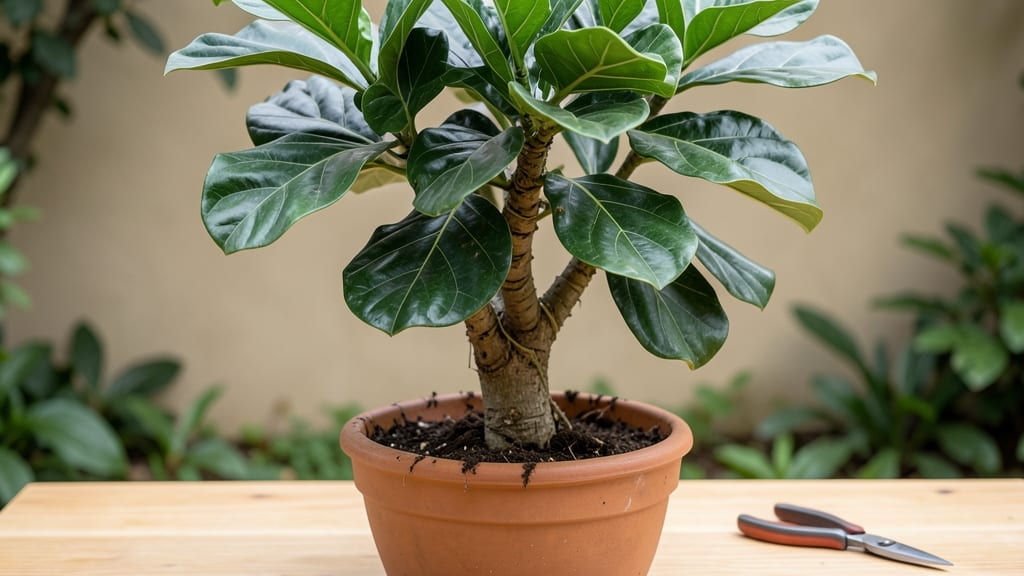
Ficus trees in pots bring that tropical escape indoors without the yard space. 🌿 I’ve turned my living room into a mini jungle with just one ficus, and the secret isn’t complicated—it’s about matching their needs to your home’s light and rhythm.
Most people overwater or crowd the roots, but with the right pot, soil, and routine, these trees thrive for years.
The basics are simple: a well-draining pot with drainage holes, a mix of potting soil and perlite, and bright, indirect light. Water only when the top inch feels dry, and fertilize lightly every 6-8 weeks during growing season.
My ficus has outgrown three pots in five years—proof that they grow steadily when given space and patience.
You’ll end up with glossy, deep green leaves that bounce back from dust and dry air. The best part? They clean the air while adding drama to any room. Just avoid drafts and sudden temperature swings—ficus trees reward consistency with lush, reliable growth all year.
Whether you’re keeping yours by a sunny window or rotating it for even light, these tips work for both indoor and outdoor placements. Let’s get yours growing strong—no green thumb required.
📚 In This Guide
- What you need
- Instructions
- Tips and common mistakes
- Wrapping up and next steps
What you need
- ● Ficus Tree: Choose a healthy Ficus elastica (rubber plant), Ficus benjamina (weeping fig), or Ficus lyrata (fiddle-leaf fig) from a nursery or online retailer.
- ● Pot: 1 draining pot (10–12" diameter for small trees, 14–16" for mature ones).
- ● Cache pot or saucer (to catch excess water).
- ● Well-draining potting mix: 1 bag (1–2 cubic feet) of a blend like 50% peat moss, 30% perlite, and 20% sand (or a pre-mixed cactus/succulent mix).
- ● Gravel or pebbles: Small stones (1–2 lbs) for the pot’s drainage layer.
- ● Pruning shears (for shaping and trimming).
- ● Spray bottle (for misting leaves).
- ● Fertilizer: 1 bottle of balanced liquid fertilizer (10-10-10) or slow-release granules.
- ○ Support stake or trellis (optional, for tall varieties like Ficus benjamina).
- ○ Humidifier or pebble tray (optional, for dry climates).
Step-by-step instructions for growing ficus trees in pots indoors
Here's how I keep my ficus trees lush and thriving year-round with minimal fuss.
🪴 Step 1: Choose the Right Pot and Drainage
Start with a pot that's 2-3 inches larger in diameter than your current container. Ficus trees need room to grow but not so much that the soil stays soggy. I always look for pots with multiple drainage holes—this prevents root rot, which is the #1 killer of potted ficus.
Terracotta pots are my go-to because they breathe, but if you prefer plastic, just make sure it has drainage. Add a 1-inch layer of pebbles or broken pottery at the bottom before adding soil. This creates space for excess water to drain away from the roots while keeping the soil in place.
🌱 Step 2: Use Well-Draining Soil and Repot Carefully
Ficus trees hate soggy roots, so I mix equal parts potting soil, perlite, and orchid bark for the best drainage. If you're repotting, gently loosen the roots from the old container—don't force it, just tease them apart with your fingers. This encourages new root growth without shocking the plant.
Fill the new pot about ⅓ full with your soil mix, then place the ficus in the center. Hold it steady while you add more soil around the edges, pressing lightly to remove air pockets. Leave about 1 inch of space between the soil and the pot's rim—this prevents water from spilling over when you water.
☀️ Step 3: Position for Bright, Indirect Light
Ficus trees love bright, indirect light—think east or west-facing windows where they get morning or afternoon sun without harsh afternoon rays. If your home has low light, a grow light 12-18 inches away for 12-14 hours a day will keep them happy.
Here's the thing—ficus leaves will tell you if they're getting too much or too little light. Yellowing leaves mean too much sun, while drooping or pale leaves mean they need more light. Rotate the pot a quarter turn weekly so the tree grows evenly and doesn't lean toward the light.
💧 Step 4: Water When the Top 2 Inches of Soil Are Dry
Overwatering is the fastest way to kill a ficus, so I wait until the top 2 inches of soil feel dry before watering. Stick your finger in the soil—if it's damp, wait another day. When you do water, soak the soil thoroughly until water runs out the drainage holes. Empty the saucer afterward to prevent root rot.
Mist the leaves once a week in dry climates to mimic humidity, but don't drown them. Ficus trees are tropical and appreciate a little extra moisture in the air. If the tips of the leaves start browning, that's your sign to increase humidity or reduce watering.
✂️ Step 5: Prune and Fertilize for Full, Bushy Growth
Prune your ficus in early spring to encourage new growth. Cut back leggy stems just above a leaf node, and pinch back new growth to promote bushiness. I always sterilize my pruners with rubbing alcohol to prevent disease—this is non-negotiable.
Feed your ficus with a balanced liquid fertilizer (like 10-10-10) every 4-6 weeks during spring and summer. Cut back to once every 2 months in fall and winter when growth slows. Yellow leaves after fertilizing? You're overdoing it—flush the soil with water to remove excess salts.
Tips & tricks for perfect ficus trees in pots
Real talk: Growing lush ficus trees indoors isn't rocket science, but these small details make all the difference between a struggling plant and one that thrives.
Pot Size Matters: That 2-3 inch larger pot isn't just about aesthetics—it gives roots room to spread without becoming root-bound. I've seen ficus trees outgrow their pots in just 6 months, so plan ahead! If you're unsure about size, measure your current pot and add 2 inches to that diameter. For mature trees, you might need to repot every 2-3 years to maintain this growth space.
Soil Mix Secrets: The equal parts potting soil, perlite, and orchid bark combo isn't just random—I learned this the hard way after watching two ficus trees develop root rot. The perlite creates air pockets while the orchid bark prevents compaction. Pro tip: If you don't have orchid bark, substitute with coconut coir or even small pebbles for similar drainage benefits.
Light Positioning: That quarter turn weekly rotation isn't just about looks—it prevents your ficus from growing lopsided toward the light source. Think of it like helping your plant develop a balanced posture. And if you're using a grow light, position it 12-18 inches away but adjust based on your tree's size—closer for smaller plants, farther for taller ones.
Watering Wisdom: The top 2 inches dry test works, but here's what nobody tells you: Use your finger to check soil moisture at different depths. The top 2 inches might be dry while moisture lingers deeper down. This is why I always soak until water runs out the drainage holes—it ensures thorough hydration without creating soggy pockets.
Pro Tips for Ficus Trees In Pots
- Real talk: Growing lush ficus trees indoors isn't rocket science, but these small details make all the difference between a struggling plant and one that thrives.
- Pot Size Matters: That 2-3 inch larger pot isn't just about aesthetics—it gives roots room to spread without becoming root-bound.
- Soil Mix Secrets: The equal parts potting soil, perlite, and orchid bark combo isn't just random—I learned this the hard way after watching two ficus trees develop root rot.
Frequently asked questions
Got questions about keeping your ficus trees in pots happy and healthy? You’re not alone! Here are some of the most common concerns—plus quick, actionable answers to keep your leafy friend thriving.
How often should I water my potted ficus tree?
Water your ficus when the top 1-2 inches of soil feel dry to the touch. Overwatering is the #1 killer—stick your finger in the soil to check! In summer, water every 7-10 days; in winter, reduce to every 3-4 weeks. Empty the saucer after watering to prevent root rot.
Why are the leaves on my ficus turning yellow or dropping?
Yellow leaves usually signal overwatering or poor drainage. Brown, crispy edges? It’s underwatering or dry air. Move your ficus to bright, indirect light and adjust watering. Dropping leaves can also mean it’s stressed—check for drafts, sudden temperature changes, or pests.
What’s the best temperature range for a potted ficus?
Ficus trees love warmth (65–85°F) and hate drafts or cold windows. Keep them away from AC vents, heaters, or glass doors. If temps drop below 50°F, the leaves may wilt or fall. A sunny windowsill (not direct sun!) is ideal.
How do I repot my ficus tree, and when should I do it?
Repot every 2–3 years or when roots circle the pot. Spring is the best time! Choose a pot 2 inches wider than the current one, with drainage holes. Gently loosen roots, add fresh well-draining potting mix, and water lightly. Avoid repotting if the tree is stressed (e.g., after leaf drop).
Can I keep a ficus tree small in a pot, or will it grow too tall?
Yes! Ficus trees can stay compact with pruning and regular repotting. Trim leggy stems in spring to encourage bushier growth. Choose a dwarf variety (like Ficus lyrata ‘Little Fiddle’) or limit the pot size to control height. Just ensure it gets enough light—small pots = slower growth.
How do I get rid of pests like spider mites or mealybugs?
Start with a neem oil spray (mix 1 tsp neem oil + 1 tsp mild soap in 1 quart water) or insecticidal soap. Wipe leaves with a damp cloth to remove pests. Isolate the plant to prevent spreading. For severe infestations, repeat treatment every 5–7 days. Keep humidity moderate—pests love dry air!
Wrapping up and next steps
Growing ficus trees in pots is a rewarding way to bring nature indoors—with the right care, these lush beauties can thrive year-round! 🌿 From selecting the perfect pot to mastering light, water, and pruning, you now have all the tools to nurture a healthy, vibrant plant.
Remember, patience and consistency are key, and don’t hesitate to troubleshoot common issues like yellowing leaves or pests.
Ready to take the next step? Start with a single pot and experiment with different varieties—like the classic Ficus elastica or the elegant Ficus benjamina. Soon, you’ll be enjoying a thriving indoor jungle that’s as stylish as it is satisfying!