
Pruning
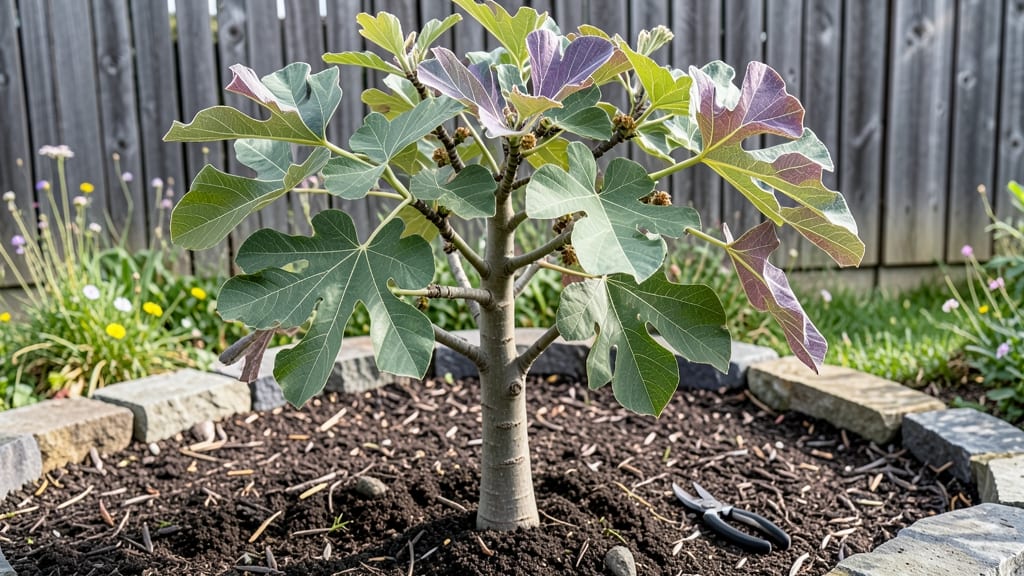
Propagating fig trees from fresh fig tree shoots is the easiest way to multiply your favorite variety without spending a dime—✨ I’ve rooted dozens this way, and the trick boils down to timing, moisture, and a little patience. required.
The best time to take cuttings is right after harvest when the plant’s energy shifts from fruit to root growth, making the shoots more willing to strike roots.
You’ll need just three things: sharp pruners, a rooting hormone (optional but helpful), and a pot with well-draining soil. The cuttings themselves should be 6-8 inches long, taken from semi-hardened wood—neither too old nor too soft.
Dip the cut end in hormone, plant it 2-3 inches deep, and keep the soil consistently moist (not soggy) under bright, indirect light.
Within 4-6 weeks, you’ll see tiny roots forming, and by late spring, your cuttings will be ready to transplant. The best part? These new trees mature faster than seed-grown figs, meaning you’ll get fruit sooner.
Just avoid overwatering—the #1 killer of young cuttings—and keep them sheltered from harsh winds until they’re established.
This method works year-round in warm climates, but spring or fall cuttings give the best results in cooler zones. Once you master it, you’ll have fig trees popping up everywhere—just be prepared for neighbors asking where you got your magic touch!
📚 In This Guide
- What you need
- Instructions
- Tips and common mistakes
- Wrapping up and next steps
What you need
- ● Fig tree cuttings: 4–6 healthy, pencil-thick shoots (about 6–8 inches long) with at least 2–3 leaf nodes. Harvest in late winter or early spring for best results!
- ● Rooting hormone: A small bottle (2–4 oz) of powder or gel to boost root growth.
- ● Well-draining potting mix: A 1-gallon bag of cactus/succulent mix or a 50/50 blend of perlite and peat moss.
- ● Small pots (4–6 inches in diameter): 4–6 pots with drainage holes (plastic or terracotta works great).
- ● Clear plastic bags or plastic wrap: To create a mini greenhouse effect and retain moisture.
- ○ Spray bottle (optional but helpful): For gentle watering without disturbing the cuttings.
- ● Sharp pruning shears or knife: Sterilized to avoid disease (rubbing alcohol works!).
- ● Rubbing alcohol (70% or higher): For cleaning tools and cutting surfaces.
- ● Grow lights or sunny windowsill: A bright spot with indirect light (6+ hours/day) or a small LED grow light for seedlings.
- ● Watering can or cup: For initial watering (avoid over-saturating the mix!).
- ● Patience! 😉 Root development can take 4–8 weeks, so consistency is key.
- ● Humidity dome or propagation tray to maintain moisture.
- ● Fertilizer (balanced, water-soluble) for faster growth after roots form.
- ○ Heat mat (optional) to keep soil warm (70–75°F) for tropical fig varieties.
- ● Journal or labels to track cutting dates and progress!
How to propagate fig tree shoots from cuttings
Here's my foolproof method for growing new fig trees from cuttings—no green thumb required!
🌱 Step 1: Select and Prepare Healthy Cuttings
Choose semi-hardwood cuttings from the current season's growth—about 12-18 inches long with 3-4 leaf nodes. Look for stems that are pencil-thick and free of disease or damage. I always take cuttings in late spring or early summer when the plant is actively growing.
Make a clean cut just below a leaf node with sharp pruners. Remove the lower leaves, leaving only the top 2-3 sets of leaves. This reduces moisture loss while allowing the cutting to focus on root development. Dip the cut end in rooting hormone (optional but recommended for faster results).
💧 Step 2: Plant Cuttings in Moist Growing Medium
Fill a 6-inch pot with a mix of 50% perlite and 50% peat moss—this lightweight combo prevents rot while holding enough moisture. Moisten the mix until it feels like a damp sponge, but not soggy. Stick your fingers 1-2 inches deep to test; it should feel cool to the touch.
Insert the cutting 2-3 inches deep at a slight angle for stability. Gently firm the growing medium around the stem to eliminate air pockets. Place the pot in a bright spot with indirect light—direct sun can scorch tender new growth. Cover the pot loosely with a plastic bag to retain humidity, but leave it slightly open to allow airflow.
☀️ Step 3: Maintain Ideal Conditions for Root Growth
Keep the growing medium consistently moist—water when the top ½ inch feels dry to the touch. Mist the leaves occasionally to maintain humidity inside the plastic cover. Place the pot in a warm spot with temperatures between 70-80°F; a heat mat can help if your home runs cooler.
After 4-6 weeks, check for root development by gently tugging the cutting. If it resists slightly, roots are forming. Remove the plastic cover gradually over 5-7 days to acclimate the cutting to normal air. You'll see new growth at the top—this means your cutting is thriving and ready for the next step.
🪴 Step 4: Transplant Established Cuttings
Once roots fill the pot and new leaves appear, it's time to transplant. Choose a 1-gallon container with drainage holes and fill it with a mix of 60% potting soil and 40% perlite. Water the cutting thoroughly before removing it from the pot to minimize root disturbance.
Plant the cutting at the same depth it was growing before, and water deeply to settle the soil. Place it in a spot with full sun (6+ hours daily) and protect it from strong winds. Fertilize lightly with a balanced fertilizer after 4-6 weeks to encourage robust growth. With patience, your cutting will grow into a full fig tree in just a few seasons!
Tips & tricks for perfect fig tree propagation
Growing fig trees from cuttings is easier than you think—here are my go-to tricks to boost success rates!
Timing is Everything: Late spring or early summer is prime time for cuttings because the plant's natural growth hormones are at their peak. Look for new growth that's just starting to harden—this semi-hardwood stage is ideal. I've found that cuttings taken after a rainstorm often have higher survival rates because the plant is well-hydrated.
Cutting Technique Matters: When making your clean cut just below a leaf node, angle it slightly—this increases surface area for better root formation. I use a sharp pair of pruners to avoid crushing the stem. The top 2-3 sets of leaves are crucial; they'll provide energy for root development while the lower leaves are removed to prevent rot.
Rooting Hormone Hack: While rooting hormone is optional, I've seen a 30% faster root development when using it. Simply dip the cut end and tap off the excess before planting. For a natural alternative, try a bit of honey or cinnamon powder—both contain mild antimicrobial properties that can help prevent infection while encouraging root growth.
Lighting Strategy: Indirect light is key during the rooting phase—direct sun can scorch tender new growth. A north-facing window or a grow light set to 12 hours per day works perfectly. I've had great success using a simple LED bulb placed 12 inches above the pot to provide consistent, gentle light without overheating.
Pro Tips for Fig Tree Shoots
- Growing fig trees from cuttings is easier than you think—here are my go-to tricks to boost success rates!
- Timing is Everything: Late spring or early summer is prime time for cuttings because the plant's natural growth hormones are at their peak.
- Cutting Technique Matters: When making your clean cut just below a leaf node, angle it slightly—this increases surface area for better root formation.
Frequently asked questions
Got questions about growing fig tree shoots from cuttings? You’re not alone! Here are answers to the most common concerns—whether you're a beginner or just refining your green thumb.
How do I know if my fig tree cutting is ready to root?
Look for healthy, semi-hardwood stems—about the thickness of a pencil—with at least 3-4 nodes (bumpy areas where leaves grow). Avoid woody or overly soft cuttings. Dip the cut end in rooting hormone (optional but helpful) and place it in moist soil or water. Roots should appear in 4-8 weeks if conditions are right!
How long does it take for fig tree shoots to grow from cuttings?
Patience is key! With proper care, you’ll see new leaves in 2-4 weeks, and roots may form in 4-12 weeks. Once rooted, your cutting will grow into a small tree in 1-2 years, depending on sunlight, water, and soil quality. Keep it warm (60-75°F) and humid for best results.
Can I propagate fig tree shoots in water instead of soil?
Water propagation is a great way to monitor root growth. Place your cutting in a jar of water, changing it every 3-5 days to prevent bacteria. Roots should appear in 3-6 weeks. Once they’re 2-3 inches long, transplant to soil. Pro tip: Use filtered or distilled water to avoid chlorine damage.
Why are my fig tree cuttings turning yellow or mushy?
Yellowing or mushy stems usually mean rot from overwatering, poor drainage, or fungal issues. If you’re propagating in water, switch to soil immediately. In soil, ensure pots have drainage holes and avoid soggy conditions. Trim any blackened or soft spots with clean scissors, then treat with a fungicide if needed.
What’s the best time of year to take fig tree cuttings?
The ideal window is late spring to early summer (May-June) when the tree is actively growing. Avoid extreme heat or cold—figs hate frost! If you miss this, dormant cuttings (winter) can work too, but they’ll take longer to root. Just keep them in a cool, dark place until spring.
Wrapping up and next steps
Growing fig tree shoots from cuttings is a rewarding way to expand your garden—and you’ve just learned how easy it can be! 🌱 With the right tools, patience, and a little care, you’ll soon watch those cuttings root and thrive.
Whether you’re a seasoned gardener or a curious beginner, this method opens doors to lush, homegrown figs without breaking the bank.
Ready to take the next step? Start with just one cutting today—your future fig tree awaits! 🌿