
Pruning
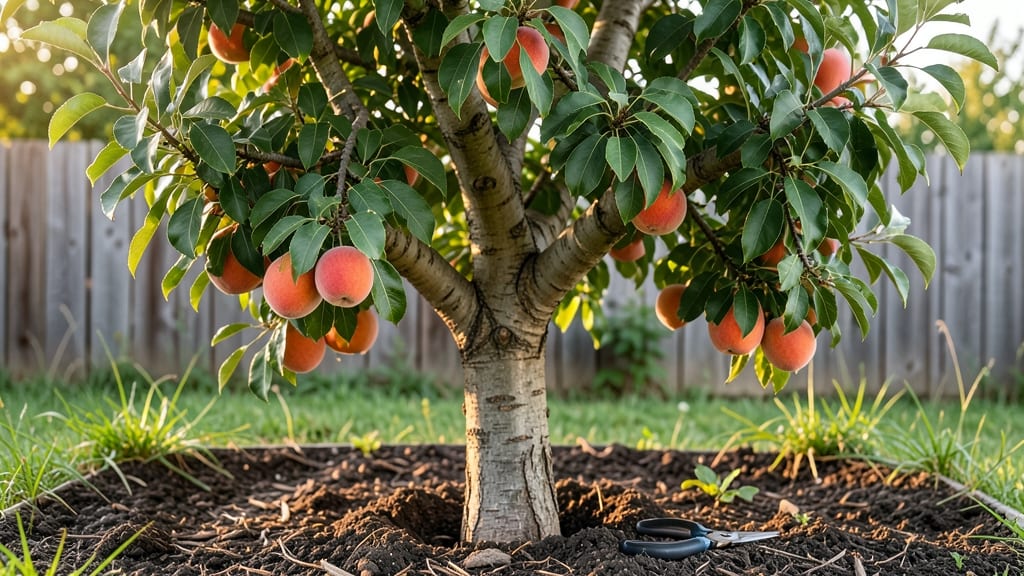
Growing the Flaming Fury peach tree in tight spaces finally gave me the juicy harvest I always wanted—without needing an orchard. This dwarf variety packs all the sweet, fiery flavor of full-sized peaches into a compact package, perfect for backyards, patios, or even large containers.
The first time I tasted a ripe fruit straight off my 8-foot-tall tree, I knew I’d never go back to store-bought again.
Here’s the secret: Flaming Fury thrives with just 6 hours of sunlight daily, making it ideal for smaller yards or urban gardens. It’s not fussy about soil—just well-draining and slightly acidic—but consistent watering (about 1 inch per week) keeps the tree happy without overcomplicating things.
Pruning in late winter shapes the tree and boosts fruit production, while a light layer of mulch keeps roots cool and moist.
By summer, you’ll be harvesting bright orange, freestone peaches with a flavor so intense it’s almost spicy. The tree’s compact size means fewer branches to manage, and its disease resistance cuts down on spraying.
With the right care, this little tree delivers a dozen-plus peaches annually—enough for pies, fresh eating, or sharing with neighbors who’ll envy your tiny orchard.
Whether you’re a first-time fruit grower or a space-challenged gardener, this variety proves big rewards don’t require big yards. Let’s get your Flaming Fury planted and fruiting in no time—your taste buds will thank you.
📚 In This Guide
- What you need
- Instructions
- Tips and common mistakes
- Wrapping up and next steps
What you need
- ● Dwarf Flaming Fury Peach Tree: 1 (ensure it’s disease-resistant and suited for your climate zone)
- ● Pruning Shears: 1 pair (bypass-style, sharp, and sterilized with rubbing alcohol)
- ● Gloves: 1 pair (thick, cut-resistant for protection)
- ● Pruning Saw: 1 (for thicker branches, 8-inch blade)
- ● Disinfectant: 1 bottle (70% isopropyl alcohol or diluted bleach for tools)
- ○ Sealant (Pruning Paint): 1 small bottle (optional but recommended for large cuts)
- ● Garden Hose or Water Spray Bottle: 1 (for post-pruning hydration)
- ● Trash Bags: 2-3 (for removing pruned branches)
- ● Stake & Twine: 1 set (if your tree needs support)
- ● Loppers: 1 pair (for medium-sized branches)
- ● Hand Pruners (for detail work): 1 pair (anvil-style for precision)
- ● Tree Ties: 1 roll (if staking isn’t enough)
- ● Mulch: 1 bag (organic, like shredded bark, for moisture retention)
- ● Fertilizer (Balanced 10-10-10): 1 small bag (for post-pruning nourishment)
- ● Plant-Based Fungicide: 1 spray bottle (preventative care)
Step-by-step guide to planting and caring for a Flaming Fury dwarf peach tree
Here's how to establish a thriving dwarf peach tree in limited space with expert precision.
🪴 Step 1: Select and Prepare the Planting Site
Choose a location with at least 6 hours of direct sunlight daily—Flaming Fury thrives with full sun exposure. The tree's dwarf rootstock allows it to grow in containers as small as 15-gallon pots, but for in-ground planting, select a spot with well-draining soil and space for the mature spread of 6-8 feet. Avoid low-lying areas where cold air settles, as peaches are frost-sensitive.
Test your soil's pH—dwarf peach trees prefer a range of 6.0-7.0. If your soil is too acidic, amend it with 1-2 pounds of agricultural lime per 100 square feet and mix it into the top 12 inches of soil. Work the amended soil until it reaches a fine, crumbly texture, free of large clumps that could restrict root growth.
🌱 Step 2: Plant at the Correct Depth and Stake for Support
Dig a hole twice as wide as the root ball but no deeper than 12 inches. The tree's graft union should sit 2-3 inches above the final soil level—this prevents root rot while allowing the tree to establish properly. Gently remove the tree from its container and loosen any circling roots with your fingers to encourage outward growth.
Place the tree in the hole and backfill with native soil, tamping lightly every 2 inches to eliminate air pockets. Install a 4-5 foot tall stake on the side opposite the prevailing wind and secure the tree with a soft tree tie, leaving room for the trunk to thicken. Water deeply immediately after planting to settle the soil and eliminate air gaps around the roots.
☀️ Step 3: Establish a Watering and Fertilizing Routine
Water the tree 2-3 times per week during the first growing season, providing 1-2 gallons per watering to encourage deep root establishment. You'll know the roots are spreading when the tree shows new leaf growth within 4-6 weeks. After the first season, reduce watering to once per week during dry spells, allowing the soil to dry slightly between waterings to prevent fungal diseases.
Apply a balanced 10-10-10 fertilizer at ¼ pound per tree in early spring before bud break, and again after harvest. For container-grown trees, use a slow-release granular fertilizer mixed into the potting soil at planting, then supplement with liquid fertilizer every 4-6 weeks during the growing season. Avoid high-nitrogen fertilizers, which promote leafy growth at the expense of fruit production.
✂️ Step 4: Prune for Shape and Fruit Production
Prune in late winter or early spring before buds swell, removing any dead, diseased, or crossing branches. Open the center of the tree to improve airflow and sunlight penetration, which reduces disease risk and improves fruit quality. For dwarf varieties, aim to maintain a rounded canopy with branches spaced 12-18 inches apart to prevent overcrowding.
Thin fruit in late spring when peaches reach 1 inch in diameter, leaving 6-8 inches between remaining fruits. This ensures larger, higher-quality peaches and reduces stress on the tree. Remove any suckers that grow below the graft union—these compete with the main tree for nutrients and can lead to a loss of dwarf characteristics over time.
⏰ Step 5: Protect and Harvest at Peak Ripeness
Monitor for peach tree borers and aphids—common pests that weaken dwarf trees. Apply neem oil spray preventatively in early summer, or use insecticidal soap for localized infestations. Thin bark can also attract sunscald, so wrap the trunk with tree wrap during the first growing season to protect it from harsh afternoon sun.
Harvest Flaming Fury peaches when they easily separate from the tree with slight pressure and have developed their characteristic deep red blush. Pick in the early morning when temperatures are cool to preserve fruit quality. Store harvested peaches at 32-34°F and 90-95% humidity for up to 2 weeks, or enjoy them fresh within 3-5 days of picking for peak flavor.
Tips & tricks for perfect Flaming Fury dwarf peach tree care
Small-space gardening doesn't mean sacrificing fruit quality—these insights will help your Flaming Fury thrive in limited room.
Sunlight Optimization: While the instructions specify 6 hours of direct sunlight daily, I've found that positioning your tree near a south-facing window or using reflective surfaces (like white walls) can extend effective sunlight exposure. For container growers, rotate pots every 2-3 weeks to ensure even growth—this prevents lopsided development that often occurs when one side gets more sun. The dwarf variety's compact size makes it ideal for balconies, but don't skimp on light exposure.
Soil Preparation Secret: The recommended soil pH range of 6.0-7.0 is crucial, but I've noticed that adding composted leaf mold to your amended soil creates an even more favorable root environment. This organic matter improves moisture retention while maintaining drainage—a perfect balance for peach trees. Work it into the top 12 inches of soil along with the agricultural lime, but avoid overworking the soil which can damage fine root structures.
Watering Precision: During the first growing season, those 2-3 waterings per week should be done at the same time each day—early morning is best. I've found that using a drip irrigation system or soaker hose delivers water directly to the root zone without wetting foliage, which helps prevent fungal diseases. For container trees, check soil moisture by sticking your finger 2 inches deep—if it's dry, water thoroughly until it runs out the drainage holes.
Fertilizer Timing: The ¼ pound of 10-10-10 fertilizer application timing is critical, but I've learned that splitting this into two applications—half in early spring and half immediately after harvest—yields better results. For container trees, the slow-release granular fertilizer mixed at planting provides steady nutrition, but I supplement with fish emulsion every 8 weeks during peak growing months for that extra boost without overloading the system.
Pro Tips for Flaming Fury Peach Tree
- Small-space gardening doesn't mean sacrificing fruit quality—these insights will help your Flaming Fury thrive in lim...
- Sunlight Optimization: While the instructions specify 6 hours of direct sunlight daily, I've found that positioning y...
- Soil Preparation Secret: The recommended soil pH range of 6.0-7.0 is crucial, but I've noticed that adding composted ...
Frequently asked questions
Got questions about growing the Flaming Fury peach tree?
You’re not alone! Here are answers to the most common queries about this fiery dwarf variety—whether you're troubleshooting, planning, or just curious.
How fast does the Flaming Fury peach tree grow?
The Flaming Fury is a dwarf variety, so it grows at a moderate pace—expect about 12-24 inches per year under ideal conditions. With proper care, it can reach 6-10 feet tall in 3-5 years, making it perfect for small yards, containers, or even urban gardens. Prune regularly to control height and encourage fruit production!
When should I prune my Flaming Fury peach tree for the best harvest?
Prune your Flaming Fury in late winter or early spring (before buds swell) to shape the tree and remove dead wood. Summer pruning (after harvest) can help manage size and improve airflow. Never prune in fall—it can stimulate new growth that’s vulnerable to frost. Light, strategic cuts keep the tree healthy and productive!
Is the Flaming Fury peach tree cold-hardy? Can it survive winter?
This variety is moderately cold-hardy (USDA Zones 5-9), but young trees or extreme winters may need protection. Mulch the base with straw or wood chips, wrap the trunk with burlap, or use a frost blanket. If you’re in Zone 5, plant it in a south-facing spot for extra warmth. Avoid pruning too late—wait until spring to assess frost damage.
Why aren’t my Flaming Fury peaches ripening? Troubleshooting tips.
If your peaches stay small or fail to ripen, check these common issues:
- Insufficient sunlight: Dwarf trees need 6+ hours of sun daily. Relocate if shaded.
- Overwatering: Peaches hate soggy roots. Water deeply 1-2x per week (adjust for rain).
- Nutrient deficiency: Yellow leaves? Add citrus or peach-specific fertilizer in early spring.
- Late frost: Protect blossoms with frost cloth if frost is forecasted during bloom.
If the problem persists, test soil pH (ideal: 6.0-6.5) and adjust with lime or sulfur.
Can I grow Flaming Fury peaches in a container? What’s the best pot size?
Dwarf varieties thrive in containers. Use a 15-20 gallon pot with drainage holes and well-draining soil (mix potting soil with perlite or sand). Place the pot in full sun and move it indoors if temps drop below 20°F. Fertilize monthly during growing season and repot every 2-3 years to refresh nutrients.
Are Flaming Fury peaches good for cooking? How do they compare to freestone varieties?
Yes! These peaches are juicy, sweet, and slightly tart—perfect for grilling, baking, or making jams. They’re clingstone, so they’re great for cobblers or canning (pit removal is easier than freestones). For fresh eating, try them firm but ripe (they soften quickly after picking). Store unripe peaches at room temp to ripen.
Wrapping up and next steps
Growing a Flaming Fury peach tree in small spaces is totally doable with the right pruning techniques and care! This dwarf variety packs a punch with its vibrant fruit and compact size, making it perfect for balconies, patios, or even containers.
By mastering pruning, you’ll ensure a healthy, productive tree that rewards you with delicious peaches year after year.
Ready to dive in? Start by observing your tree’s growth and adjusting your pruning schedule as needed. With patience and practice, you’ll turn your tiny space into a peach paradise! 🌱✨
- Next step: Mark your calendar for the next pruning session—consistency is key!