
Pruning
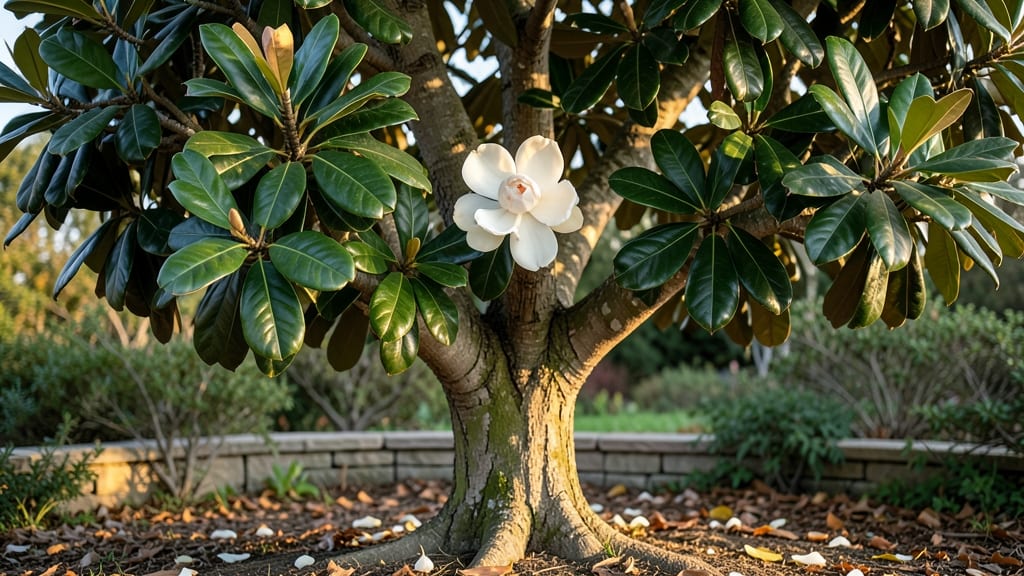
The fragrant magnolia tree transforms your garden into a living perfume factory—its creamy blooms smell like spring in every season. 🌸 I planted mine near the patio, and now every evening walk feels like strolling through a Southern conservatory.
The key to keeping those blooms coming? Strategic pruning that balances beauty and fragrance without sacrificing the tree's natural charm.
Most people assume magnolias bloom just once a year, but with the right cuts, you can coax two seasons of flowers—spring's showstopper display and a lighter late-summer repeat.
The trick is pruning right after the first flush of blooms fades, shaping the canopy to open up fragrance pathways while maintaining that iconic, rounded silhouette. Even small spaces benefit: dwarf varieties like 'Little Gem' pack all that scent into a 15-foot frame.
Picture this: morning sunlight catching the petals, their honeyed aroma drifting toward your breakfast table, and the way they pair with purple hydrangeas or silver-leaved ornamental grasses to create a fragrant living tapestry.
The blooms attract hummingbirds while keeping deer and rabbits at bay—nature's built-in security system. You'll notice neighbors lingering longer on your porch, too, drawn by that intoxicating scent.
Works in full sun or partial shade, from coastal climates to inland gardens—just avoid heavy frost zones where winter dieback could damage the blooms.
The pruning itself takes under an hour once you get the rhythm, and the payoff is a garden that smells like a memory you can't quite place, but always want to revisit.
📚 In This Guide
- What you need
- Instructions
- Tips and common mistakes
- Wrapping up and next steps
What you need
- ● Pruning shears: Bypass pruners (sharp, 4- to 6-inch blades) for clean cuts on small branches.
- ● Loppers: 8- to 10-inch handles for thicker branches (up to 2 inches in diameter).
- ○ Pruning saw: Curved-tooth saw for branches over 2 inches thick (optional but handy for mature trees).
- ● Gloves: Heavy-duty, gardening or cut-resistant to protect hands from thorns and sap.
- ● Disinfectant: 70% isopropyl alcohol or bleach solution (1 part bleach to 9 parts water) to sterilize tools between cuts.
- ○ Pruning sealant: Tree wound paint or pruning paste (optional, for large cuts over ½ inch in diameter).
- ● Ladder or step stool: Sturdy and tall enough to safely reach higher branches.
- ● Trash bags or bucket: For collecting pruned branches and debris.
- ● Timing: Prune after blooming season (late spring to early summer for most magnolia varieties) to avoid cutting off next year’s flowers.
- ● Weather: Choose a dry, overcast day to prevent stress on the tree.
- ● Safety gear: Safety glasses (recommended) to protect eyes from debris.
- ● Tree health check: Inspect the tree for diseased or dead branches before starting (remove these first!).
- ○ Optional but helpful: Extension pole for pruners (for tall trees).
- ● Notebook and pen to track pruning notes (e.g., branch locations, growth patterns).
- ● Mulch (to replenish soil after pruning).
How to prune a fragrant magnolia for continuous spring blooms
Your magnolia’s perfume-filled blooms depend on precise timing and technique—here’s how to shape it without sacrificing flowers.
✂️ Step 1: Time Pruning for Late Winter Dormancy
Prune your fragrant magnolia after the last frost date but before buds swell—typically mid-to-late February in most climates. This timing ensures you remove dead wood while preserving next year’s flower buds, which form on old wood during the previous growing season. I always check the buds first: if they’re still tightly closed and the tree is dormant, it’s safe to prune.
Use clean, sharp pruning shears to make cuts at a 45-degree angle, just outside the branch collar where it meets the trunk. Avoid cutting flush with the trunk—this creates wounds that take years to heal. For larger branches over ½ inch thick, use loppers and seal cuts with pruning sealant to prevent disease entry.
🌿 Step 2: Remove Dead, Diseased, or Crossing Branches First
Start by eliminating dead or diseased branches—these are easy to spot as they’re brown, brittle, or lack leaves. Next, remove any branches that rub against each other or grow inward, as these create weak points and compete for energy. I like to step back and visualize the tree’s natural shape; the goal is to open the canopy to improve airflow and sunlight penetration to the lower branches.
Never remove more than 25% of the tree’s foliage in one season. Fragrant magnolias are sensitive to heavy pruning, and over-pruning can stress the tree, reducing bloom production. If you’re unsure, err on the side of caution—you can always prune more lightly next year.
☀️ Step 3: Thin Out Selective Branches for Sunlight Access
Selectively thin branches to allow sunlight to reach the interior of the tree. Focus on removing suckers (vigorous shoots at the base) and water sprouts (fast-growing vertical shoots). These compete with the main branches for nutrients and weaken the tree’s structure. Aim to create an open, vase-like shape—this encourages stronger growth and better flower display.
For mature trees, prioritize branches that block light from lower limbs. Use a pruning saw for thicker branches and make cuts just outside the branch collar. Step back frequently to assess balance—your goal is to maintain the tree’s natural form while improving its health and flowering potential.
⏰ Step 4: Post-Pruning Care for Rapid Recovery
After pruning, water deeply to help the tree recover, especially if the weather is dry. Apply a 2-3 inch layer of mulch around the base (but not touching the trunk) to retain moisture and regulate soil temperature. This is also the perfect time to fertilize lightly with a balanced, slow-release fertilizer to support new growth.
Monitor the tree closely for the first 4-6 weeks after pruning. Look for signs of stress like yellowing leaves or wilting branches—these can indicate over-pruning or disease. If you notice any issues, adjust your care routine by reducing water slightly and ensuring the tree gets at least 6 hours of sunlight daily. With proper care, your magnolia will reward you with abundant, fragrant blooms the following spring.
Tips & tricks for pruning a fragrant magnolia
These essential insights will help you prune with confidence and keep your magnolia blooming beautifully year after year.
Timing is Everything: The mid-to-late February window is critical because it aligns with the tree's natural dormancy period. If you prune too early, you risk exposing fresh cuts to late frosts, while pruning too late can stimulate new growth that won't harden off before winter. I've seen magnolias stressed after winter pruning because the buds were already swelling—always check those buds first for that tightly closed signal.
Precision Cutting Technique: That 45-degree angle isn't just aesthetic—it directs water runoff away from the wound while maintaining the branch collar's protective barrier. For branches over ½ inch thick, use loppers and make your cut just outside the branch collar where it meets the trunk. I've made the mistake of cutting too close to the trunk, which creates those ugly, slow-to-heal wounds that invite disease. A sharp tool makes clean cuts that heal faster and look better.
Visualization Matters: Step back frequently during pruning to assess the tree's natural shape. You're not just removing branches—you're sculpting the tree's future. Look for that open, vase-like shape that allows sunlight to penetrate to the lower limbs. I like to imagine light streaming through the canopy like sunlight filtering through a stained glass window. This isn't just about aesthetics; it's about creating an environment where all parts of the tree can thrive and produce those fragrant blooms.
Post-Pruning Recovery: That 2-3 inch layer of mulch serves multiple purposes—it retains moisture, regulates soil temperature, and prevents weed competition. But here's what nobody tells you: the mulch should never touch the trunk. I've seen many gardeners make this mistake, leading to rot and disease. Also, during those first 4-6 weeks, keep an eye out for yellowing leaves or wilting branches—they're the tree's way of saying "I'm stressed." Reduce water slightly if you see these signs, and make sure it gets at least that 6 hours of sunlight daily to recover properly.
Pro Tips for Fragrant Magnolia Tree
- These essential insights will help you prune with confidence and keep your magnolia blooming beautifully year after year.
- Timing is Everything: The mid-to-late February window is critical because it aligns with the tree's natural dormancy period.
- Precision Cutting Technique: That 45-degree angle isn't just aesthetic—it directs water runoff away from the wound while maintaining the branch collar's protective barrier.
Frequently asked questions
Got questions about nurturing your fragrant magnolia tree?
Here are answers to common concerns—from pruning tips to seasonal care—so you can keep those intoxicating blooms thriving all year!
When is the best time to prune a fragrant magnolia tree?
The ideal time is late winter or early spring (before buds swell) or right after blooming. Avoid pruning in fall or winter when the tree is dormant—this can stress it. For container-grown magnolias, prune lightly after flowering to maintain shape.
How much can I trim back my magnolia tree without harming it?
Never remove more than 25-30% of the canopy in a single pruning session. Focus on dead, crossing, or overcrowded branches first. For fragrant varieties, avoid heavy pruning—their blooms form on old wood, so aggressive cuts may reduce flowers next season.
Why isn’t my fragrant magnolia blooming as much as it used to?
Common culprits include:
- Over-pruning (especially in late summer/fall).
- Poor sunlight—magnolias need 6+ hours of sun daily.
- Nutrient deficiency (test soil pH; aim for 5.0–6.0).
- Age—young trees (under 5 years) may not bloom heavily.
Try a balanced fertilizer in early spring and avoid heavy pruning for 1–2 years.
Can I prune a fragrant magnolia in hot or cold weather?
Avoid pruning during heatwaves (above 90°F) or freezing temps (below 32°F). Stress from extreme conditions can slow healing and invite disease. If you must prune in summer, do it early morning or late evening to reduce sun stress on fresh cuts.
What’s a good alternative if my magnolia tree isn’t thriving?
If your fragrant magnolia struggles with pests, disease, or slow growth, consider these low-maintenance, fragrant alternatives:
- Southern Magnolia (Magnolia grandiflora) – Larger leaves, evergreen, and drought-tolerant.
- Crapemyrtle (Lagerstroemia) – Vibrant blooms, adaptable to poor soil.
- Fringe Tree (Chionanthus) – Fragrant white flowers, thrives in partial shade.
- Dwarf Gardenia (Gardenia jasminoides) – Compact, highly fragrant, and shade-tolerant.
Choose based on your climate zone and sunlight conditions!
Wrapping up and next steps
Transforming your fragrant magnolia tree into a year-round beauty is simpler than you think! With the right tools, timing, and techniques—like strategic pruning to encourage blooms and maintain health—you’ll enjoy its intoxicating scent and stunning flowers for seasons to come. 🌸✨
Now that you’re armed with knowledge, take action! Grab your pruners, schedule that first trim, and watch your magnolia thrive. Ready to make your garden the talk of the neighborhood? Start pruning today—your fragrant future awaits!