
Pruning
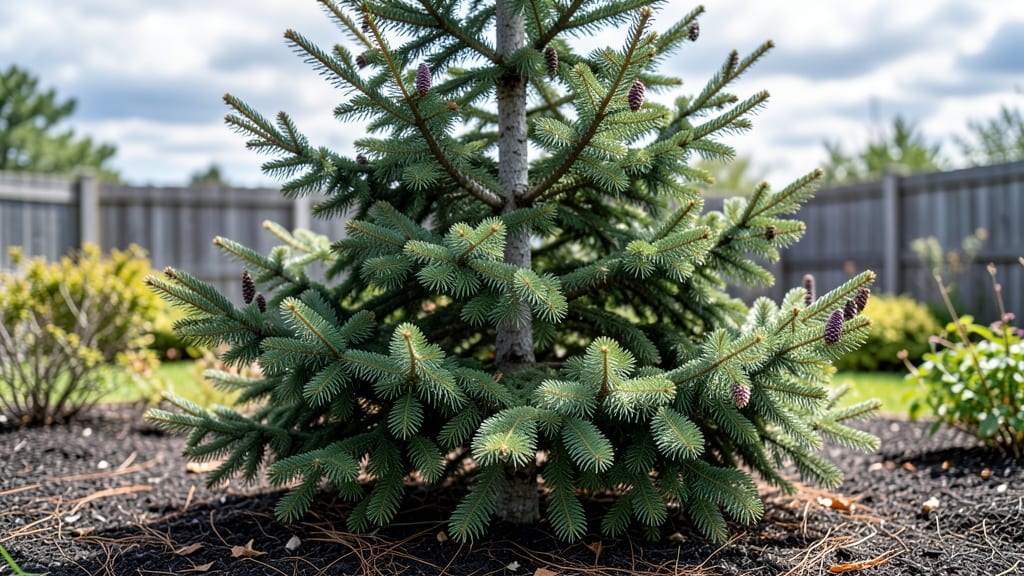
Mastering Fraser fir tree care means your evergreen stays lush and fragrant for decades—not just a few weeks as a holiday centerpiece. 🌲 I’ve learned the hard way that these trees need more than just water and sunshine to thrive; they demand seasonal attention to keep their signature dark green needles and sturdy form.
The secret lies in pruning at the right time—late winter or early spring—when new growth begins but before pests wake up. Most people skip this step, and their trees end up leggy or crowded with dead branches.
With just a few strategic cuts, you’ll encourage dense, vibrant growth that looks stunning year-round, not just around Christmas.
You’ll end up with a tree that smells like a forest after rain, resists disease, and even produces those signature pine-scented cones. The best part? A well-maintained Fraser fir can live for 50+ years, making it a true investment in your landscape.
Whether you’re growing one as an ornamental or saving it for holiday cheer, these techniques work for both. Let’s get your tree looking its best—no green thumb required.
📚 In This Guide
- What you need
- Instructions
- Tips and common mistakes
- Wrapping up and next steps
What you need
- ● Bypass pruning shears: Sharp, clean pair (5–7" blades) for small branches (¼" thick).
- ● Loppers: 8–10" bypass loppers for branches ½"–1½" thick.
- ● Pruning saw: Curved-tooth saw for branches 1½"–3" thick (avoid bolt-cutters—they crush wood!).
- ● Ladder: Sturdy, extendable ladder (12–16 ft) with non-slip feet for tall trees.
- ● Disposable gloves: Heavy-duty, cut-resistant gloves (e.g., Mechanix or Filson).
- ● Rubbing alcohol (70%+) or bleach solution: 1 part bleach to 9 parts water for sterilizing tools.
- ○ Tree wound dressing (optional but recommended): Pruning sealant (e.g., Tanglefoot Tree Wound Pruning Seal) for cuts > ½".
- ● Bucket or tarp: For collecting debris (10–15 gallon capacity).
- ● Extension pole pruner: For high branches (12–20 ft reach).
- ● Handheld leaf blower: To clear fine debris post-prune.
- ● Tree growth regulator: (e.g., Bonide Fungicide) for pest/ disease prevention.
- ● Measuring tape: For tracking branch length (10–25 ft tape).
- ● First-aid kit: Just in case (bandages, antiseptic wipes).
Step-by-Step guide to pruning and maintaining Fraser fir trees
Here's how I keep my Fraser firs lush and healthy—season by season.
✂️ Step 1: Spring Cleanup and Light Pruning
Start in early spring, just as new growth begins. Remove any dead, broken, or diseased branches first—they’ll only weigh down your tree and attract pests. I use clean, sharp pruning shears to make cuts just outside the branch collar (the swollen area where the branch meets the trunk). This prevents unsightly stubs and encourages faster healing.
Next, thin out crowded branches to improve airflow. Fraser firs can get dense, and too much shade inside the tree invites fungal issues. Look for branches growing inward or crossing others—these are prime candidates for removal. Aim to open up the tree’s canopy by about 20-30% while keeping the natural shape intact.
Water deeply after pruning to help the tree recover. I like to give my firs 1-2 gallons of water depending on their size, and I always check the soil first—it should feel moist 6 inches down. Mulch with 2-3 inches of organic mulch around the base (but not touching the trunk) to retain moisture and regulate soil temperature.
☀️ Step 2: Summer Maintenance and Pest Prevention
During the growing season, focus on monitoring rather than heavy pruning. Fraser firs grow slowly, so avoid over-trimming—they’re more resilient when left mostly alone. I inspect my trees every 2-3 weeks for signs of stress, like yellowing needles or spider mites (tiny webs between branches).
If you spot pests, act fast. A strong spray of water can knock off spider mites, and neem oil (applied in the evening) works wonders for fungal issues. I avoid chemical sprays—they can harm the tree’s delicate needles. Instead, I opt for organic solutions and always prune affected areas immediately to stop the spread.
This is also the time to check for overgrowth. If any branches are rubbing together, trim them back to prevent damage. Keep cuts clean and smooth—ragged edges can invite disease. And here’s a pro tip: prune on a cloudy day. The tree’s stress response is lower, and you won’t risk sunburn on fresh cuts.
🌿 Step 3: Fall Preparation for Winter Resilience
As temperatures drop, shift your focus to winter prep. Begin by removing any remaining dead or weak branches—these won’t survive the cold and can become entry points for pests. I also thin the lower branches slightly to reduce snow load. Fraser firs can handle snow, but heavy accumulation on dense branches can break them.
Apply a slow-release fertilizer in early fall to give your tree a nutrient boost before dormancy. I use a balanced, organic fertilizer with equal parts nitrogen, phosphorus, and potassium. Water it in well so the roots absorb it before the ground freezes. This helps the tree store energy for spring growth.
Finally, check the soil moisture. Fraser firs need consistent moisture, even in winter. If the ground is dry 4 inches down, water deeply before the first hard freeze. A 10-15 gallon soak for mature trees ensures they stay hydrated through the cold months. Mulch again with 2-3 inches of fresh organic mulch to insulate the roots.
⏰ Step 4: Winter Inspection and Adjustments
Winter isn’t the time for heavy pruning, but it’s perfect for inspections. Bundle up and check your trees every 4-6 weeks for snow damage or broken branches. Remove any debris or dead branches immediately—they can harbor pests or diseases that will spread in spring.
If you notice browning needles, don’t panic. Fraser firs often lose some needles in winter, especially in dry or windy conditions. However, if large sections of the tree are affected, it might need extra protection. I’ve wrapped young trees in burlap during harsh winters to shield them from drying winds.
This is also the time to plan your spring pruning. Take notes on any branches that need attention—mark them with twine or flags if they’re hard to spot. By the time spring rolls around, you’ll be ready to act quickly and keep your Fraser firs thriving for years.
Tips & tricks for perfect Fraser fir tree care
Keeping your Fraser firs healthy year-round takes a few key strategies that make all the difference. Here's what I've learned from years of hands-on experience.
Pruning Precision: When you're thinning branches in Step 1, focus on removing no more than 20-30% of the canopy to maintain the tree's natural shape. I use a simple trick: hold your hand at arm's length and estimate coverage—if you can see light through the branches, you're on the right track. This balance prevents over-pruning while still improving airflow. Remember, Fraser firs grow slowly, so less is often more.
Seasonal Timing Matters: In Step 3, when preparing for winter, I always check soil moisture 4 inches down before watering—this is deeper than most people check. The 10-15 gallon soak for mature trees might seem like a lot, but it's crucial for winter resilience. I've seen trees suffer from winter browning because they weren't properly hydrated before dormancy. This deep watering helps the roots store moisture for months ahead.
Pest Prevention: The 2-3 week inspection schedule in Step 2 is non-negotiable during growing season. I've caught spider mite infestations early by keeping this routine, and the difference between a few weeks of monitoring and a full-blown outbreak is dramatic. When using neem oil, I apply it in the evening when bees are less active—this protects beneficial insects while still treating the tree.
Winter Protection: For young trees in harsh winters, I've found that wrapping with burlap (mentioned in Step 4) works better than plastic—it allows some air circulation while still providing wind protection. I also mark branches that need attention with colored twine during winter inspections, so I don't forget what needs pruning in spring. This simple system has saved me countless hours of confusion when spring rolls around.
Pro Tips for Fraser Fir Tree Care
- Keeping your Fraser firs healthy year-round takes a few key strategies that make all the difference.
- Pruning Precision: When you're thinning branches in Step 1, focus on removing no more than 20-30% of the canopy to maintain the tree's natural shape.
- Seasonal Timing Matters: In Step 3, when preparing for winter, I always check soil moisture 4 inches down before watering—this is deeper than most people check.
Frequently asked questions
Got questions about keeping your Fraser fir tree thriving?
Here are answers to the most common concerns—from seasonal care to troubleshooting—so you can enjoy a lush, healthy tree year-round.
When is the best time to trim a Fraser fir tree?
Prune your Fraser fir in late winter or early spring (February–March) before new growth begins. Avoid trimming in fall or winter, as this can stress the tree or leave it vulnerable to pests. Light shaping can also be done in summer if needed, but avoid heavy cuts during hot months.
How much can I trim off without harming the tree?
Never remove more than 25% of the tree’s foliage in a single season. Fraser firs are sensitive to over-pruning, which can weaken growth or invite disease. Focus on selective trimming—remove dead branches, crossovers, or overcrowded growth—rather than aggressive shaping.
Why are my Fraser fir needles turning brown?
Brown needles often signal drought stress, pests (like spider mites), or fungal issues. Check for dry soil first—water deeply if the top 2 inches are dry. If pests are suspected, spray with neem oil or insecticidal soap. For fungal problems, prune affected branches and apply fungicide.
Can I use a Fraser fir as a Christmas tree after trimming it?
Yes! If you’ve trimmed your Fraser fir for health or shape, it can still make a fantastic Christmas tree—just avoid over-pruning before cutting it down. For the best holiday tree, choose a well-maintained, pest-free specimen and cut it fresh in December.
What’s a good alternative if my Fraser fir isn’t thriving?
If your Fraser fir struggles with disease, pests, or poor growth, consider these hardy alternatives:
- Balsam fir – More cold-tolerant and pest-resistant.
- Douglas fir – Faster-growing with a similar shape.
- Nordmann fir – Needle retention is excellent for holiday use.
Wrapping up and next steps
With the right knowledge and a little effort, keeping your Fraser fir healthy year-round is totally within reach! 🌲 From seasonal trimming to watering and pest control, these steps ensure your tree stays vibrant and resilient. Now that you’re equipped with the essentials, why not take the next step?
💡 Pro Tip: Grab your pruners and inspect your tree this weekend—early care sets the stage for a stunning holiday display (or a lush evergreen year-round!). Happy trimming! 🎄✨