
Trees
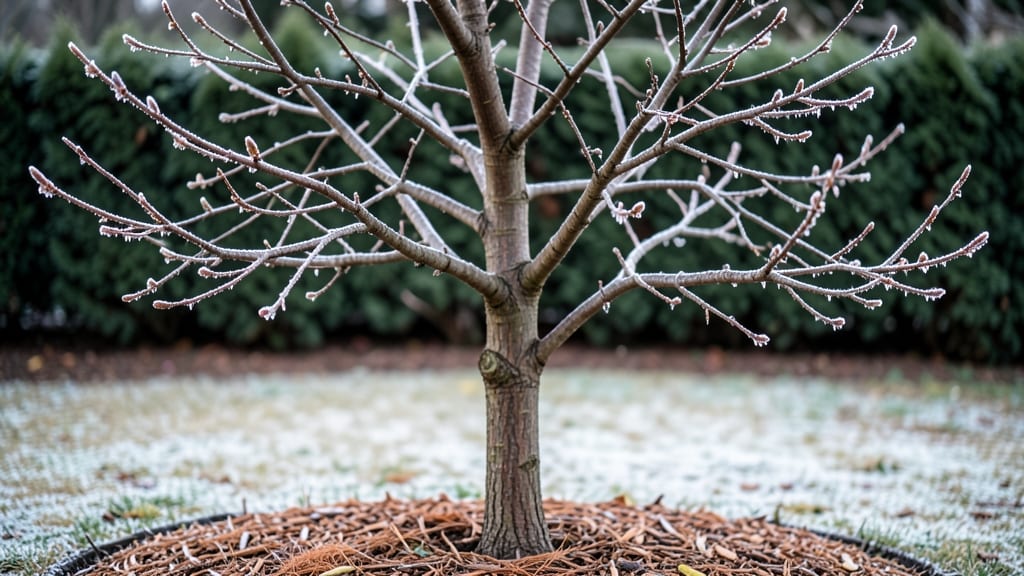
Growing a frost peach tree that thrives through winter isn’t just possible—it’s my secret to year-round abundance in zones where peaches usually freeze out. 🌱 These cold-hardy varieties like 'Reliance' or 'Contender' survive down to 10°F, but they need a few key adjustments to bloom late and bear fruit reliably.
The difference between a tree that gives up and one that delivers sweet peaches in July? Pruning at the right time, protecting blossoms from late frosts, and choosing the right rootstock.
Most gardeners fail because they treat frost peaches like regular peaches—planting too early, pruning at the wrong season, or ignoring microclimates.
I learned the hard way when my first tree lost blossoms to a March freeze, but now I use three pruning tricks to delay blooming, thicken branches, and protect vulnerable buds. These methods work even in Zone 5, where traditional peaches rarely survive. The payoff?
Trees that fruit 2-3 weeks later than standard varieties, avoiding late frosts entirely.
By late summer, you’ll see the results: branches heavy with firm, juicy peaches that ripen when the air stays warm enough to protect them. The trees stay productive for decades, and with proper care, you’ll harvest 50-100 pounds per tree—enough to share with neighbors or can for winter.
The key is acting now, before the first frost hits, to set your tree up for success.
Whether you’re in a cold climate or just want a peach tree that doesn’t give up at the first chill, these strategies adapt to any yard. The same principles work for dwarf varieties in containers or full-sized trees in the ground. Let’s get your tree ready for a frost-free harvest.
📚 In This Guide
- What you need
- Instructions
- Tips and common mistakes
- Wrapping up and next steps
What you need
- ● Pruning shears: Bypass pruners (sharp, 6–8 inch blades) – 1 pair (for small branches).
- ● Pruning saw: Curved-tooth saw (for thicker branches) – 1.
- ● Gloves: Heavy-duty, cut-resistant (e.g., leather or synthetic) – 1 pair.
- ● Disinfectant: 70% isopropyl alcohol or bleach solution (1 part bleach to 9 parts water) – small bottle.
- ○ Pruning sealant: Optional but helpful (e.g., tree wound paint) – small jar.
- ● Ladder: Sturdy, extendable (if tree is tall) – 1.
- ● Safety gear: Safety glasses, long sleeves/pants – as needed.
- ● Measuring tape: 25-foot tape (for assessing branch size) – 1.
- ● Notebook/pencil: To sketch pruning plan or mark branches – 1.
- ○ Garden hose: For post-pruning watering – optional.
- ○ Compost bin: To collect pruned branches for mulch – optional.
- ● Knowledge of frost peach tree anatomy (e.g., identifying water sprouts vs. fruit-bearing branches).
- ● Weather check: Prune on a dry, cloudy day (avoid frost or extreme heat).
- ● Tree health assessment: Ensure no signs of disease (e.g., cankers, fungal spots).
Step-by-Step guide to pruning a frost-hardy peach tree for maximum fruit
Here's how to shape your cold-resistant peach tree for a bountiful harvest—no fancy tools required.
✂️ Step 1: Time Your First Cut After Dormancy
Wait until late winter or very early spring when the tree is still dormant but the ground has thawed. You'll know it's time when the buds haven't yet swollen—this is critical to prevent disease entry points. Use sharp pruning shears to make clean cuts just outside the branch collar, the swollen area where the branch meets the trunk. This ensures faster healing and stronger regrowth.
Remove any dead, diseased, or crossing branches first. These are easy to spot—they'll be brown, brittle, or growing directly into another branch. I always start at the top and work my way down to avoid standing on ladders with heavy branches. Cut at a slight angle to prevent water from pooling on the wound.
☀️ Step 2: Open the Canopy for Sunlight and Airflow
Next, focus on thinning the tree's center to create an open vase shape. Your goal is to let sunlight reach the inner branches and improve air circulation—this is how you prevent fungal diseases that thrive in damp, shaded conditions. Remove any branches growing inward at less than a 45-degree angle to the trunk or those rubbing against others.
Look for "water sprouts"—those fast-growing vertical shoots that steal energy from fruit production. These should be cut back to their point of origin. You'll also want to shorten any branches that are too long, cutting them back to an outward-facing bud. This encourages new growth that will bear fruit rather than just leaves.
⏰ Step 3: Summer Pruning to Control Growth and Shape
About six weeks after your first pruning, do a light maintenance cut during dry weather. This is when you remove any suckers that appear at the base of the tree and any branches that are growing too vigorously. Summer pruning helps control the tree's size and directs energy toward fruit production rather than excessive leaf growth.
Pay special attention to any branches that have already fruited. Cut these back by about one-third to encourage new fruiting spurs. You'll see these as small, stubby branches with clusters of buds. These spurs are where next year's fruit will develop, so treat them carefully. Avoid heavy pruning in summer—just light shaping to maintain the tree's form.
🌱 Step 4: Final Adjustments Before Harvest Season
In late summer, do one final light pruning to remove any dead or diseased wood that may have appeared since your last cut. This keeps the tree healthy and prevents pests from moving in. Also, trim back any branches that are growing too close to the ground—they'll be in the way when you harvest and can harbor moisture.
Now's also the time to check for any branches that are bearing too much fruit. If a branch is sagging under the weight, cut back some of the fruit clusters to prevent limb breakage. You'll know you've done it right when the remaining fruit clusters are evenly spaced and the tree looks balanced. This final adjustment ensures your frost-hardy peach tree produces the best-quality fruit possible.
Tips & tricks for perfect frost-hardy peach tree pruning
Mastering these pruning techniques transforms your cold-resistant peach tree into a fruit-bearing powerhouse. Here's what I've learned after years of shaping my own orchard.
Branch Collar Precision: When making your first cuts in Step 1, resist the temptation to cut flush with the trunk. Instead, focus on the branch collar—the swollen area where the branch meets the trunk. Cutting just outside this collar prevents damage to the tree's natural healing tissue. I've seen too many trees develop cankers from improper cuts, so take your time here. The slight angle you cut at (about 45 degrees) is equally important—it prevents water from pooling on the wound, which could lead to rot.
Canopy Geometry: In Step 2, when creating that open vase shape, think of your tree's canopy like an umbrella. You want sunlight to reach every surface, not just the outer edges. Look for branches growing at less than a 45-degree angle inward—they're the ones stealing sunlight from inner branches. These are prime candidates for removal. I've noticed that trees with proper canopy geometry produce fruit that ripens more evenly, which is especially important for frost-hardy varieties that need consistent exposure.
Summer Pruning Strategy: The six-week timing in Step 3 is crucial for summer maintenance. This isn't just about removing suckers—it's about redirecting the tree's energy. When you cut back fruited branches by one-third, you're not just shaping the tree; you're encouraging the development of new fruiting spurs. These spurs are the future fruit producers, and they need room to develop properly. I've found that trees pruned according to this schedule develop stronger fruiting wood that can better withstand late spring frosts.
Seasonal Timing Secret: Your final adjustments in Step 4 should always happen during dry weather. This isn't just about comfort—it's about preventing disease spread. Wet conditions during pruning can introduce fungal spores to fresh wounds. I've made the mistake of pruning after rain and noticed more disease pressure the following season. Also, when thinning fruit clusters, aim for about 6-8 inches between clusters. This spacing prevents overcrowding, which leads to smaller fruit and increased pest pressure—both critical considerations for frost-hardy varieties that need every advantage.
Pro Tips for Frost Peach Tree
- Mastering these pruning techniques transforms your cold-resistant peach tree into a fruit-bearing powerhouse.
- Branch Collar Precision: When making your first cuts in Step 1, resist the temptation to cut flush with the trunk.
- Canopy Geometry: In Step 2, when creating that open vase shape, think of your tree's canopy like an umbrella.
Frequently asked questions
Got questions about growing and harvesting frost-resistant peach trees? You’re not alone! Here are answers to the most common queries to help you cultivate a thriving orchard—even in chilly climates.
How cold can frost peach trees tolerate before damage occurs?
Most frost-resistant peach varieties handle temperatures down to 10–15°F (-12 to -9°C), but prolonged exposure below 20°F (-7°C) can cause bud or branch dieback. Young trees are more vulnerable—mulch heavily and wrap trunks in burlap for extra protection during late winter freezes.
When is the best time to prune frost peach trees for maximum yield?
Prune in late winter or early spring (before buds swell) to avoid stimulating new growth that could freeze. Focus on removing dead, crossing, or overcrowded branches—this boosts air circulation and fruit production. For heavy pruning, split it into two sessions: first in dormant season, second after harvest.
Can I grow frost peach trees in containers? What’s the trick?
Yes! Use large pots (15+ gallons) with drainage holes and a well-draining mix (60% soil, 30% compost, 10% perlite). Move containers to a sunny spot during the day and shelter them at night when temps drop below 32°F (0°C). Dwarf varieties like ‘Reliance’ or ‘Contender’ thrive in containers.
My frost peach tree’s leaves are curling—what’s wrong?
Curling leaves often signal peach leaf curl (a fungal disease), common in damp springs. Treat with copper fungicide in late fall or early spring before buds swell. Improve airflow with pruning, and avoid overhead watering. If severe, remove infected leaves and sterilize pruning tools with rubbing alcohol.
Are there frost-resistant peach alternatives if my climate is extremely cold?
Consider these cold-hardy options:
- ‘Utopia’ or ‘Reliance’: Tolerate −20°F (−29°C) with proper care.
- Nectarines: Often hardier than peaches (e.g., ‘Stark Star’).
- Plums or Apriums: Hybrids like ‘Methley’ handle frost better.
- Dwarf varieties: Grow in microclimates (e.g., south-facing walls).
For Zone 3–4, try ‘Monticello’ or ‘Honey Babe’—they’re bred for resilience!
Wrapping up and next steps
Growing a frost-resistant peach tree isn’t just about patience—it’s about strategic care that rewards you with delicious fruit for years.
By mastering the three pruning tricks (early spring cuts, summer thinning, and winter cleanup), you’ll protect your tree from cold snaps while boosting productivity. Start small: even a single tree can feed your family and neighbors!
Ready to turn your yard into a peach paradise? Pick one trick to try this season—whether it’s shaping your tree in spring or safeguarding blooms in winter. 🌱 Grab your pruners and get growing!