
Planting
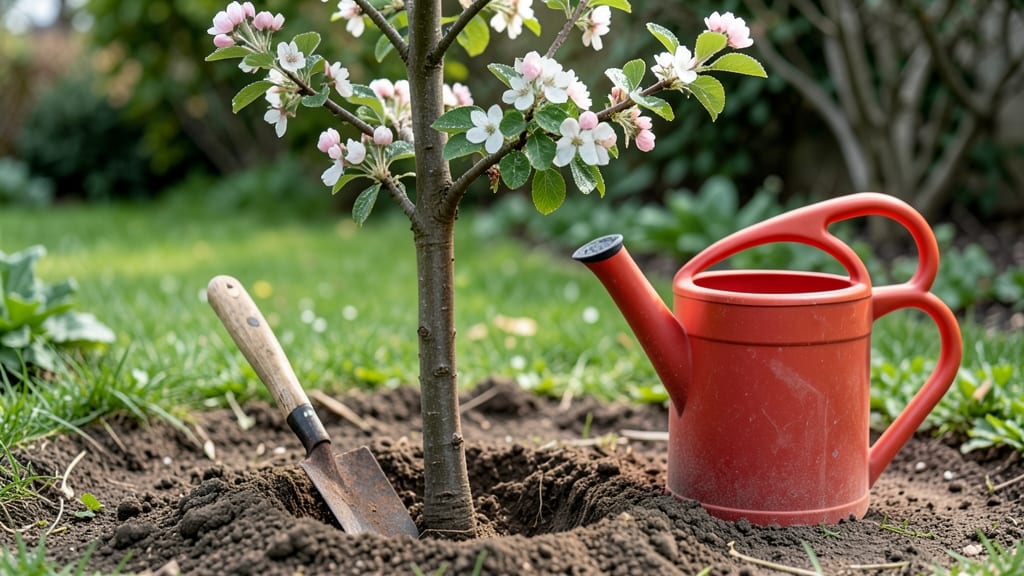
This fruit tree planting guide will show you how to choose the perfect soil and timing—lessons I learned when my first peach tree nearly drowned in heavy clay.
The secret isn’t just digging a hole; it’s about amending the earth, choosing the perfect variety for your climate, and giving the roots room to spread without competition. You’ll need basic tools, a well-drained site, and patience for the first few years while the tree establishes.
Most beginners rush the preparation, but taking 30 minutes to test your soil’s drainage and pH saves years of frustration. A simple soil test kit (available at garden centers) tells you whether to add compost or sand before planting.
I’ve seen trees planted in unamended soil struggle for years—don’t let that be yours. The right spot means full sun (6+ hours daily) and protection from strong winds that can stunt growth.
By harvest time, you’ll be picking juicy peaches, crisp apples, or sweet cherries—but only if you avoid these three mistakes: planting too deep (the graft union must stay above soil), overwatering (roots need air), and skipping mulch (which locks in moisture and blocks weeds).
The first fruit might take 2-3 years, but the payoff—homegrown flavor and shade—is worth every early-season check-in.
This guide works for apples, pears, plums, and citrus in any USDA zone, with adjustments for cold-hardy vs. tender varieties. Whether you’re planting a dwarf tree in a backyard or a full-size specimen in an orchard, the principles stay the same.
Let’s get those roots in the ground the right way.
📚 In This Guide
- What you need
- Instructions
- Tips and common mistakes
- Wrapping up and next steps
What you need
- ● Fruit tree sapling: Choose 1-2 healthy, disease-resistant trees (bare-root or potted). Check local climate suitability!
- ● High-quality soil: 2-3 cubic yards of well-draining, nutrient-rich soil (or compost mix if amending existing soil).
- ● Organic fertilizer: 5-10 lbs of balanced fertilizer (e.g., 10-10-10) or slow-release options like composted manure.
- ● Mulch: 2-3 inches of wood chips, straw, or pine needles to retain moisture and suppress weeds.
- ● Shovel or spade: 1 medium-sized digging tool (24-30 inches long).
- ● Garden trowel: 1 for precision planting.
- ● Pruning shears: 1 pair for trimming roots or shaping young trees.
- ● Measuring tape or ruler: To ensure proper planting depth (root flare should sit above soil level).
- ● Watering can or hose: With a gentle spray nozzle for post-planting hydration.
- ● Gloves: 1 pair to protect your hands from thorns or rough bark.
- ● Tree stake (1-2) + soft tie for young, top-heavy trees.
- ● Post-hole digger if planting in heavy clay or rocky soil.
- ● Soil pH tester to check acidity/alkalinity (ideal range: 6.0-7.0 for most fruit trees).
- ● Drip irrigation system for consistent watering.
- ● Tree guard or wire mesh to deter animals (especially in urban areas).
Step-by-Step instructions for planting fruit trees
Here’s how to plant fruit trees the right way—so they thrive for years.
🌱 Step 1: Choose the Right Spot and Prepare the Soil
Fruit trees need full sun—at least 6-8 hours daily—and well-draining soil. Avoid low spots where water pools after rain. Test your soil’s drainage by digging a 12-inch deep hole and filling it with water; if it drains within an hour, it’s good. If not, amend with compost or sand to improve airflow.
Loosen the soil in a 6-foot diameter area around the planting site with a shovel or tiller. This helps roots spread easily. If your soil is heavy clay, mix in 2-3 inches of organic matter like compost or leaf mold to improve texture. The goal is loose, crumbly soil that roots can penetrate without resistance.
🪴 Step 2: Dig the Hole and Plant at the Correct Depth
Dig a hole twice as wide as the tree’s root ball but no deeper. The top of the root ball should sit 1-2 inches above ground level—this prevents water from pooling around the trunk and causing rot. If the tree comes in a container, gently remove it and loosen any circling roots with your fingers.
Place the tree in the hole so the graft union (the bump near the base) is 2-3 inches above the soil line. This ensures the tree grows upright and the graft stays above ground. Backfill with the native soil, tamping lightly every 6 inches to remove air pockets. Avoid compacting too hard—roots need room to expand.
☀️ Step 3: Water Deeply and Mulch for Long-Term Health
Water the tree deeply right after planting—10-15 gallons for young trees—to settle the soil and encourage root growth. Keep the soil moist (but not soggy) for the first 2-3 weeks, watering 2-3 times per week unless rain does the work. Overwatering now can suffocate roots, so check the top 2 inches of soil before adding more.
Spread 2-3 inches of mulch (like wood chips or straw) in a 3-foot diameter circle around the base, keeping it 6 inches away from the trunk. Mulch retains moisture, regulates soil temperature, and suppresses weeds. Refresh it annually as it breaks down. Avoid piling mulch against the trunk—this traps moisture and invites disease.
✂️ Step 4: Stake Only If Necessary and Prune for Shape
Stake the tree only if needed—young trees in windy areas or shallow soil may benefit from temporary support. Use two stakes driven 6 inches into the ground on opposite sides of the trunk, then secure with a soft tie (like a rubber tree strap) to avoid damaging the bark. Remove stakes after 1-2 years to encourage natural strength.
Prune lightly at planting to remove any broken branches or crossing limbs. Focus on shaping the tree into an open center with well-spaced branches. Avoid heavy pruning now—wait until late winter for major cuts. A balanced canopy now means better fruit production later. Use clean, sharp pruners to make cuts just above a bud or branch collar.
⏰ Step 5: Monitor and Maintain Through the First Year
Check the tree weekly for signs of stress—yellowing leaves, wilting, or pests. Fruit trees are resilient, but early intervention prevents long-term damage. If you spot aphids or mites, spray with neem oil or insecticidal soap for organic control. Avoid chemical sprays in the first year—they can harm young roots.
Fertilize lightly in late winter with a balanced 10-10-10 formula (follow package rates). Over-fertilizing now encourages leafy growth at the expense of root development. Water deeply once a month after the first year unless drought conditions persist. By next spring, your tree will be well on its way to bearing fruit.
Tips & tricks for planting fruit trees
Planting fruit trees is a rewarding long-term project—here’s how to set yours up for success from day one.
Soil Prep Secret: Don’t just dig the hole—focus on the surrounding soil too. In Step 1, when loosening the 6-foot diameter area, work the compost or organic matter into the top 12 inches of soil, not just the bottom. This creates a nutrient-rich zone where roots will spread horizontally, giving your tree a strong foundation. Think of it like building a highway for roots rather than a single lane.
Graft Union Placement: The 2-3 inches above soil line for the graft union in Step 2 is non-negotiable. I’ve seen many gardeners bury it too deep, which can cause rot or even kill the tree. Here’s a trick: After placing the tree, use a small stick to mark where the soil line should be—this helps you visualize the correct height before backfilling. The graft union is like the tree’s "brain"—keep it visible and healthy.
Watering Wisdom: Those first 2-3 weeks of watering in Step 3 are critical. Instead of watering lightly every day, aim for deep watering every other day—this encourages roots to grow downward where moisture is. A simple test: Stick your finger 2 inches into the soil before watering. If it’s dry, it’s time. If it’s still moist, wait another day. Overwatering now is just as harmful as underwatering.
Mulch Application: When applying the 2-3 inches of mulch in Step 3, think of it as creating a protective "donut" around your tree. The key detail is keeping it 6 inches away from the trunk—this prevents moisture buildup that can cause rot. I like to use wood chips because they break down slowly and improve soil structure over time. Refresh it annually in spring before new growth begins.
Pro Tips for Fruit Tree Planting Guide
- Planting fruit trees is a rewarding long-term project—here’s how to set yours up for success from day one.
- Soil Prep Secret: Don’t just dig the hole—focus on the surrounding soil too.
- Graft Union Placement: The 2-3 inches above soil line for the graft union in Step 2 is non-negotiable.
Frequently asked questions
Got questions about planting fruit trees? You’re not alone! Here are answers to the most common concerns to help you grow with confidence.
When is the best time to plant a fruit tree?
The ideal time is early spring (just before buds swell) or late fall (6–8 weeks before the first frost). This gives roots time to establish before extreme weather. Bare-root trees thrive in early spring, while container-grown trees can go in slightly later. Avoid planting in summer heat or winter freezes!
How long does it take for a fruit tree to bear fruit?
Most fruit trees take 3–5 years to produce fruit, but some (like figs or dwarf varieties) may fruit in 1–2 years with proper care. Patience is key—focus on soil health, watering, and pruning to speed up the process.
What if my fruit tree isn’t growing? Troubleshooting tips.
Check these first:
- Soil issues: Test pH (most fruit trees prefer 6.0–7.0) and amend with compost.
- Watering: Deep water 1–2 times per week (adjust for drought/rain). Wilting leaves? You’re likely underwatering.
- Sunlight: Ensure 6–8+ hours of direct sun daily. Shady spots = slow growth.
- Pests/disease: Inspect for aphids, borers, or fungal spots. Prune affected branches and treat with neem oil if needed.
Can I plant a fruit tree in a small yard or container?
Opt for dwarf or semi-dwarf varieties (like ‘Patio Pearl’ peaches or ‘Columnar’ apples) and use large containers (at least 15–20 gallons) with drainage holes. Ensure the pot is 2x wider than the root ball and use well-draining soil. Just keep containers mobile to protect from harsh winters!
Do I need more than one fruit tree for pollination?
It depends on the type! Self-pollinating varieties (e.g., ‘Anna’ apple, ‘Cherokee Purple’ plum) thrive alone. Others (like most peaches or pears) need a compatible pollinator nearby (within 50–100 feet). Check your tree’s tag or ask a local nursery for pairings!
Pro Tip: Label your trees!
Use stakes with the variety name and planting date to track growth, blooms, and harvest times. Trust us—you’ll thank yourself in 3 years when you’re picking actual fruit instead of guessing!
Wrapping up and next steps
Planting a fruit tree is a rewarding journey that blends patience with the joy of nurturing life—and soon, fresh harvests! 🌱 From choosing the right variety and preparing your soil to pruning and protecting your tree, each step sets the stage for a thriving orchard.
Whether you're a beginner or a seasoned gardener, the key is consistency, care, and a little bit of creativity.
Ready to take the next step? Start small—plant that first tree today—and watch your backyard transform into a fruitful paradise. Need inspiration? Sketch a simple orchard layout, research local climate-friendly varieties, or even gift a sapling to a friend! The best time to plant was years ago; the second-best time is now.